


Woven Roots, Future Skies: Inside the Serbia Pavilion at Expo 2025
- Feb 6
- 7 min read
Updated: Mar 3
In collaboration with: Florian Marquet (Marquet and Partners)
Winning the international bid for the Serbia Pavilion at Expo 2025 Osaka was just the beginning for Marquet and Partners. The real challenge lay in the site itself: a prominent, high-traffic location neighbouring the iconic Grand Ring.

The result is a design that balances high-visibility wayfinding with deep cultural storytelling. Here is a look at how this multidisciplinary team is linking Serbian identity with the futuristic architectural language of Osaka.
Credits
Client: Office of the Republic of Serbia, Ministry of Domestic and Foreign Trade
Architecture Firm: Aleatek Studio
Lead Architects: Jaksa Nikodijevic, Danilo Trevisan
Theme statement author: Zarko Malinovic, Commissioner General
Design Team Architecture: Ding Xing Yun, Ognjen Ugrcic, Cheng Jia Yue, Zhao Si Qi, Yuan Shi Yu, Yan Yu
Landscape: Aleatek Studio
Consultants: Jovana Stevic (Cultcrave), Florian Marquet (Marquet and Partner - MAP), Li Xiaohua (Tsing Hua Yuan)
Interior design: Mirjana Karalic – Popovic (MUSE design)
Renderings: Aleatek Studio
Exhibition Design: Galerija 12
General Contractor: Beyond Limits
Construction: GL-Events
Media Provider: William Mulvihill
Additional Photography: William Mulvihill, Florian Marquet (MAP), Tiang Fangfang, Arch-Exist
Pavilion Highlights & Info
Official Name: Serbia Pavilion Expo 2025 Osaka
Location: Western Entrance, Expo 2025 Osaka (Neighbouring the Grand Ring)
Project Size: 828 square meters
Project Completion Date: March 2024
Project Operational Period: March 2024 – October 2025
World Expo Olympics Awards
The Serbia Pavilion was a major winner at the World Expo, an elite ceremony honouring the pinnacle of experiential design:
🥇 GOLD MEDAL: Best Small Pavilion – Awarded for its exceptional "Society of Play" concept and creative use of space (under 1000m²).
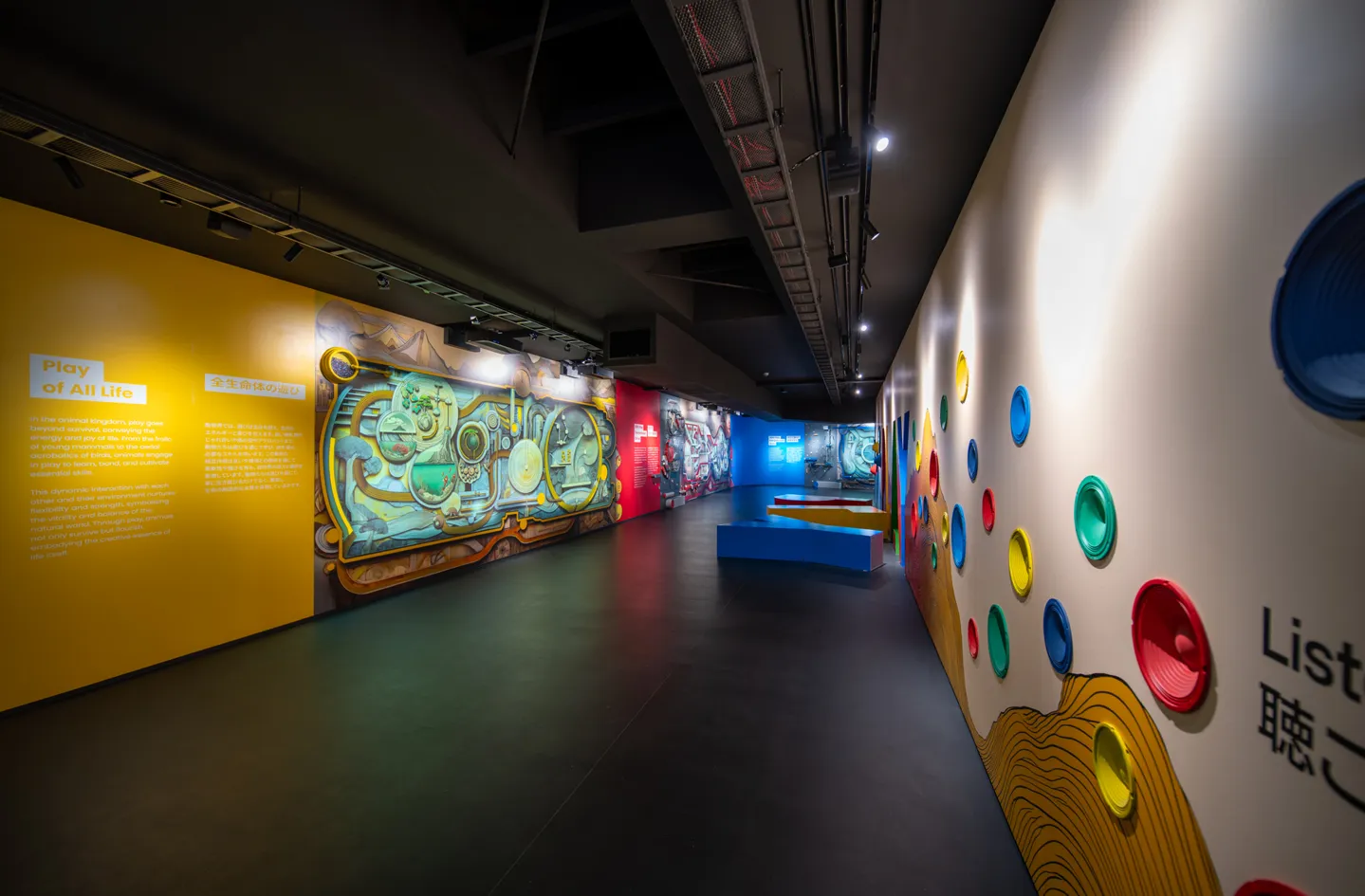
🥈SILVER MEDAL: Best Tech Integration – Recognized for the "Nation’s Testimony" installation, which used seamless technology to tell the story of Serbian innovation.

Project Explanation
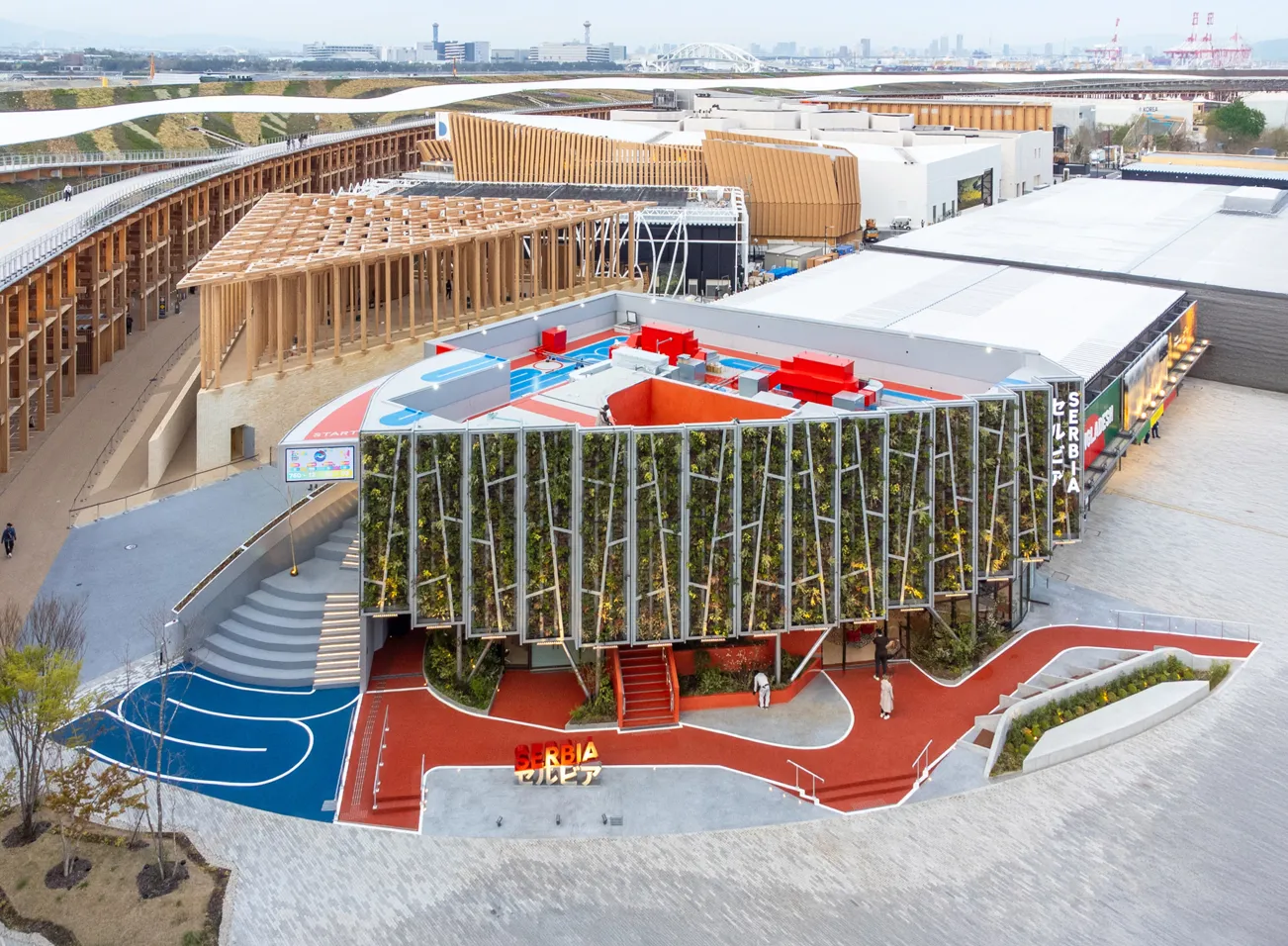
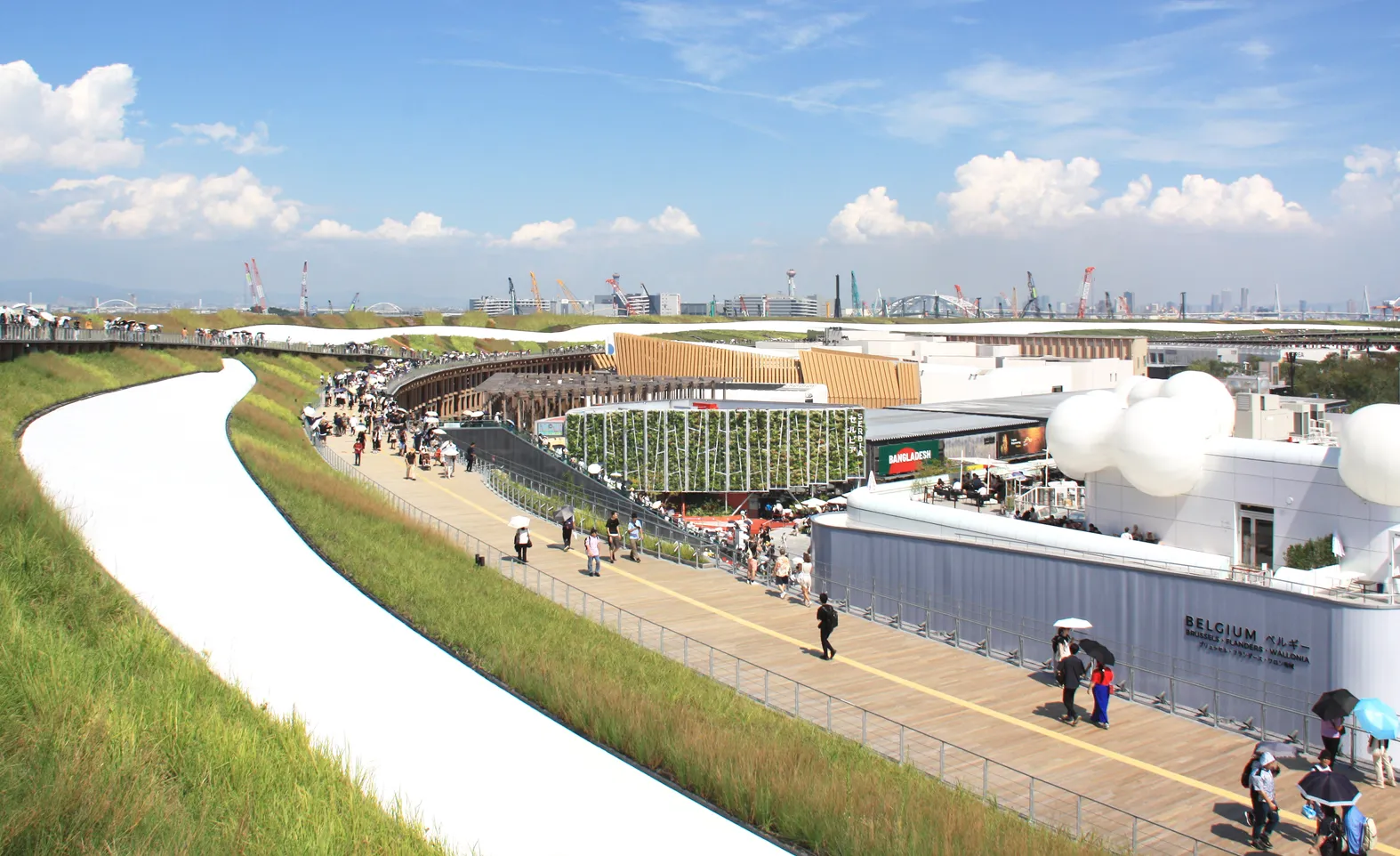
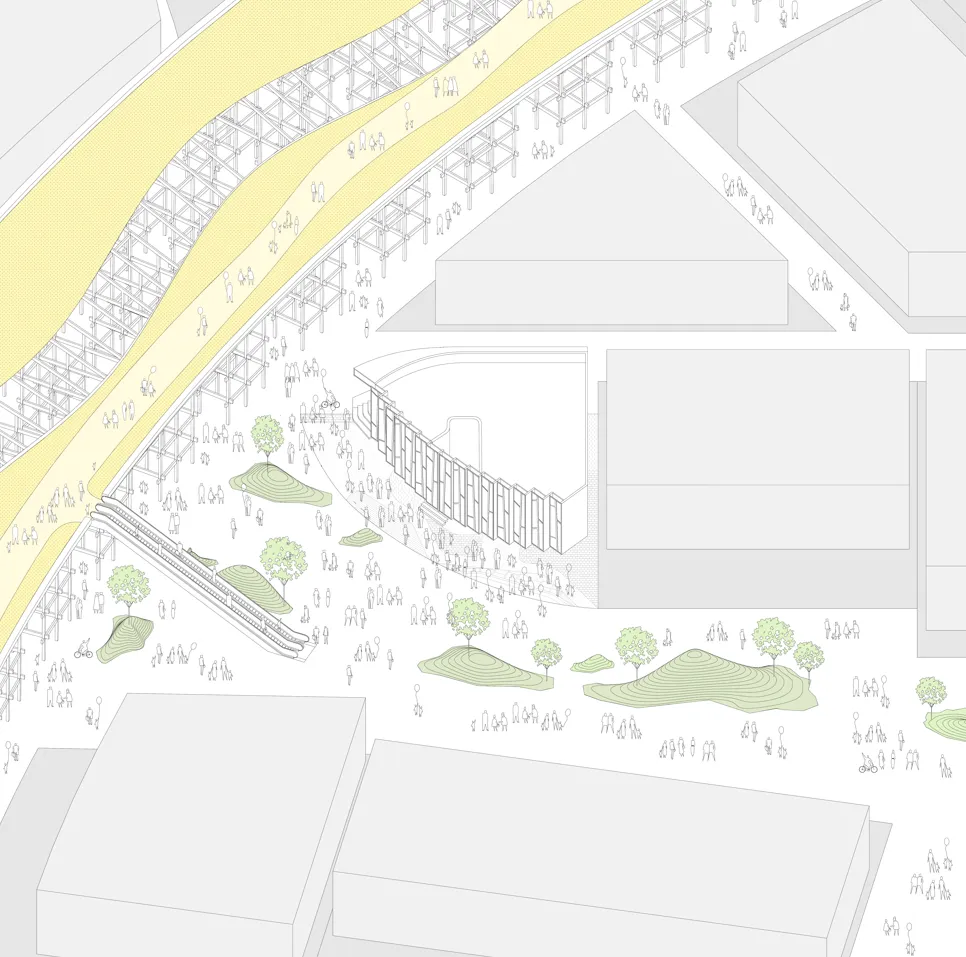
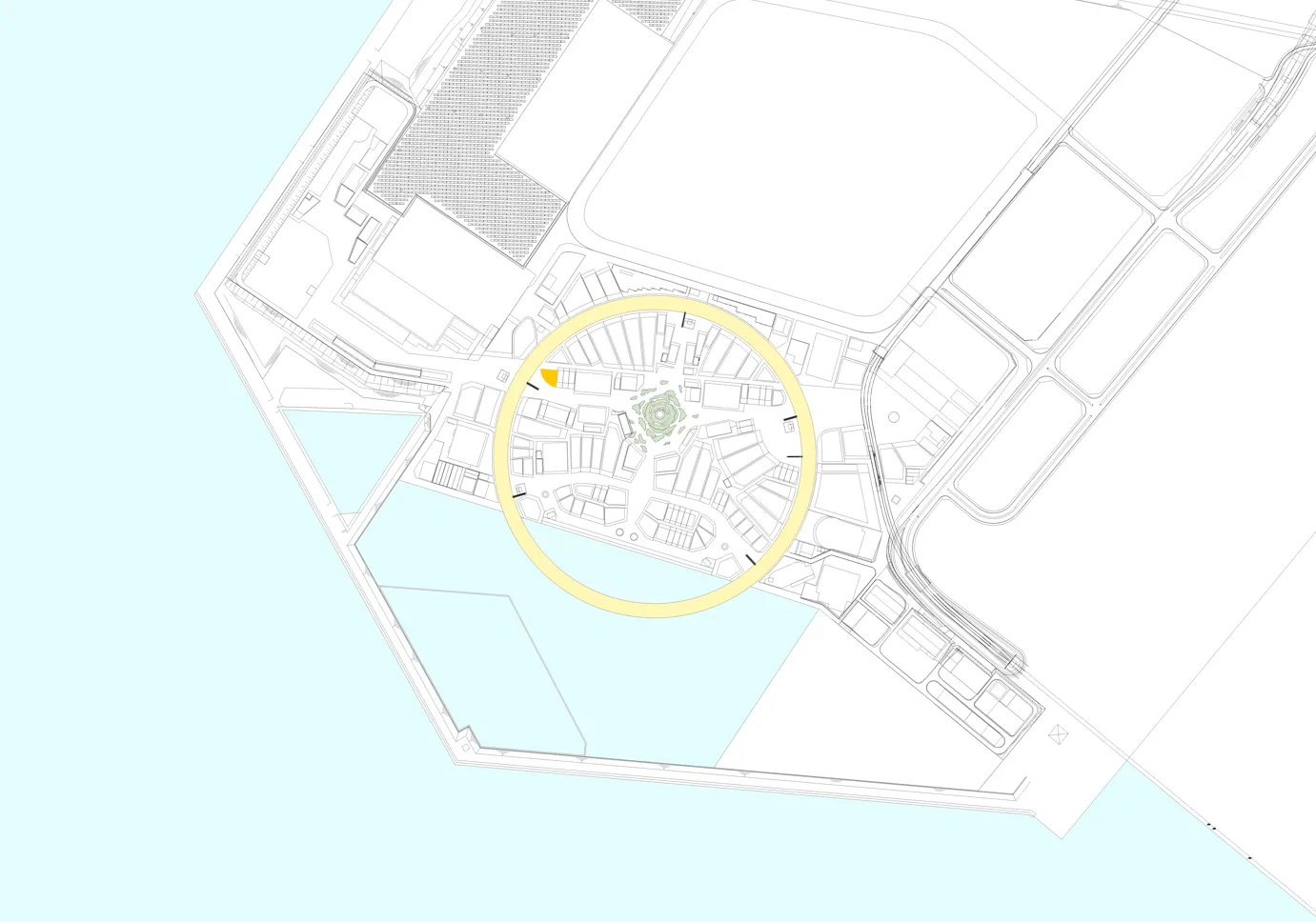
The pavilion is strategically positioned at the western entrance of the Expo site, a masterplan designed by Sou Fujimoto. Directly facing and neighbouring the Grand Ring, the pavilion occupies a highly visible and prominent location, giving it a unique presence and strong attraction for incoming visitors. Its location ensures that the pavilion is one of the first points of contact for guests, creating an immediate impression and serving as a gateway to the broader Expo experience.
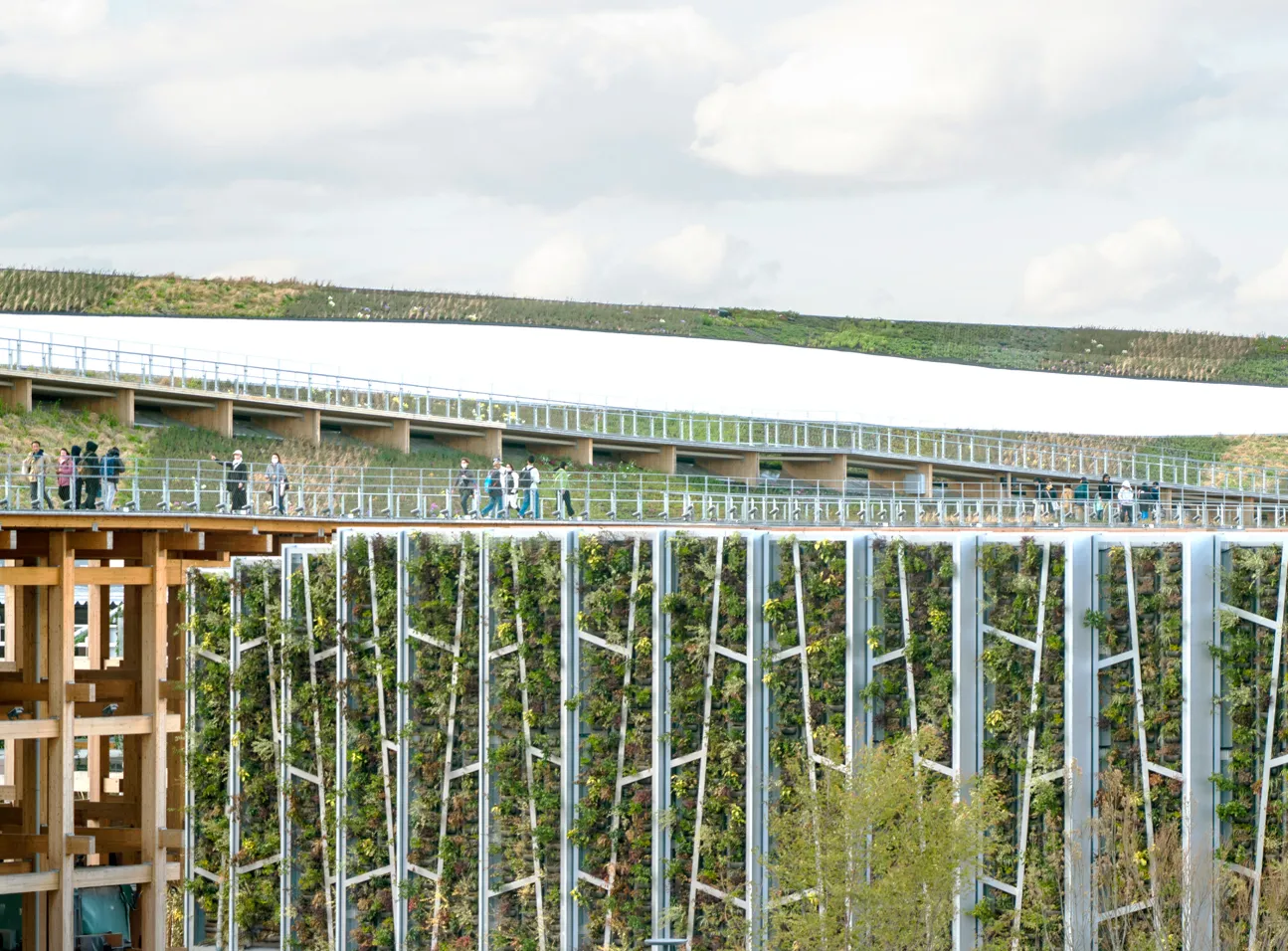
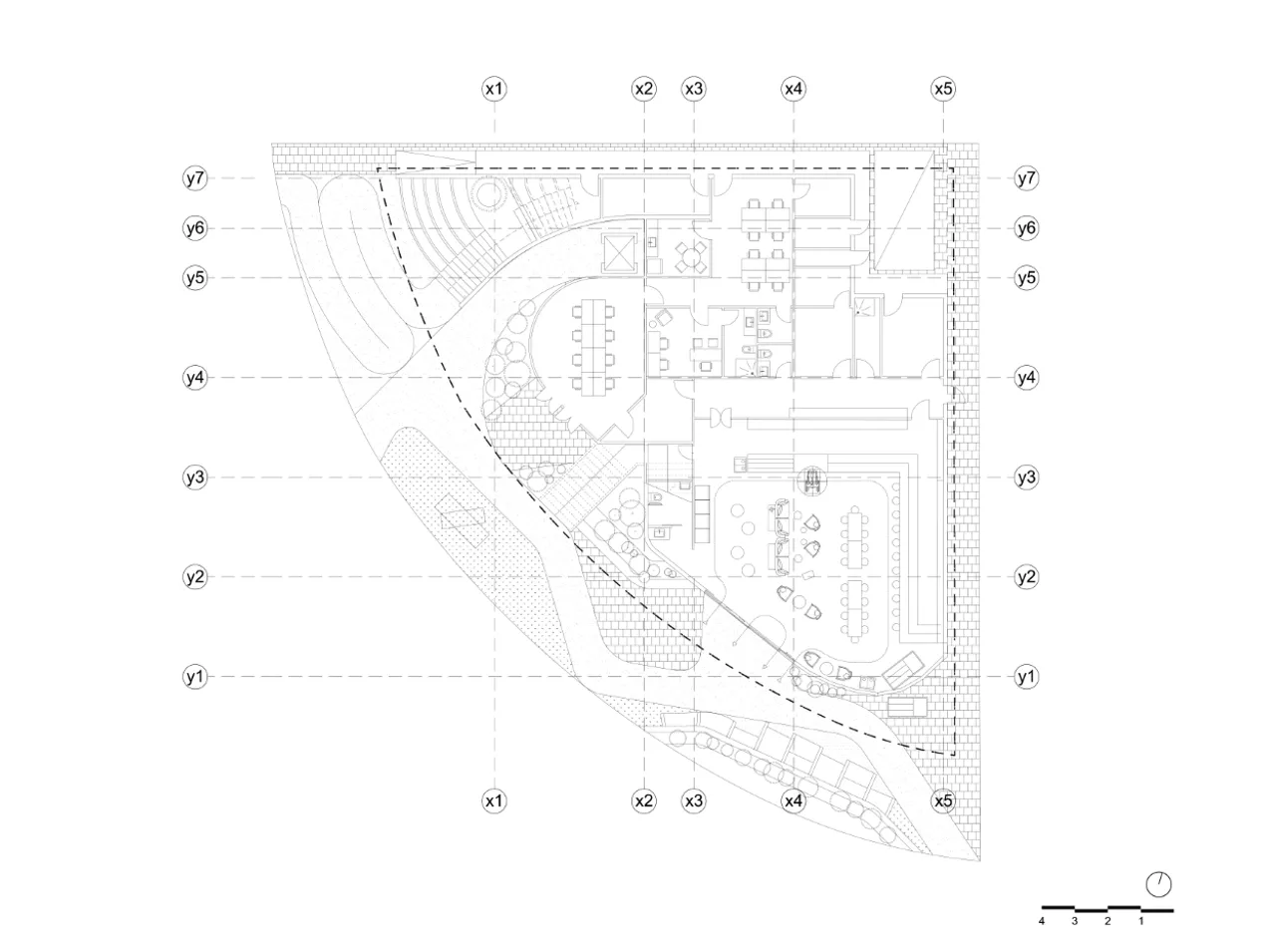
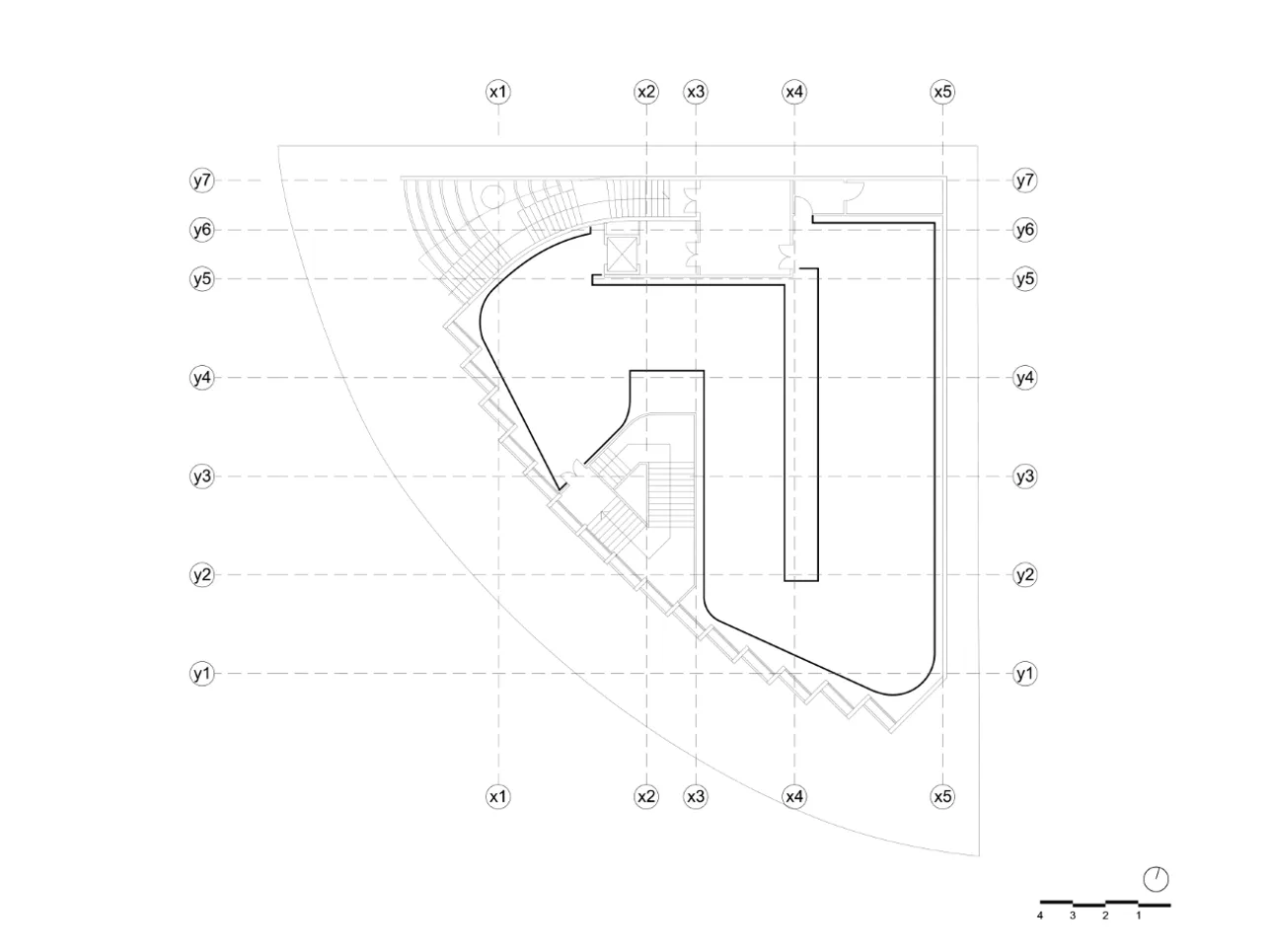
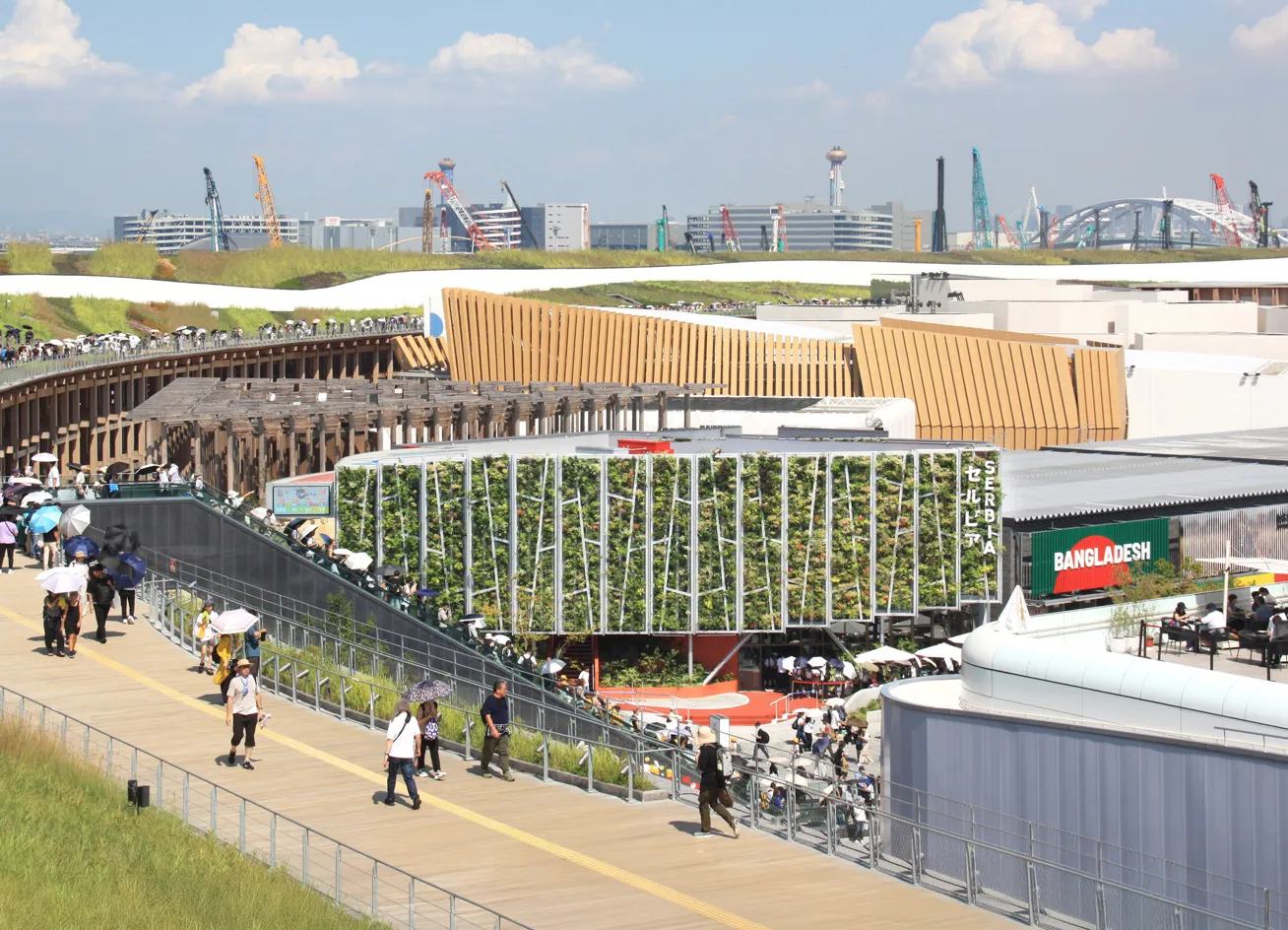
The site itself is defined by a quarter-circle geometry, oriented toward the western flow of visitors. This presented a key design challenge: to balance high accessibility, visibility, and wayfinding, while naturally guiding visitors from the entrance to the pavilion’s architectural and experiential highlights. The pavilion had to engage the public both visually and experientially, serving as a destination while fitting seamlessly into the site's movement patterns. Surrounded by the repetitive rhythm of the Grand Ring’s wooden structure, the pavilion responds by reinterpreting this repetition rather than competing with it. Select elements of the ring’s structural language are subtly mirrored and abstracted in the pavilion’s façade, creating a visual dialogue between the two architectures.
The design not only reflects the surrounding context but also creates a layered experience for visitors, where patterns, textures, and forms draw attention to both the pavilion itself and the broader Expo environment. In addition to its formal and contextual considerations, the pavilion emphasizes cultural storytelling and experiential design. Its material choices, façade detailing, and spatial organization work together to evoke Serbia’s natural landscapes and urban character, providing a narrative that visitors can explore and connect with as they move through the space. Through its strategic placement, distinctive form, and thoughtful material expression, the Serbia Pavilion establishes itself as both a continuation of the Expo’s architectural language and a recognizable landmark within the western entrance zone, welcoming visitors, creating meaningful engagement, and linking cultural identity with the larger Expo experience.

Pavilion Desing
The pavilion design concept is inspired by the Lido Island in Belgrade, the capital of Serbia. An untouched natural forest island located at the meeting point of the Danube and Sava rivers. Preserved as a protected landscape, the island exists as a rare and powerful contrast within Belgrade’s dense urban fabric, an oasis of nature surrounded by the city. Its form closely resembles the pavilion site, reinforcing the conceptual connection between place and architecture.
The Lido Island represents the idea of bringing nature back into highly urbanized environments, serving as a symbol of ecological balance and sustainability in contemporary city life. This principle became a key driver of the pavilion’s design approach. This geographical reference becomes a metaphorical bridge between Serbia and Osak, an open, inviting, and connected one. In a similarly high-density context such as the Expo site, the pavilion introduces nature as an integral spatial and experiential element. In line with the theme of Expo 2025 Osaka: “Designing Society for the Future (Society 5.0)”, the pavilion combines natural and architectural elements, translating the essence of Serbia’s landscape into both form and experience. By merging nature and urban density in both contexts, the pavilion offers a vision where built environments and natural systems coexist in a resilient, inclusive, and human-centred way.
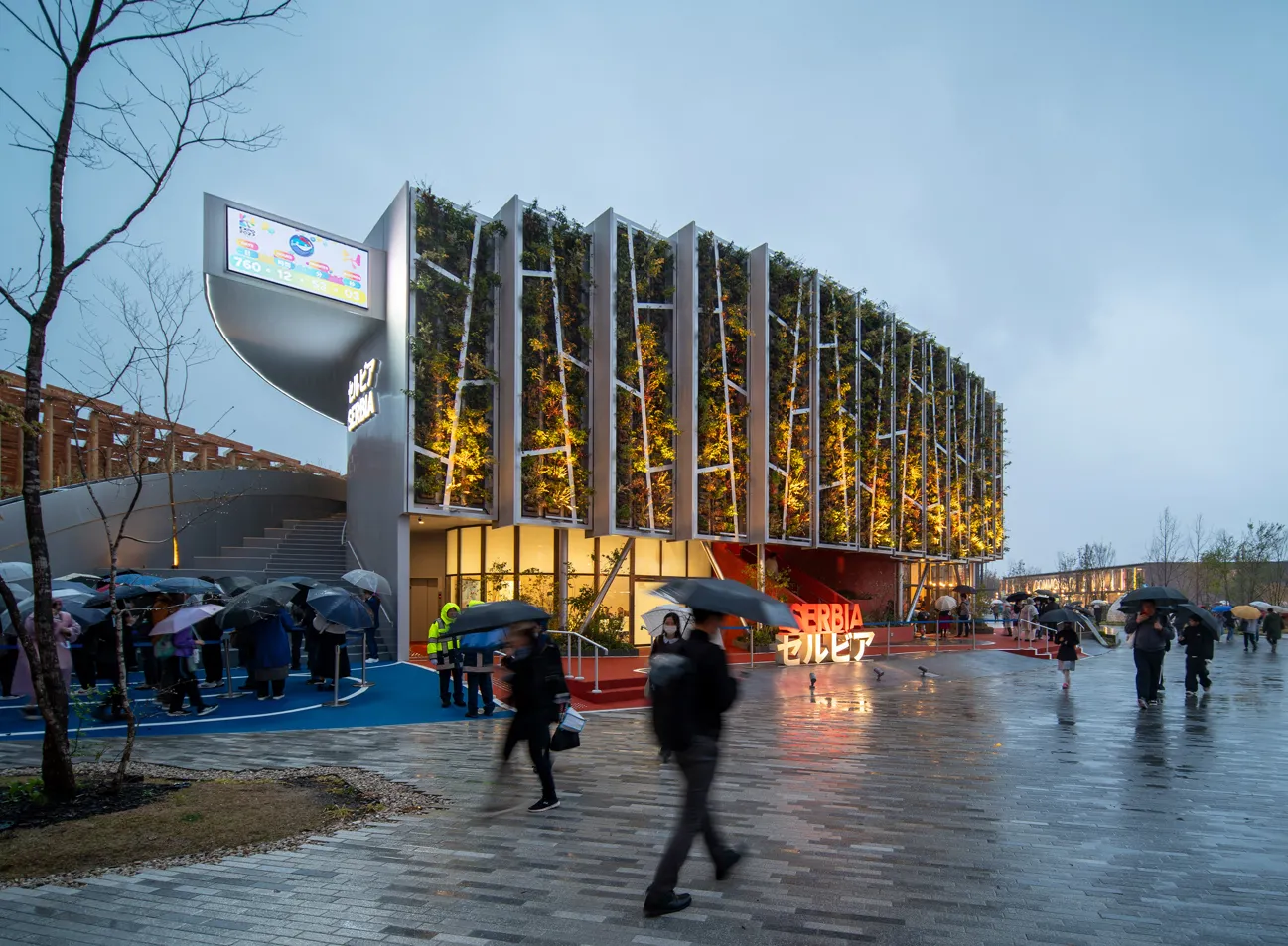
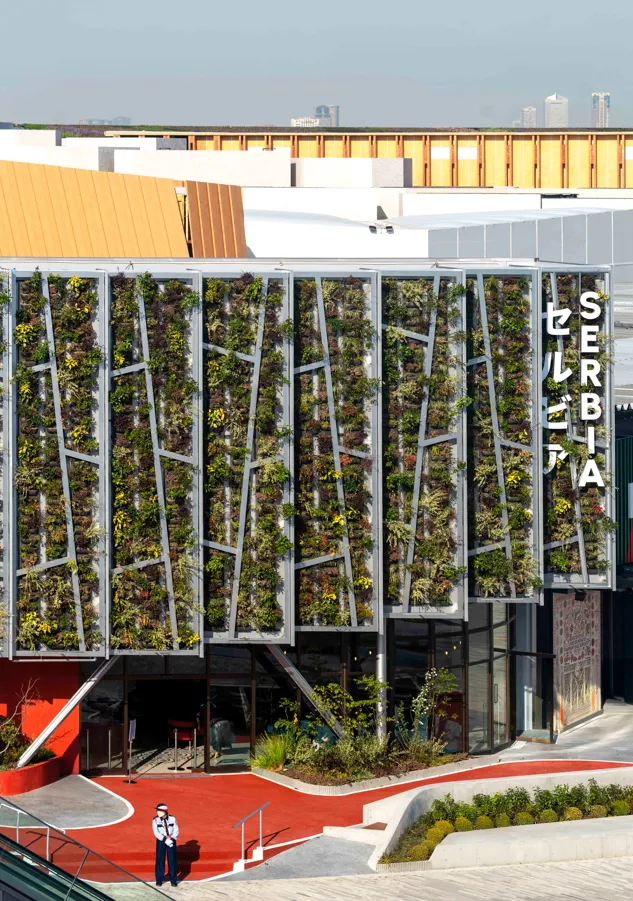
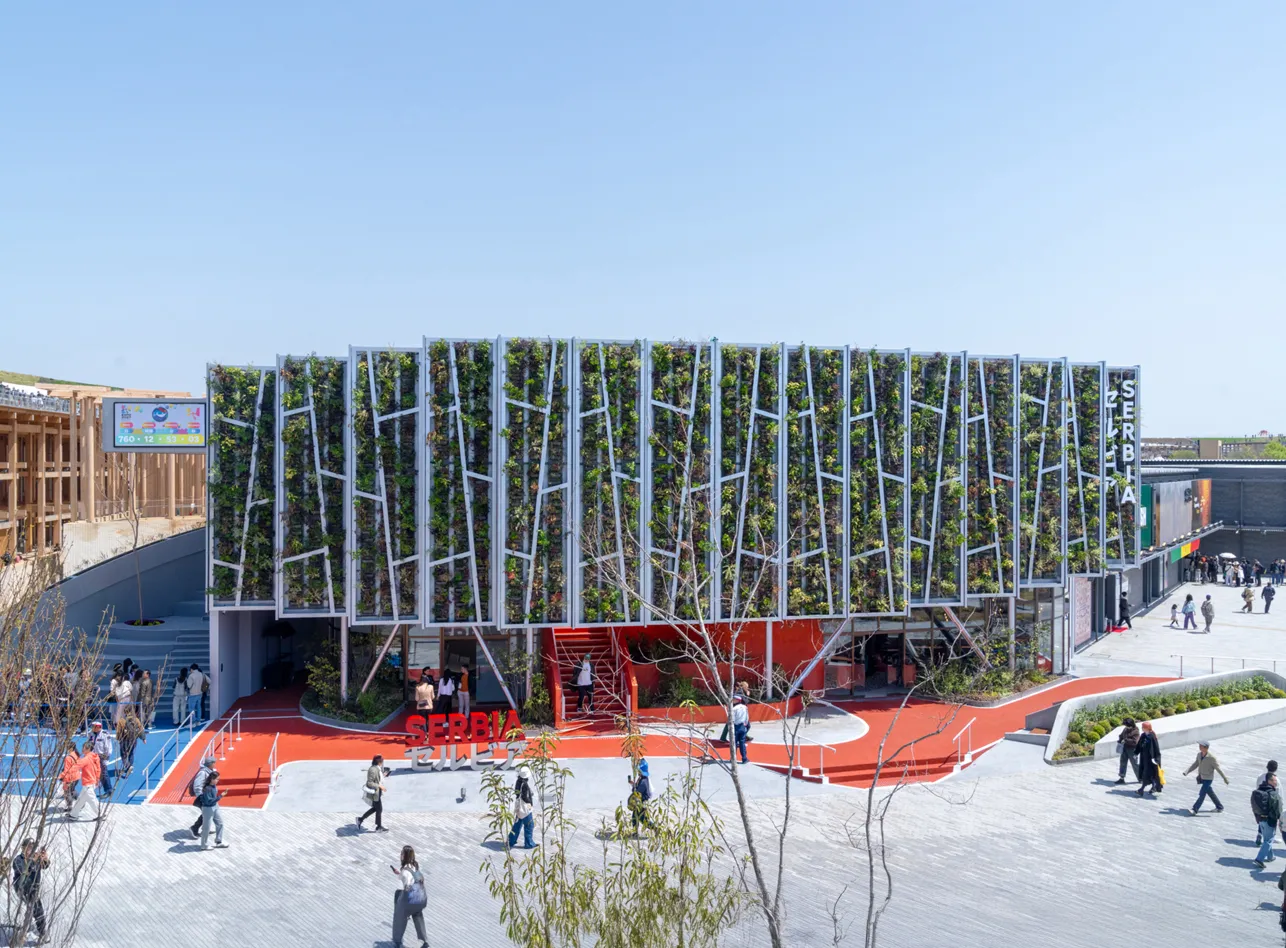
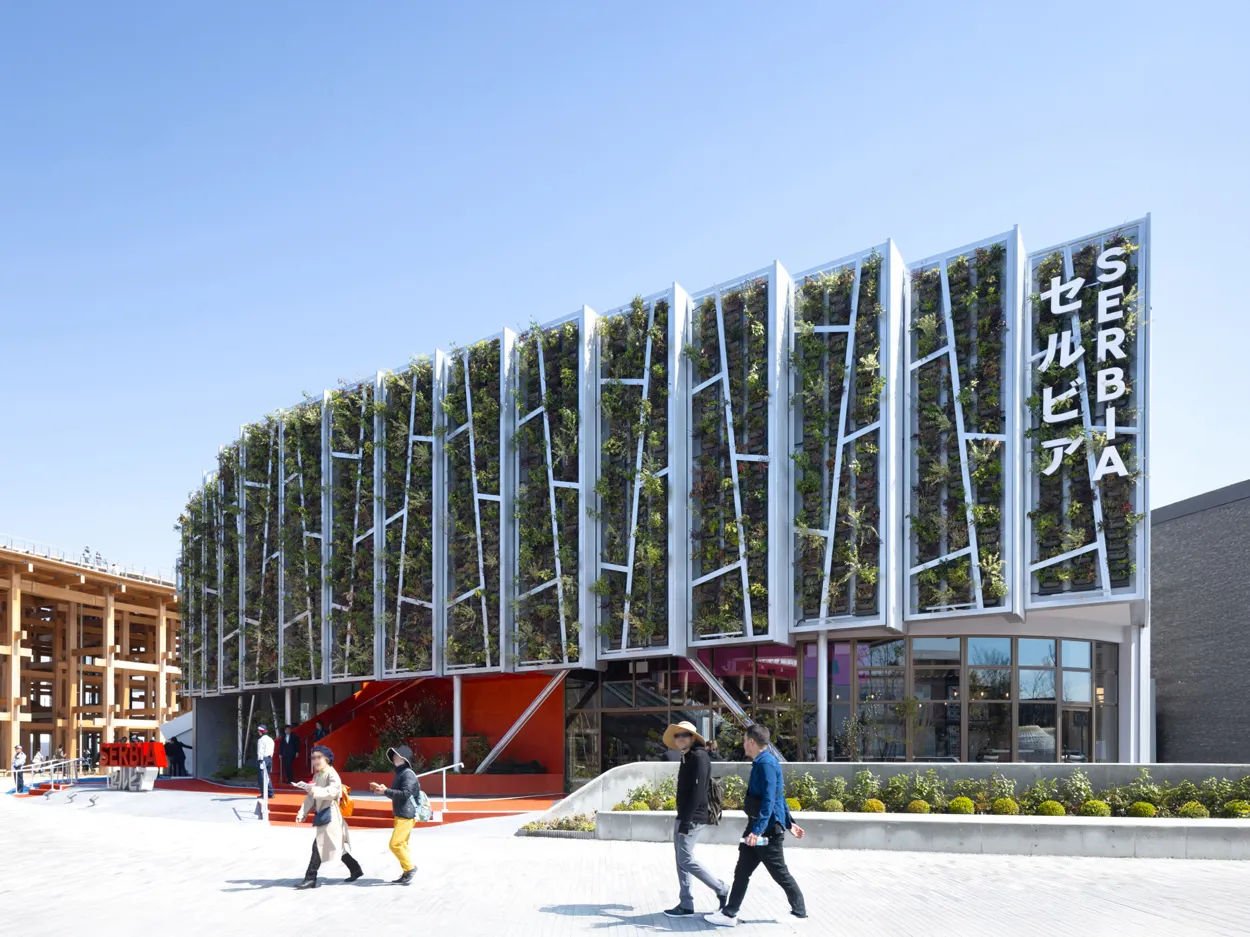
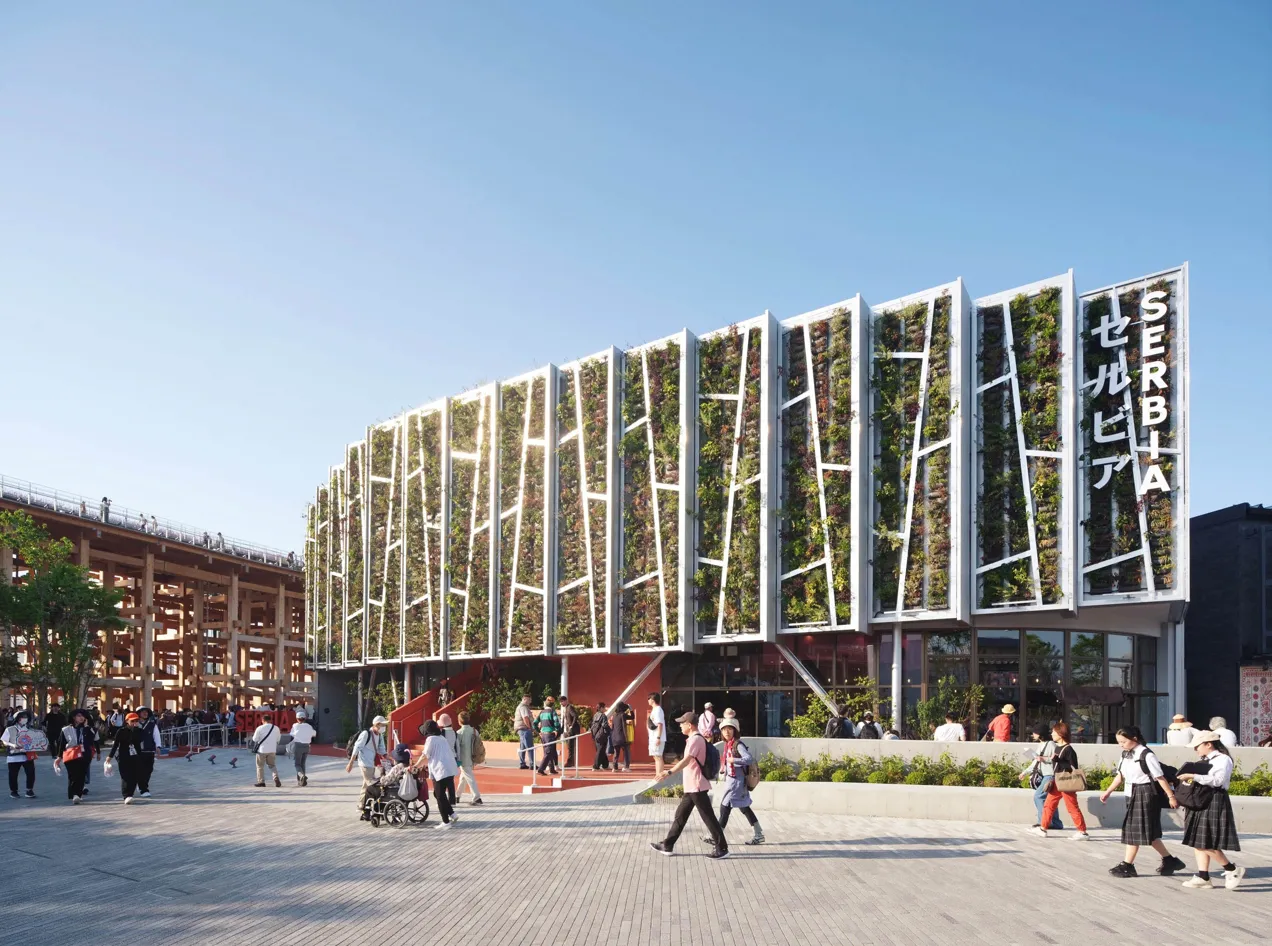
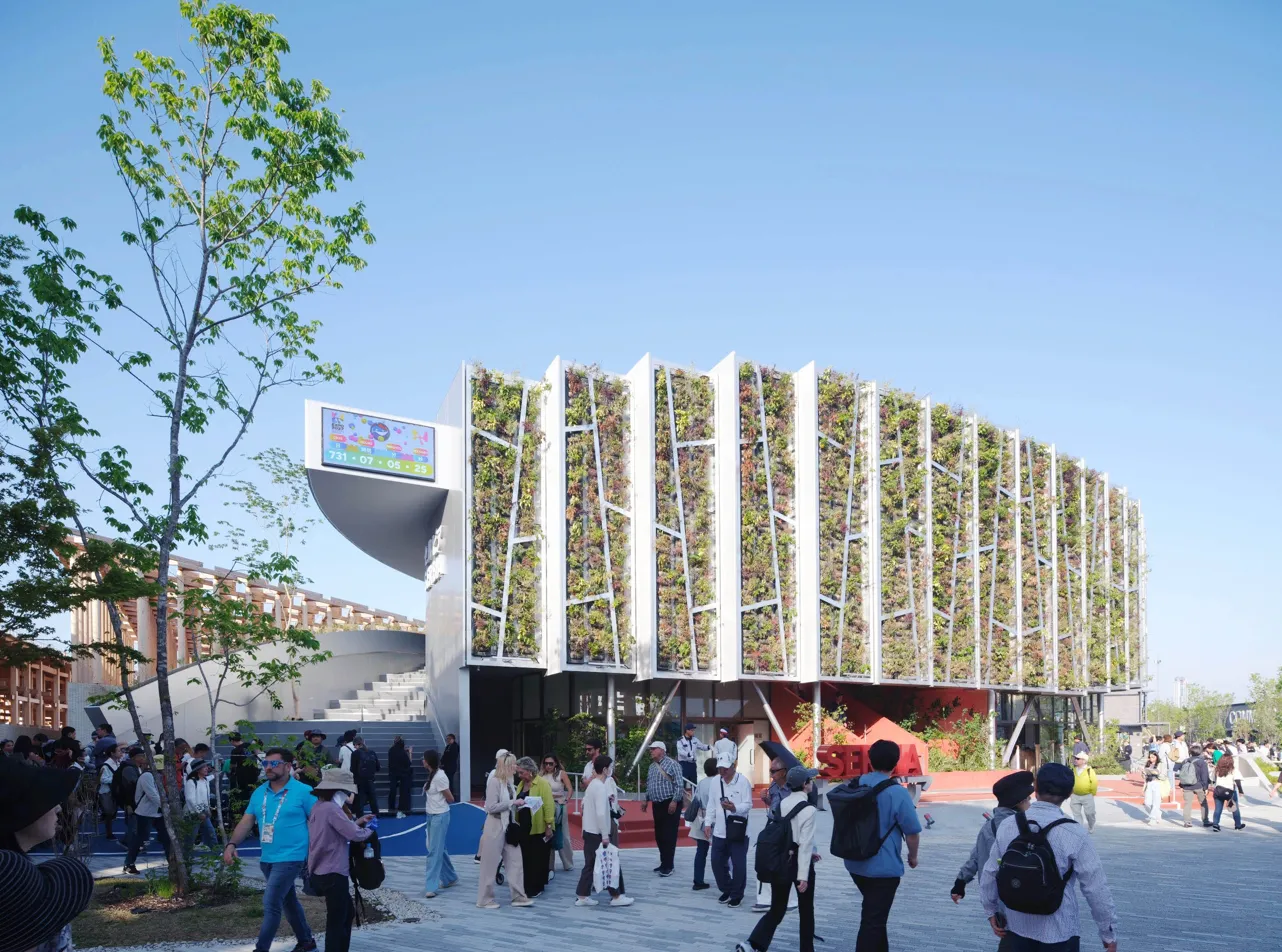
Translating the Lido landscape into the pavilion’s architectural form, the design takes shape as a rhythmic, living façade that responds to the repetitive flow of the Grand Ring, while also echoing natural elements that harmonize with the wooden structure of the Ring. The façade is not intended as a purely green, decorative feature; rather, it symbolizes the connection between two scales, the urban context of the Expo and the architectural presence of the pavilion itself. This vertical garden façade embodies the pavilion’s core message: that the future of innovation lies not only in advanced technologies but also in reconnecting with nature. By integrating sustainable systems such as thermal insulation, rainwater harvesting, and water recycling, the façade functions as both a biological and environmental mediator. It provides habitats for small birds and insects, a rare feature in an environment dominated by hard surfaces and concrete, bringing a touch of living nature into a highly urbanized setting.
The pavilion’s façade is the largest living, hanging green wall at Expo 2025, spanning over 250 square meters and supporting more than 6,000 locally grown plants, all nurtured in a nursery in Osaka. The façade is designed to grow and evolve, changing in colour, density, and texture throughout the duration of the Expo. In doing so, it becomes a dynamic, living element that can even interact with and overtake the architectural features of the pavilion, blurring the line between nature and structure.
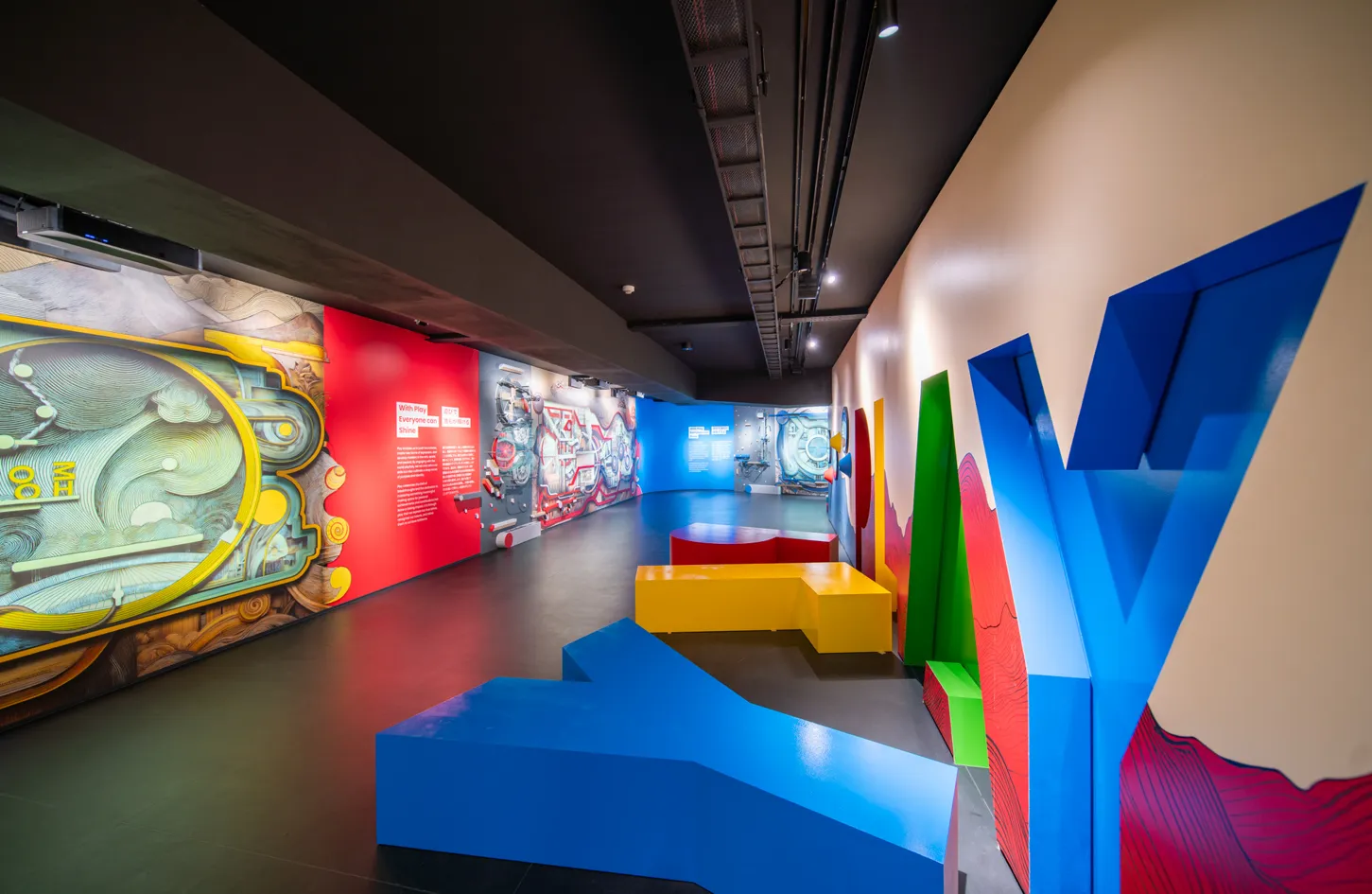
In doing so, the pavilion becomes a “living room with nature,” a welcoming, breathable space where visitors can pause, reflect, and engage. The design demonstrates that architecture can merge ecological performance, cultural symbolism, and urban interaction, creating an experience that is both educational and inspiring.
After the Expo concluded in late 2025, the pavilion was dismantled. Designed from the outset with structural integrity, materials, and construction based on fully reusable, cradle-to-grave principles, the pavilion was conceived to have a life beyond the event itself. The 6,000 locally nurtured plants integrated into the pavilion façade were redistributed to kindergartens across the city of Osaka, where the Expo took place. This gesture echoed the Expo’s philosophy that certain elements should live on after the event, offering not just a temporary building, but a lasting legacy for future generations.
Design responsibly and suitably
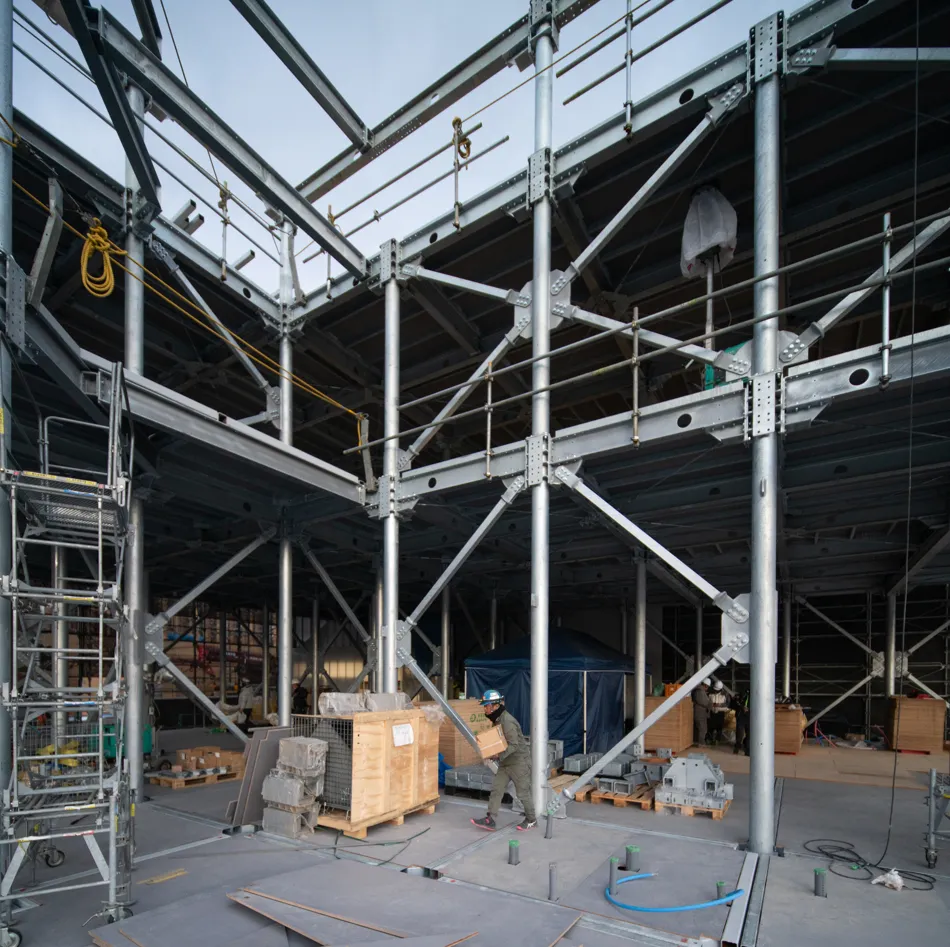
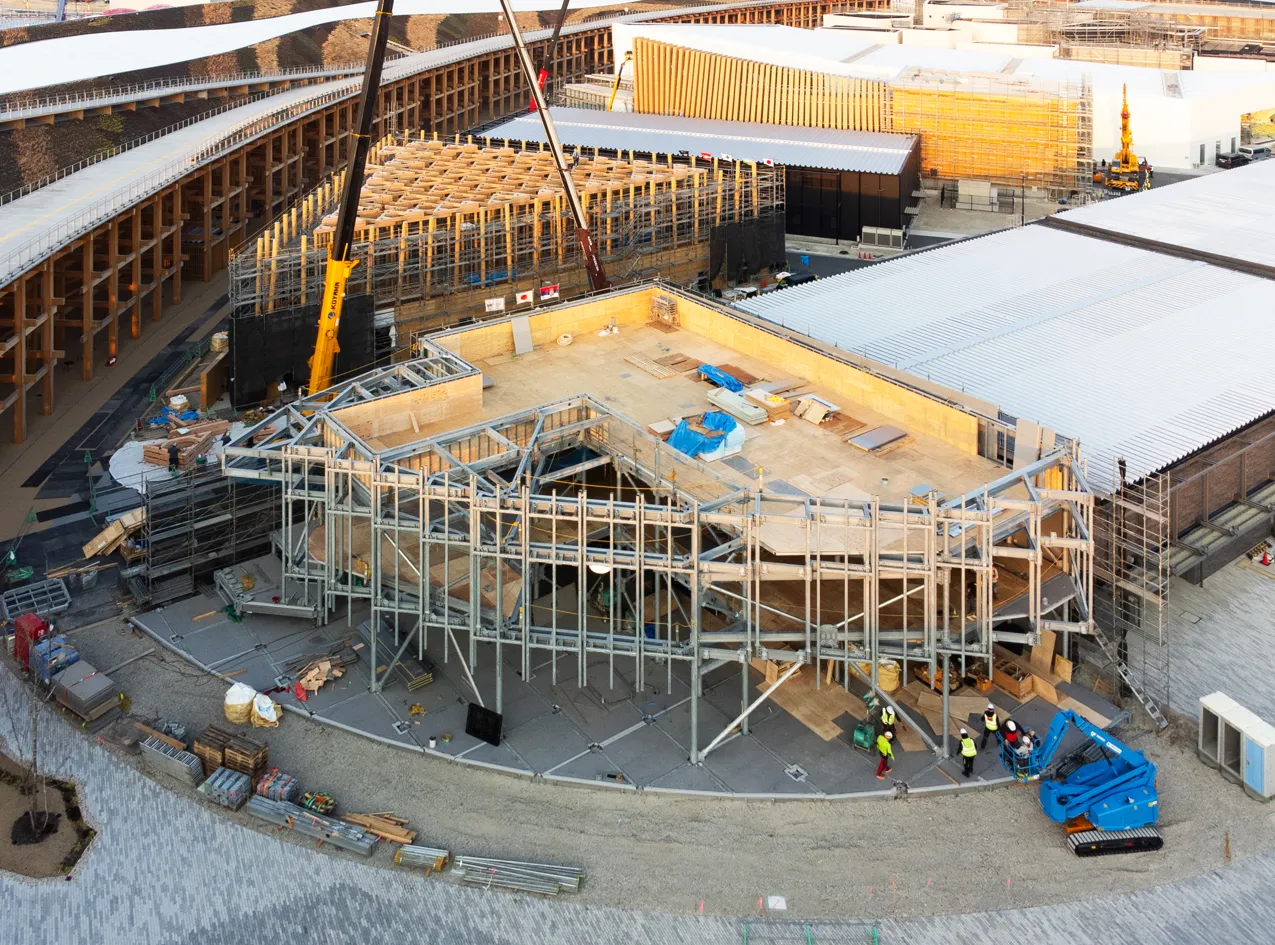
Even before Expo 2025 was officially announced in 2023, Japan was already facing significant challenges, including labour shortages, rising construction costs, material inflation, and increasingly strict project timelines. Understanding these constraints from the outset, our role as designers was not only to propose a strong architectural concept, but also to develop a highly efficient and responsible structural strategy for the pavilion that keeps sustainability as a core principle. One of the key requirements of the project was that the site had to be returned to the Expo Association in its original condition after the event.
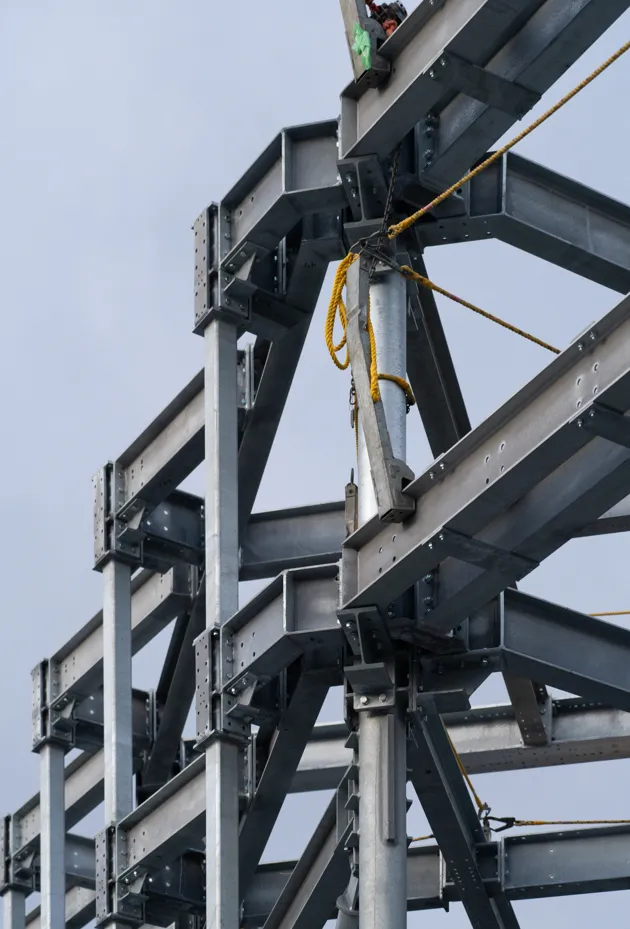
This condition eliminated the possibility of permanent foundations or extensive concrete frameworks. As a result, the design demanded a structure that could be fully dismantled, transported, and reassembled with minimal environmental impact and construction time. In response, we adopted an innovative, adaptable structural system based on a modular design logic. The four primary pillars, each representing a fundamental design and construction principle:
Reusable: The structure is designed to be fully reusable, allowing all major components to be dismantled and redeployed after the Expo. By avoiding permanent construction methods, the system supports multiple life cycles and long-term use beyond a single event.
Standardized and Efficient: A standardized structural system enables faster design development, streamlined manufacturing, and rapid on-site assembly. Repeatable components ensure high construction quality while significantly reducing errors, labour requirements, and overall construction time—an essential advantage under tight schedules.
Environmentally Responsible: Because the system can be disassembled and returned to its point of origin for future use, unnecessary material waste is avoided. The reusable and rental-based approach substantially reduces carbon emissions, energy consumption, and resource depletion typically associated with temporary large-scale constructions.
Economically Sustainable: A reusable rental structure significantly lowers the financial burden of high construction costs. By reducing material waste, labour demands, and foundation work, resources can be redirected toward improving architectural quality, spatial experience, and detailing rather than being absorbed by temporary infrastructure.
Through this adaptive structural strategy, the pavilion demonstrates how architecture for large-scale global events can respond intelligently to economic, environmental, and logistical pressures, offering a model that is flexible, sustainable, and future-oriented.
Conclusion
Designing for major, prestigious events such as the World Expo is particularly meaningful, as they create opportunities for different cultures to connect and better understand one another. These events also represent moments of shared joy, where communities come together around a collective vision of building a better future through sustainability and care for the world.
The Serbia Pavilion welcomed more than one million visitors during the six-month Expo period and received three prestigious awards, including recognition as one of the best small pavilions under 1,000 square meters. Together, these achievements affirm the pavilion’s success not only as an architectural work but as a lasting cultural and environmental contribution.
Fun Fact:
1,000,000+ Visitors: The pavilion shattered records, welcoming its millionth guest just days before the Expo’s close—the country's most successful Expo appearance since Paris 1900.
The Expo’s Largest Green Living Façade: A stunning 250-meter-long vertical garden featuring over 6,000 locally nurtured plants. This "Floating Forest" created a self-sustaining microclimate and served as a lush architectural landmark.
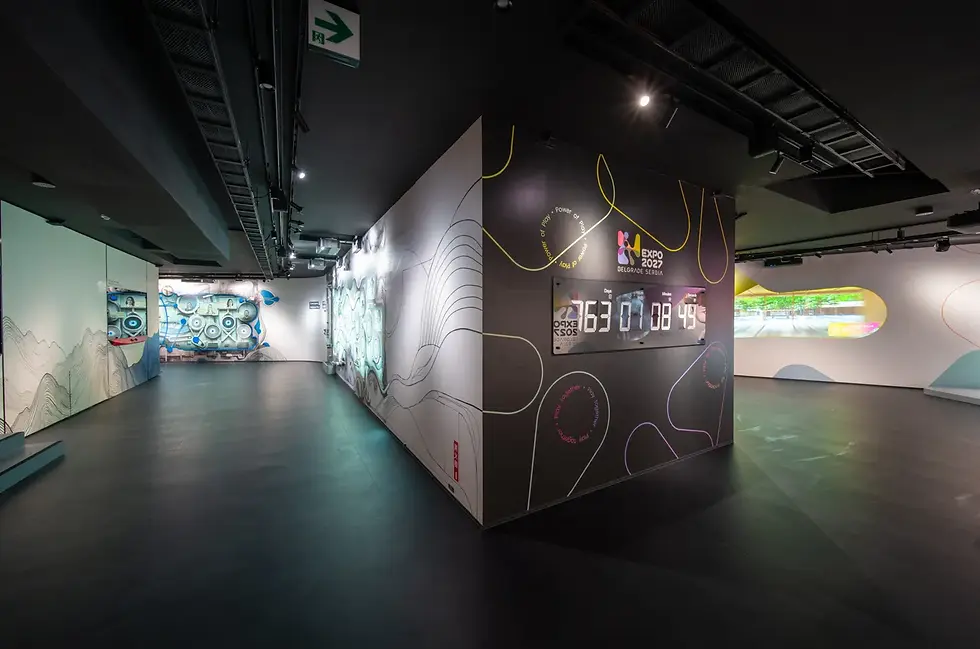
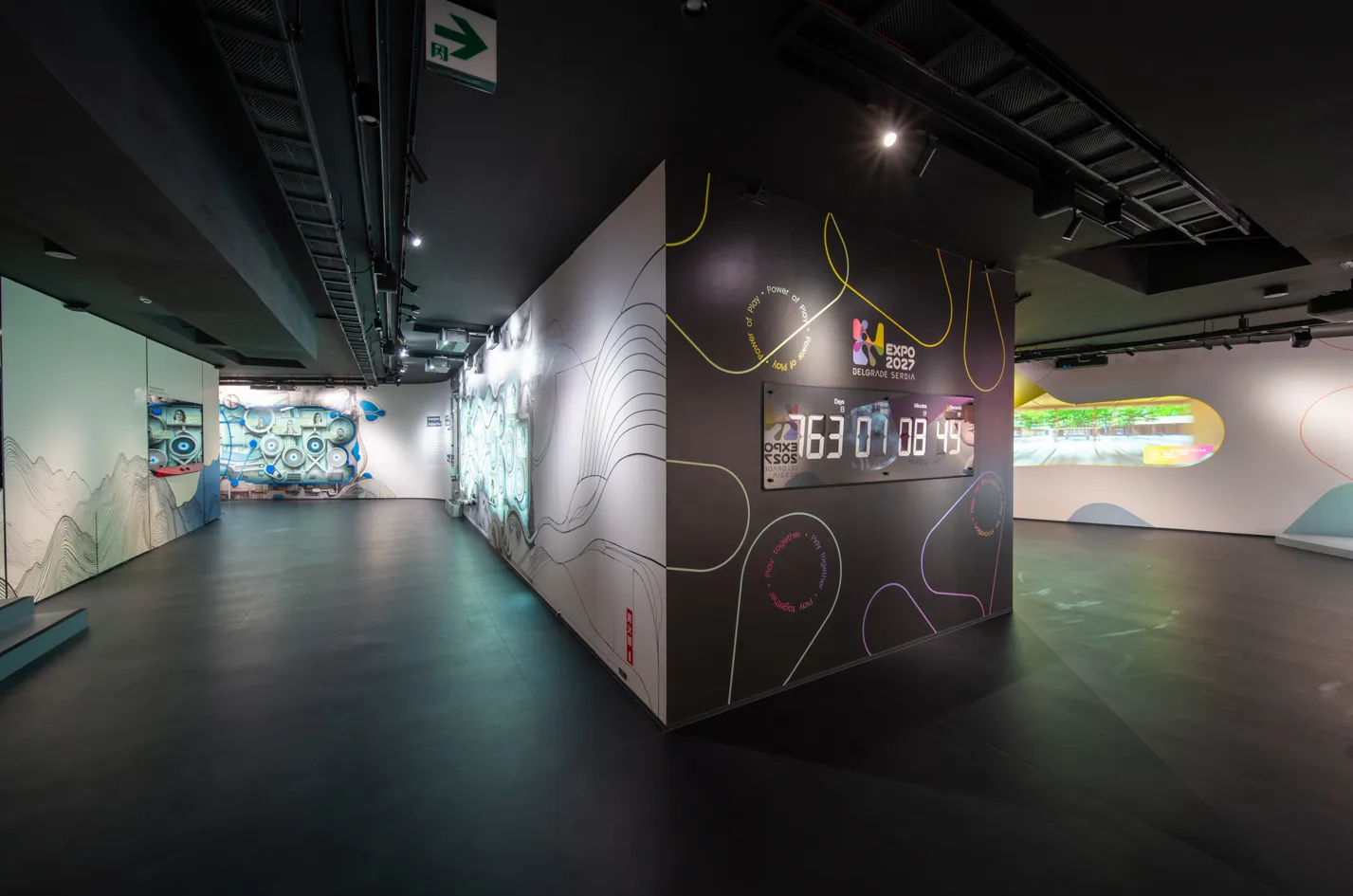
Bridge to 2027: The design served as a global "sneak peek" for the upcoming Specialized Expo 2027 in Belgrade, Serbia.


