Teknion, a global leader in workplace furniture and design, has launched an ambitious program, Advanced Concepts 2.0, dedicated to exploring the evolving dynamics of the contemporary workplace.
For the 2025 edition, Teknion collaborated with Dubbeldam Architecture + Design, an award-winning Toronto-based firm renowned for its sustainable and innovative approach, to develop three distinct workplace concepts.
As the modern workforce increasingly seeks spaces that prioritize wellness, connection, and adaptability, this initiative emphasizes environments that go beyond mere function. The core principles of Advanced Concepts 2.0 revolve around well-being, flexibility, and livability, bridging generational differences to create highly adaptable workspaces.
Image courtesy of: Eugene Krasnaok
Image courtesy of: Eugene Krasnaok
Image courtesy of: Eugene Krasnaok
The Three Pillars of Advanced Concepts 2.0
The collaboration resulted in three human-centred design solutions aimed at solving modern office challenges:
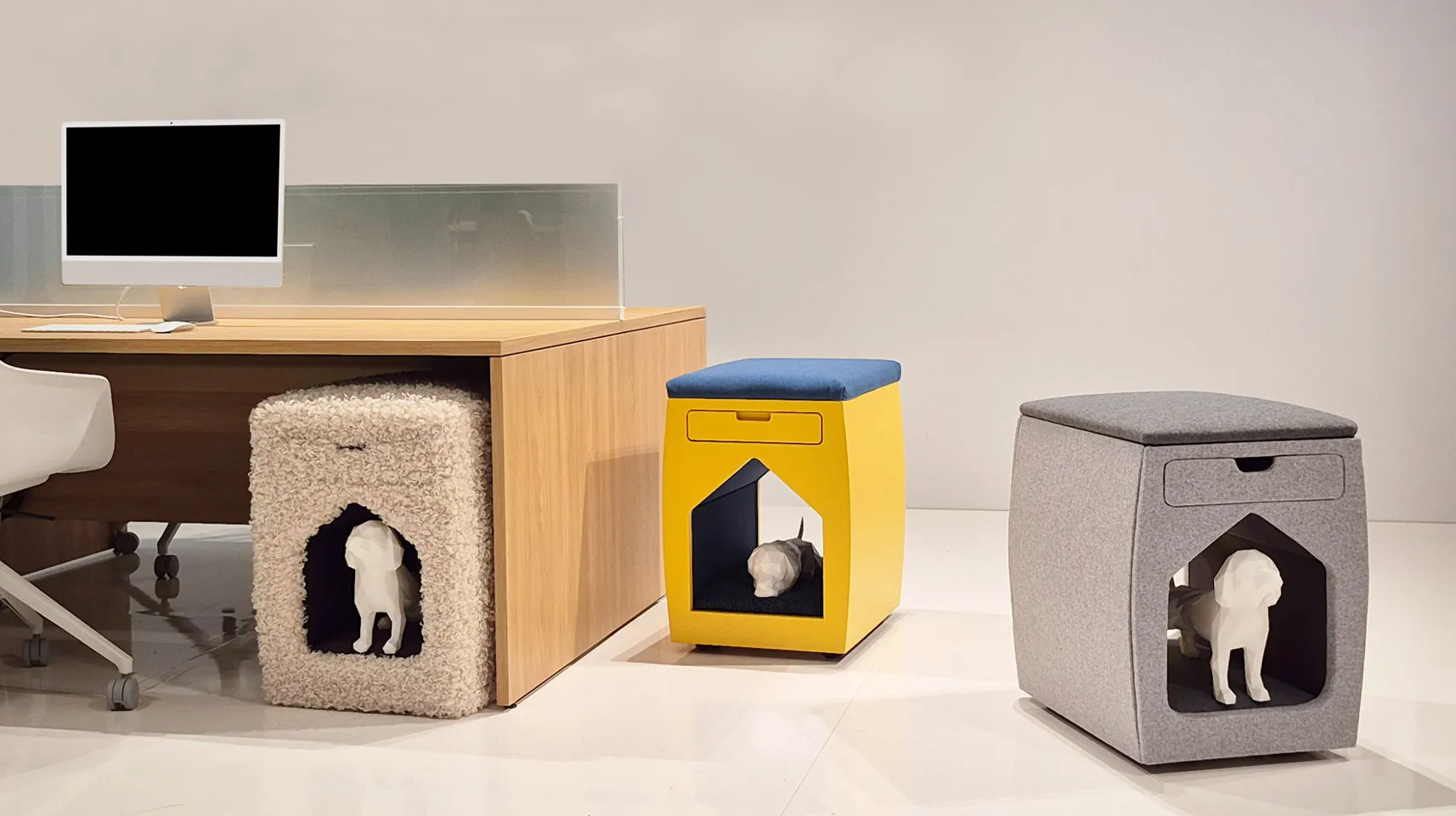
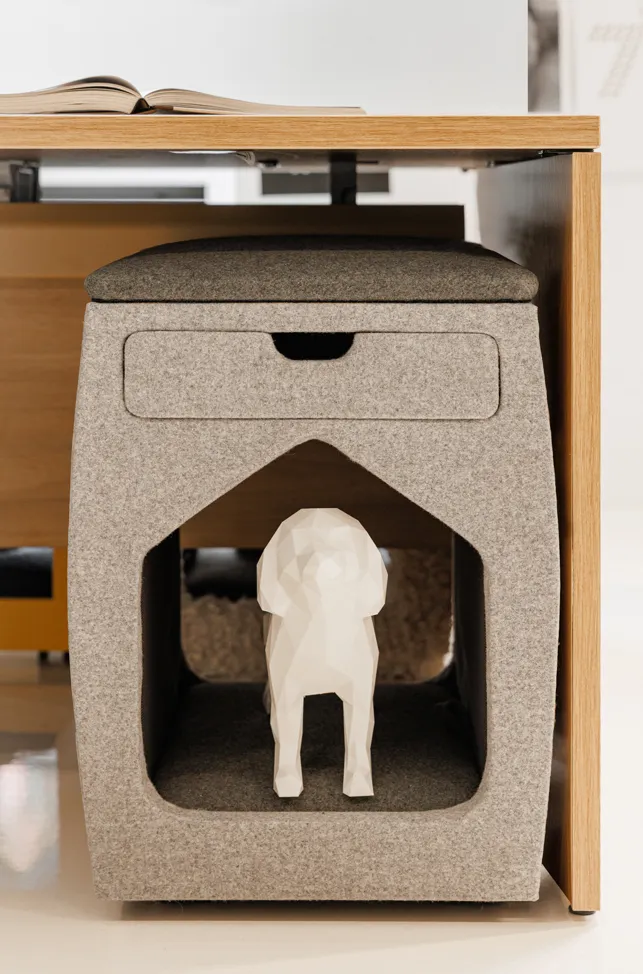
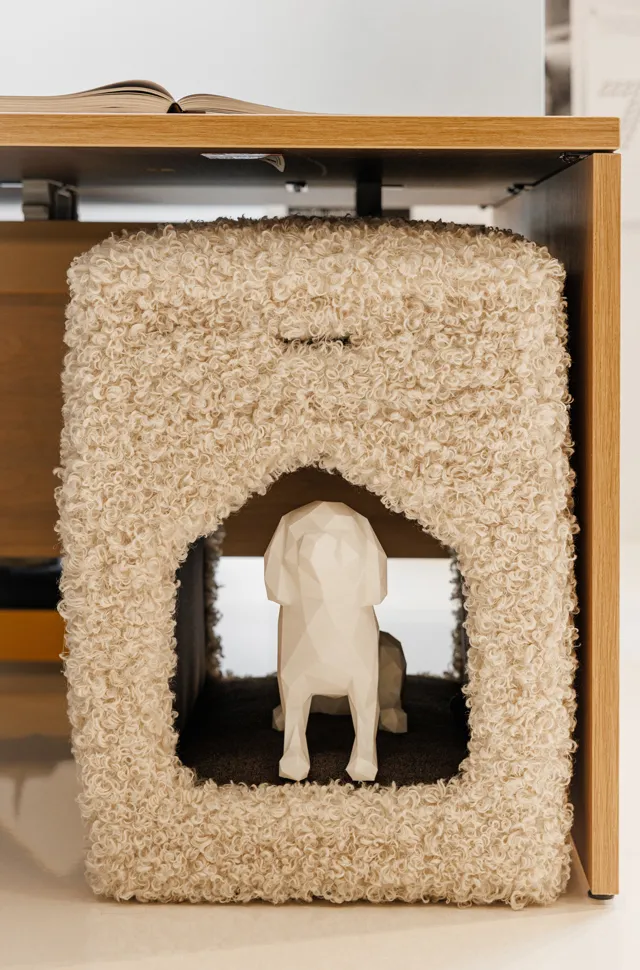
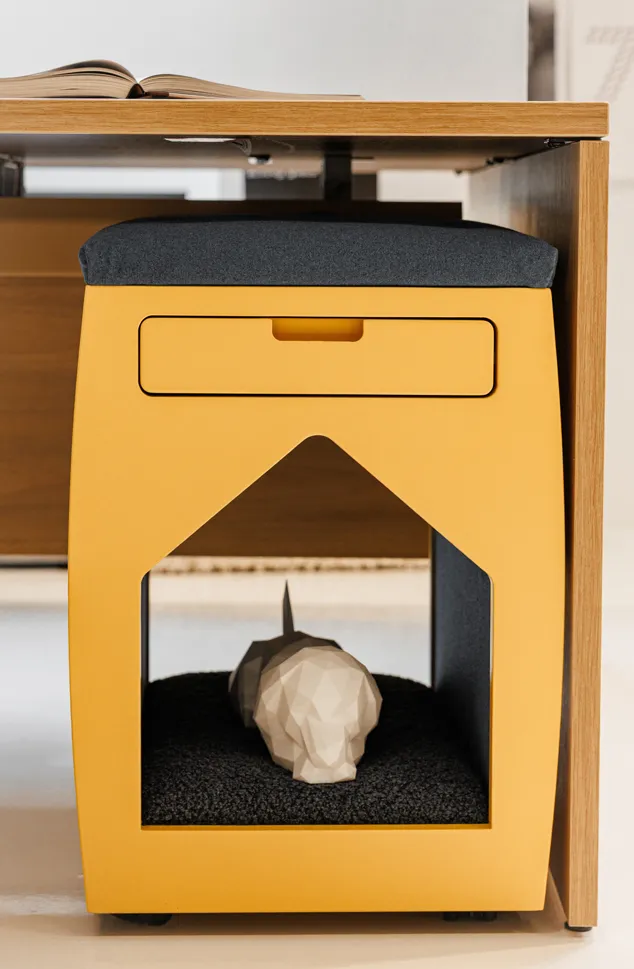
PetPod: As pet-friendly offices become more common, organizations are recognizing the mental health benefits and positive culture that come with pets in the workplace. PetPod offers a compact, thoughtfully designed solution that creates dedicated spaces for pets close to their owners while minimizing disruption to others. Designed to fit neatly under most desks, PetPod features a cozy cubby with a removable dog bed, integrated storage for essentials, and a cushioned top that doubles as additional seating. A sound-absorptive lining ensures a calm environment for pets, while a built-in HEPA filtration system improves air quality for everyone—supporting well-being and a harmonious workplace.
Image courtesy of: Eugene Krasnaok
Image courtesy of: Eugene Krasnaok
Image courtesy of: Eugene Krasnaok
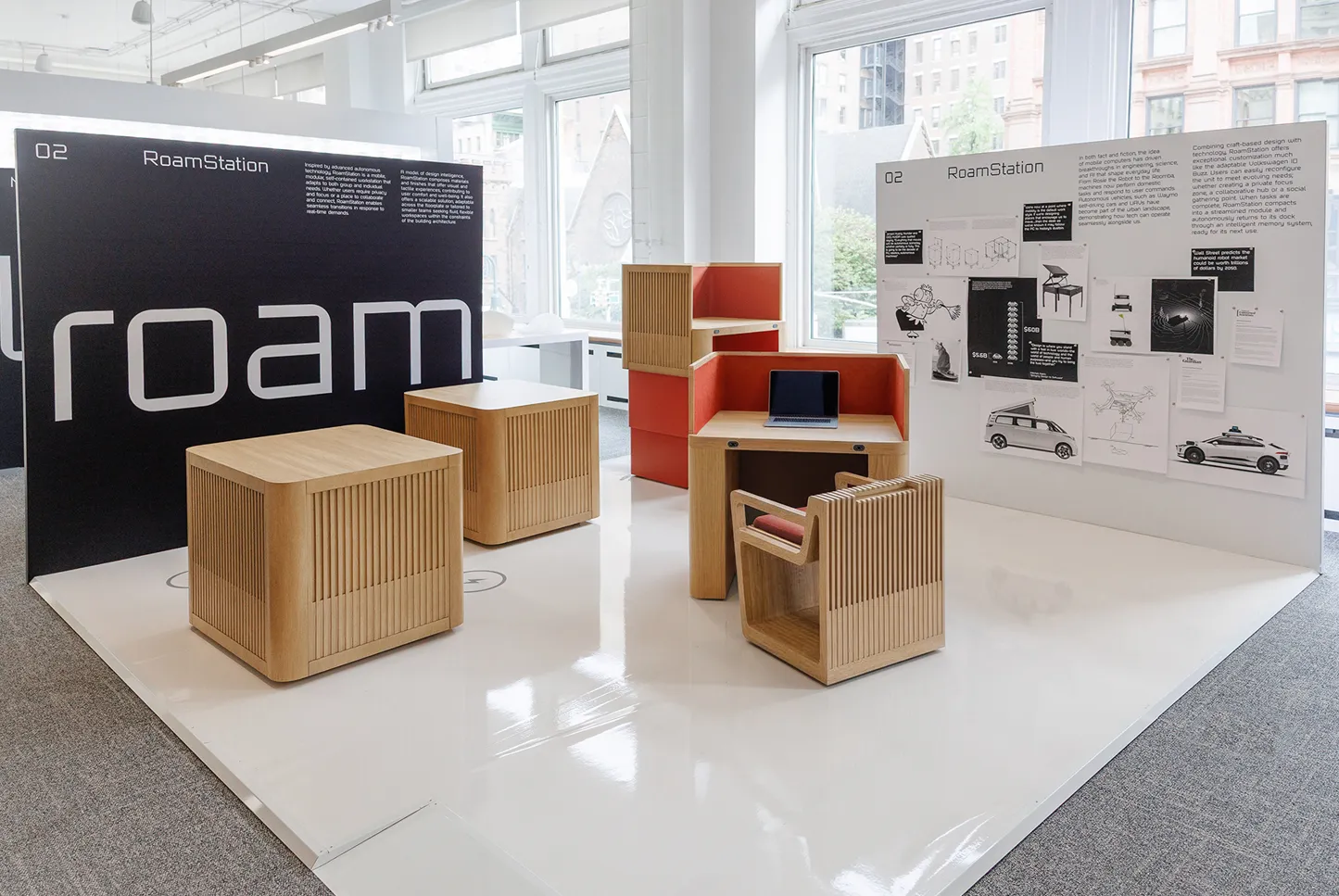
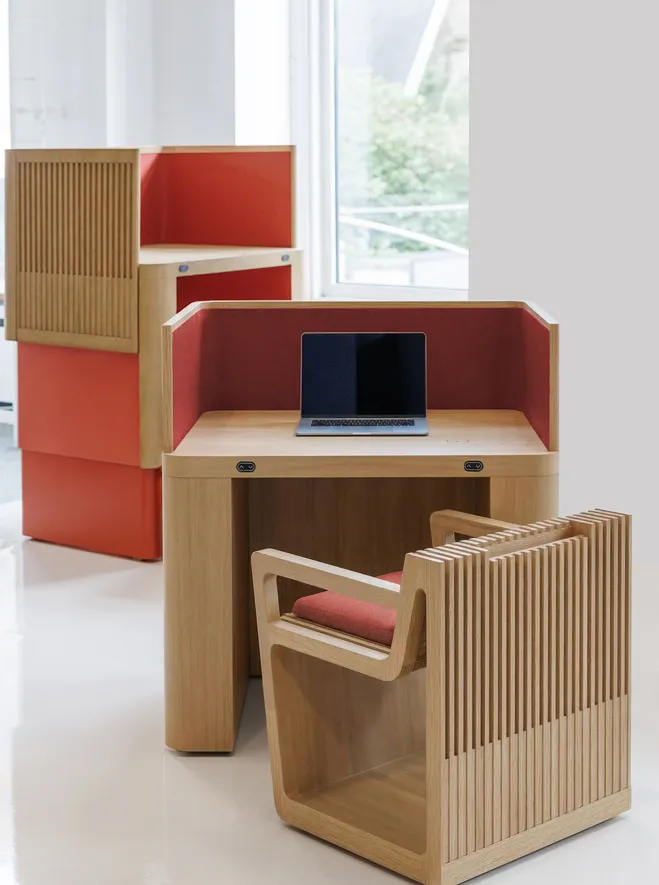
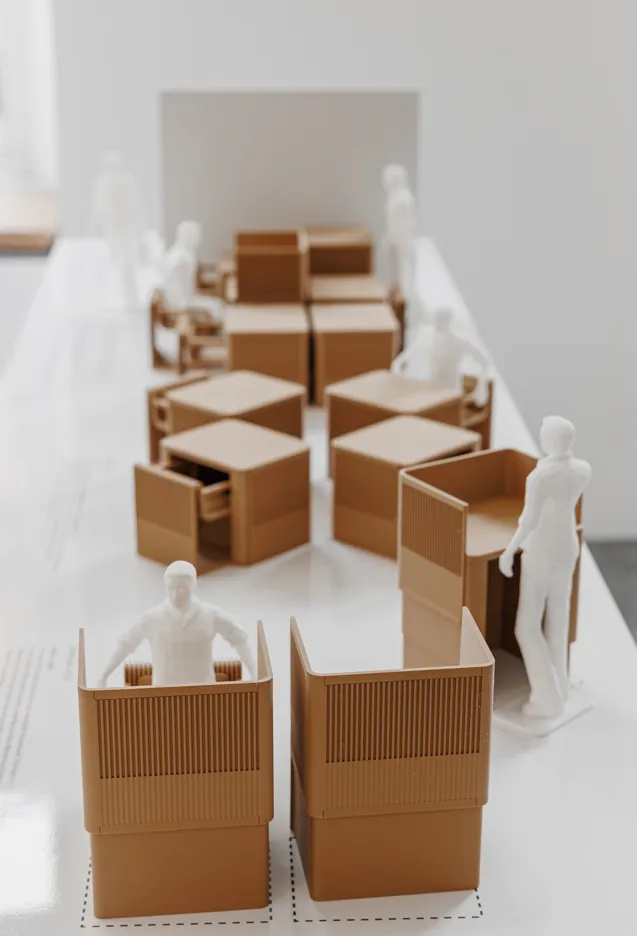
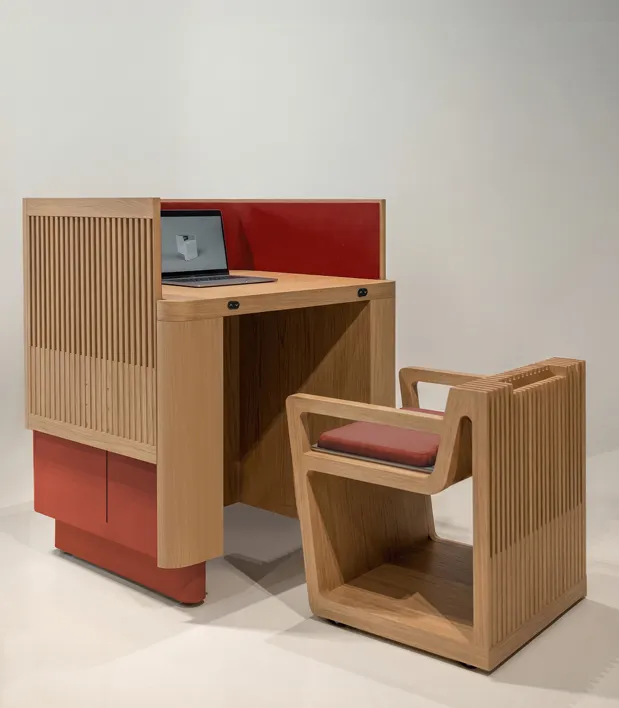
RoamStation: RoamStation is a modular, mobile workstation designed for unprecedented flexibility. Responding to the hybrid model of work, it adapts seamlessly to individual and team needs throughout the day—offering privacy, focus, or collaboration as required. Leveraging autonomous technology, it allows workspaces to shift fluidly based on use. The design integrates wireless charging and an adjustable height work surface and acoustic privacy screen, while an intelligent homing system enables it to autonomously return to its docking station after hours. Combining craftsmanship, innovation, and sustainability, RoamStation transforms the office into a responsive, human-centred environment.
Image courtesy of: Eugene Krasnaok
Image courtesy of: Eugene Krasnaok
Image courtesy of: Eugene Krasnaok
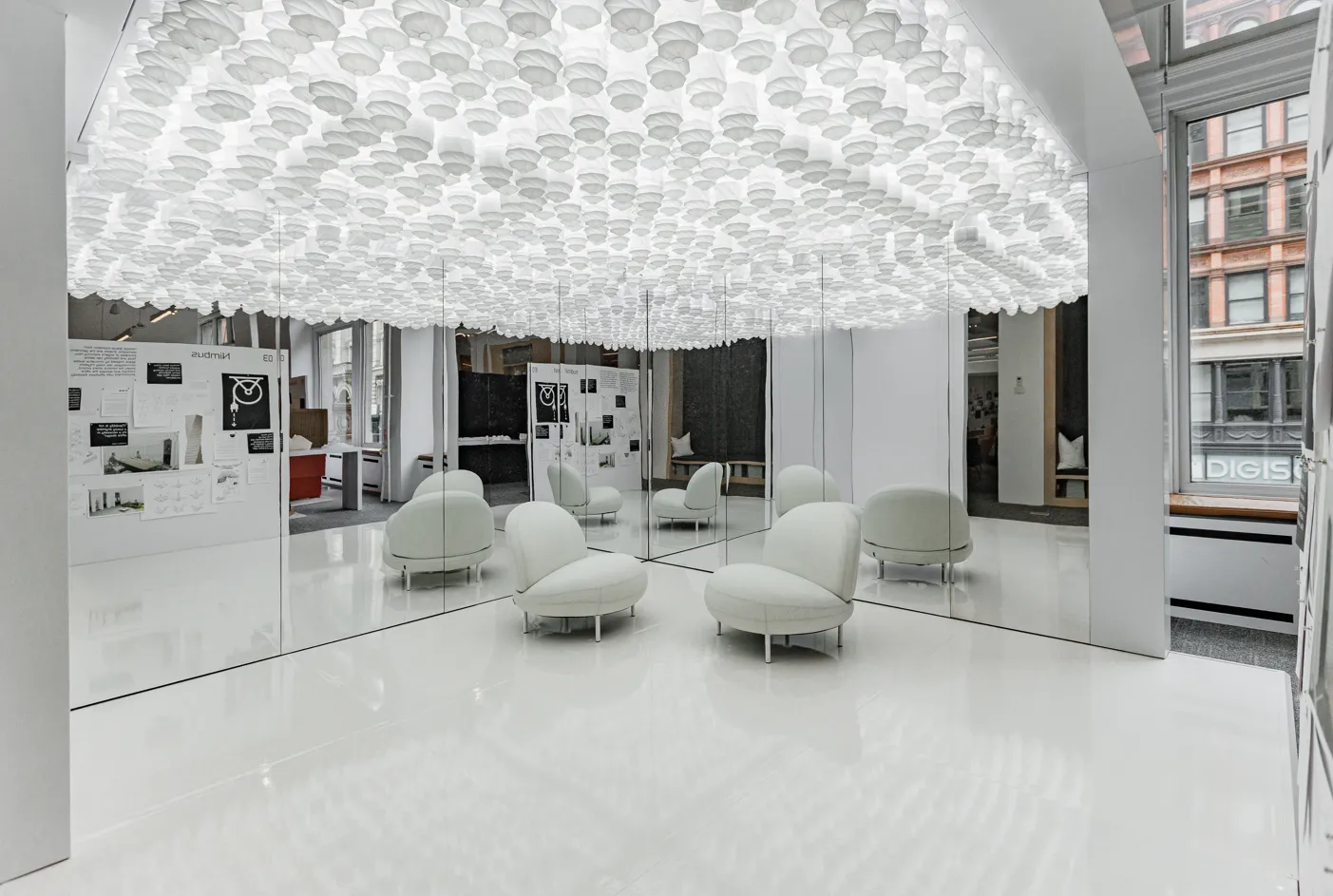
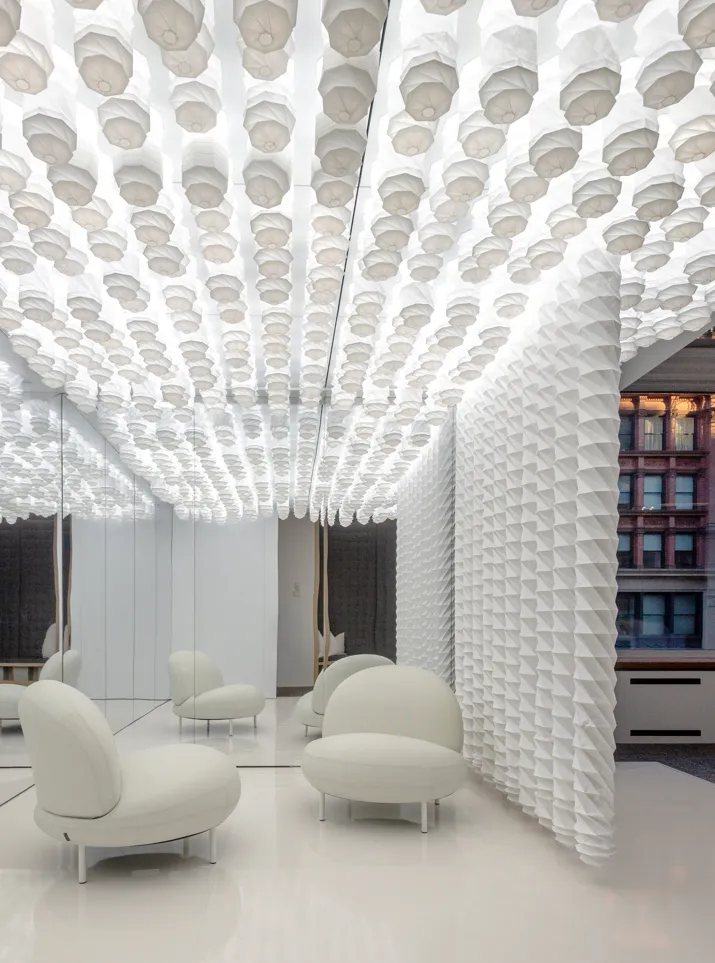
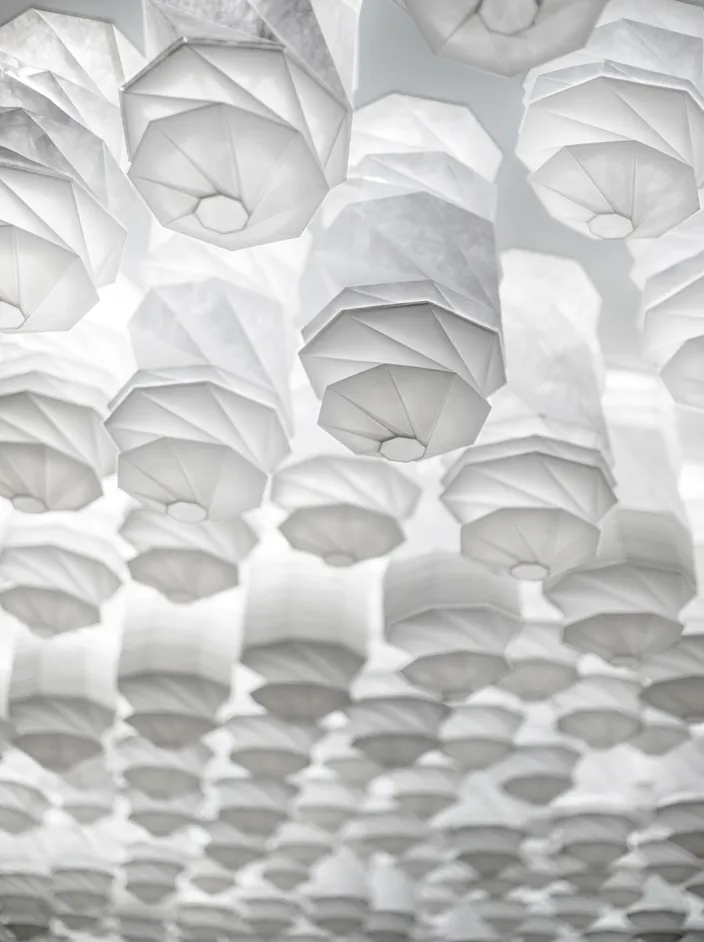
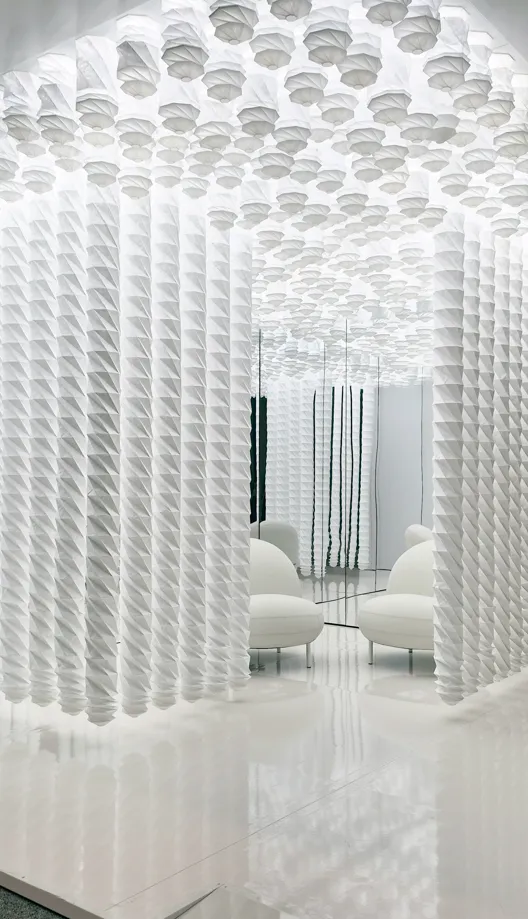
Nimbus Adaptive Architectural System: Nimbus redefines space division with kinetic, modular fabric pillars suspended from the ceiling. Replacing fixed partitions with soft, movable elements, Nimbus creates fluid environments that can shift between open and enclosed zones. The pillars—constructed from high-density polyethylene fibres—offer durability, acoustic control, and subtle translucency. Integrated diffuse lighting, including circadian modes, enhances focus and well-being. Drawing inspiration from biomorphic forms, origami, and Japanese paper lanterns, Nimbus delivers an immersive, human-centred experience that combines flexibility, comfort, and aesthetic sophistication.
Image courtesy of: Eugene Krasnaok
Image courtesy of: Eugene Krasnaok
Image courtesy of: Eugene Krasnaok
“Design is most impactful when it responds to people—their needs, their habits, and their desire for meaningful connection . It has the power to shape the quality of life for occupants, prioritizing wellness, sustainability, and a sense of agency in their environment. Our collaboration with Teknion on Advanced Concepts 2.0 allowed us to push boundaries, creating concepts for adaptable environments that empower individuals in the workplace and reflect the evolving culture of work.” Heather Dubbeldam, Principal of Dubbeldam Architecture + Design
Experience the Future of Work
Design professionals and businesses interested in seeing these innovations firsthand can visit the exhibition. Advanced Concepts 2.0 will be on display at the Teknion Toronto Showroom, located at 120 Bremner Blvd, Toronto, ON M5J 0A1, running from March to May 2026.
Teknion creates furniture that empowers people through design. Dedicated to innovative and sustainable design, Teknion provides a diverse portfolio of office furnishings, seating, ergonomic accessories and architectural products. The company’s versatile and integrated furniture collections support workplace wellness, responding to essential human needs and behaviours. Clients are served through a worldwide network of facilities, showrooms and authorized dealers.
Dubbeldam Architecture + Design is a multidisciplinary studio known for its forward-thinking approach, design research endeavours, and commitment to shaping sustainable environments. Along with over 100 design awards and wide recognition in national and international publications, Dubbeldam is the recipient of the Canada Council for the Arts Professional Prix de Rome and the 2024 Architectural Practice Award from the Royal Architectural Institute of Canada, two of the highest honours for architectural practices in Canada. The studio is acclaimed for its bold design vision, meticulous craftsmanship, and commitment to innovation, wellness, and environmental responsibility.
JOIN THE FORMA COMMUNITY
Stay Inpired.
Shape the Future.
Receive the latest updates on architecture, design, and sustainability, along with news of upcoming competitions, events, and exclusive stories, delivered directly to your inbox.
Great design bridges past and future,
creating spaces that evolve with us.
At Forma The Magazine, we believe architecture and design have the power to elevate lives, restore places, and inspire generations.
We invite you to join our community of thinkers, creators, and dreamers shaping the future of design.
Then there is Montréal—a city that, for twenty years, has chosen to "govern" itself. In June 2006, the Québec metropolis became the first city in North America and only the third in the world to join the UNESCO Creative Cities Network in the field of design. Two decades on, that designation has proven to be far more than a badge of honour. It has become the philosophical spine of an entire urban project.
Humans spent 99% of their evolutionary history adapting to the natural world. Today, we spend roughly 90% of our lives inside sealed, climate-controlled boxes. This massive shift has left us chronically stressed, fatigued, and disconnected.
Winner of the 2026 Award of Excellence in Architecture from the Quebec Association of Architects, the Aubé House is more than just a beautifully designed residence. It is a physical timeline—a space where a rich family history meets breathtaking modern design.
Just north of Toronto, perched on the edge of a wooded valley, sits Ravine House—a contemporary home that redefines what it means to live in harmony with nature. Rather than acting as a barrier against the outdoors or simply occupying a plot of land, this stunning residence acts as an immersive, beautiful mediator between comfortable domestic living and the natural landscape.
On May 29th, as the sun began to set over the historic brick facades of Old Town Toronto, the streets took on a new, electric energy. The King East Design District (KEDD) Neighbourhood Hop—the highly anticipated annual event presented by DesignTO in collaboration with the Old Town Toronto BIA—was officially underway. For a few magic hours, the neighbourhood morphed into a sprawling, interactive playground for creativity and innovation.
In the heart of Quebec’s rugged Laurentians region, a new kind of home has taken flight. Located in the quiet community of La Conception, The Albatross is not just a house; it is a masterclass in modern residential design. Image courtesy of: Stéphane Groleau Created by the teams at MU Architecture in close collaboration with architect Anik Patry, this extraordinary home was built around a beautiful, simple idea: to place a modern family at the very center of a spectacular nat
Great architecture does more than simply house people; it shapes how they learn, create, and connect with the world around them. Université du Québec à Montréal (UQAM) has long understood this, and the architectural community agrees. Recently, UQAM’s iconic pavillon de Design was awarded the Royal Architectural Institute of Canada’s (RAIC) Prix du XXe siècle, a prestigious honour that recognizes the most outstanding and enduring architectural achievements of the last century.
Medical laboratories are often defined entirely by their complex, technical needs, leaving little room for architectural beauty. However, the new Montérégie Central Laboratory in Quebec completely rewrites that rule. Designed by the architectural firms NFOE and Archi–, this cutting-edge facility proves that high-tech infrastructure can be surprisingly elegant.