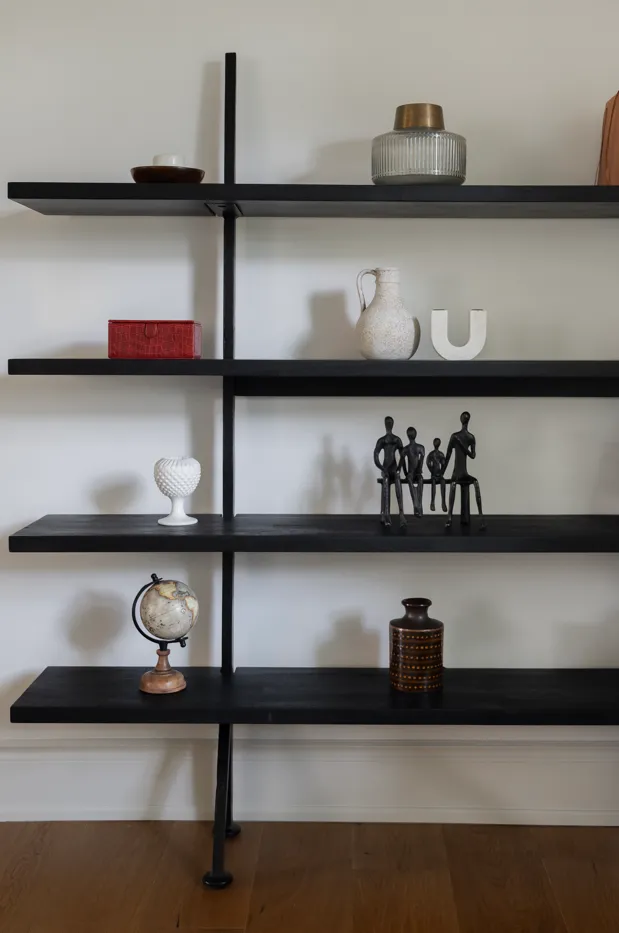
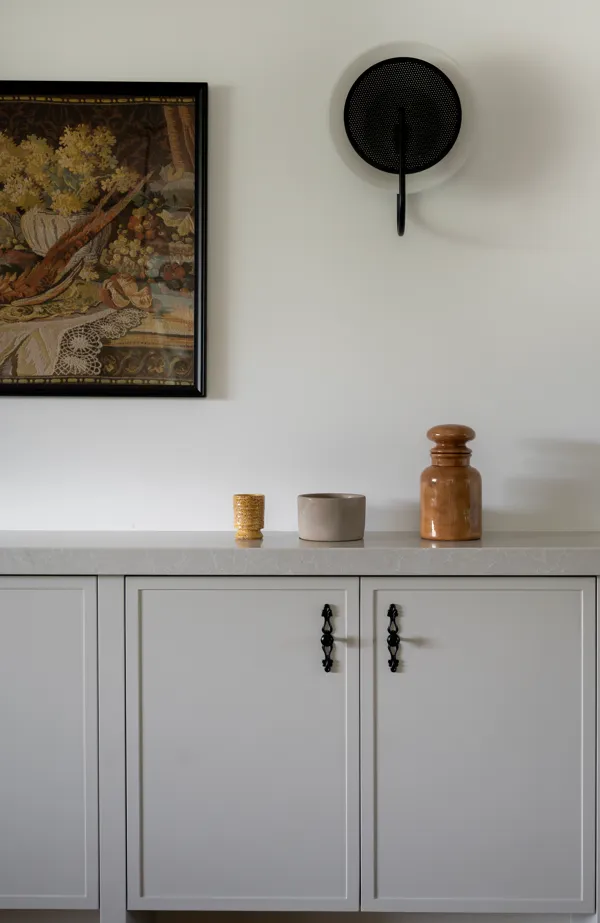
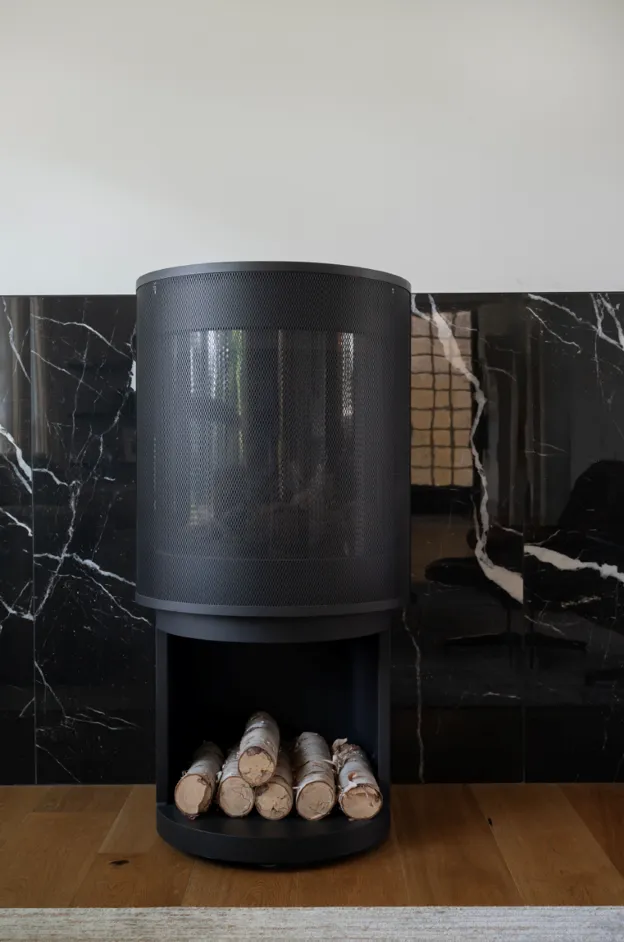
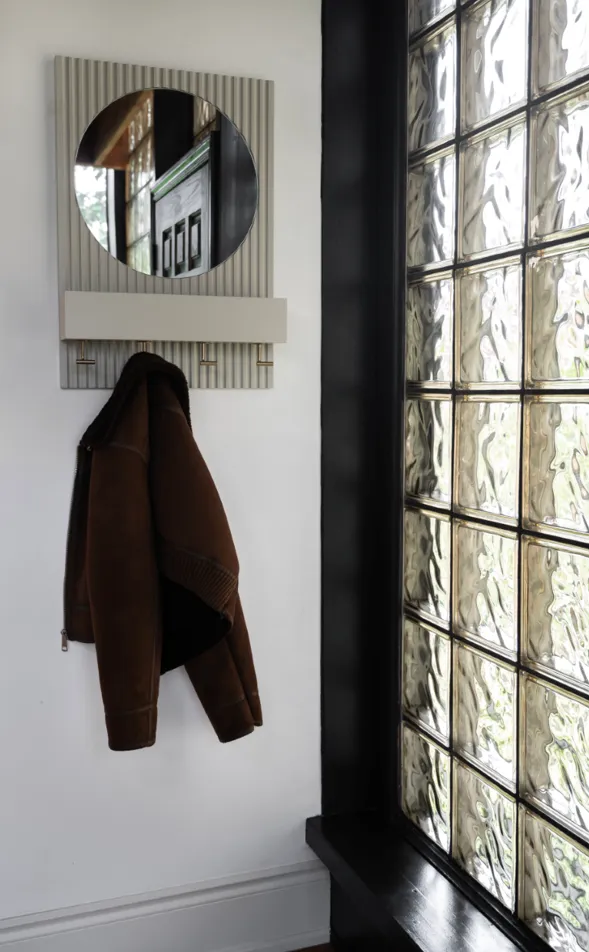
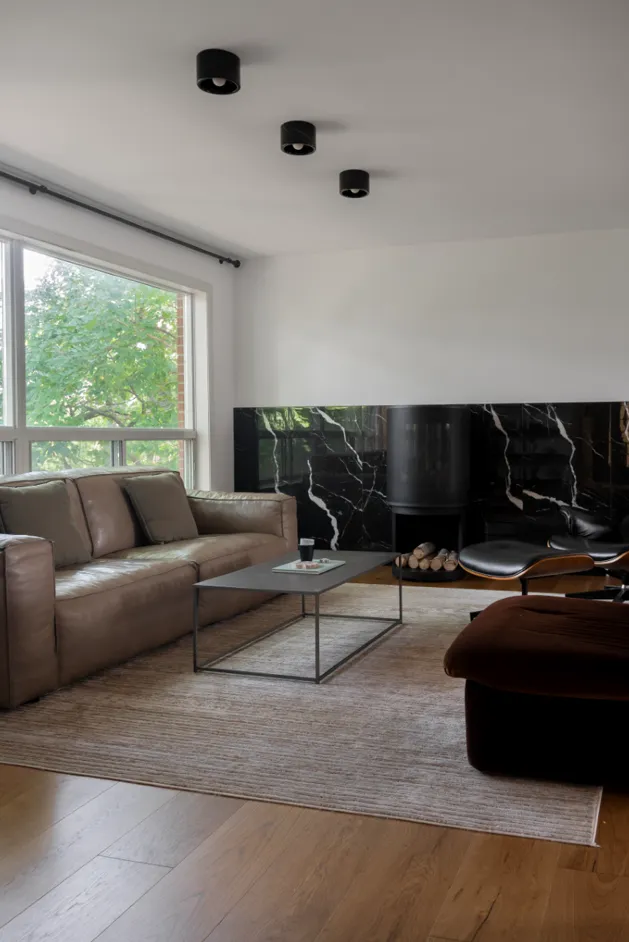
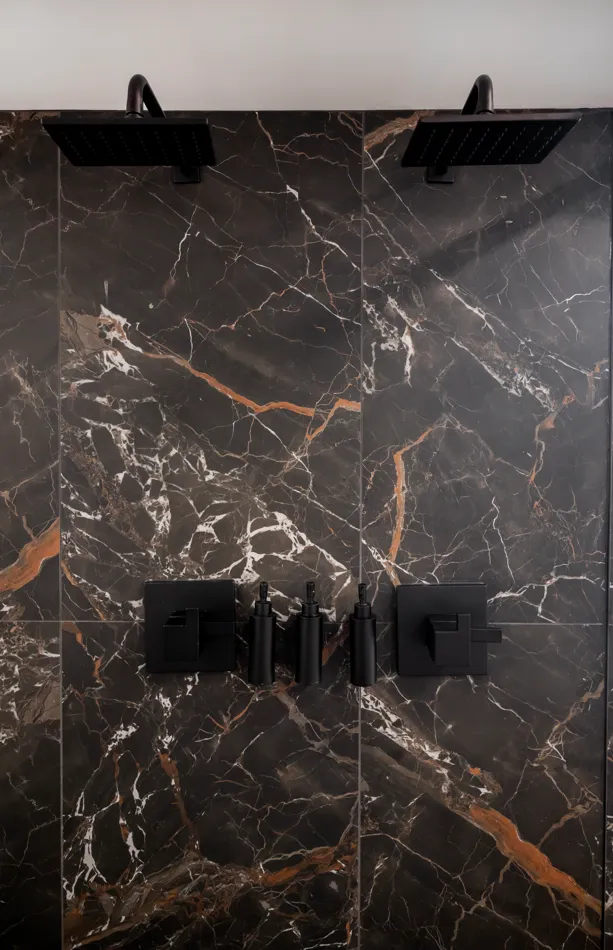
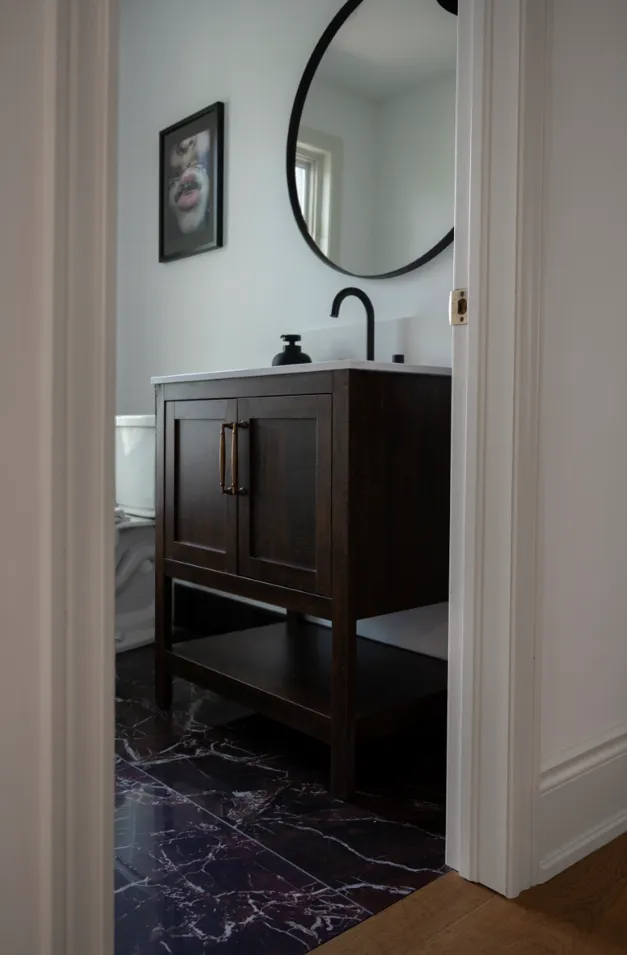
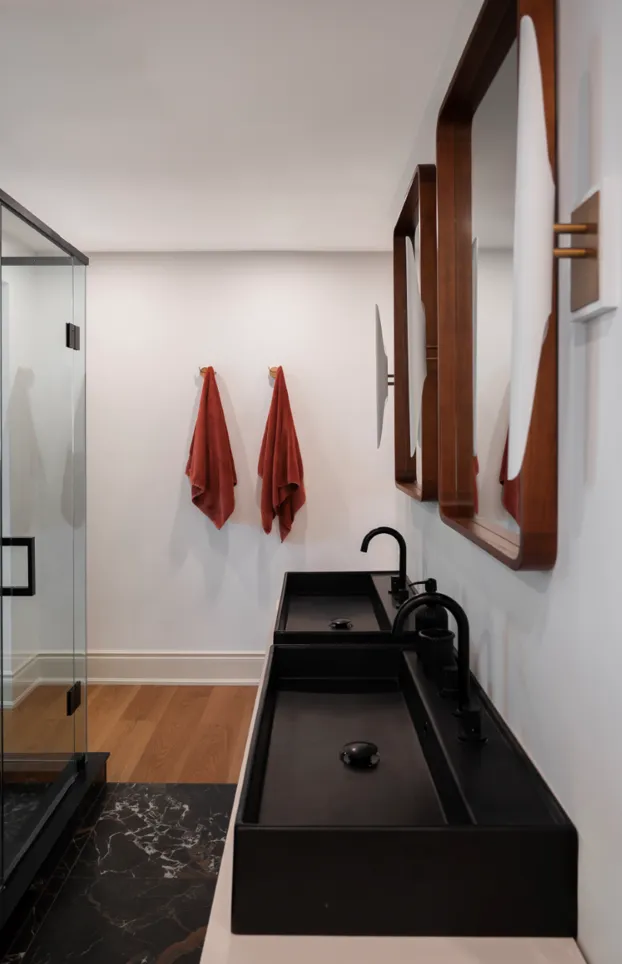
This wasn't merely a cosmetic update; it was a comprehensive "back-to-the-studs" reimagining designed to honour the home’s unique curved silhouette while drastically improving its daily functionality.
Located in the heart of Toronto, the St. Olaves Rd. The project represents a seamless marriage between mid-century architectural charm and 21st-century infrastructure.
Foundation & Function
The renovation began with a complete overhaul of the home’s "unseen" systems. To ensure the property would perform as well as it looks, the team installed entirely new HVAC systems, rerouted the plumbing, and upgraded the electrical grid. By modernizing the core infrastructure, the home was transformed from a vintage structure into a high-performance modern residence.
Image courtesy of: Ash Adams
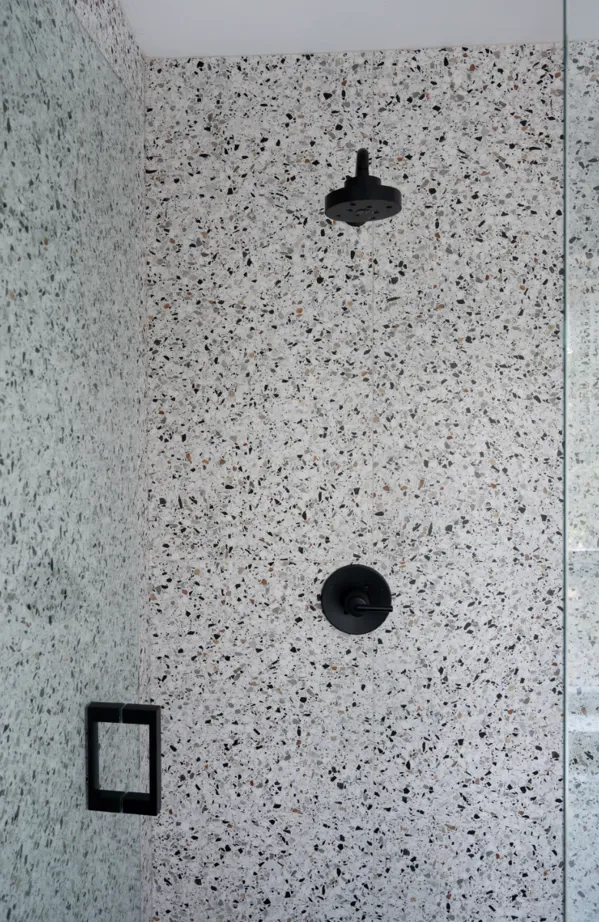
Image courtesy of: Ash Adams
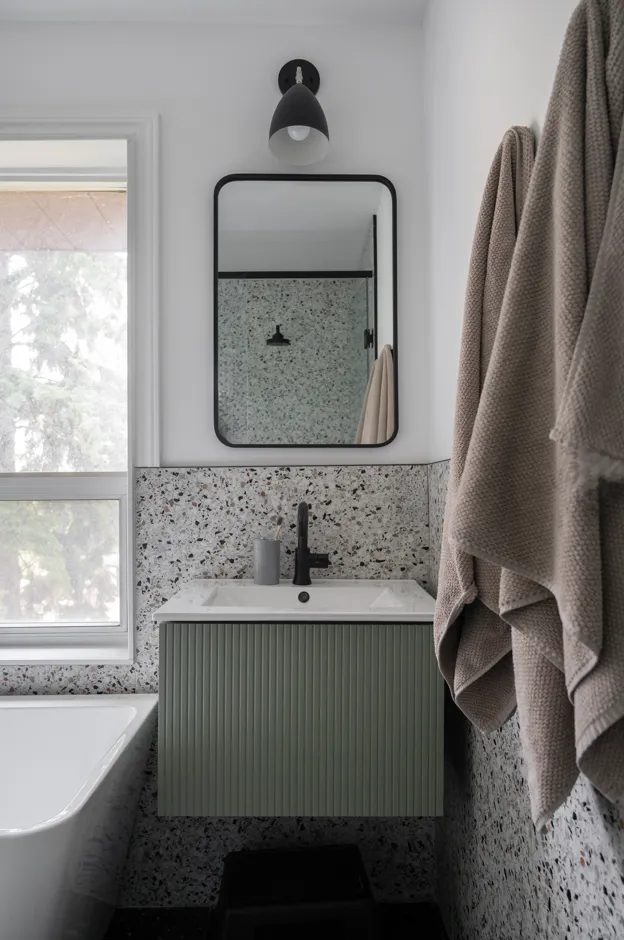
Image courtesy of: Ash Adams
A Main Level Reimagined
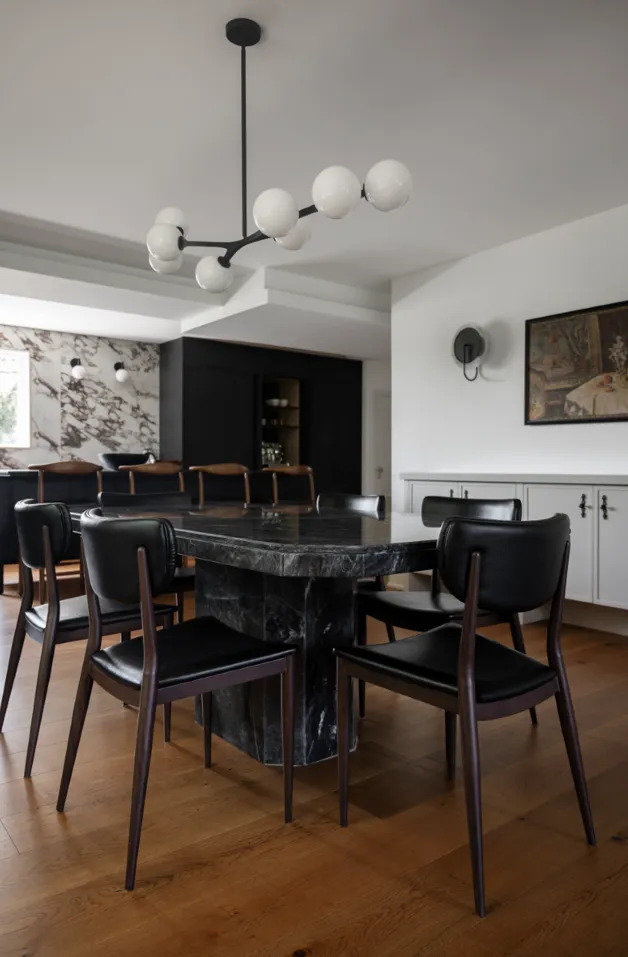
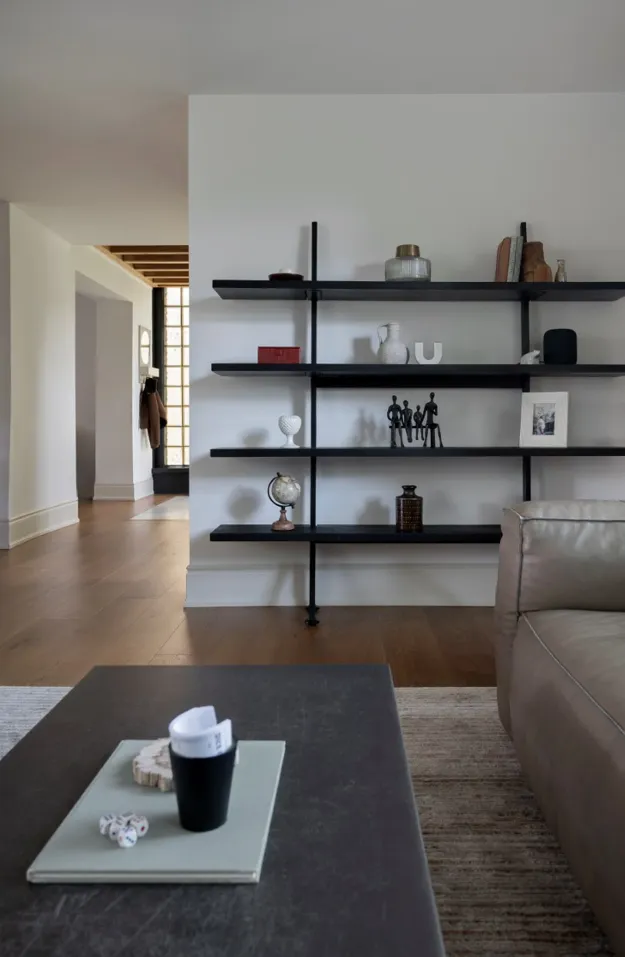
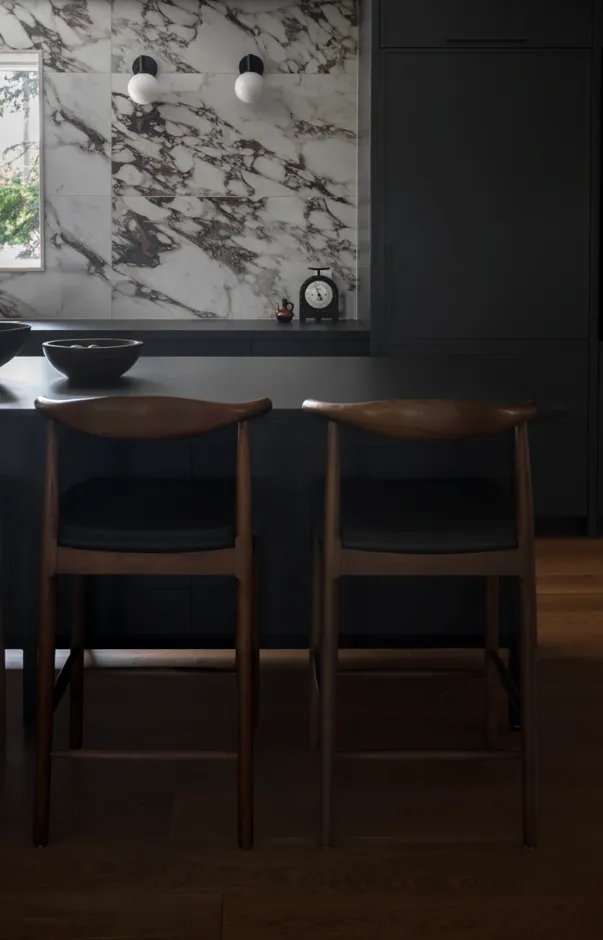
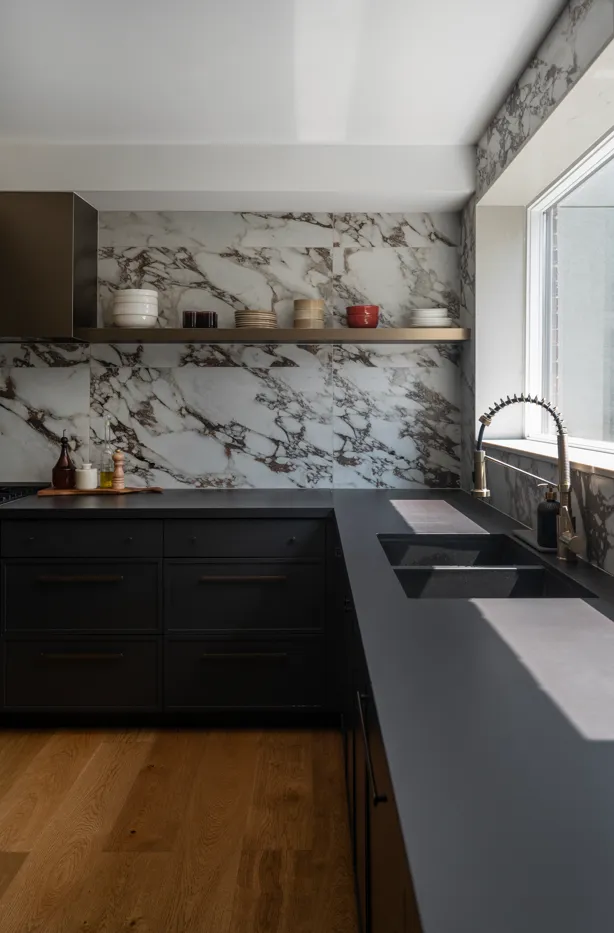
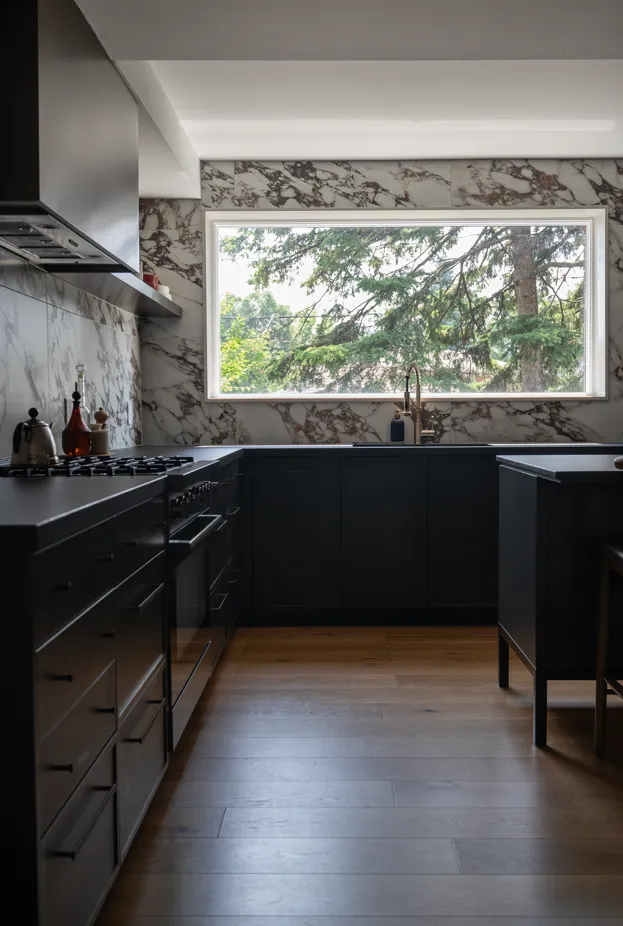
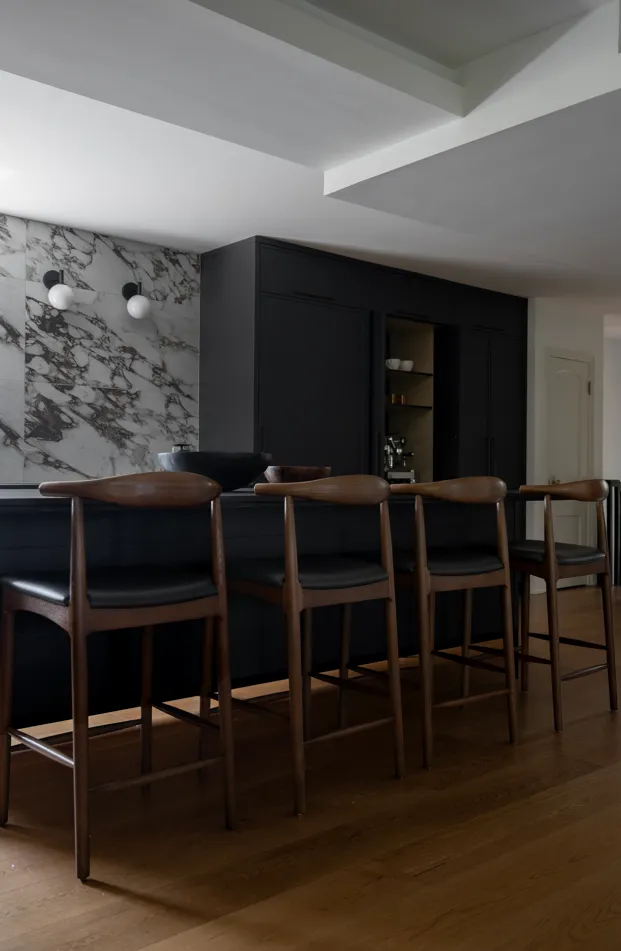
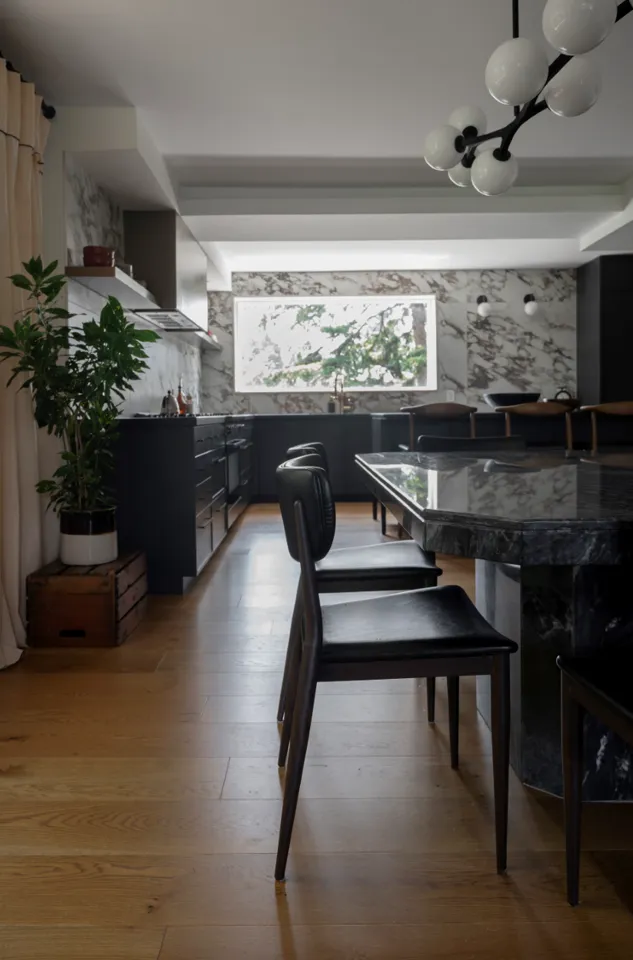
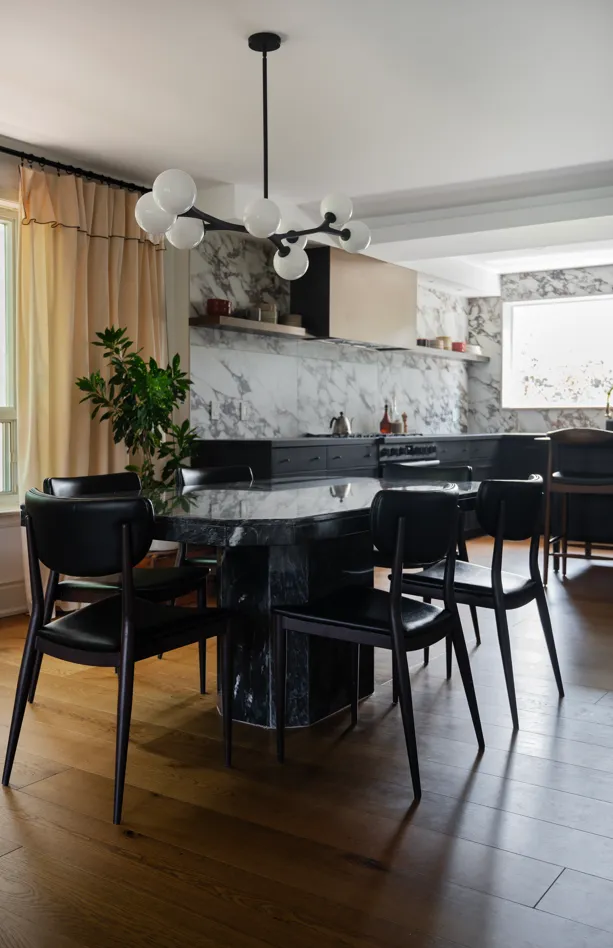
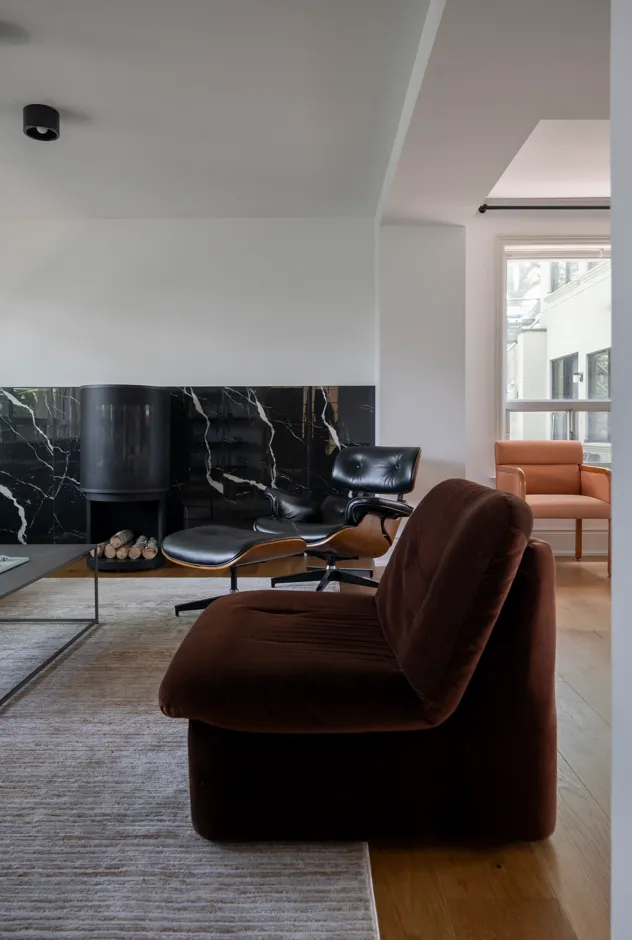
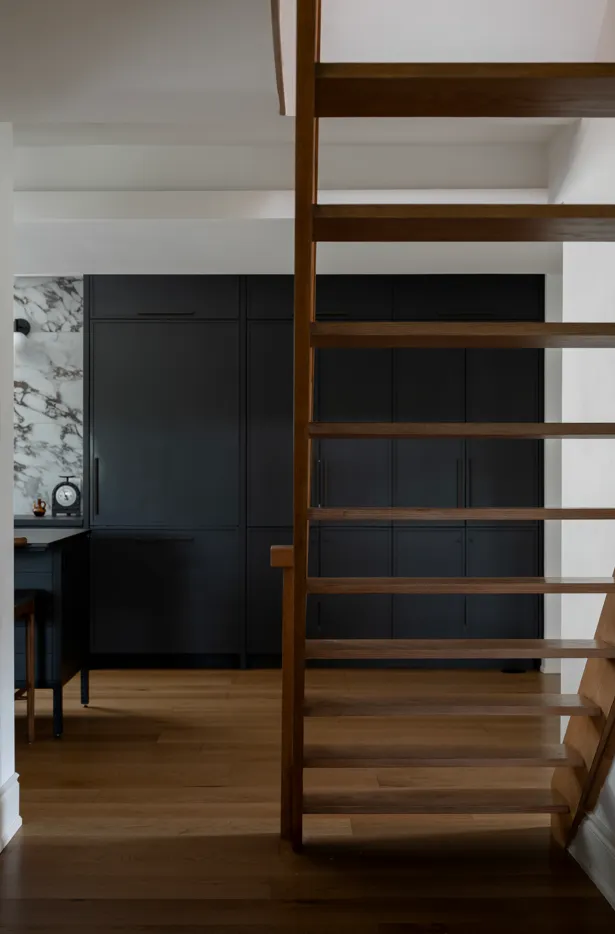
The original layout featured a small, isolated kitchen that hindered the flow of the home. By integrating a structural beam, the team was able to open up the main level, creating a spacious, light-filled environment.
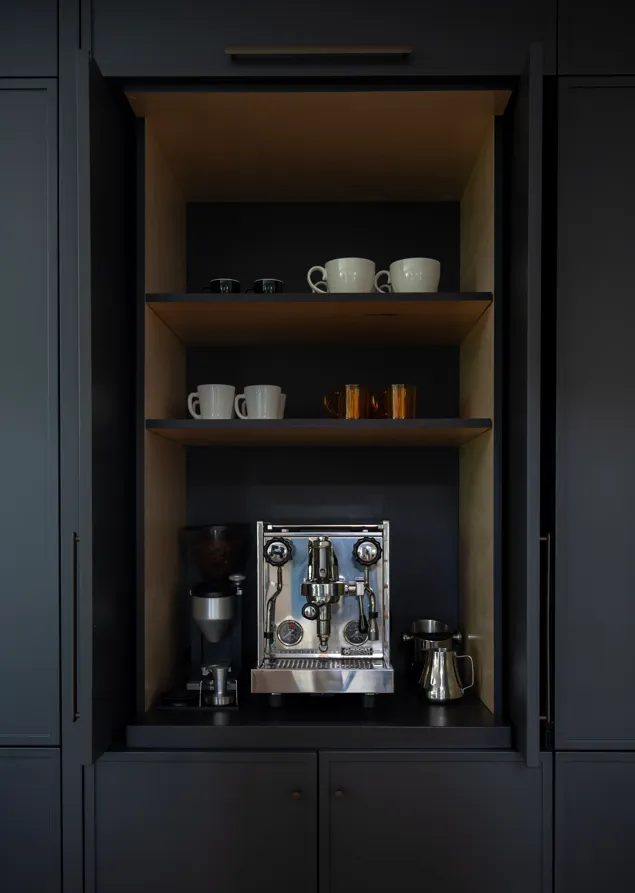
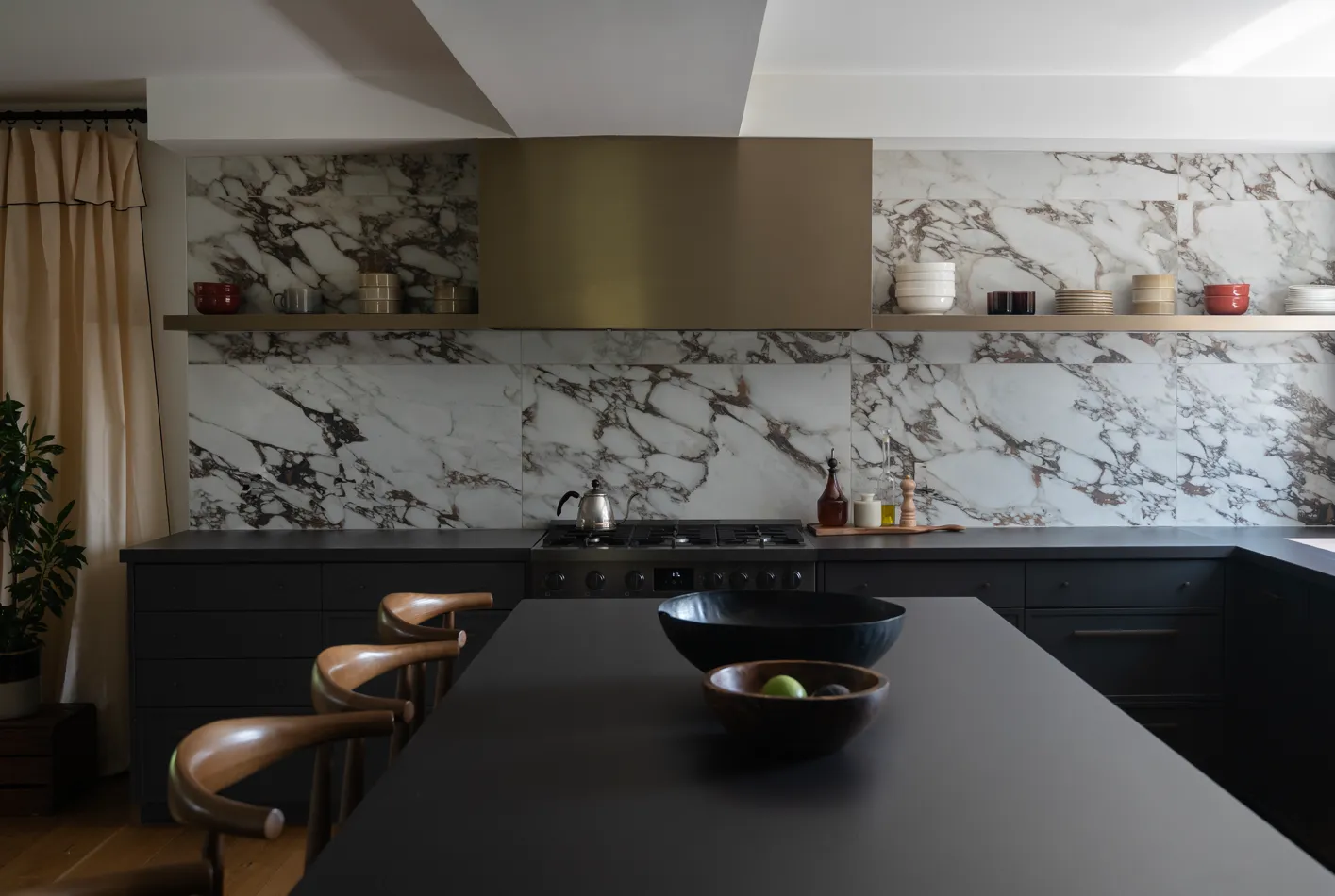
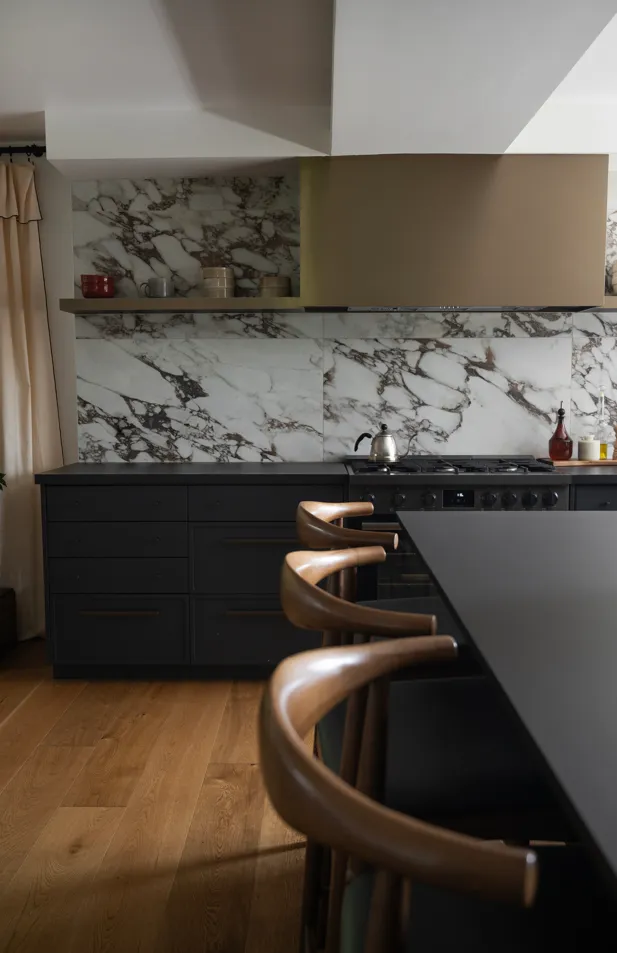
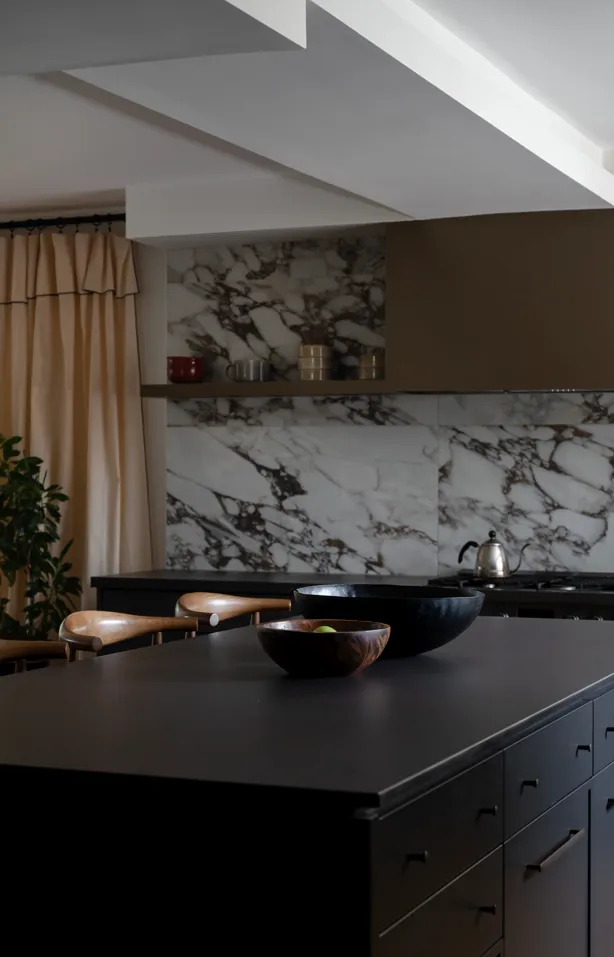
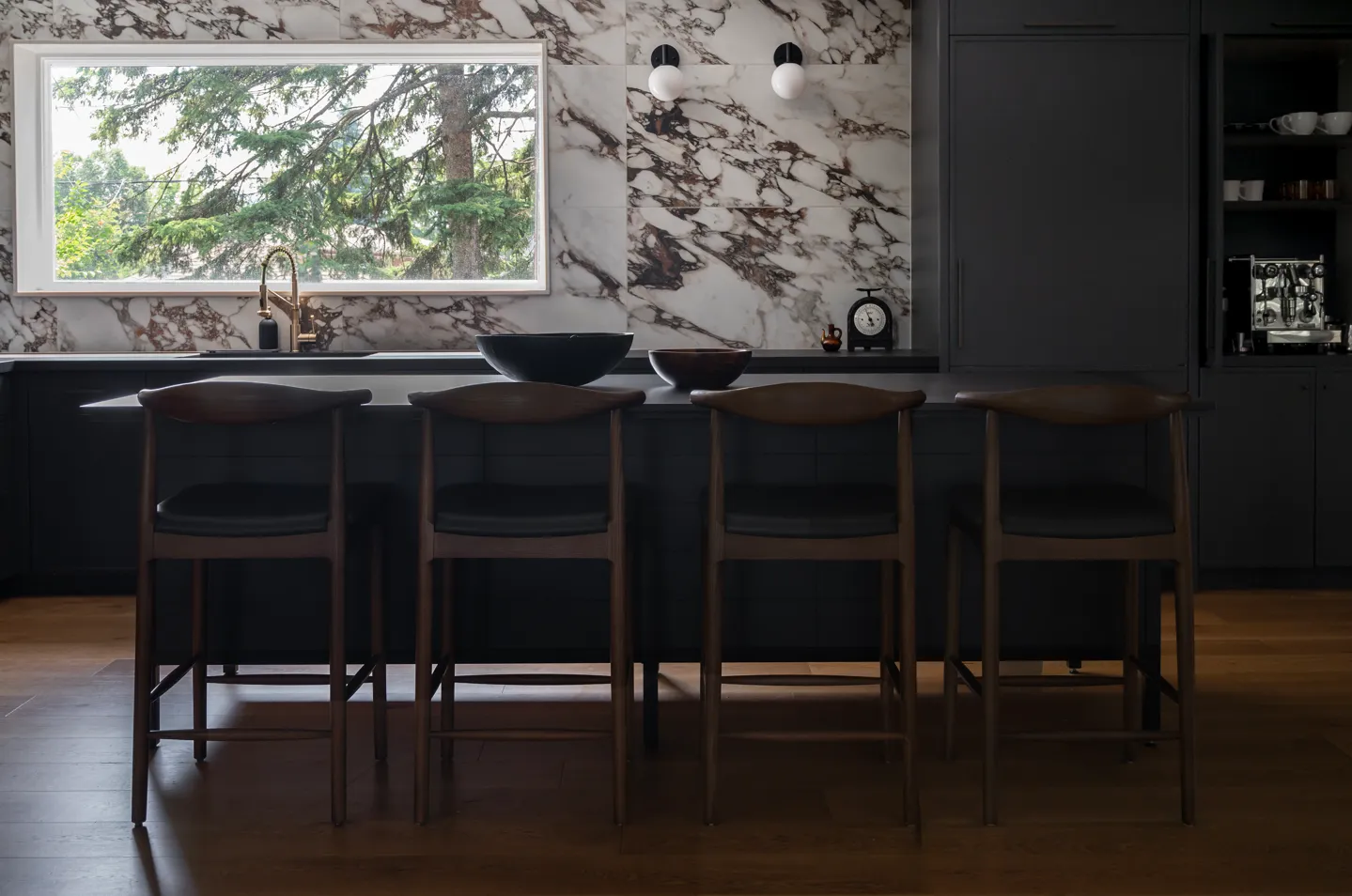
The new kitchen serves as the home's anchor, featuring:
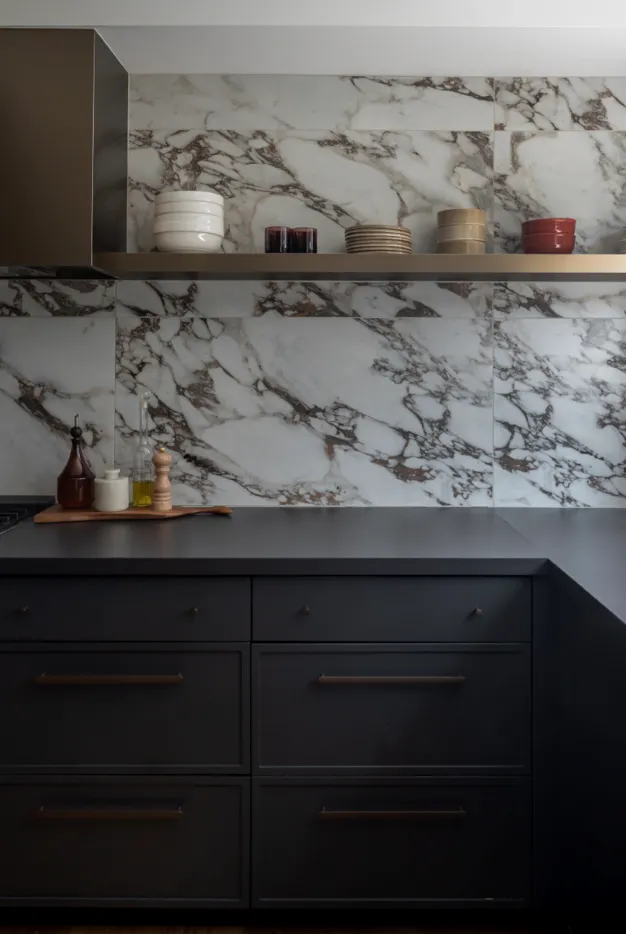
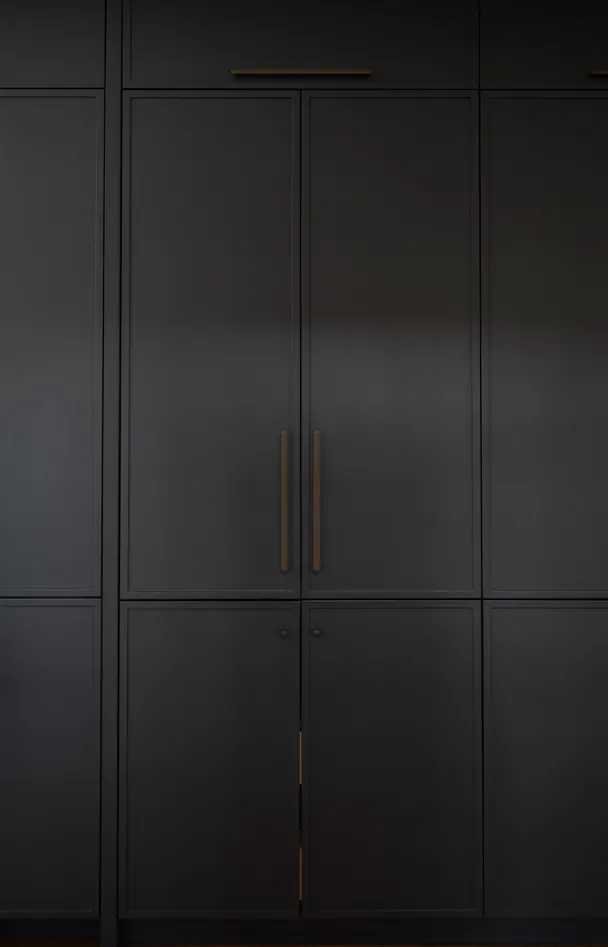
High-Contrast Finishes: Dark cabinetry paired with a dramatic, full-height marble backsplash.
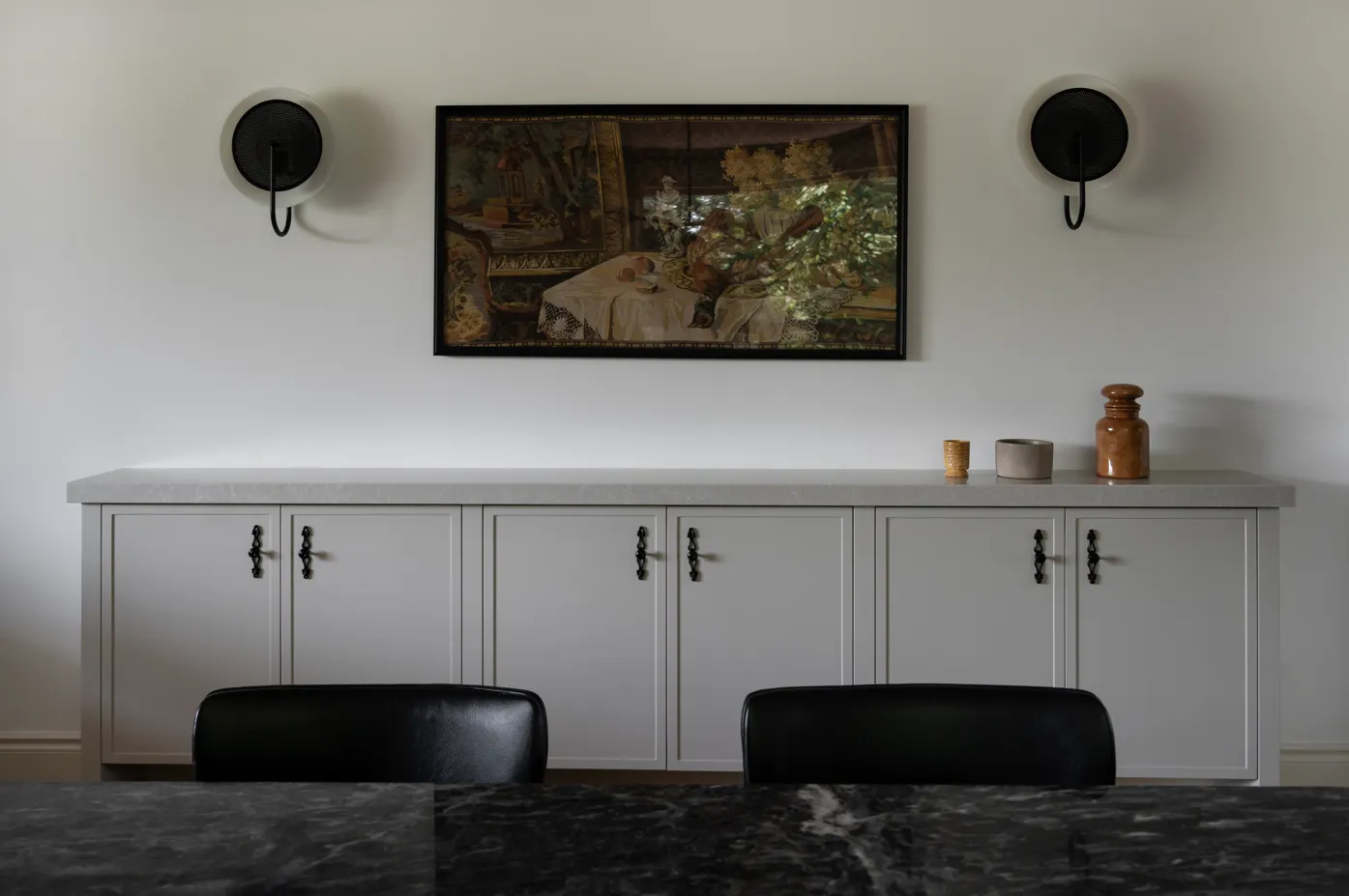
Architectural Lighting: Modern fixtures that bridge the gap between the sleek kitchen and the textured dining area.
Open Concept Living: A layout that encourages movement, perfect for both family life and entertaining.
Image courtesy of: Ash Adams
Image courtesy of: Ash Adams
Image courtesy of: Ash Adams
Design Led by the Curve
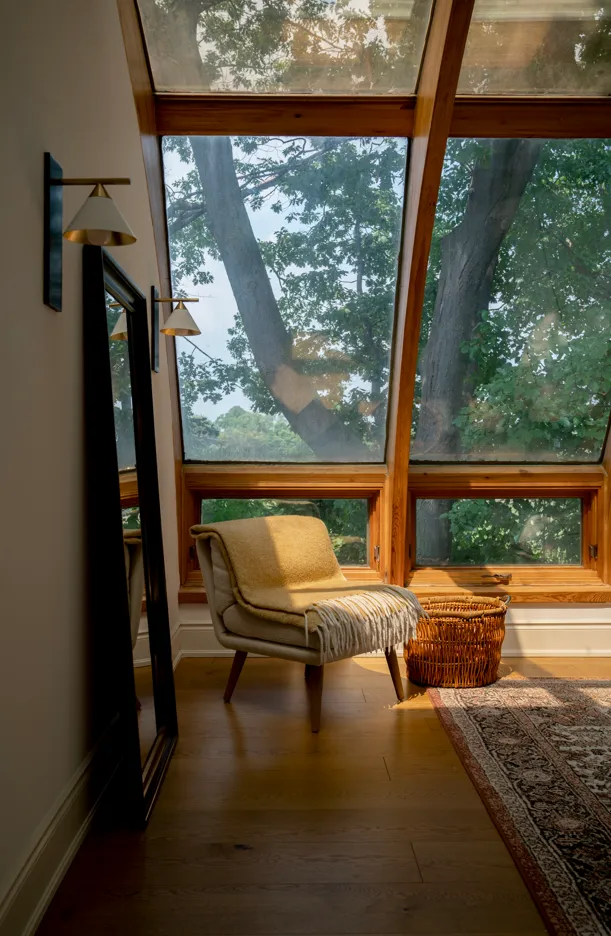
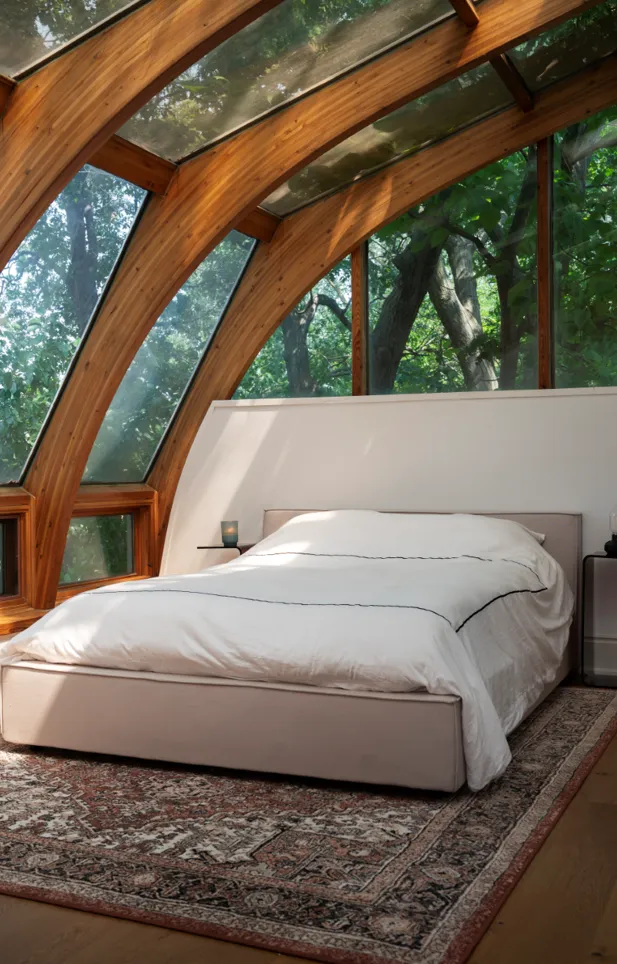
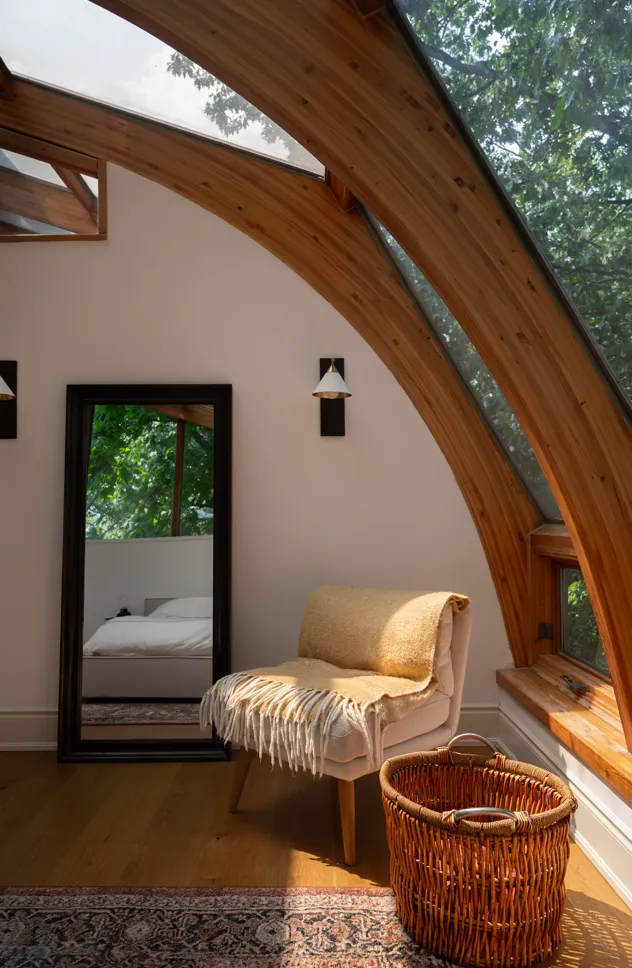
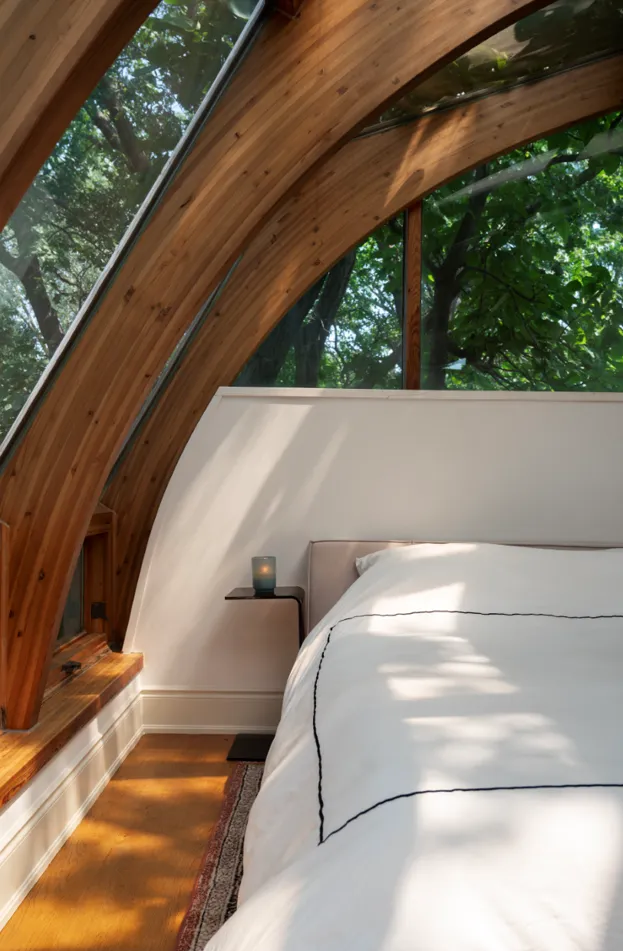
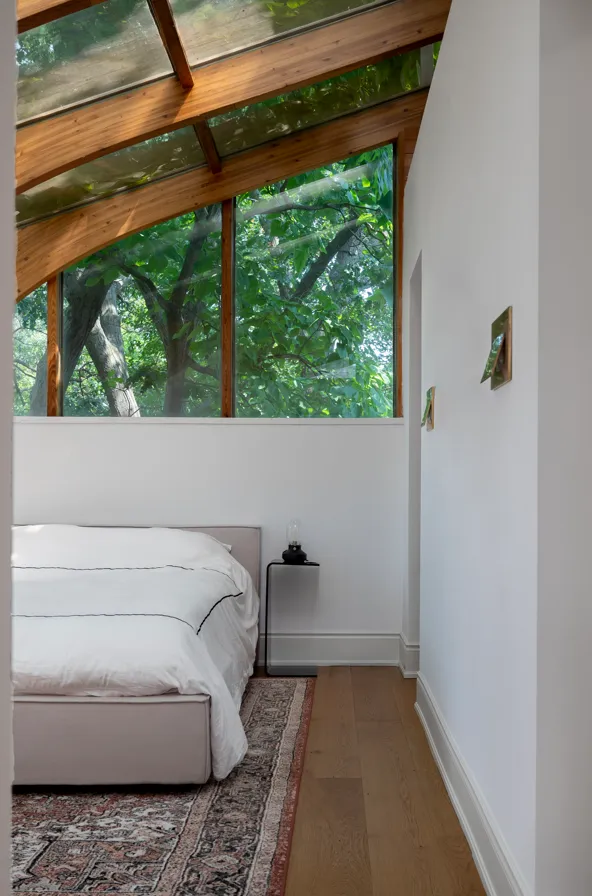
The true soul of the house resides on the second floor, defined by striking sunroom arches. Every finish chosen for the upper level was selected to complement these existing curves.
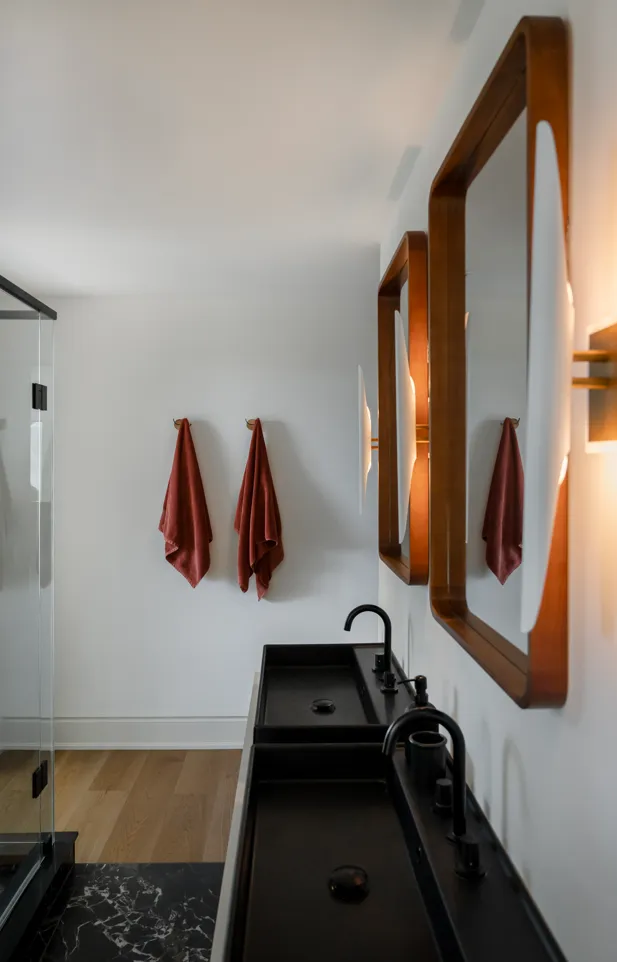
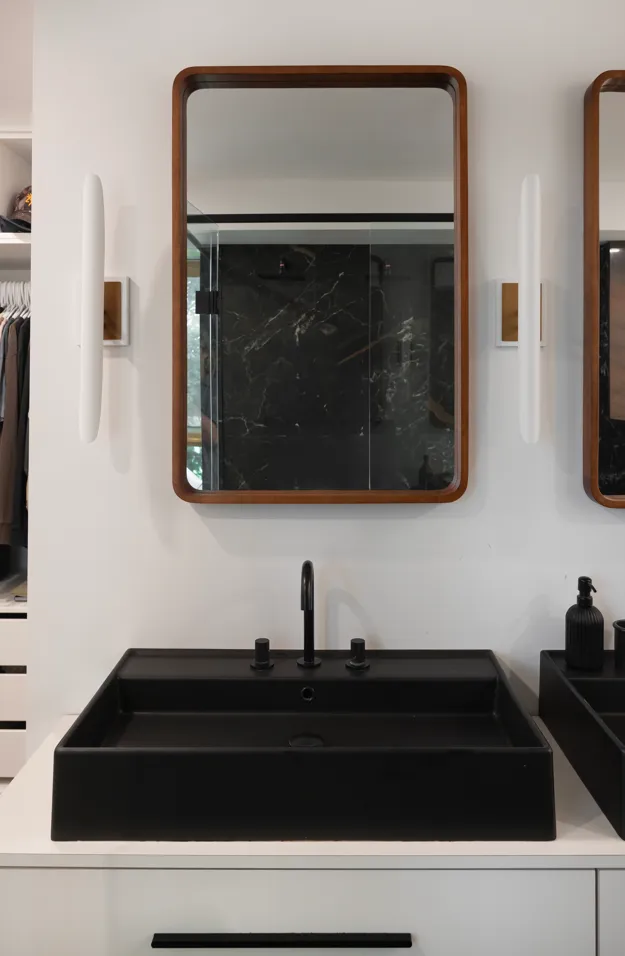
The principal bedroom and ensuite were strategically placed directly beneath these wooden arches, allowing the architecture to serve as the primary design element. This space offers a sanctuary-like feel, where the natural wood grain of the ceiling meets minimalist, modern furnishings.
Image courtesy of: Ash Adams
Image courtesy of: Ash Adams
Image courtesy of: Ash Adams
Designed for Family Living
Recognizing the needs of a modern family, the renovation also prioritized practical luxury. The team added:
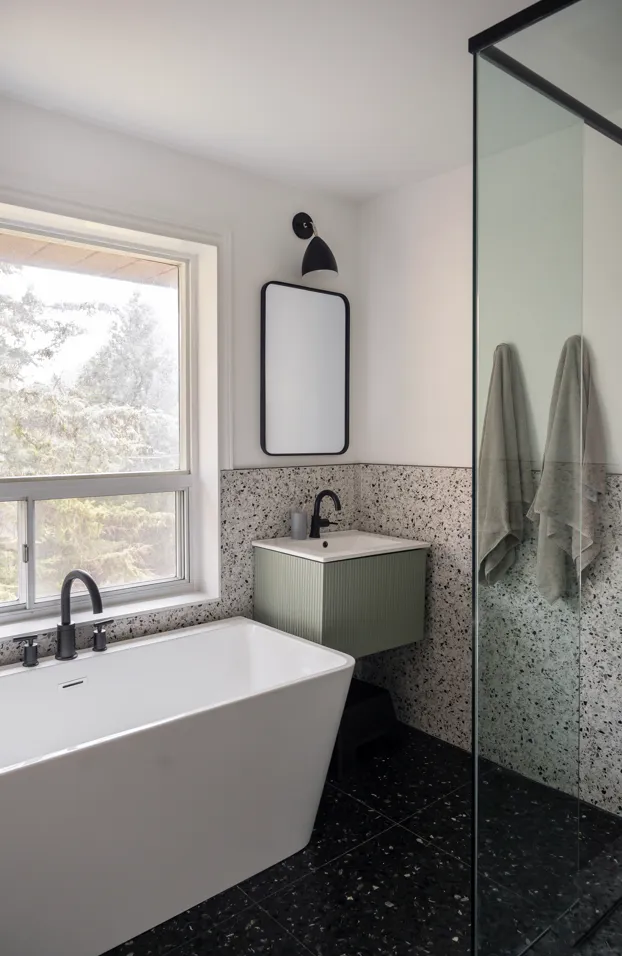
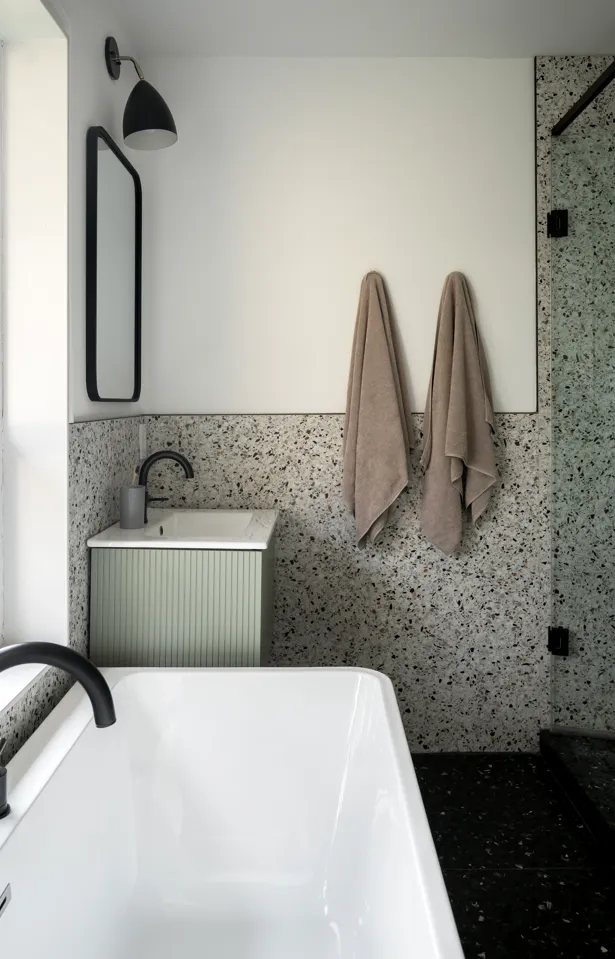
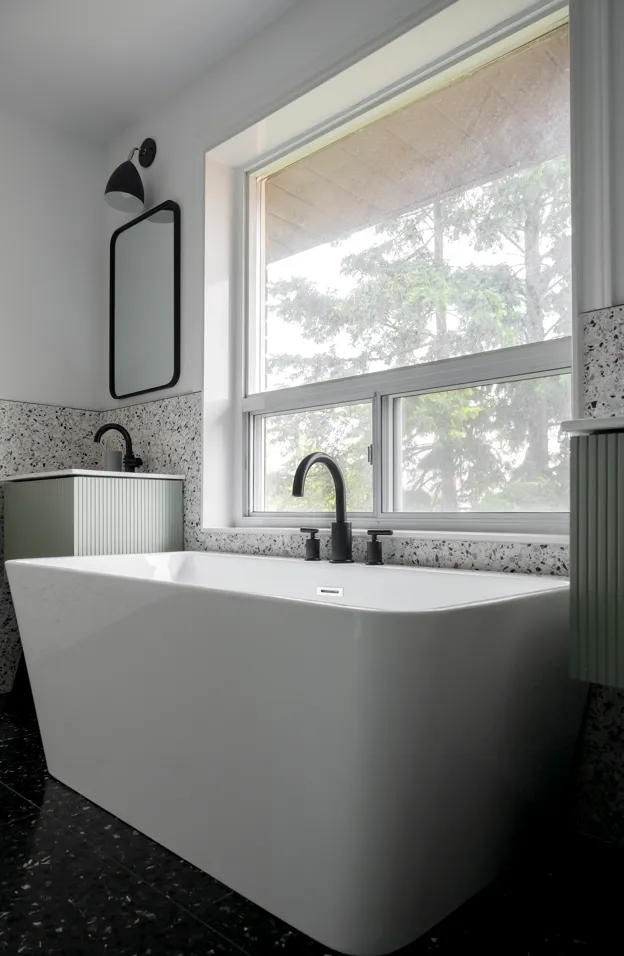
A Shared Kids’ Bathroom: Combining playful terrazzo textures with sophisticated black hardware.
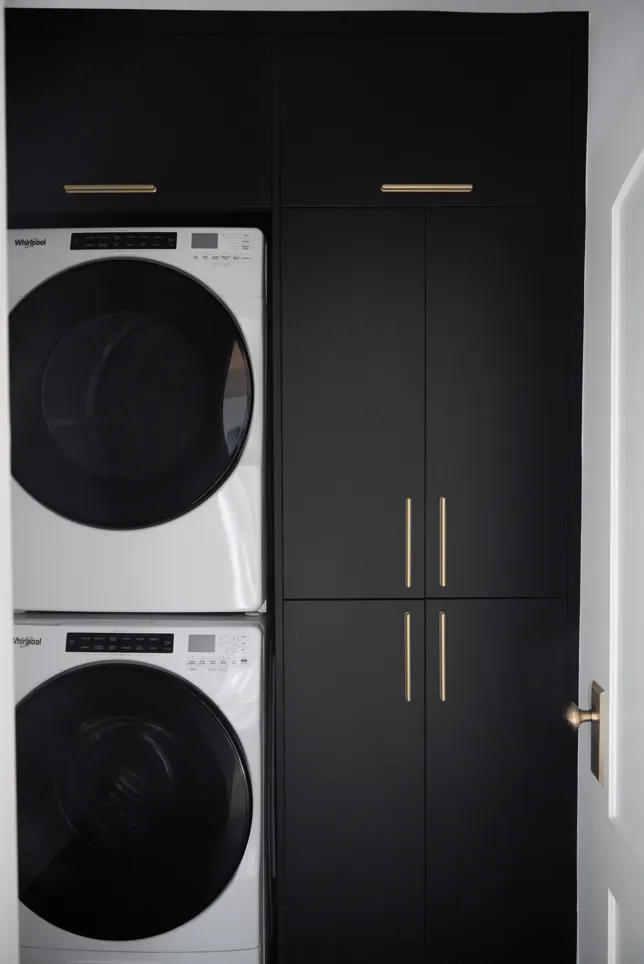
Second-Floor Laundry: A strategic addition that brings high-utility tasks closer to where life actually happens.
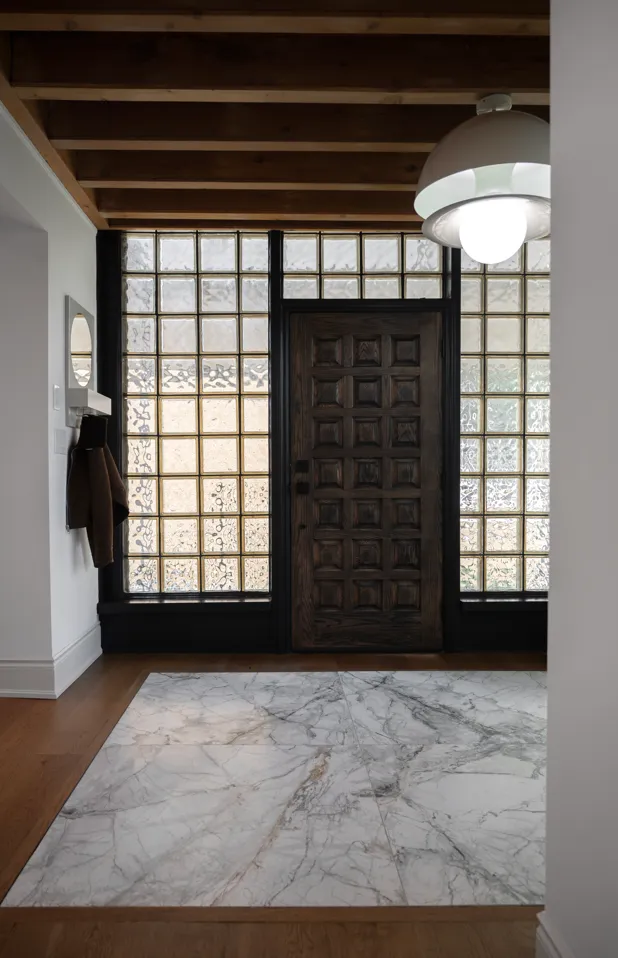
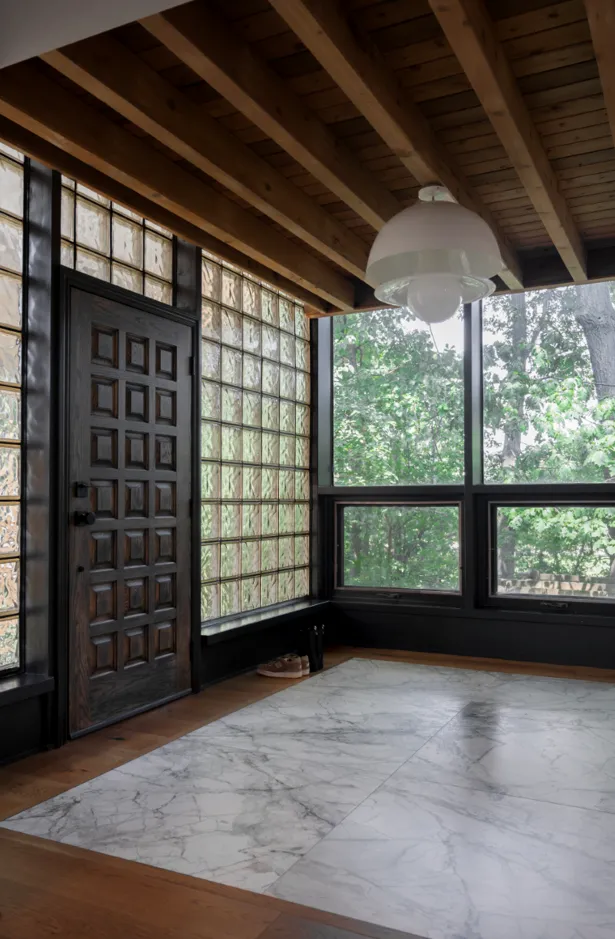
Texture & Light: The use of glass block walls and ribbed vanities ensures that even the most functional spaces feel intentional and curated.
The St. Olaves Rd. project stands as a testament to the power of thoughtful renovation—proving that a home can be stripped to its core and rebuilt to be more efficient, without ever losing its original spirit.
Parade Design Studio is a premier, full-service interior design firm based in Toronto and the GTA, dedicated to transforming residential spaces through a blend of timeless aesthetics and practical, lifestyle-driven planning.
Guided by the philosophy that great design should transcend fleeting trends, Parade Design Studio creates cohesive environments that are as functional as they are beautiful. Their approach is anchored by meticulous space planning, ensuring that every renovation or new build begins with a solid foundation.
Parade Design Studio distinguishes itself through a commitment to collaboration and intention. By taking the time to understand a client's lifestyle, the firm delivers personalized spaces that reflect the owner's personality while maintaining architectural integrity. Whether it is a "monthly micro-decision" or a structural change, Parade acts as a leader, keeping projects organized, calm, and on track.
JOIN THE FORMA COMMUNITY
Stay Inpired.
Shape the Future.
Receive the latest updates on architecture, design, and sustainability, along with news of upcoming competitions, events, and exclusive stories, delivered directly to your inbox.
Great design bridges past and future,
creating spaces that evolve with us.
At Forma The Magazine, we believe architecture and design have the power to elevate lives, restore places, and inspire generations.
We invite you to join our community of thinkers, creators, and dreamers shaping the future of design.
Then there is Montréal—a city that, for twenty years, has chosen to "govern" itself. In June 2006, the Québec metropolis became the first city in North America and only the third in the world to join the UNESCO Creative Cities Network in the field of design. Two decades on, that designation has proven to be far more than a badge of honour. It has become the philosophical spine of an entire urban project.
Humans spent 99% of their evolutionary history adapting to the natural world. Today, we spend roughly 90% of our lives inside sealed, climate-controlled boxes. This massive shift has left us chronically stressed, fatigued, and disconnected.
Winner of the 2026 Award of Excellence in Architecture from the Quebec Association of Architects, the Aubé House is more than just a beautifully designed residence. It is a physical timeline—a space where a rich family history meets breathtaking modern design.
Just north of Toronto, perched on the edge of a wooded valley, sits Ravine House—a contemporary home that redefines what it means to live in harmony with nature. Rather than acting as a barrier against the outdoors or simply occupying a plot of land, this stunning residence acts as an immersive, beautiful mediator between comfortable domestic living and the natural landscape.
On May 29th, as the sun began to set over the historic brick facades of Old Town Toronto, the streets took on a new, electric energy. The King East Design District (KEDD) Neighbourhood Hop—the highly anticipated annual event presented by DesignTO in collaboration with the Old Town Toronto BIA—was officially underway. For a few magic hours, the neighbourhood morphed into a sprawling, interactive playground for creativity and innovation.
In the heart of Quebec’s rugged Laurentians region, a new kind of home has taken flight. Located in the quiet community of La Conception, The Albatross is not just a house; it is a masterclass in modern residential design. Image courtesy of: Stéphane Groleau Created by the teams at MU Architecture in close collaboration with architect Anik Patry, this extraordinary home was built around a beautiful, simple idea: to place a modern family at the very center of a spectacular nat
Great architecture does more than simply house people; it shapes how they learn, create, and connect with the world around them. Université du Québec à Montréal (UQAM) has long understood this, and the architectural community agrees. Recently, UQAM’s iconic pavillon de Design was awarded the Royal Architectural Institute of Canada’s (RAIC) Prix du XXe siècle, a prestigious honour that recognizes the most outstanding and enduring architectural achievements of the last century.
Medical laboratories are often defined entirely by their complex, technical needs, leaving little room for architectural beauty. However, the new Montérégie Central Laboratory in Quebec completely rewrites that rule. Designed by the architectural firms NFOE and Archi–, this cutting-edge facility proves that high-tech infrastructure can be surprisingly elegant.