


Preserving the Heart of the Hill: The Revitalization of Summit Lake Ski Lodge
- Apr 16
- 3 min read
Updated: Apr 29
Nestled just south of Nakusp in British Columbia’s interior, Summit Lake Ski Area is more than just a ski hill—it is a community cornerstone. Since the early 1960s, this volunteer-run mountain has provided affordable winter recreation and a gathering space for generations of families.
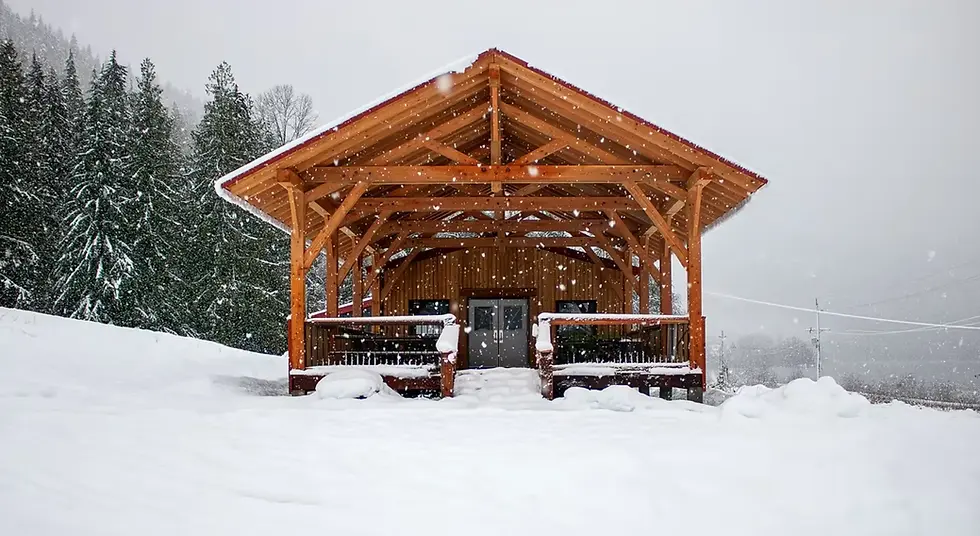
Today, a thoughtful architectural renewal led by TOWN Architecture Inc. is giving the beloved lodge a stronger, more resilient future, ensuring it remains the heart of the hill for decades to come.
A Legacy Built by Hand
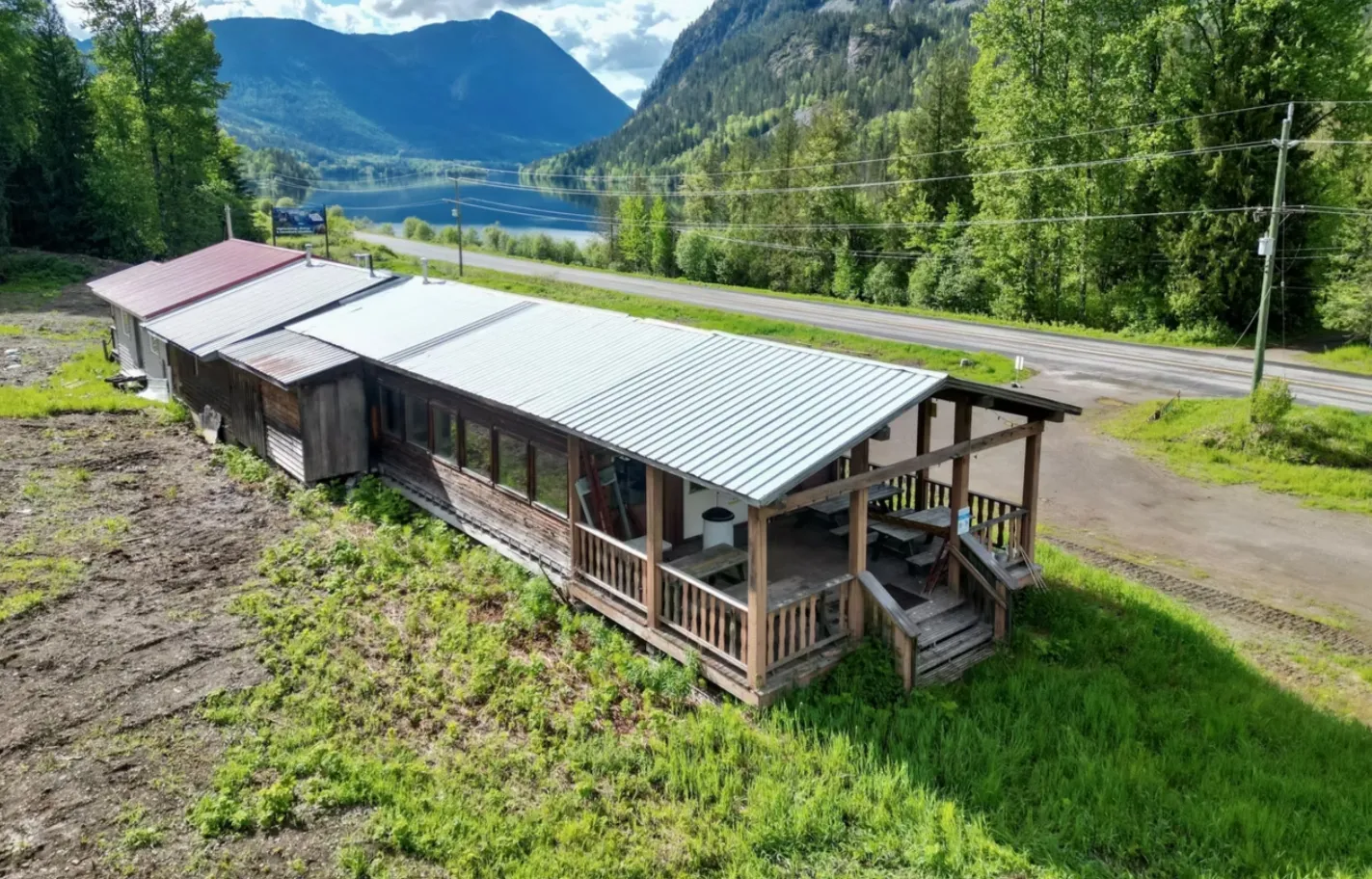
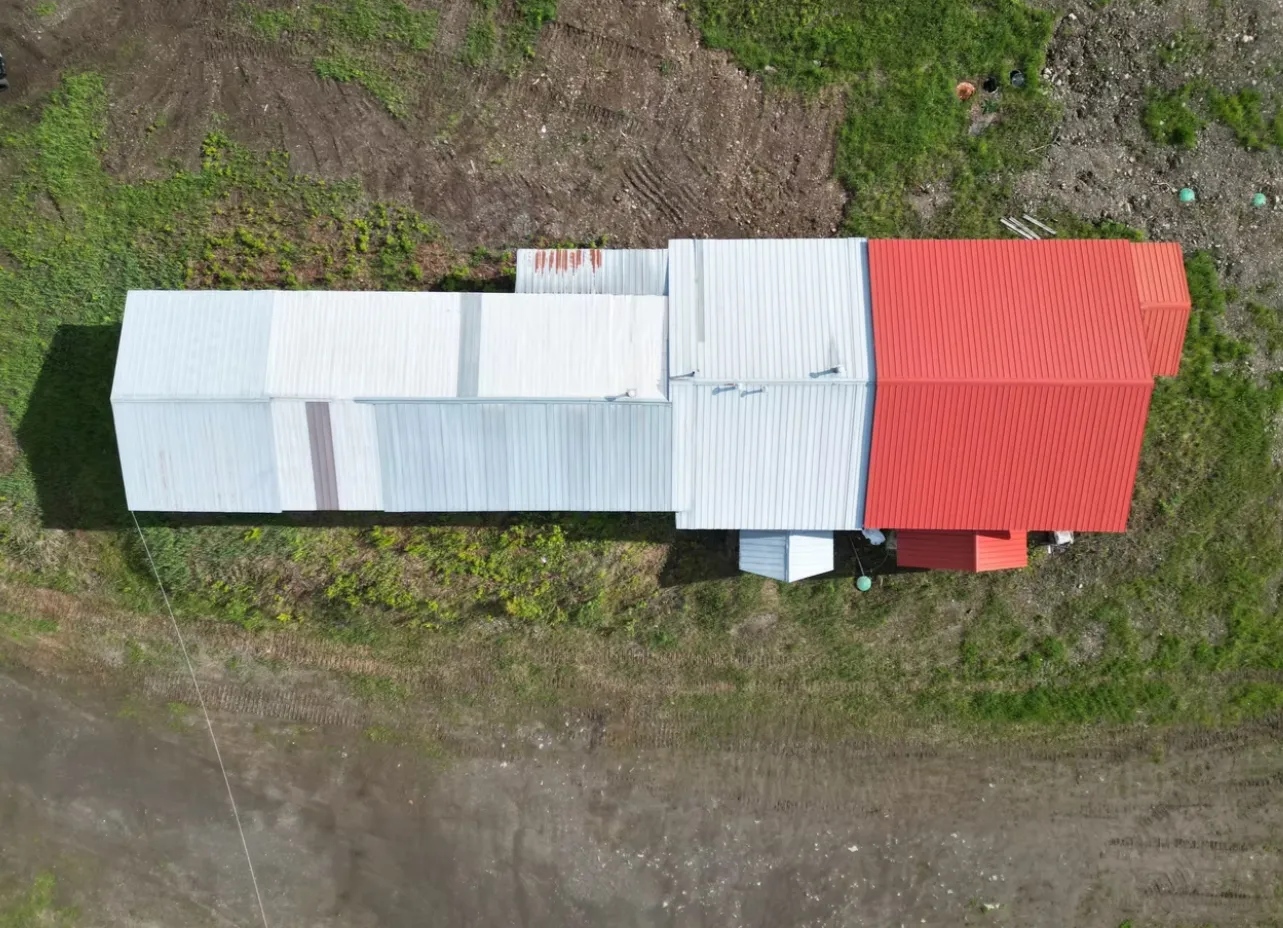
The site and the original lodge are deeply tied to the region's forestry and timber industry. Constructed by local volunteers and tradespeople who spent their days in the nearby mills, the lodge began as a simple structure in 1961. Over the years, it evolved through five distinct construction phases, each introducing its own materials, framing approaches, and floor levels.
While this piecemeal growth created a building rich in character, it also resulted in a structure that was increasingly complex to maintain—especially in a harsh climate where snow, moisture, and time inevitably leave their mark.
A Phased, Practical Approach
Because Summit Lake Lodge relies entirely on volunteer efforts, the renovation needed to be both practical and respectful of the society's budget. TOWN Architecture structured the renewal into three manageable phases, allowing the ski hill to remain open while construction progressed.
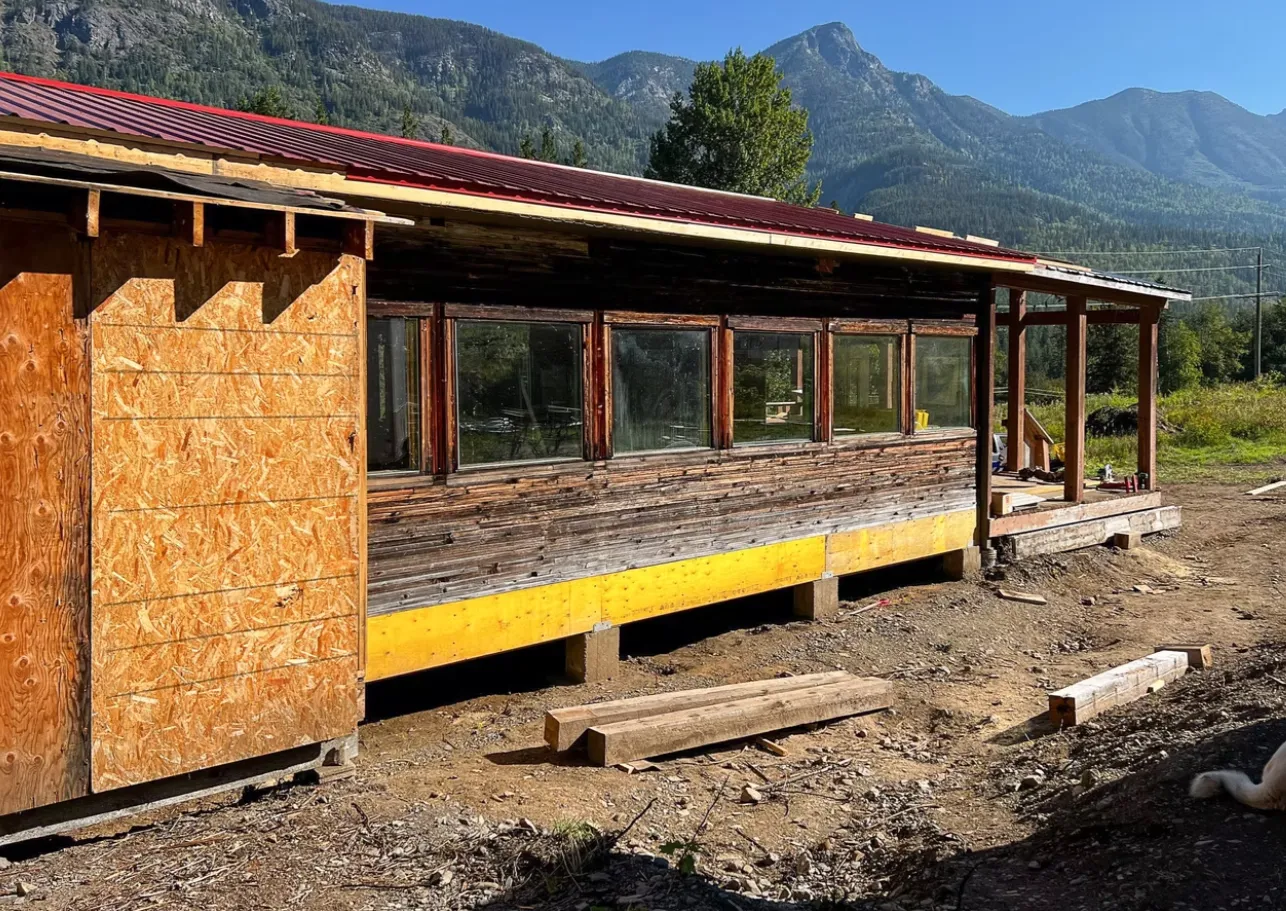
Phase One: Stabilization. The team began by tackling significant floor deterioration caused by decades of snow buildup. By stabilizing the structure, improving drainage, and repairing compromised framing, they ensured the lodge could safely support ongoing use.
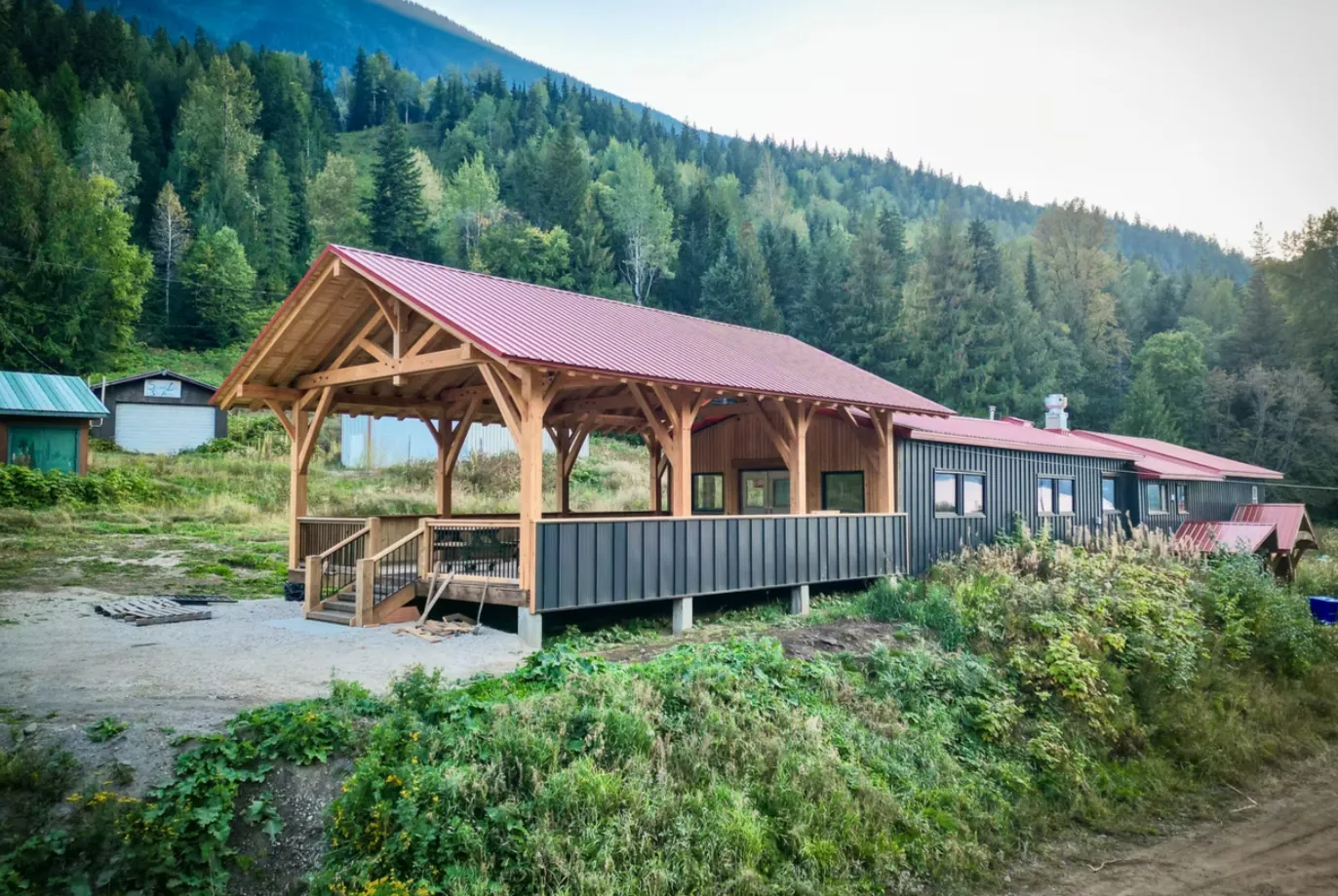
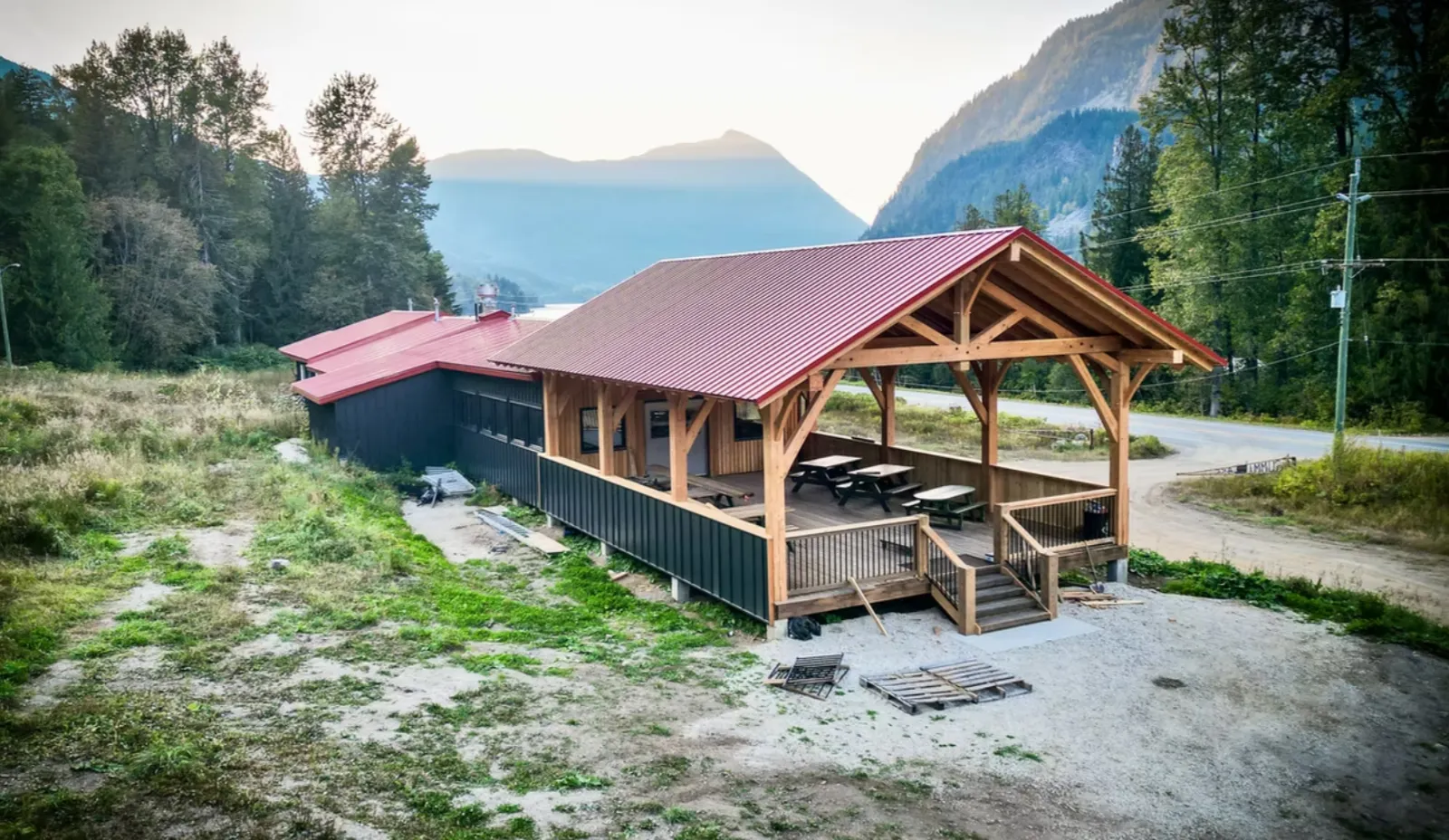
Phase Two: The Envelope. The design introduced continuous exterior insulation, a rainscreen system, updated windows, and new roofing. Inside, a previously compact kitchen was completely transformed into a commercial-grade space, ready to support community events, race days, and large seasonal gatherings.
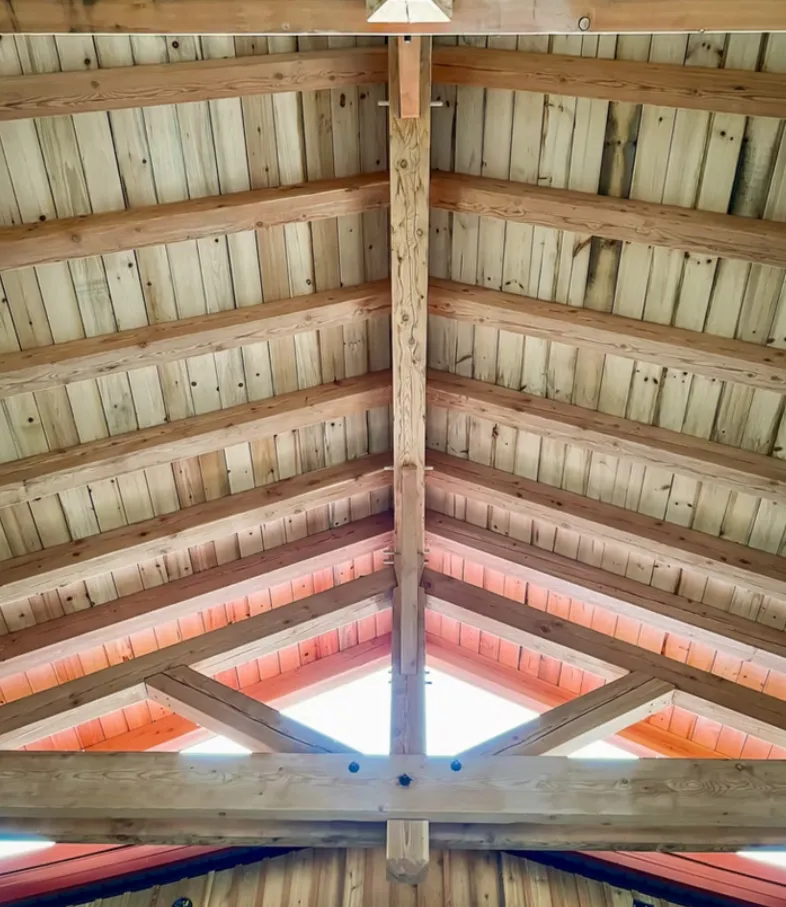
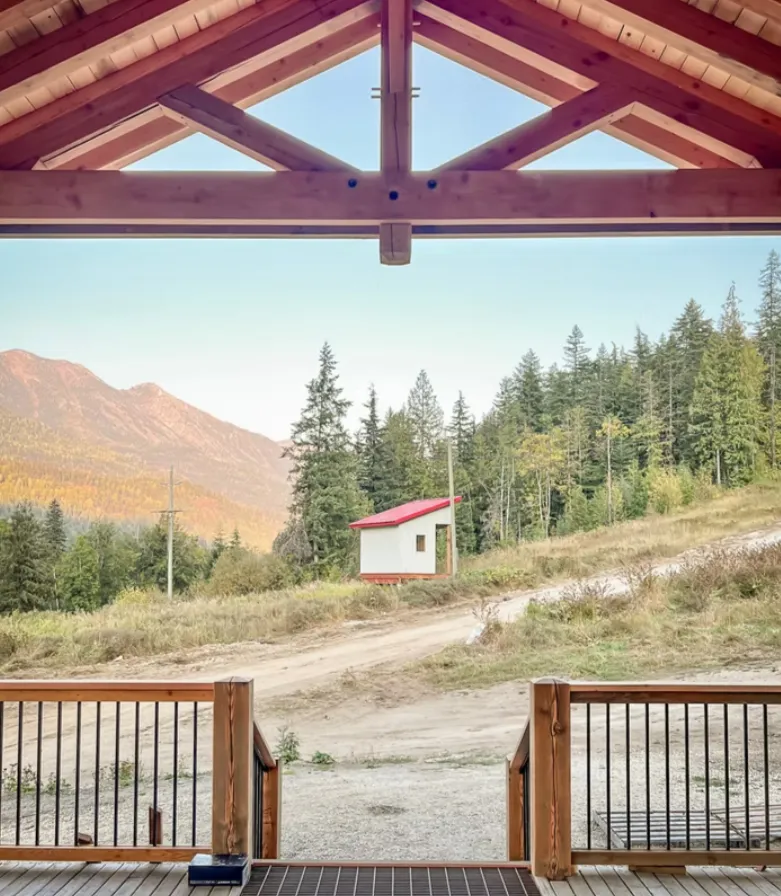
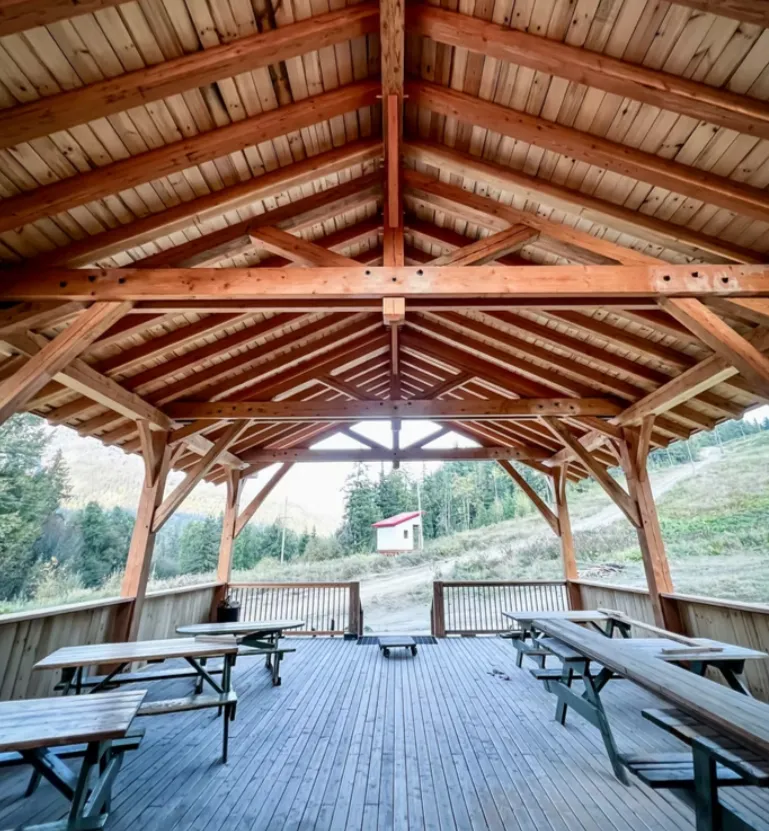
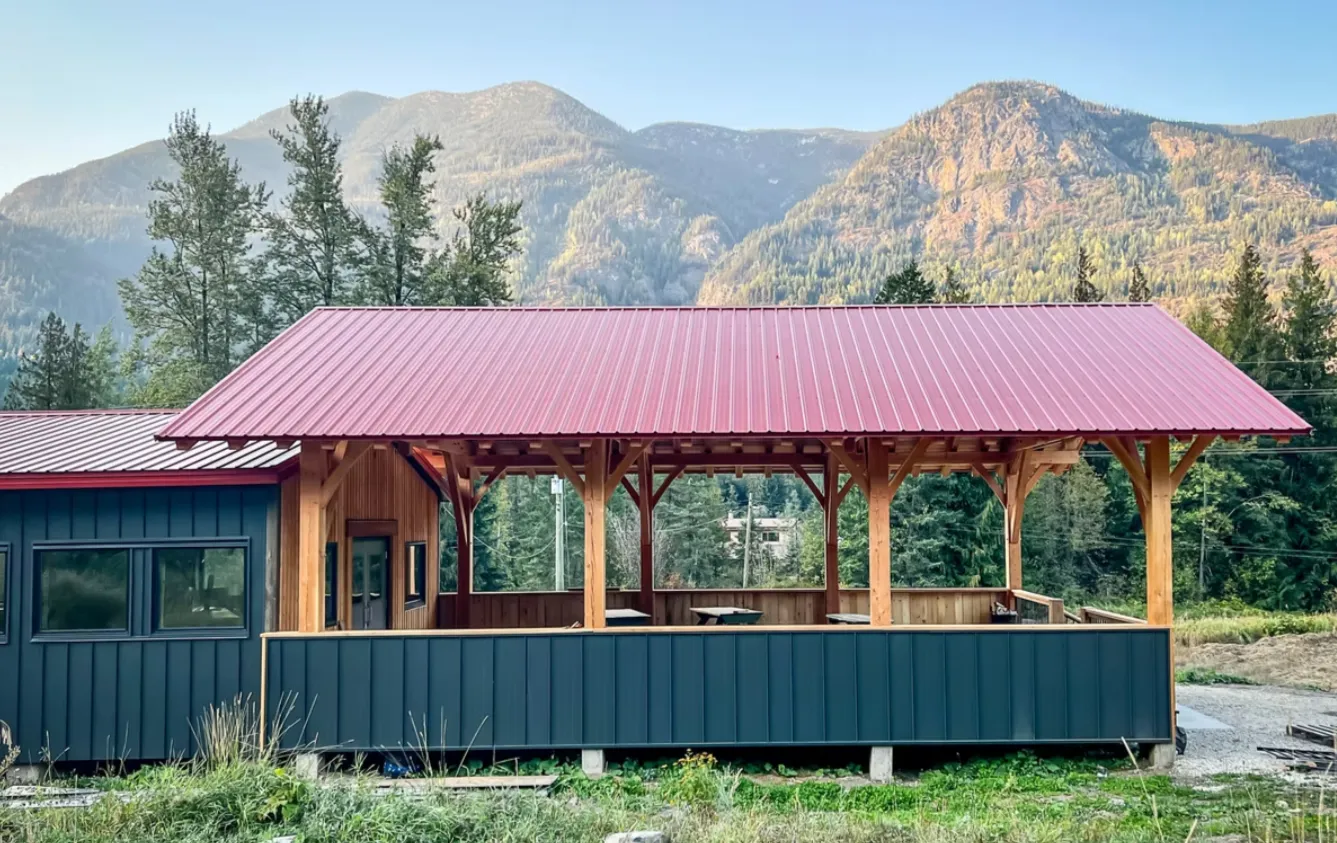
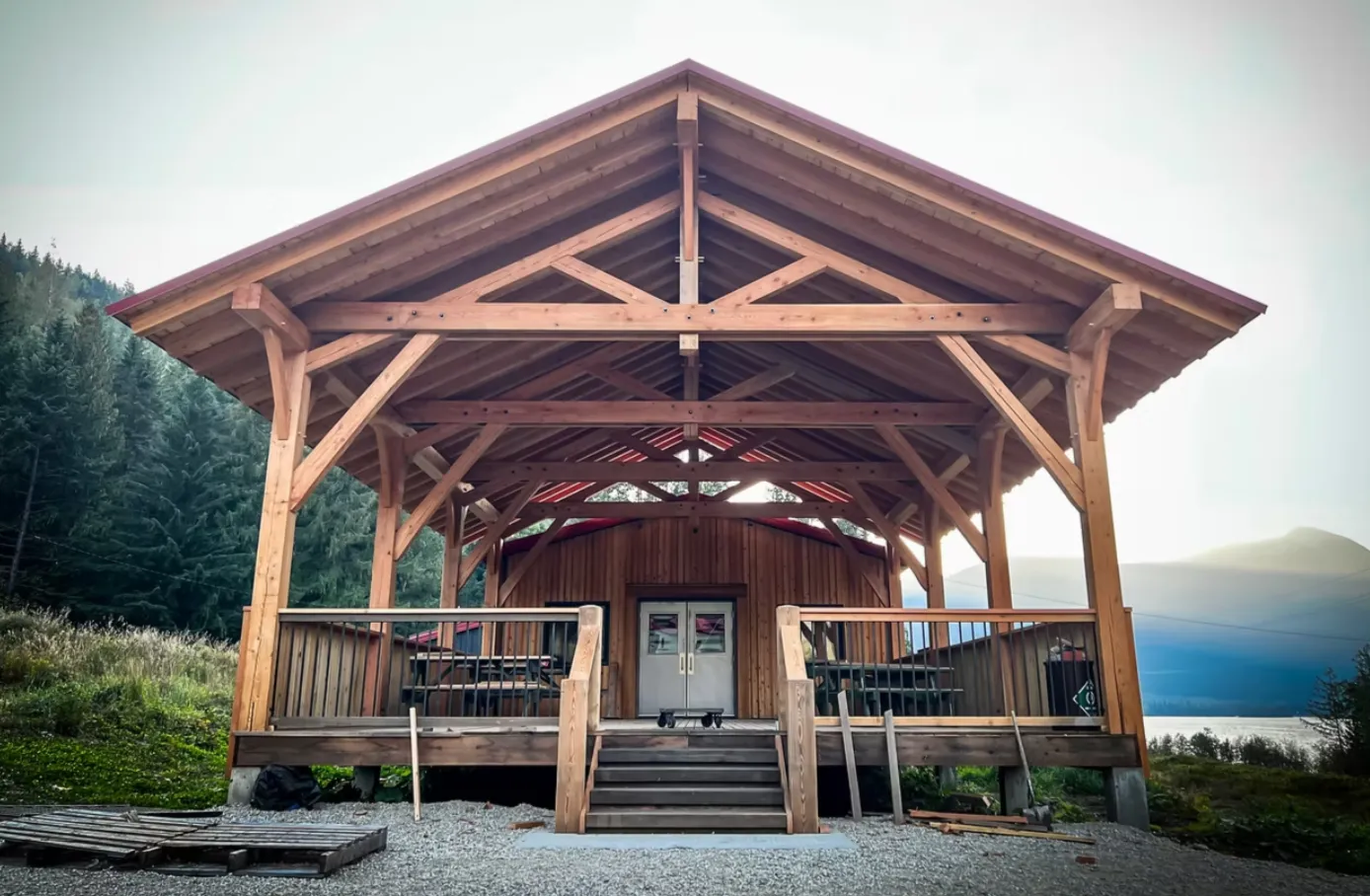
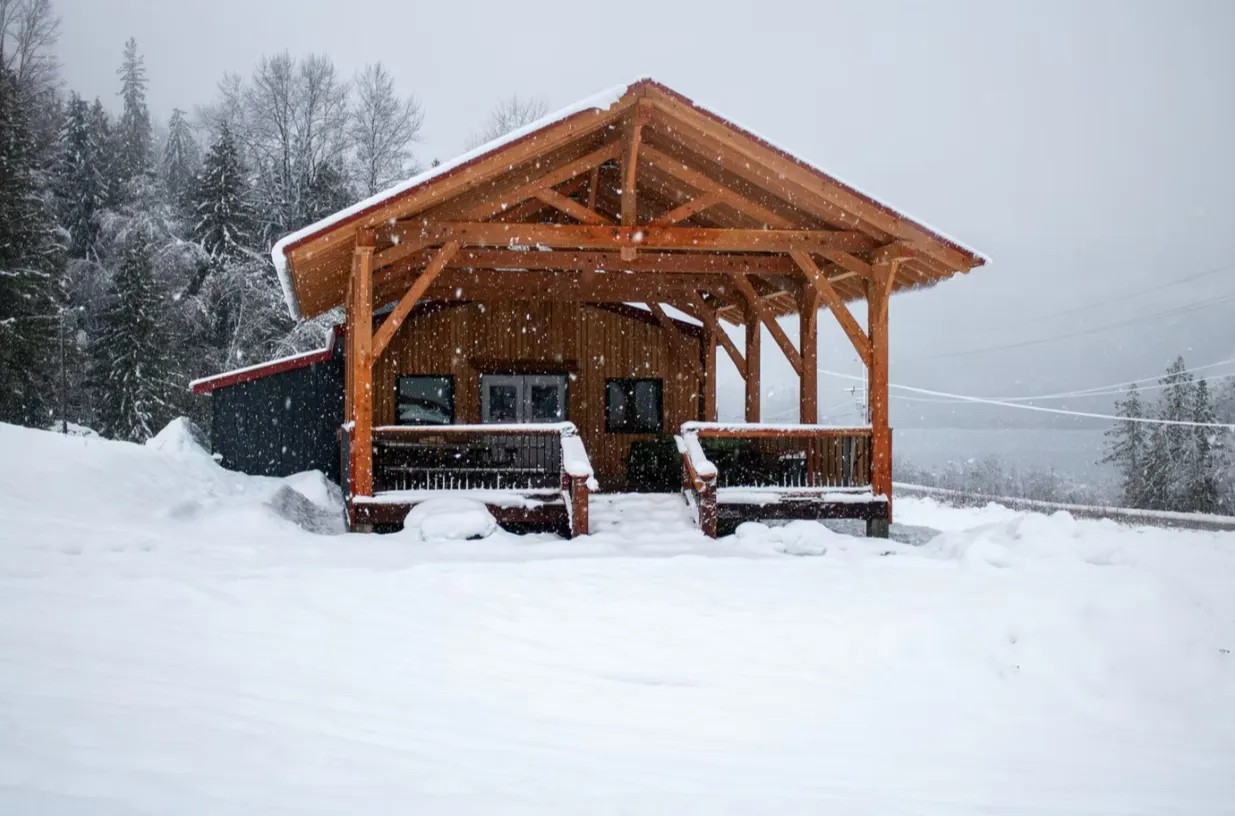
Phase Three: The Gathering Space. The final phase focuses on replacing the aging deck and roof structure. Engineered to handle heavy snow loads, the new framing extends the sheltered outdoor terrace, creating a durable, comfortable zone where families can gather, watch the skiers, and seamlessly transition between the indoors and the winter elements.
Protecting History from the Outside In
One of the lodge’s most distinctive historical features is its original 1961 stacked lumber wall system—a method where horizontal boards were laid one atop another rather than using conventional stud framing. While it showcased local timber skills, it left no wall cavities for insulation, leading to thermal discomfort and high operating costs. Rather than tearing into the interior wood surfaces that hold so much of the community's history, the design team devised an ingenious solution: insulate from the outside.
“Our work needed to be as practical as it was protective. This building means a great deal to the community. The goal was to strengthen it without erasing the hands that built it” Principal Jordan Jones, TOWN Architecture
By applying an exterior envelope, the lodge gained drastically improved thermal performance and enhanced wildfire resistance—a vital consideration in BC's interior—while preserving the warm, wood-lined interior exactly as the community remembers it.
A Nod to Tradition
As the project recently reached a major milestone with the placement of the final timber beam for the new deck, the team paused to honour the process. A small evergreen bough was hung from the new structure, an old topping-out tradition that honours the materials taken from nature and the people who work with them.
We wanted to retain the feeling of the original lodge. The decision to insulate from the exterior allowed us to respect the craftsmanship inside and give the building the resilience it needs” Principal Jordan Jones, TOWN Architecture


