Montpellier Celebrates 20 Years of the Festival des Architectures Vives
May 3
4 min read
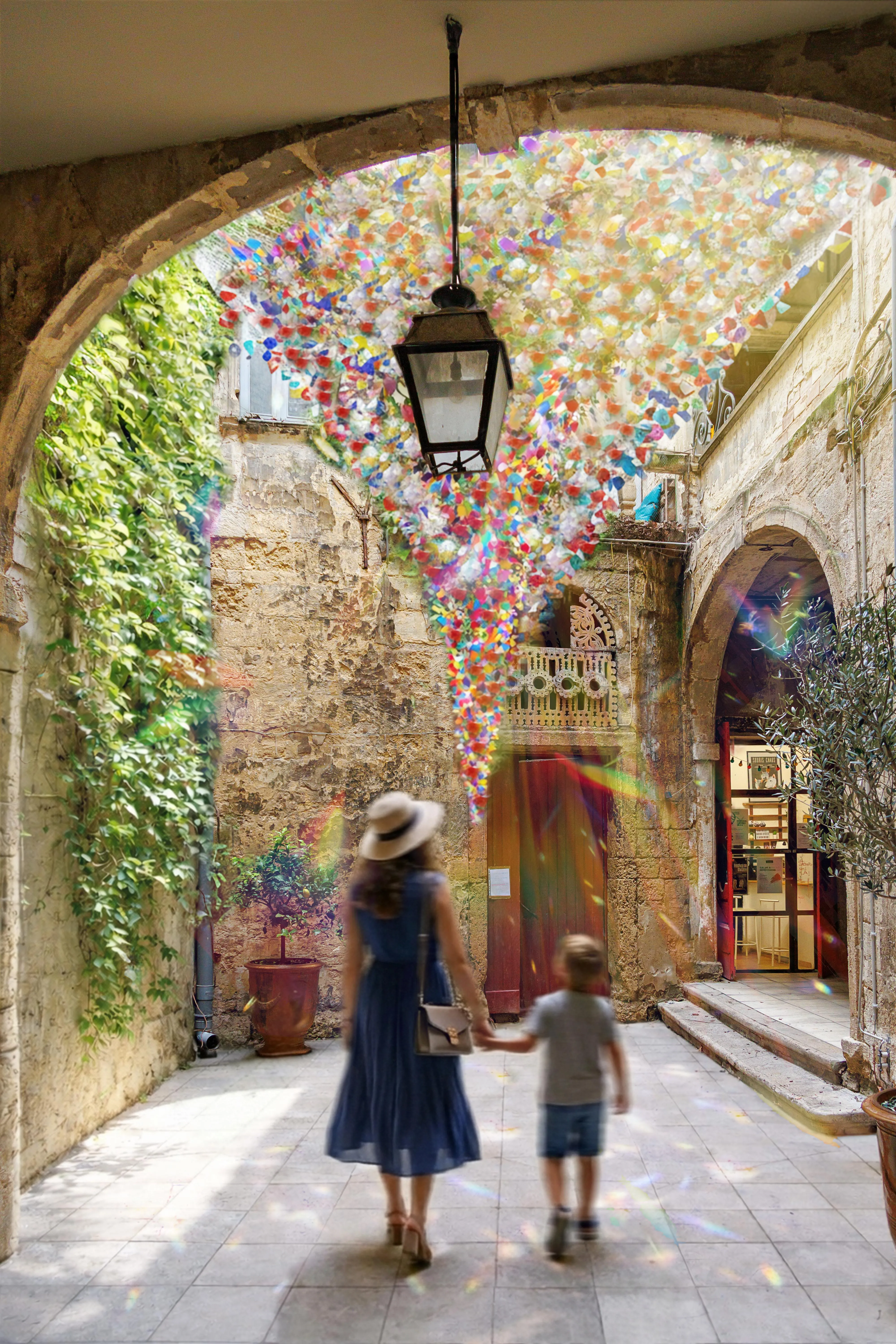
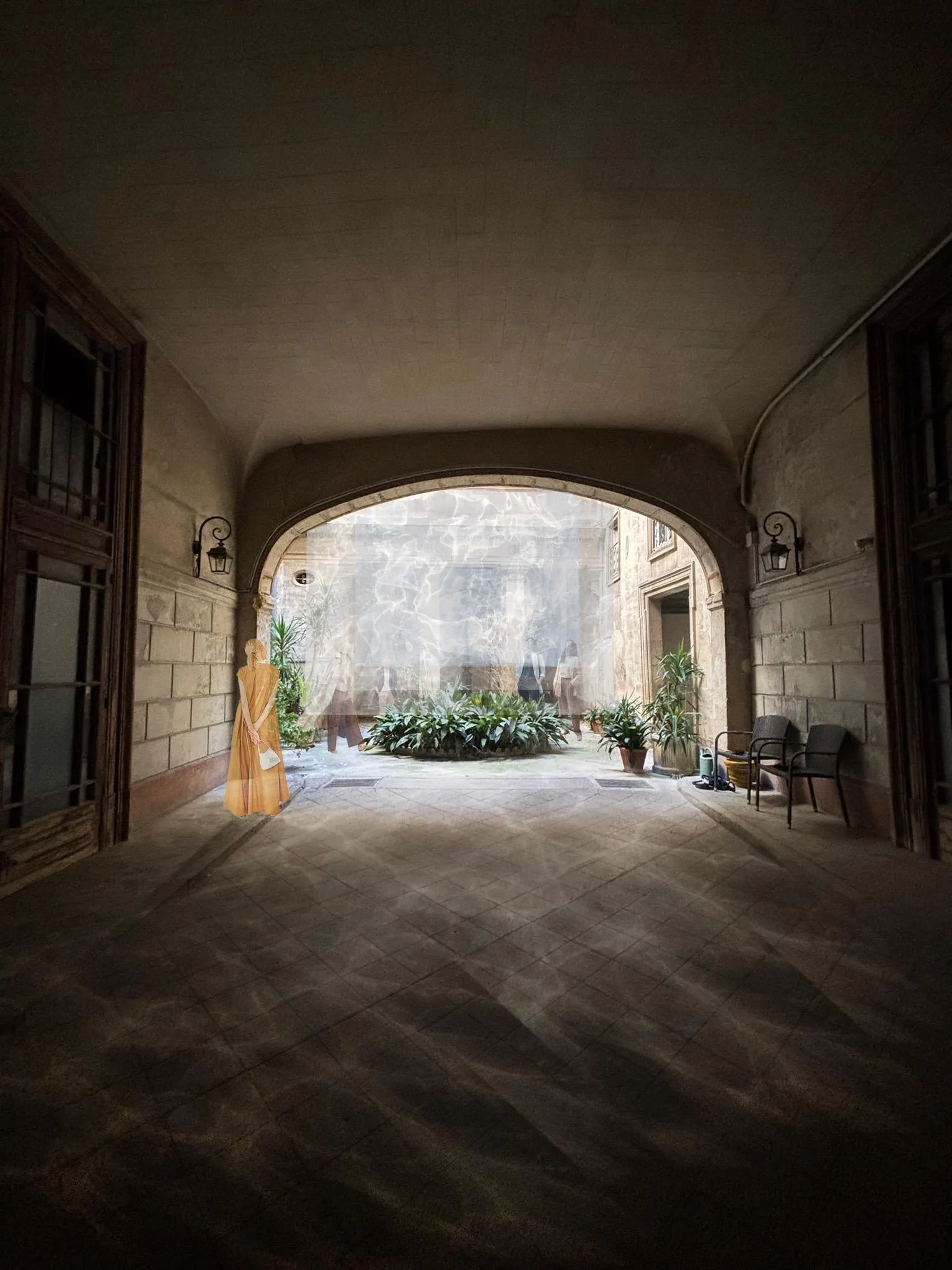
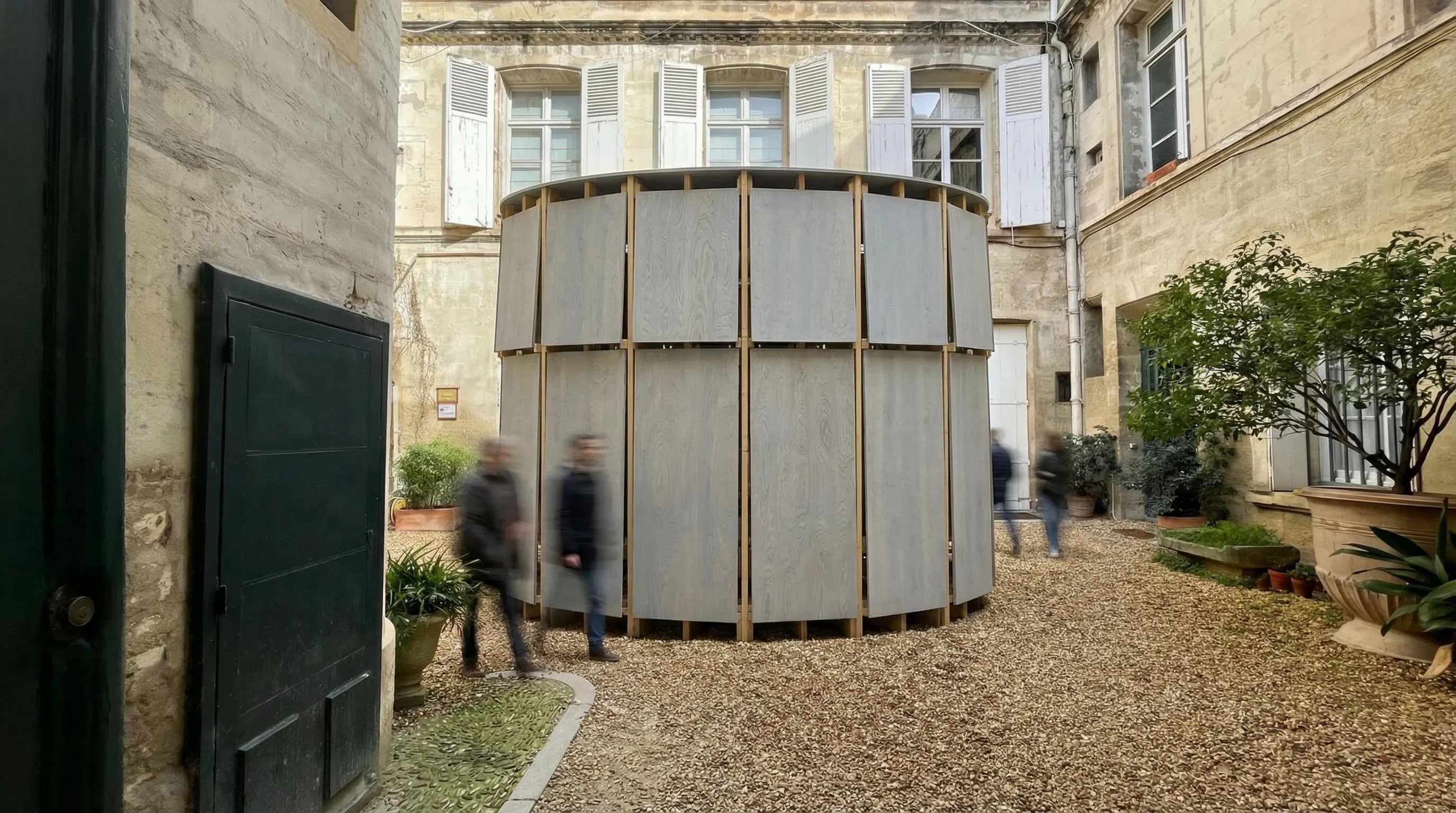
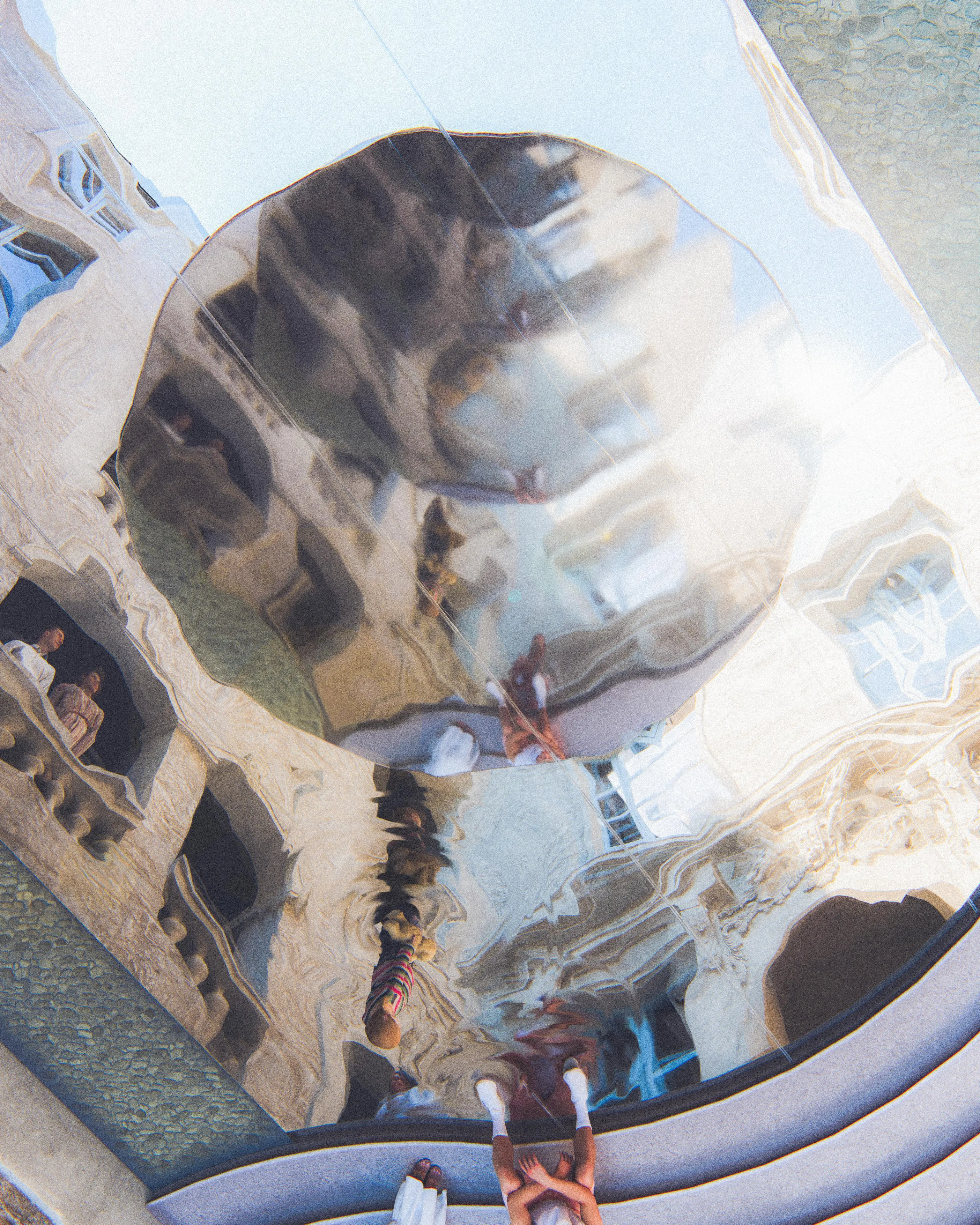
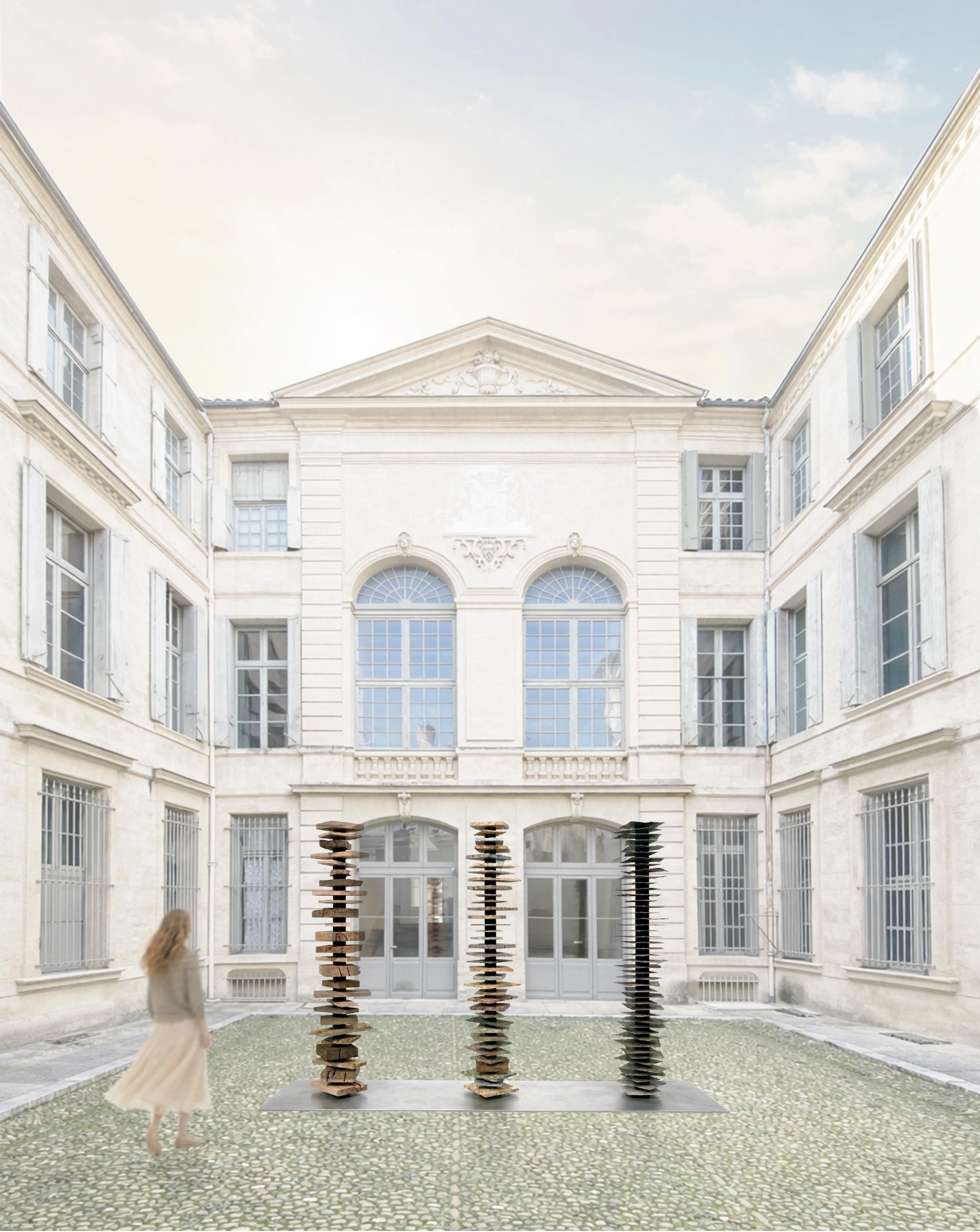
This spring, the historic city of Montpellier, France, is preparing for a major milestone. From June 9 to 14, 2026, the Festival des Architectures Vives (FAV) returns to transform the hidden courtyards of the city’s private mansions into stunning displays of modern design.
This year marks the festival's 20th anniversary. To celebrate two decades of artistic innovation, the FAV is evolving its traditional format to focus on a powerful theme: Transmission.
A New Generation Takes the Lead
For this special anniversary edition, the festival is doing something unique. Instead of simply showcasing new talent, the FAV has invited standout teams from past years to step into a new role as mentors.
This creates a beautiful, symbolic passing of the torch. By guiding a fresh generation of architects, these veterans are building a bridge between the festival's rich history and its exciting future. It is a gesture of deep trust, proving that great architecture is always a collaborative effort.
For the past two years, the festival has invited inspiring figures from outside the world of architecture to serve as patrons. This year, the honour goes to Julien Tuffery, head of the celebrated French textile house, Atelier Tuffery.
At first glance, fashion and architecture might seem very different, but they share a common soul. Atelier Tuffery is a family business famous for passing down generations of textile skills. Julien Tuffery perfectly embodies the festival's values: a love for hands-on craftsmanship, technical mastery, and a deep respect for sustainable materials. By bringing a master of the textile industry into the fold, the FAV is highlighting that creating a lasting garment and building a lasting structure both require time, care, and the sharing of knowledge.
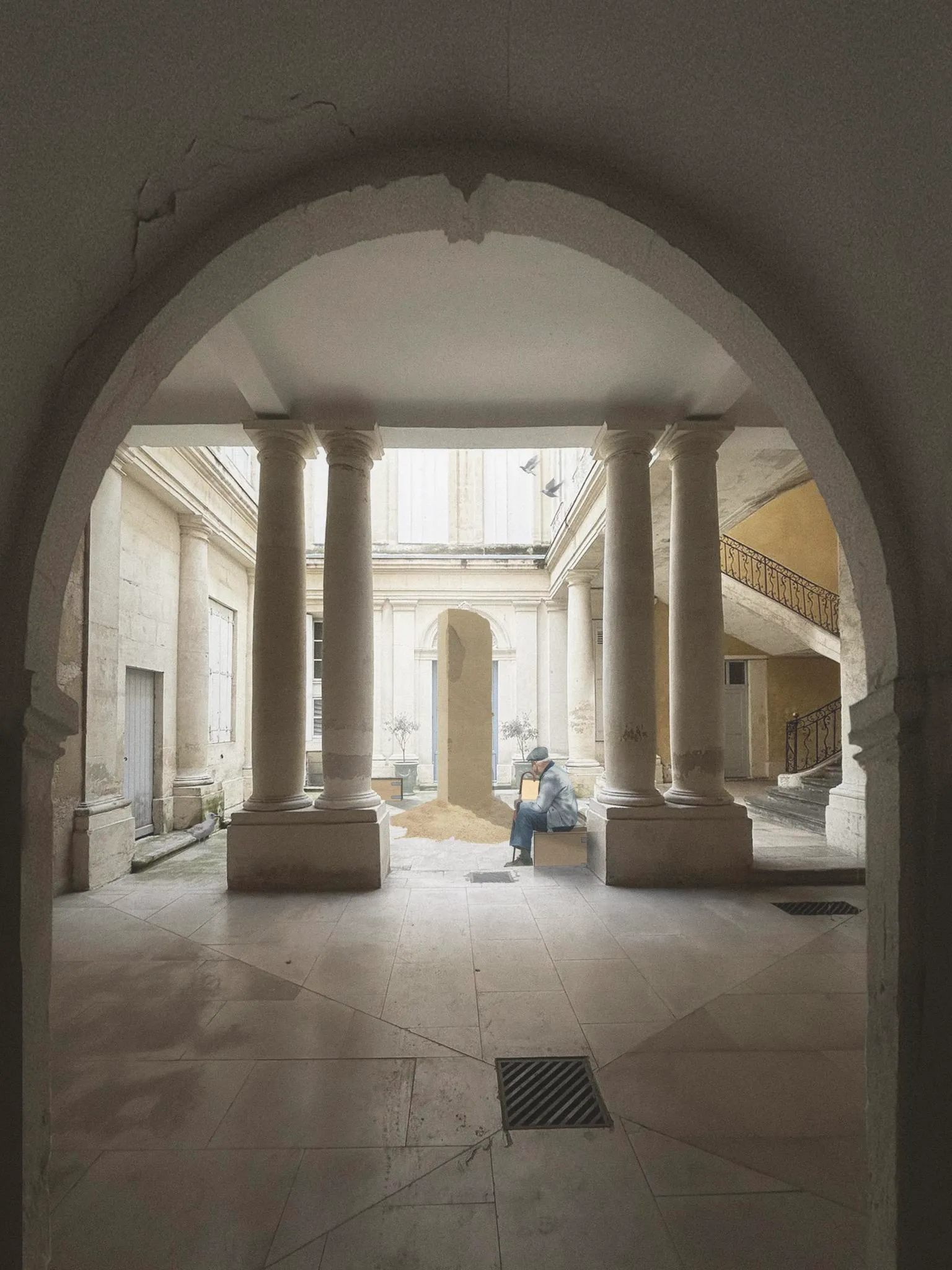
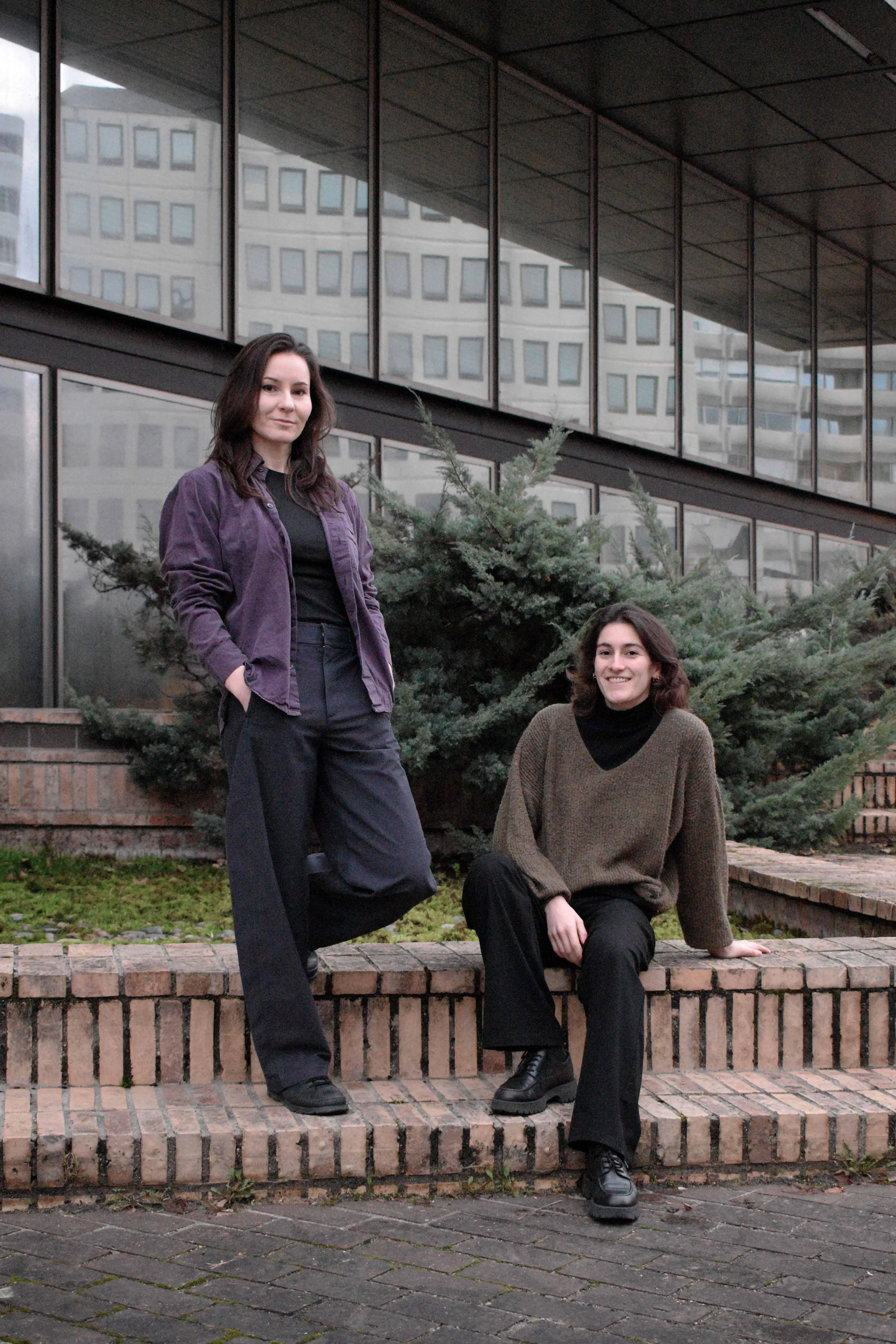
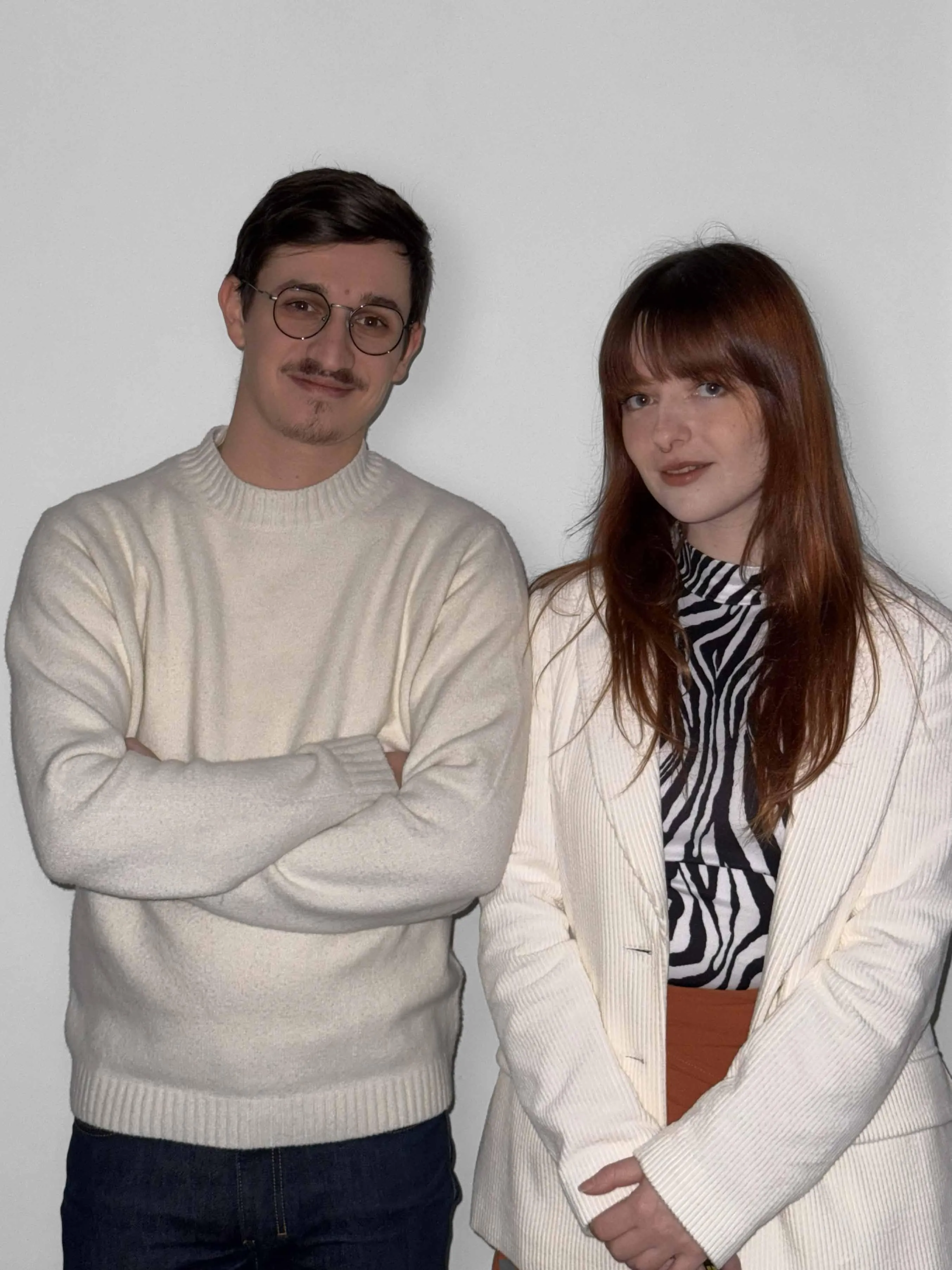
Festival des Architectures Vives. Image courtesy of: Nou(e)s Collective : Maxime Neuville, Violette
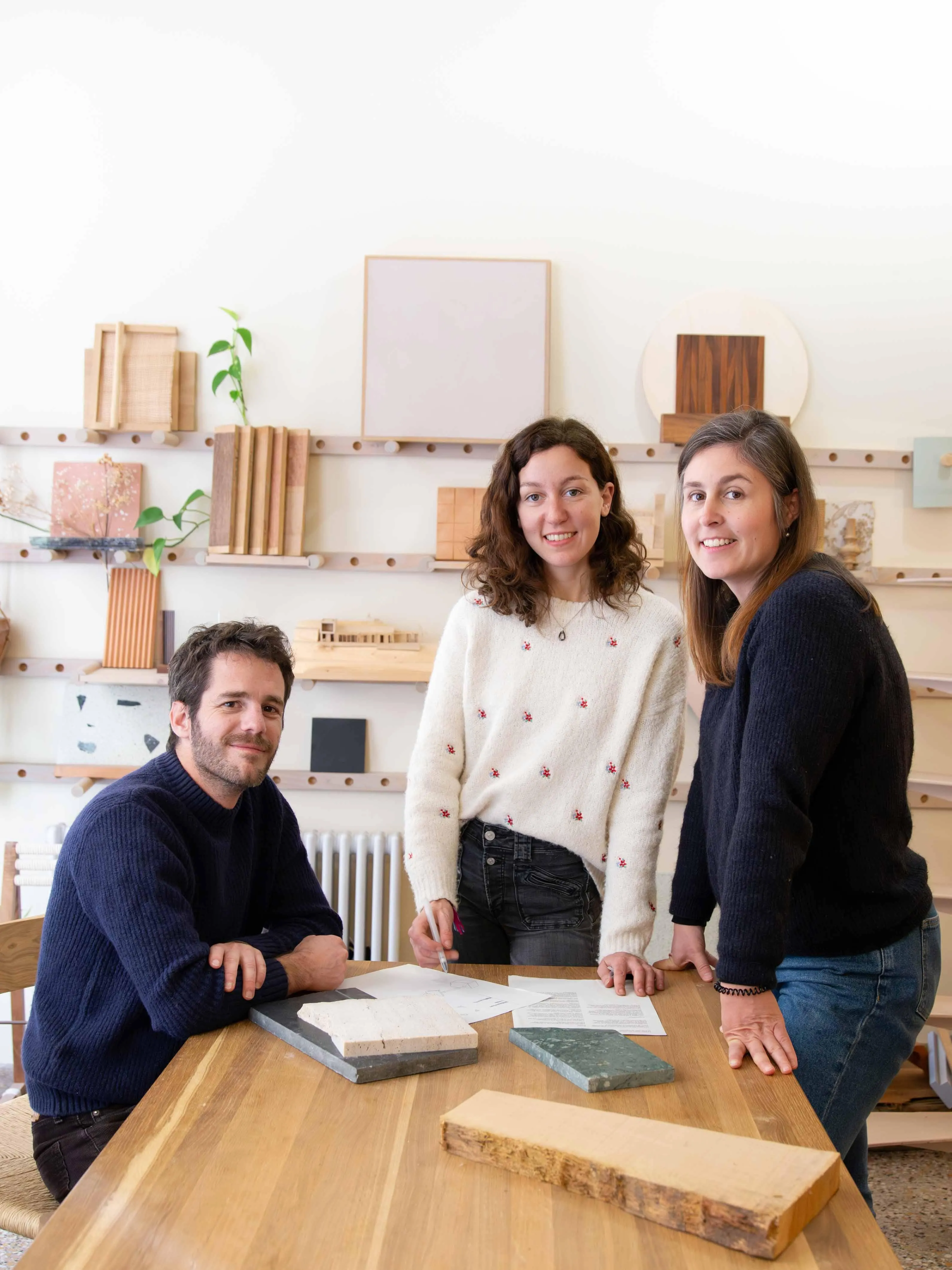
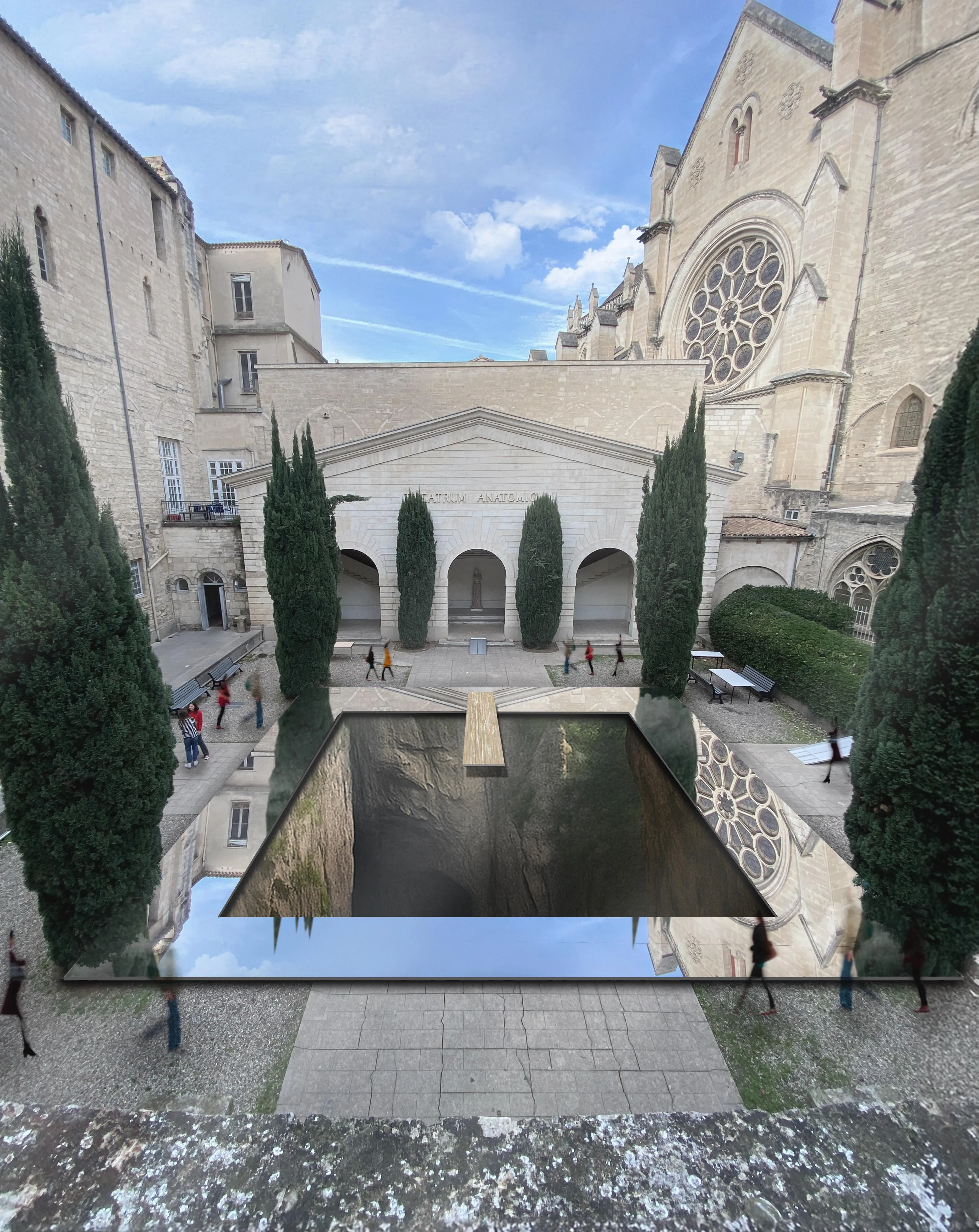
Festival des Architectures Vives. Image courtesy of: Laetitia Rejany & Iacha Perget
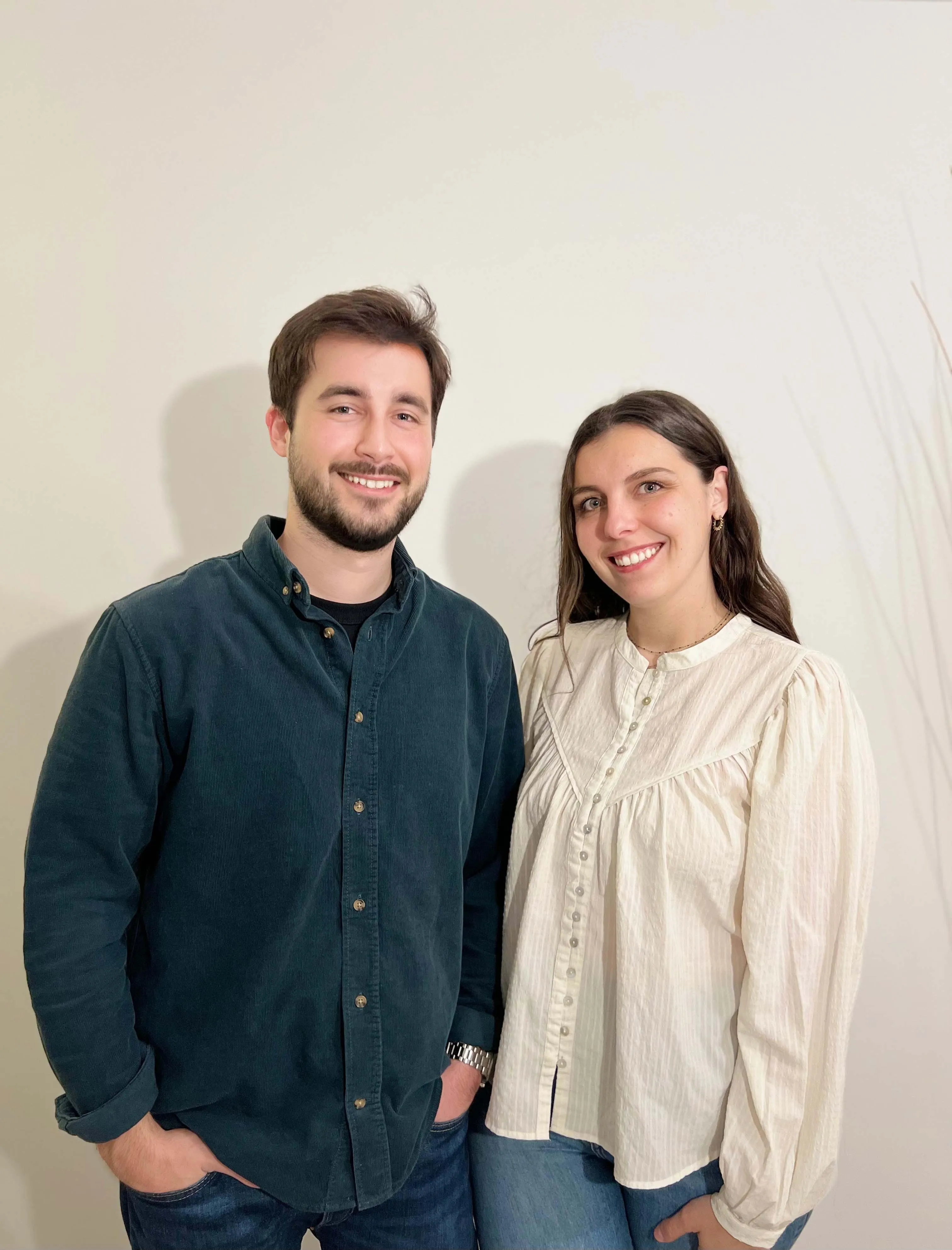
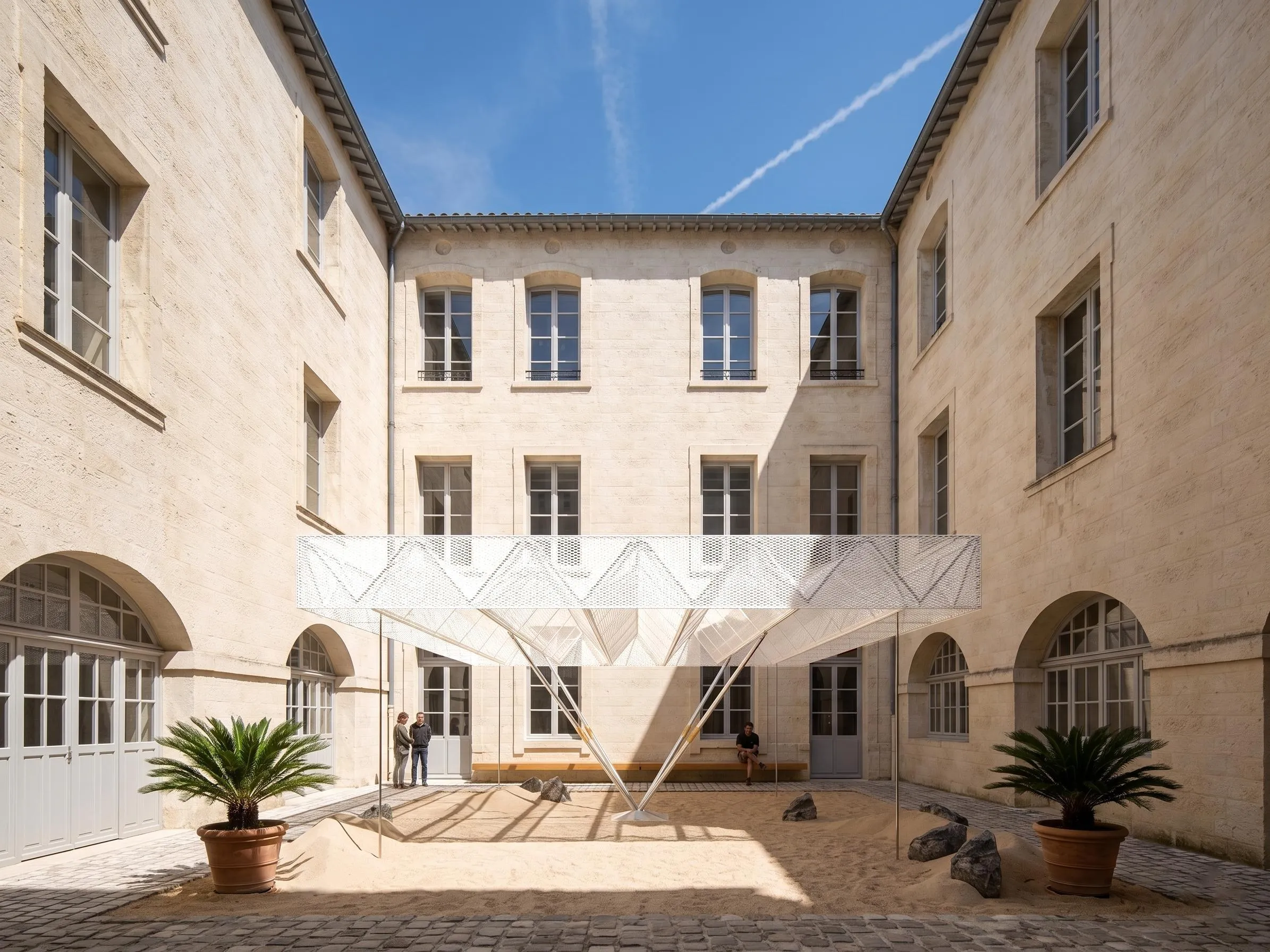
Festival des Architectures Vives. Image courtesy of: Guillaume Debeze & Amandine Courtaillac
Global Talent, Local Charm
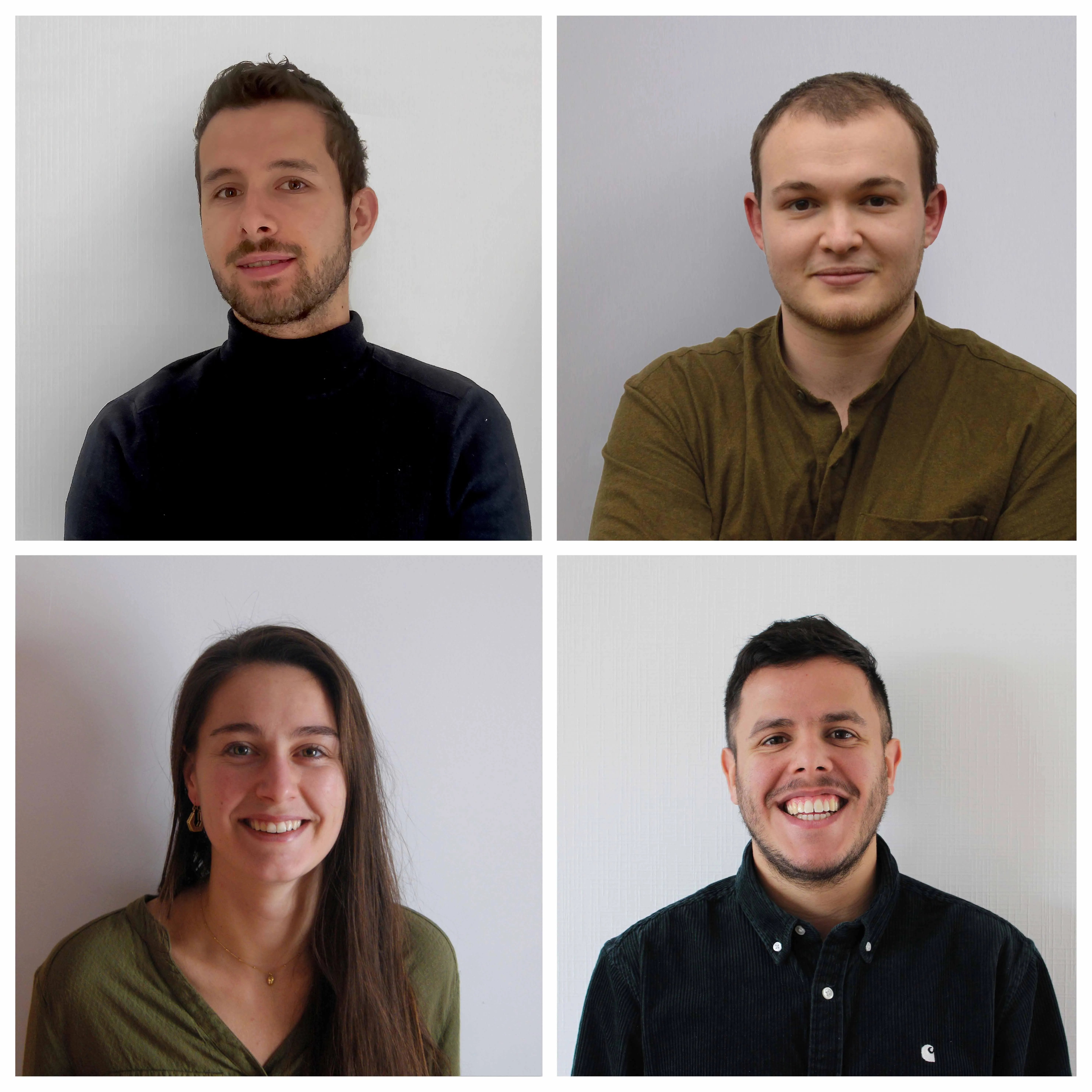
The 2026 edition will feature 40 architects bringing 13 incredible installations to life. The roster perfectly balances local roots with a massive international reach. Four of the French teams are based right in the Montpellier area, while five international teams are travelling from across the globe to participate.
The 13 visionary projects and their diverse origins include:
The Continuum as Space-Time (Quebec, Canada)
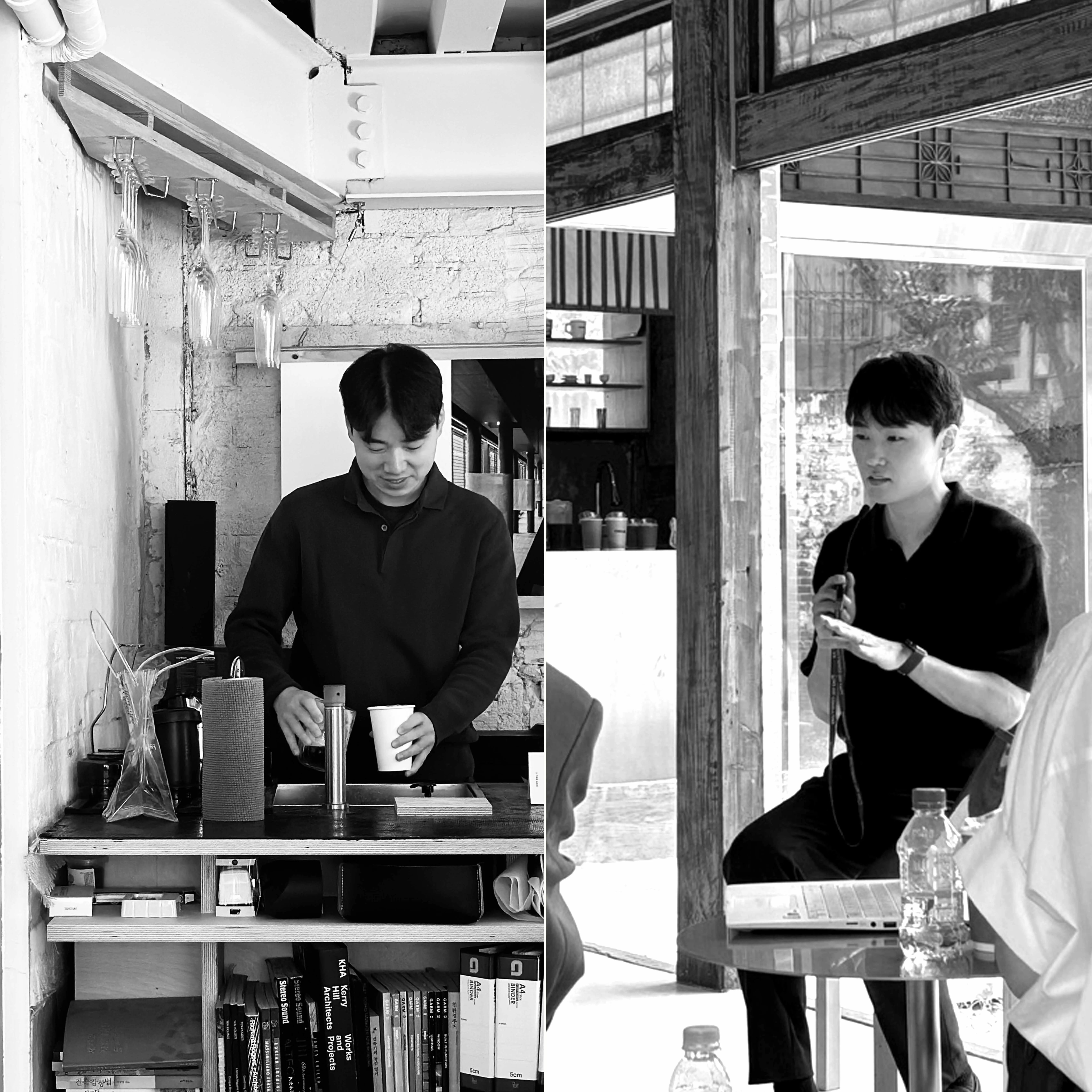
운지(雲紙) The Suspended Cloud (Seoul, South Korea)
Liminality in Movement (Nara, Japan)
Raconte Moi Un Secret (Portugal, Switzerland, Australia)
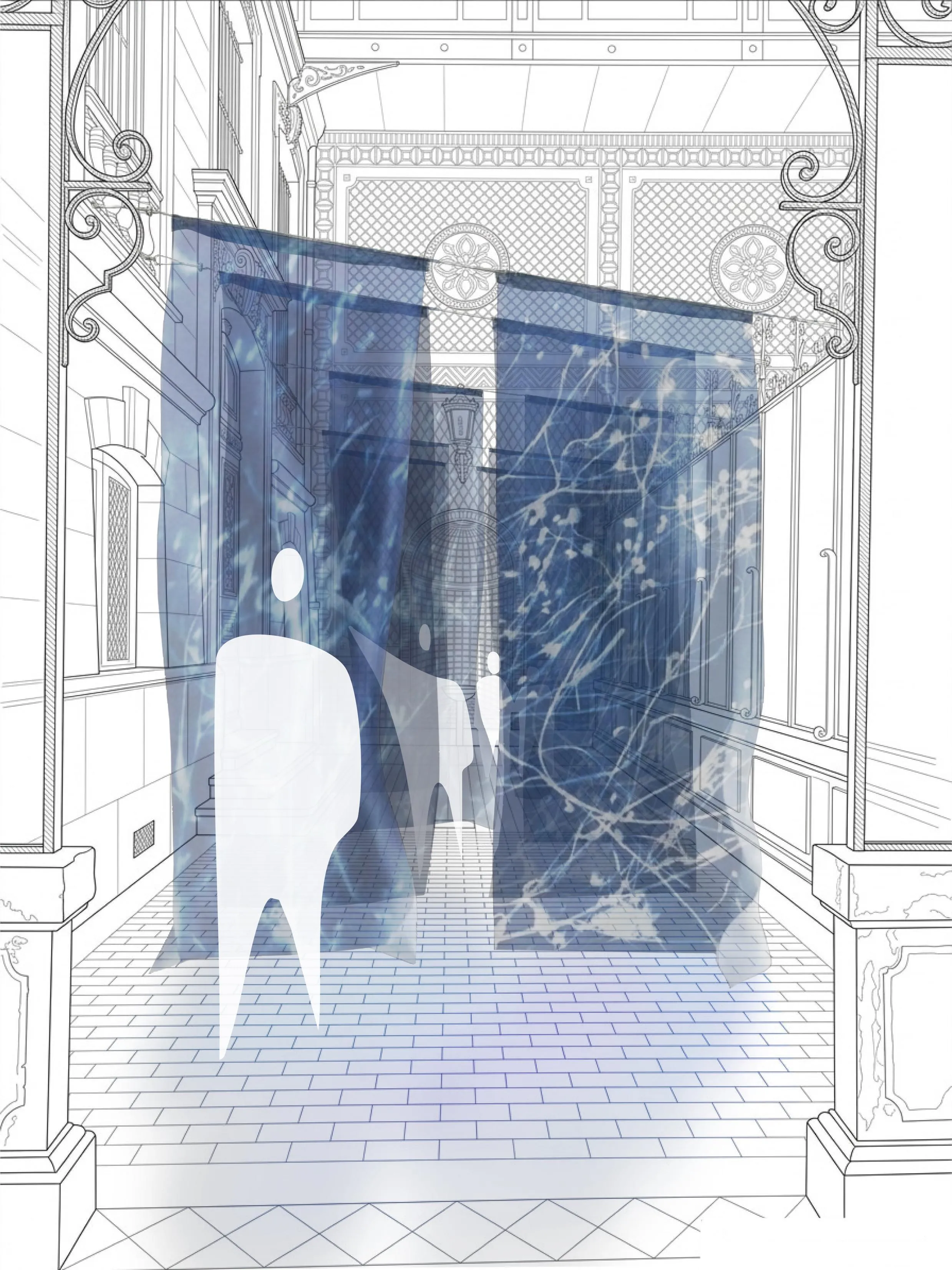
Une Ombre Bleue Devient Une Relique (Genoa, Italy)
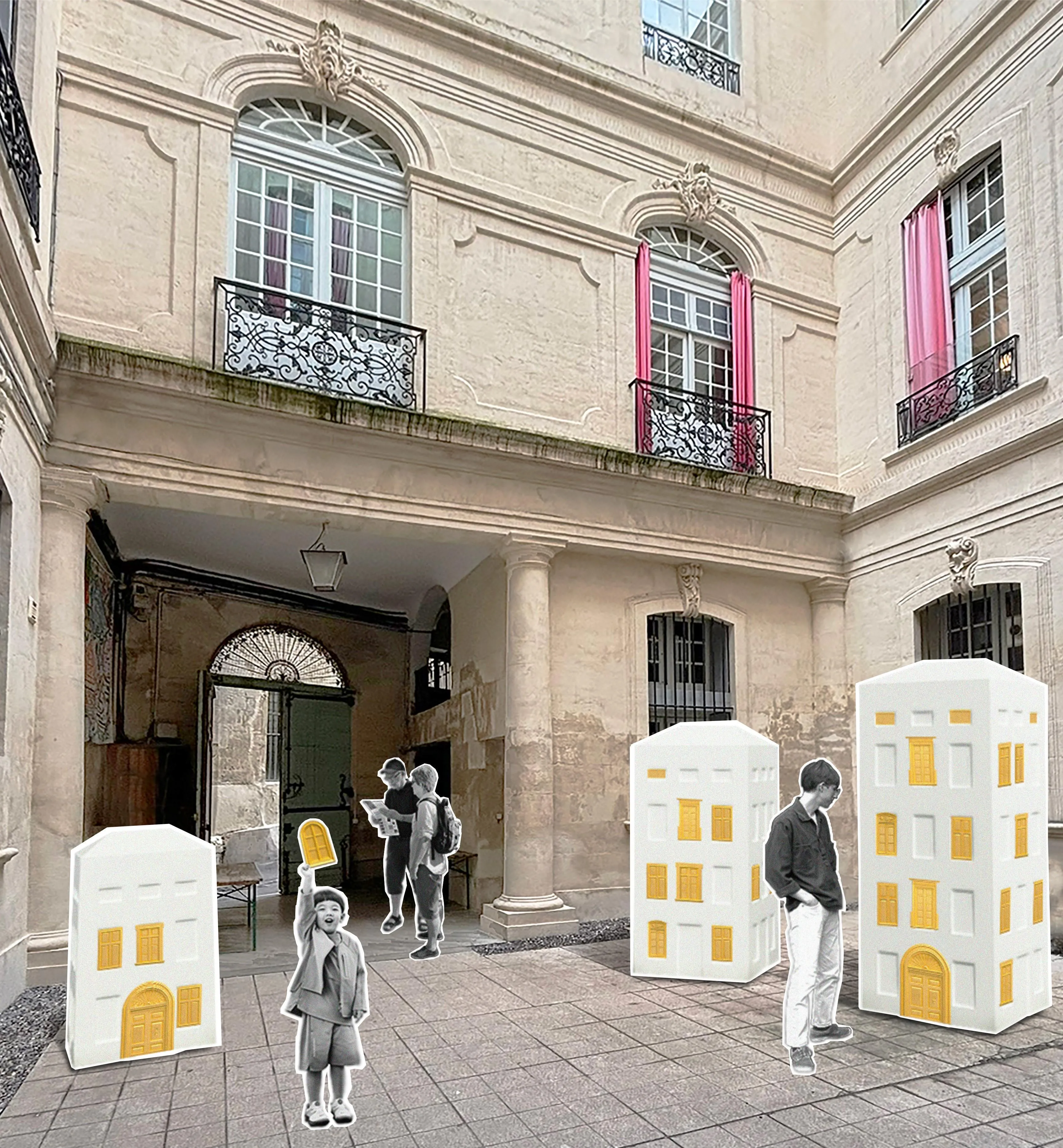
Festival des Architectures Vives. Image courtesy of: Ateliers A+
Festival des Architectures Vives. Image courtesy of: Atelier Mousqueton
Festival des Architectures Vives. Image courtesy of: Calada architectes & Atelier Moschata
Festival des Architectures Vives. Image courtesy of: Guillaume Debeze & Amandine Courtaillac
Festival des Architectures Vives. Image courtesy of: Coletivo624
Festival des Architectures Vives. Image courtesy of: Estéban Le Magnen
Festival des Architectures Vives. Image courtesy of: Charles-Antoine Lauzon & Marie-Laurence Durand
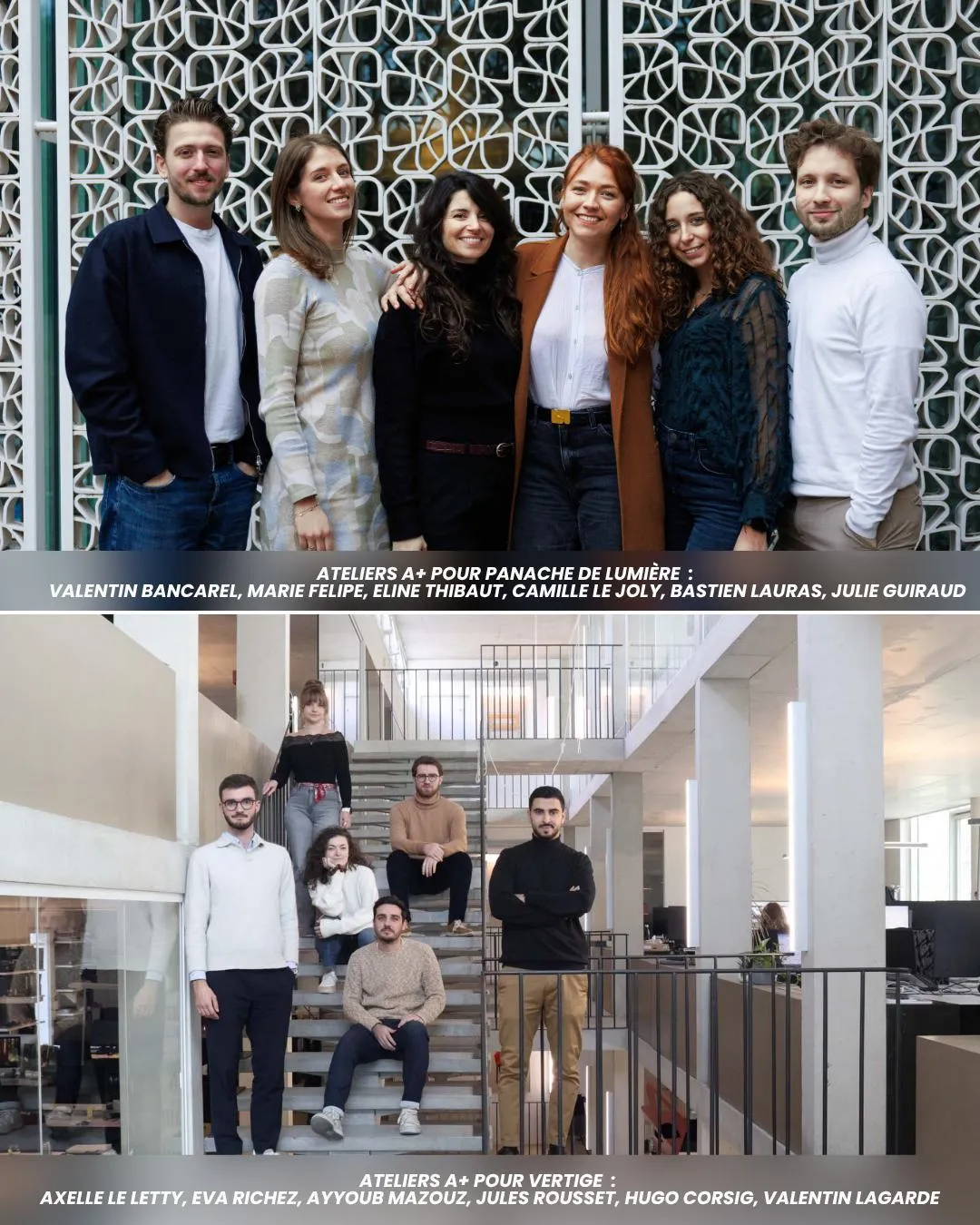
Festival des Architectures Vives. Image courtesy of: Ateliers A+ : Valentin Bancarel, Marie Felipe,
Festival des Architectures Vives. Image courtesy of: Yurika Takemura
Festival des Architectures Vives. Image courtesy of:
Festival des Architectures Vives. Image courtesy of: OFNN Group
Festival des Architectures Vives. Image courtesy of: Nou(e)s Collective
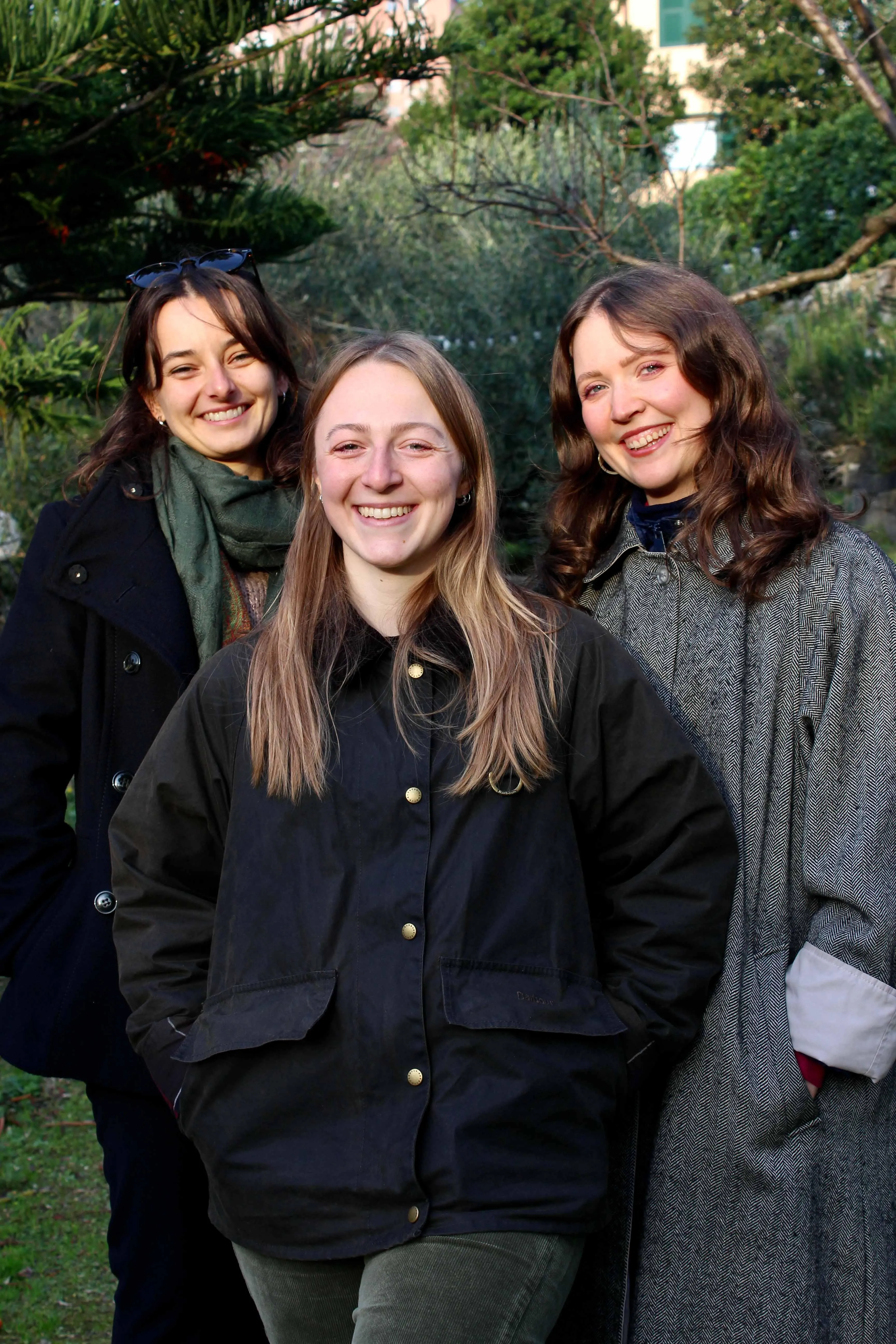
Festival des Architectures Vives. Image courtesy of: Emma Franco, Marta Portigliati, Lorenza Ferrari
The Heart of the Festival: Hôtel Saint-Côme
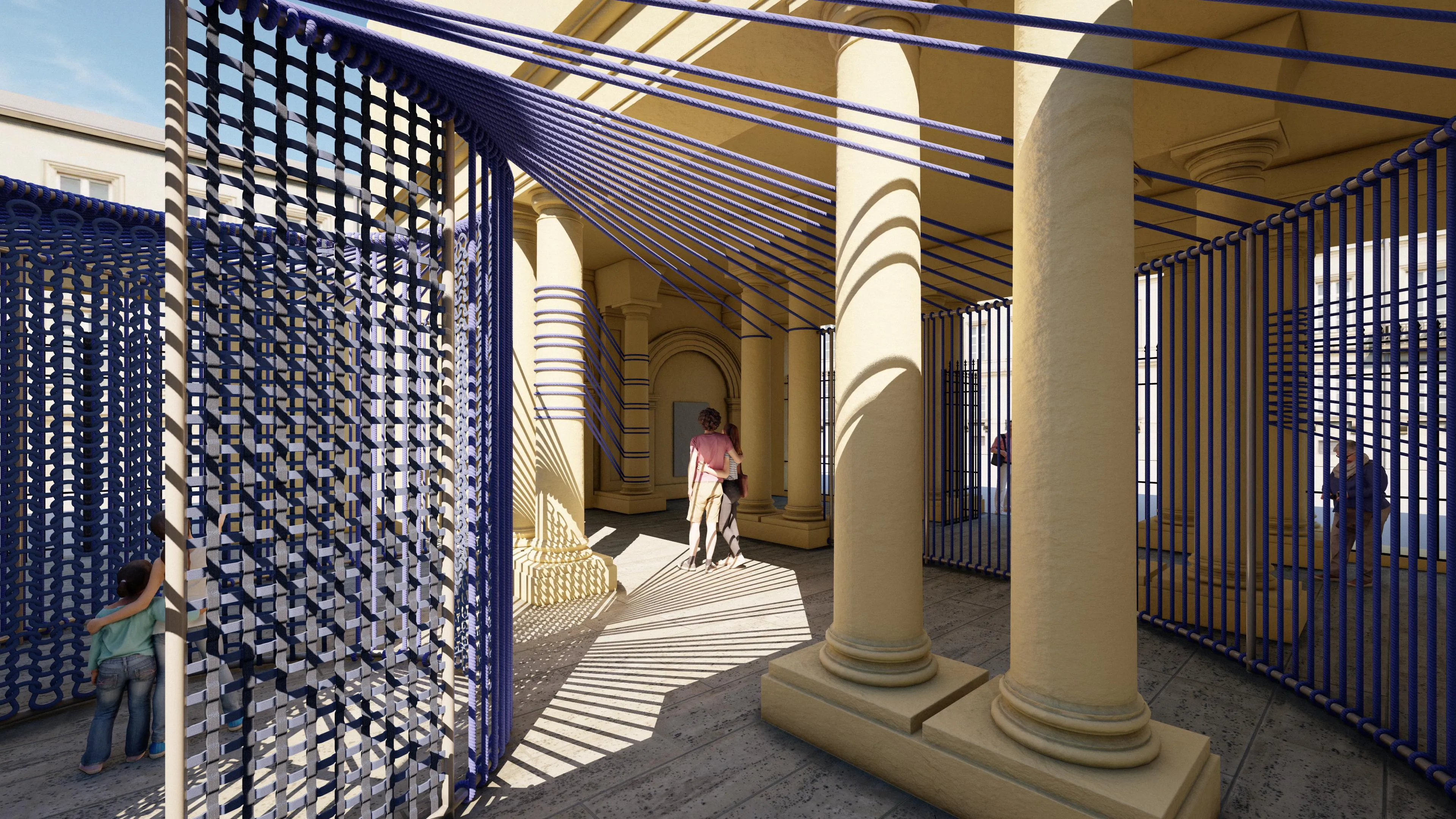
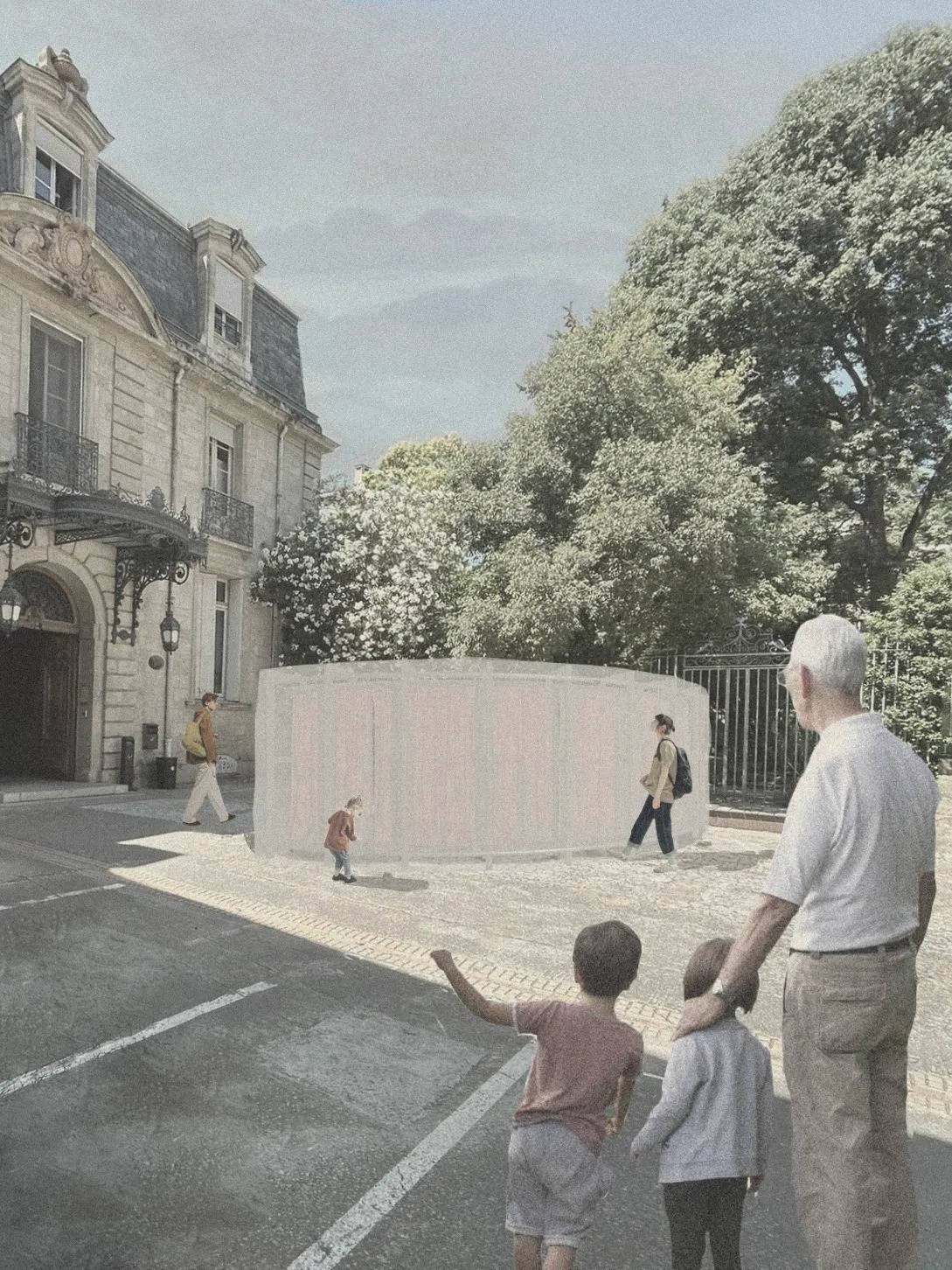
Among these remarkable installations, the Pop-Up Pavilion located at the Hôtel Saint-Côme holds a special purpose. Designed by Montpellier locals Laetitia Rejany and Iacha Perget, this pavilion is the welcoming heart of the festival.
Open and inviting, it serves as a central gathering place where visitors can meet, chat, and soak in the festival's atmosphere. It will also feature a special merchandise stand offering exclusive items to commemorate the 20th anniversary. While visitors can start their architectural treasure hunt anywhere in the city, this pavilion at 32 Grand Rue Jean Moulin is the perfect place to begin.
Festival des Architectures Vives. Image courtesy of: Maxime Neuville, Violette Soleilhac, Tanguy Guy
Festival des Architectures Vives. Image courtesy of: Estéban Le Magnen
Festival des Architectures Vives. Image courtesy of: Charles-Antoine Lauzon & Marie-Laurence Durand
Festival des Architectures Vives. Image courtesy of: Coletivo624 : Maria Filipe, Patrícia Varão More
Festival des Architectures Vives. Image courtesy of: Calada architectes (Zoé Dalloni, Élodie Artière
Festival des Architectures Vives. Image courtesy of: Ateliers A+ : Axelle Le Letty, Eva Richez, Ayyo
Festival des Architectures Vives. Image courtesy of: OFNN Group : Sanghoon Park & Sung-min Park
Festival des Architectures Vives. Image courtesy of: Natura Urbana Collective : Emma Franco, Marta P
Building a Greener Future
Great design must look forward, and the FAV is deeply committed to protecting the environment. The festival operates under a strict environmental charter, partnering once again with Mas Réemploi to champion sustainable building.
Every team is encouraged and supported to use recycled materials in their designs. Mas Réemploi provides an online catalogue of reusable materials for architects to source from, and once the festival ends, they will collect the materials to put them back into the recycling loop. To take it a step further, every installation will undergo a carbon footprint assessment, and a special environmental award will be given to the team with the most innovative, eco-friendly approach.
As the Festival des Architectures Vives opens its doors for its 20th year, it promises to be much more than an exhibition. It is a celebration of history, a masterclass in sustainability, and a beautiful reminder that the best ideas are the ones we share.
The Festival des Architectures Vives (FAV) is an annual event in Montpellier that bridges historical heritage and contemporary design. Since 2006, it has invited the public to explore the city’s hidden private courtyards, transformed by ephemeral installations created by emerging architects. By opening these prestigious "hôtels particuliers," the FAV fosters a unique dialogue between the past and the future, making architecture accessible to all. Each installation is a site-specific experiment that challenges our perception of urban space. Celebrating its 20th anniversary in 2026 with the theme "Transmission," the festival continues to mentor talent and showcase the evolution of architectural practice through a free, immersive gallery experience across the city’s historic heart.
Great design bridges past and future, creating spaces that evolve with us.
Our built environment is in a constant state of beautiful evolution. At Forma, we believe that architecture and design are deeply personal—they dictate how we live, grow, and connect across every stage of life. As a community of designers, architects, engineers, trades, builders, suppliers, students and creators, we are constantly tasked with bridging what was with what will be. Whether we are exploring innovative new builds, thoughtful restorations, or the visionary people shaping our industry, our mission remains the same: to look beyond the aesthetics. We invite you to explore the human stories woven into the brick, light, and landscapes of the spaces we inhabit. Thank you to everyone who reads, contributes, and shares in this vision.
Then there is Montréal—a city that, for twenty years, has chosen to "govern" itself. In June 2006, the Québec metropolis became the first city in North America and only the third in the world to join the UNESCO Creative Cities Network in the field of design. Two decades on, that designation has proven to be far more than a badge of honour. It has become the philosophical spine of an entire urban project.
The University of Alberta has officially opened the doors to University Commons, a breathtaking 405,000-square-foot transformation of its century-old Dentistry and Pharmacy building. Designed by the visionary team at Zeidler Architecture, this monumental project turns a historic landmark into a vibrant, modern gateway.
Humans spent 99% of their evolutionary history adapting to the natural world. Today, we spend roughly 90% of our lives inside sealed, climate-controlled boxes. This massive shift has left us chronically stressed, fatigued, and disconnected.
Winner of the 2026 Award of Excellence in Architecture from the Quebec Association of Architects, the Aubé House is more than just a beautifully designed residence. It is a physical timeline—a space where a rich family history meets breathtaking modern design.
Just north of Toronto, perched on the edge of a wooded valley, sits Ravine House—a contemporary home that redefines what it means to live in harmony with nature. Rather than acting as a barrier against the outdoors or simply occupying a plot of land, this stunning residence acts as an immersive, beautiful mediator between comfortable domestic living and the natural landscape.
On May 29th, as the sun began to set over the historic brick facades of Old Town Toronto, the streets took on a new, electric energy. The King East Design District (KEDD) Neighbourhood Hop—the highly anticipated annual event presented by DesignTO in collaboration with the Old Town Toronto BIA—was officially underway. For a few magic hours, the neighbourhood morphed into a sprawling, interactive playground for creativity and innovation.
In the heart of Quebec’s rugged Laurentians region, a new kind of home has taken flight. Located in the quiet community of La Conception, The Albatross is not just a house; it is a masterclass in modern residential design. Image courtesy of: Stéphane Groleau Created by the teams at MU Architecture in close collaboration with architect Anik Patry, this extraordinary home was built around a beautiful, simple idea: to place a modern family at the very center of a spectacular nat
Great architecture does more than simply house people; it shapes how they learn, create, and connect with the world around them. Université du Québec à Montréal (UQAM) has long understood this, and the architectural community agrees. Recently, UQAM’s iconic pavillon de Design was awarded the Royal Architectural Institute of Canada’s (RAIC) Prix du XXe siècle, a prestigious honour that recognizes the most outstanding and enduring architectural achievements of the last century.