Wasl Tower Wraps: Modern Sustainability in Traditional Ceramics
May 1
4 min read
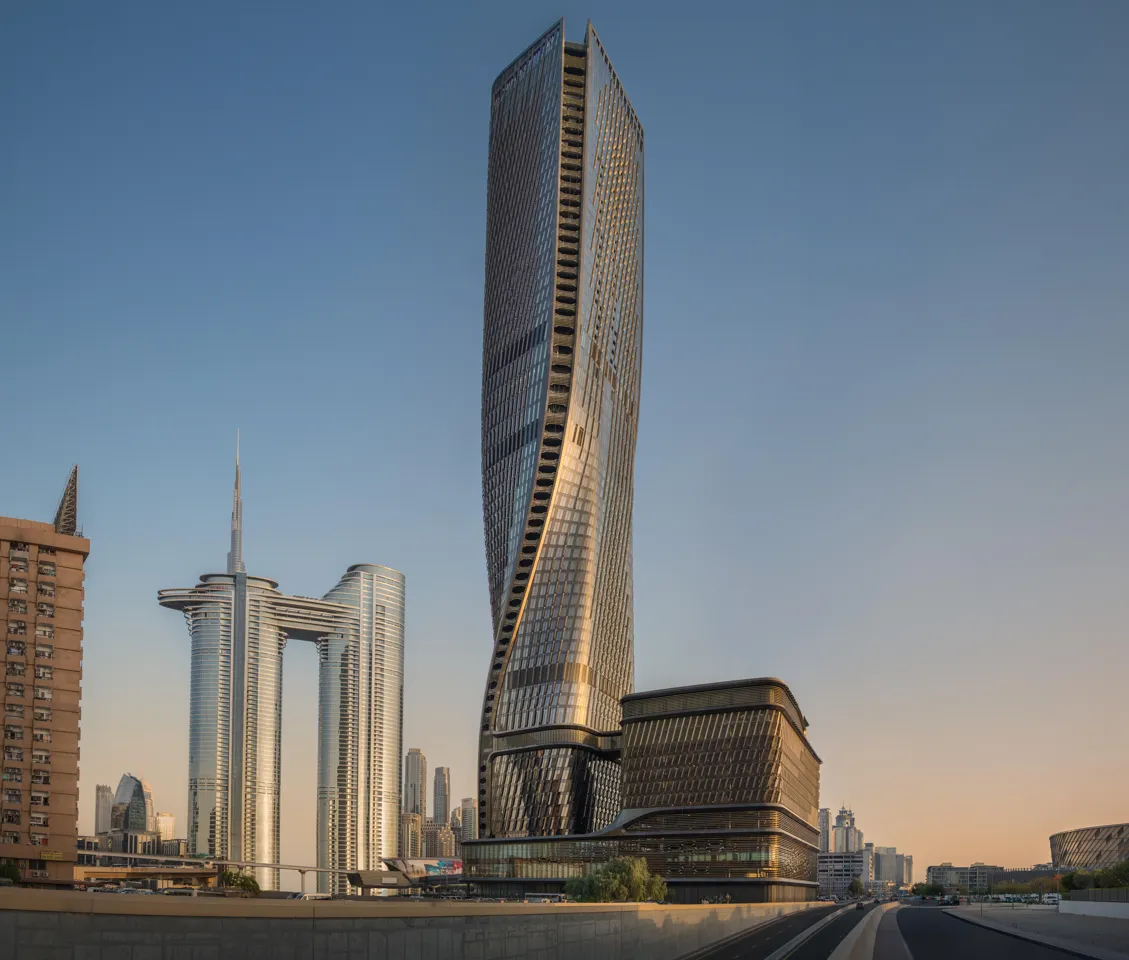
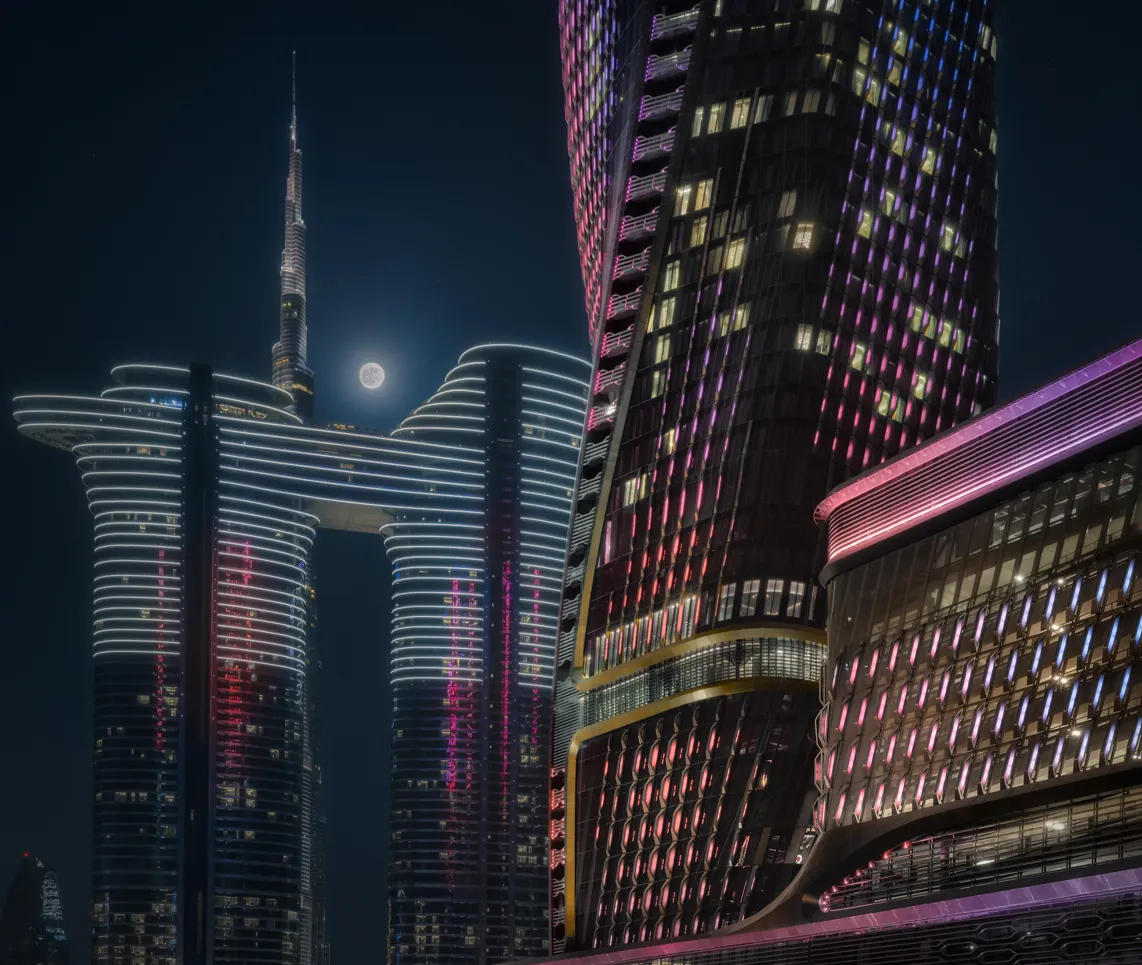
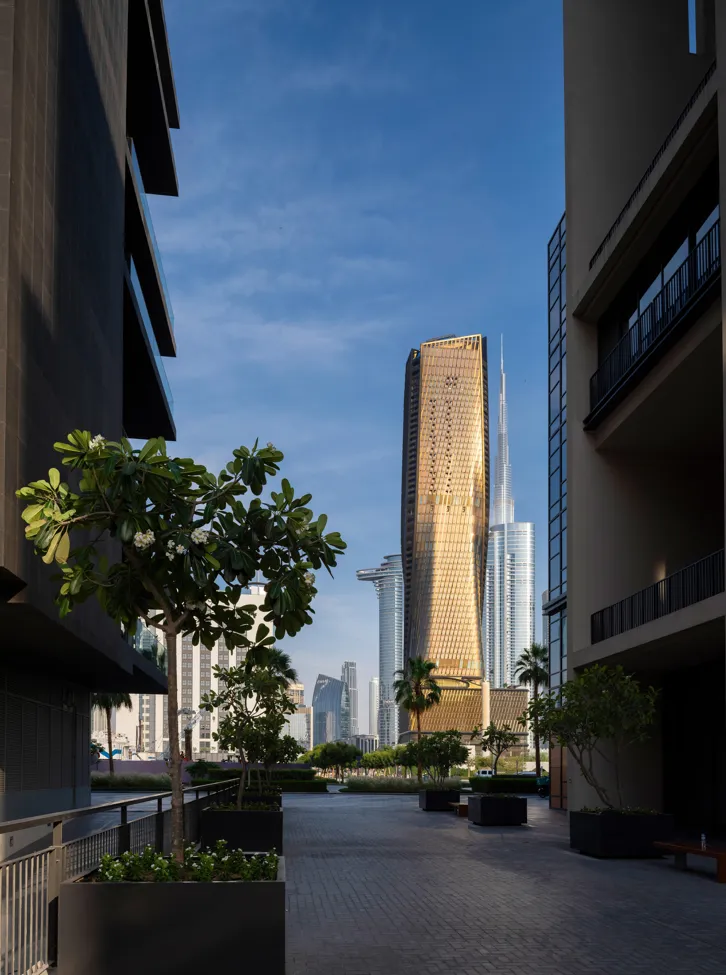
Standing 302 metres tall, just a stone's throw from the Burj Khalifa, a striking new silhouette has officially joined the bustling heart of Dubai. Completed in late 2025, Wasl Tower is far more than just another glass skyscraper.
Designed by architecture firm UNS in partnership with engineering consultant Werner Sobek, the tower represents a bold leap forward for urban design. By blending ancient regional materials with cutting-edge climate technology, Wasl Tower sets a new global standard for what a sustainable high-rise can achieve.
The "Ceramic Cloak"
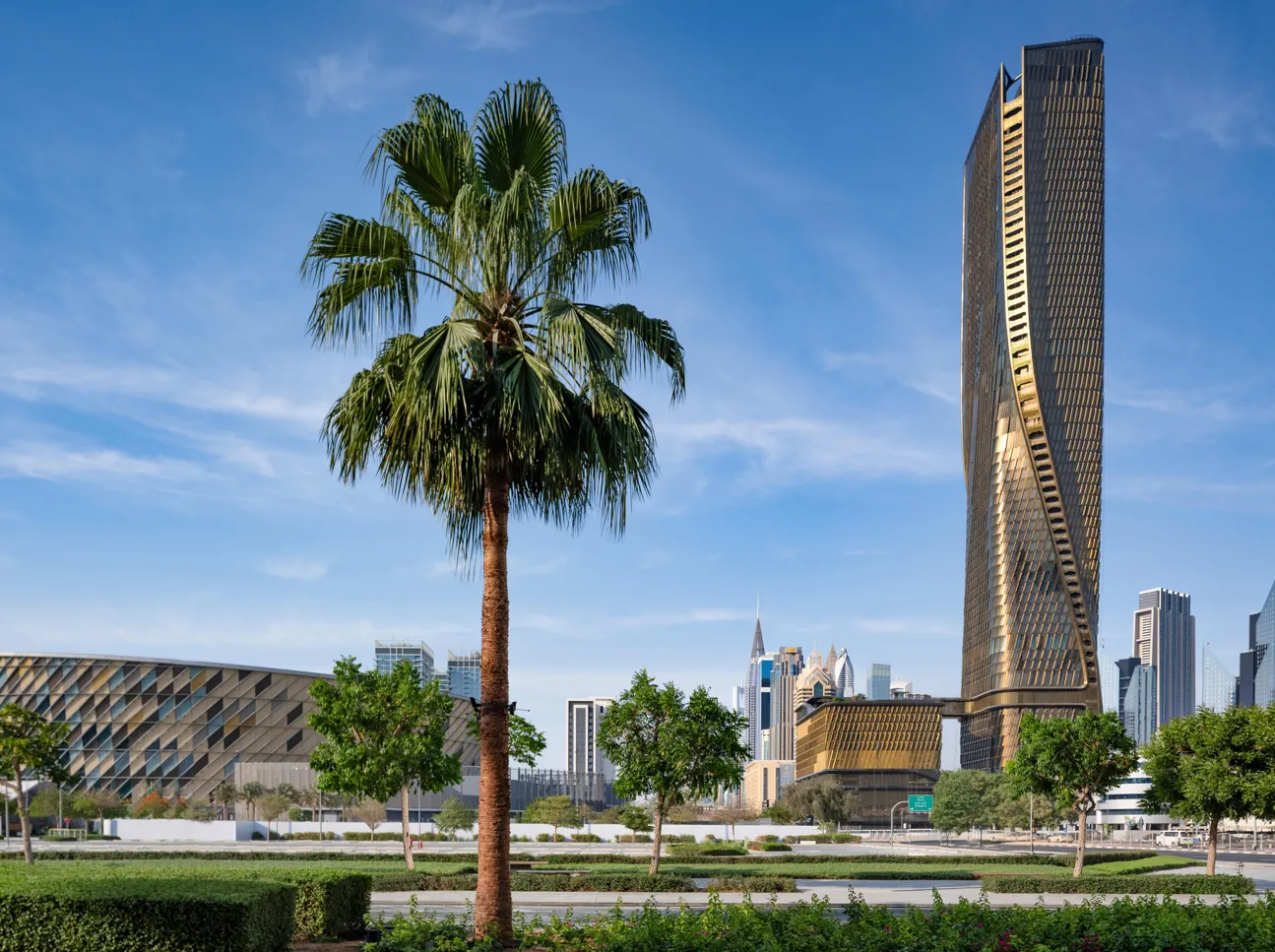
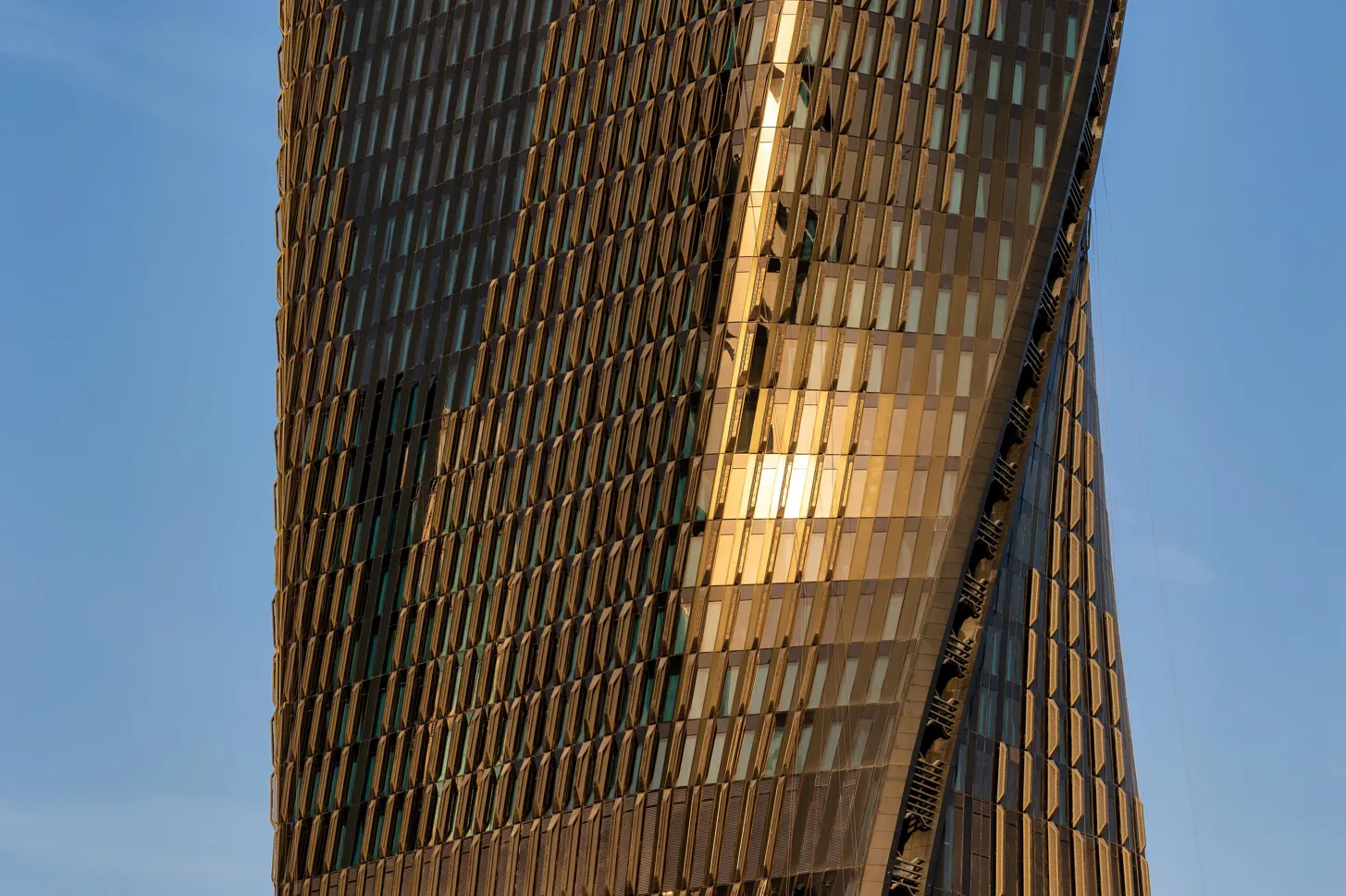
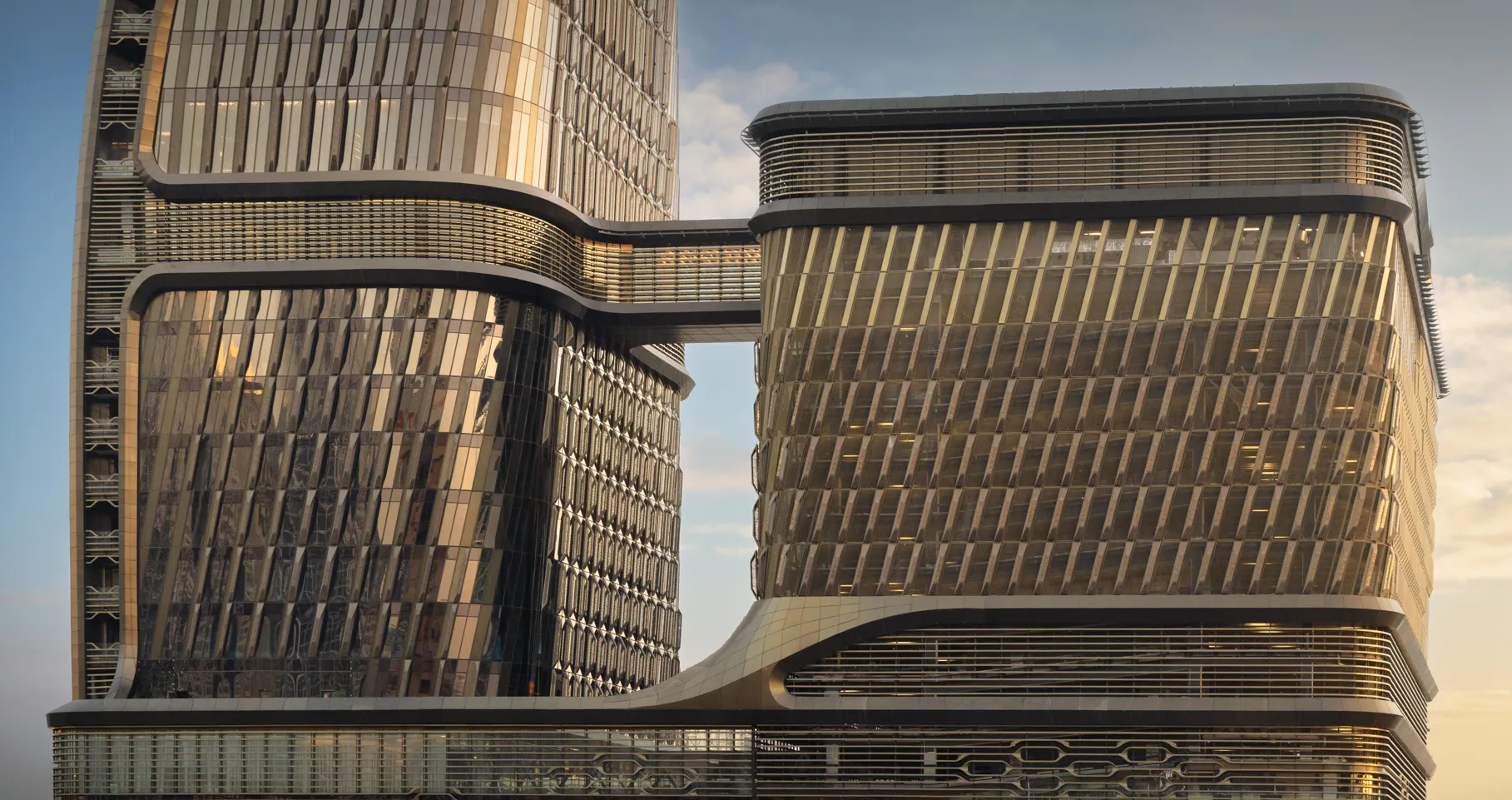
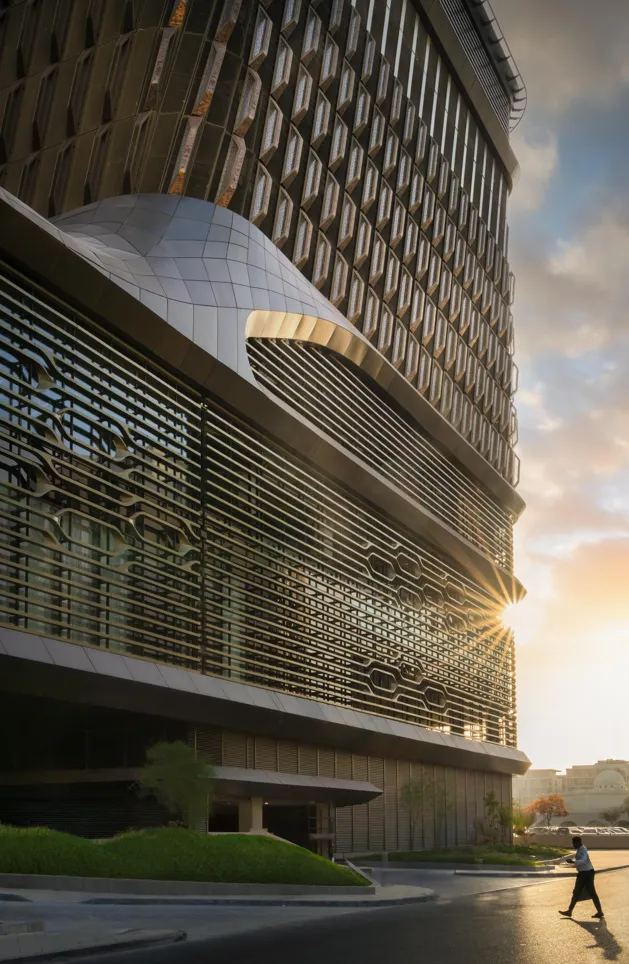
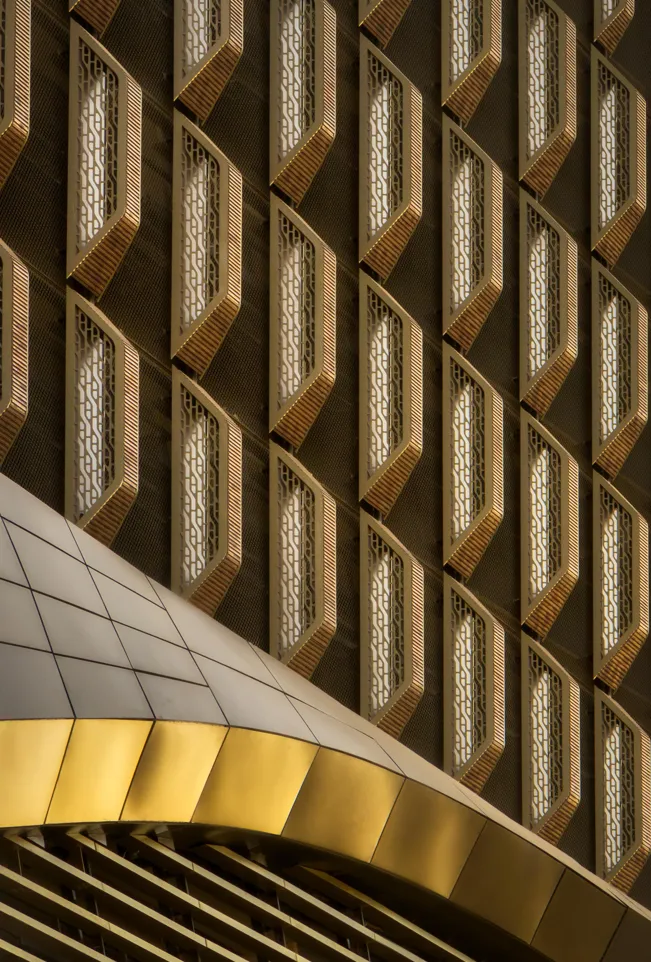
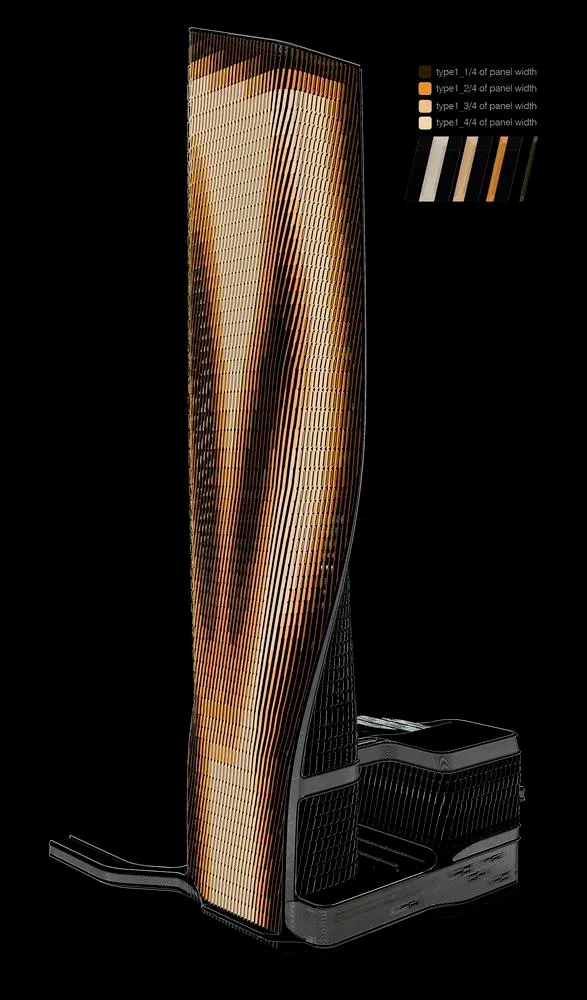
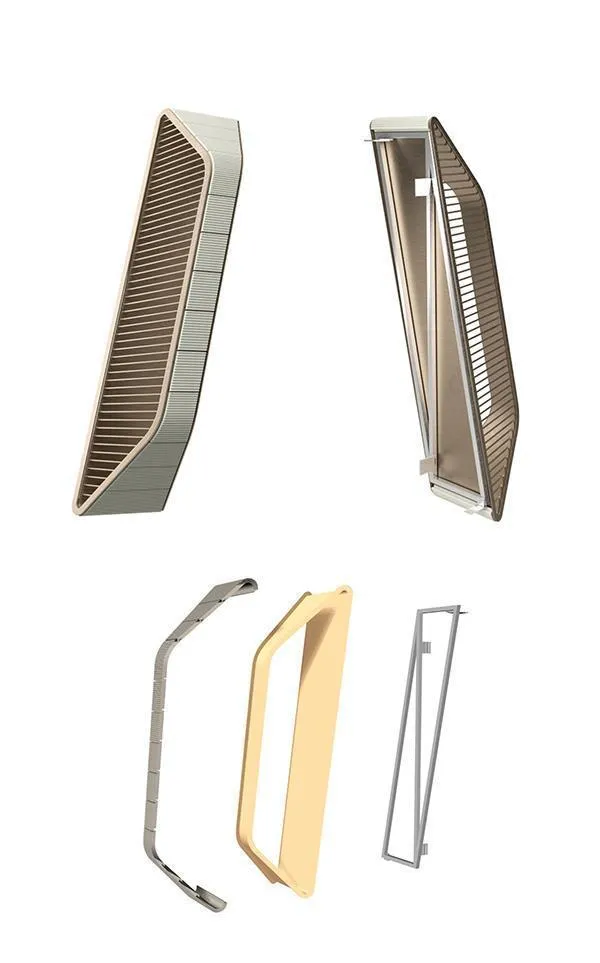
In a city famous for its gleaming glass facades, Wasl Tower takes a beautifully traditional approach. The building is wrapped in one of the world’s tallest terracotta ceramic facades. This isn't just an aesthetic choice—it is a highly functional "cloak" designed to battle the harsh desert climate.
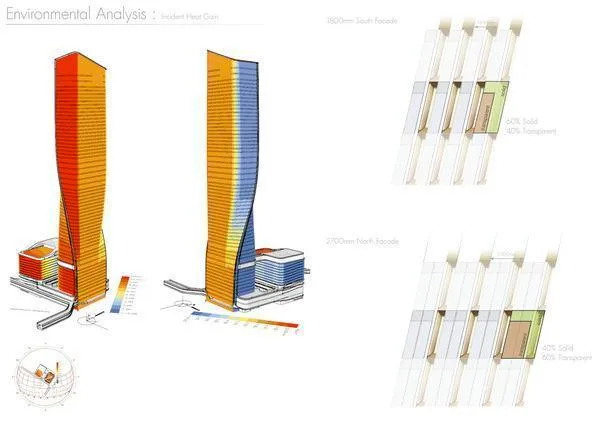
Natural Cooling: Thousands of custom ceramic fins provide passive shading and capture high winds, reducing the building's cooling demands by approximately 10% compared to older towers.
Dynamic Colours: Baked with a unique metallic glaze, the terracotta fins visually transform throughout the day as the sunlight shifts.
A Living Light Show: At night, a custom system designed by Arup Lighting animates the facade with subtle shifts in tone, allowing the building to pulse in rhythm with the 24-hour city.
A Twisting Vertical City
Wasl Tower is designed to look like it is in motion. The architects used a "contrapposto" design—a term often used in classical sculpture to describe a figure shifting its weight. This twisting shape minimizes the building's exposure to direct heat while giving it a constantly changing profile depending on where you stand in the city.
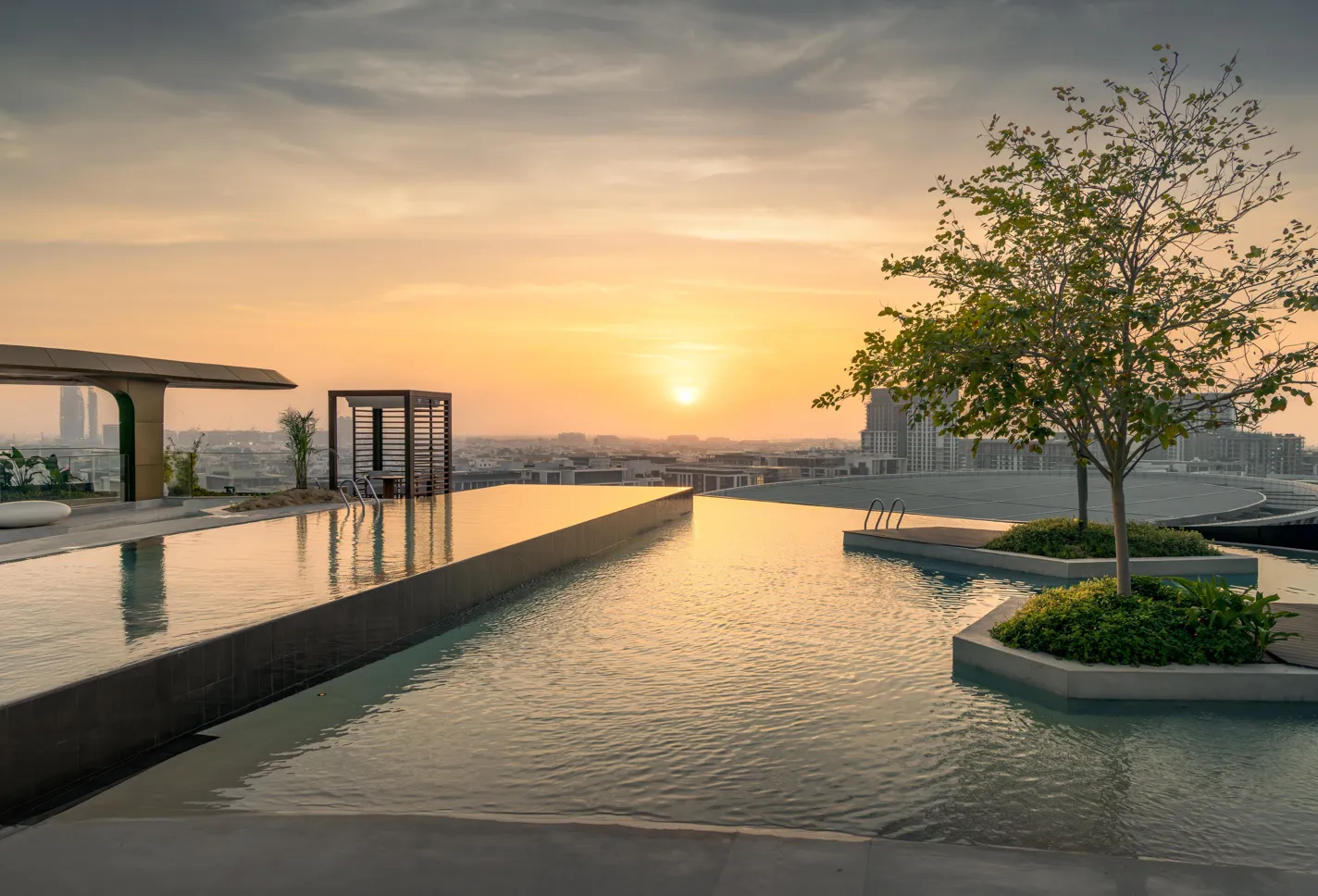
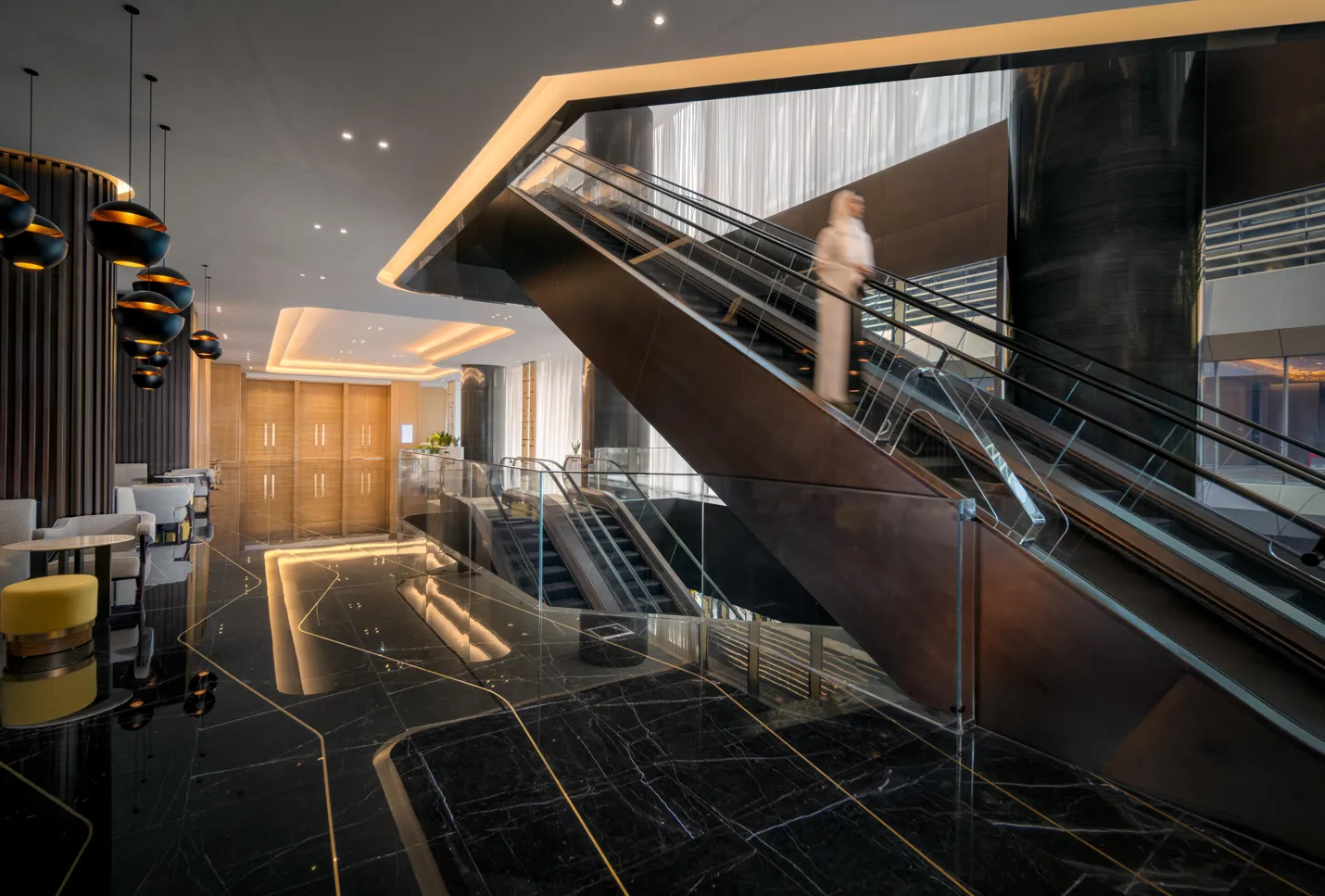
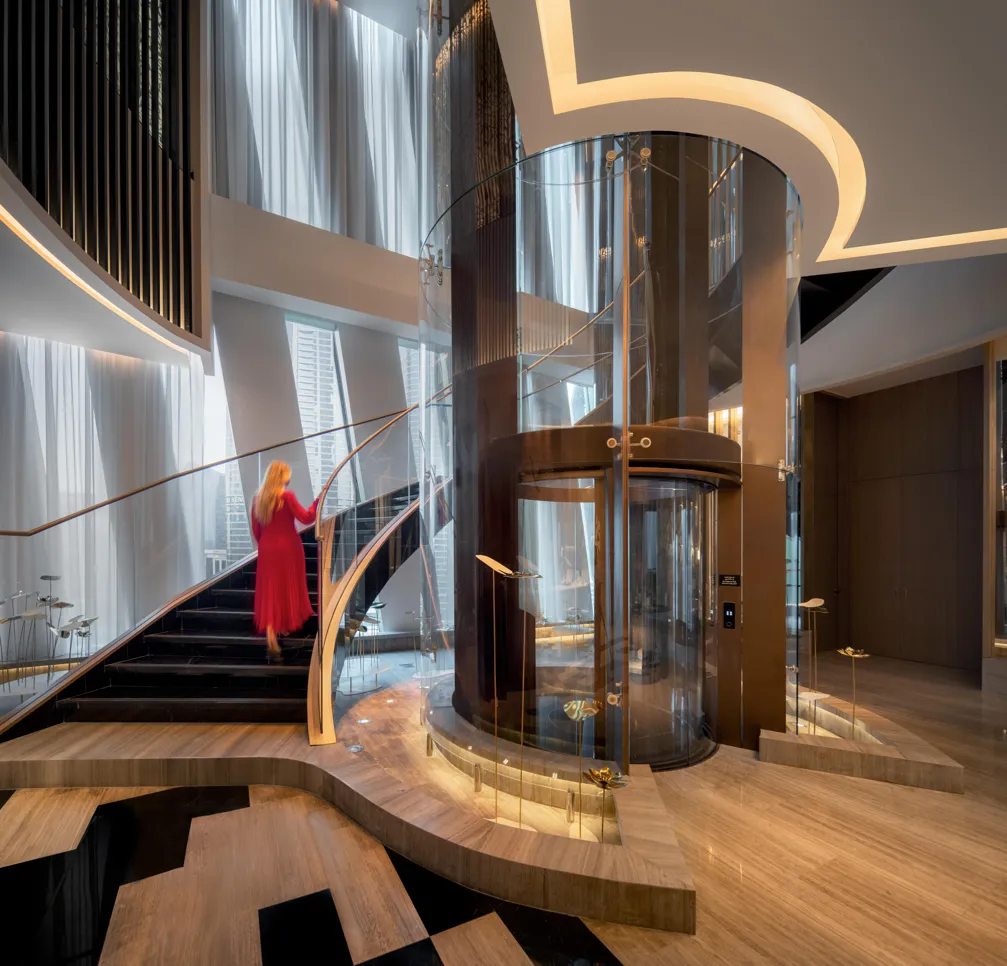
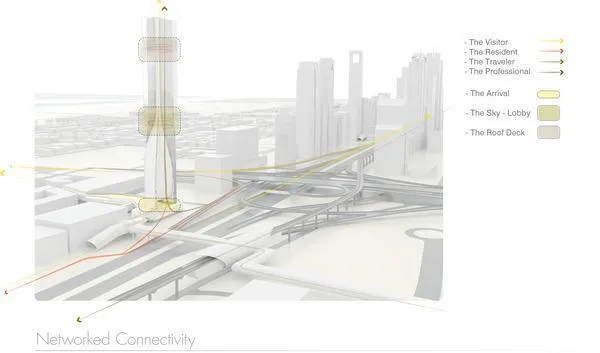
Inside, its sprawling 167,733 square metres act as a vertical community. It bridges the commercial hub of the Burj Khalifa with the vibrant street life of City Walk. A highly choreographed system of 17 elevators smoothly routes different users to their destinations, creating a seamless blend of luxury residences, offices, and elevated public spaces designed for dining and wellness.
Wasl Tower Wraps. Image courtesy of: Ahmad Alnaji - SARAB
The commitment to the environment goes all the way down to the building's bones. Grounded in a "Good for the People, Good for the Environment" philosophy, the tower is packed with green innovations:
Material Efficiency: An innovative structural design eliminated the need for many internal columns, saving a massive 3,000 cubic metres of concrete during construction.
Energy Savings: Daylight-responsive systems and smart LED lighting cut energy use in perimeter zones by up to 20%.
Healthy Interiors: The spaces prioritize natural daylight, feature CO2-based air ventilation, and incorporate sustainable finishes like regionally sourced granite and recycled acoustic panels.
Wasl Tower Wraps. Image courtesy of: Ahmad Alnaji - SARAB
Wasl Tower Wraps. Image courtesy of: Ahmad Alnaji - SARAB
Wasl Tower Wraps. Image courtesy of: Ahmad Alnaji - SARAB
Wasl Tower Wraps. Image courtesy of: Ahmad Alnaji - SARAB
Wasl Tower Wraps. Image courtesy of: Ahmad Alnaji - SARAB
An Award-Winning Hospitality Experience
A major highlight of the tower is the Mandarin Oriental Downtown Dubai. Divided into "vertical neighbourhoods," the hotel tosses out the traditional layout.
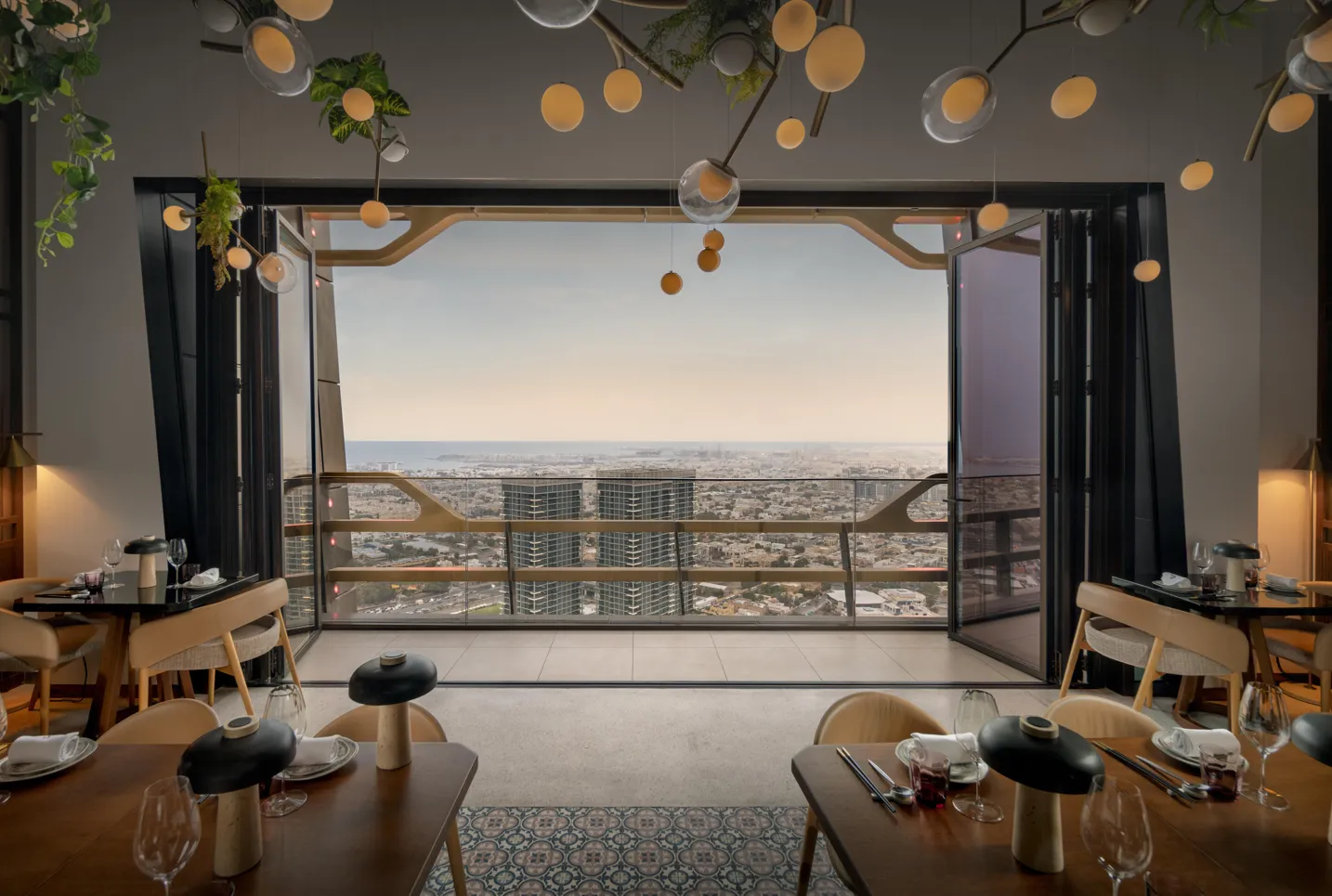
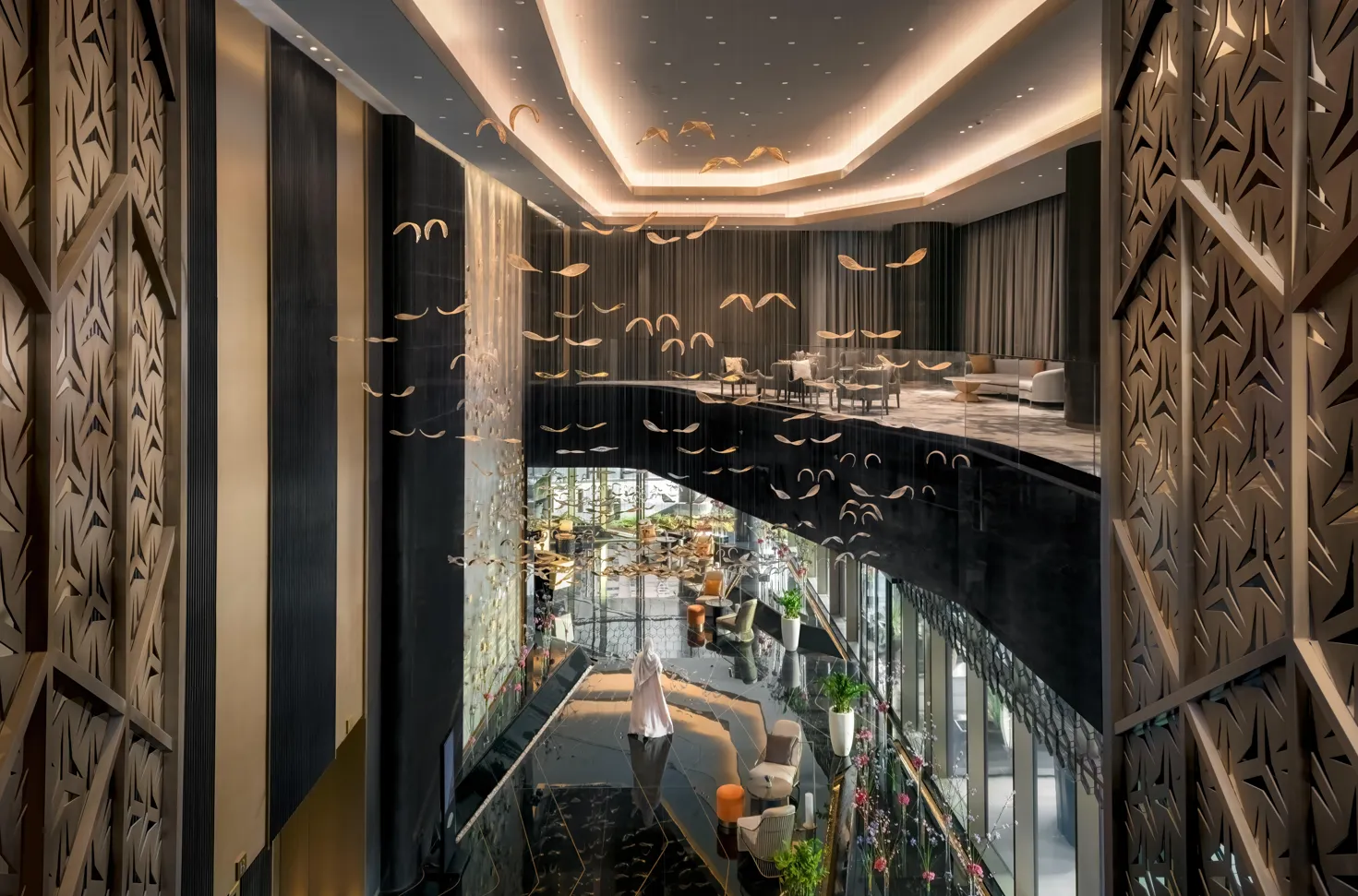
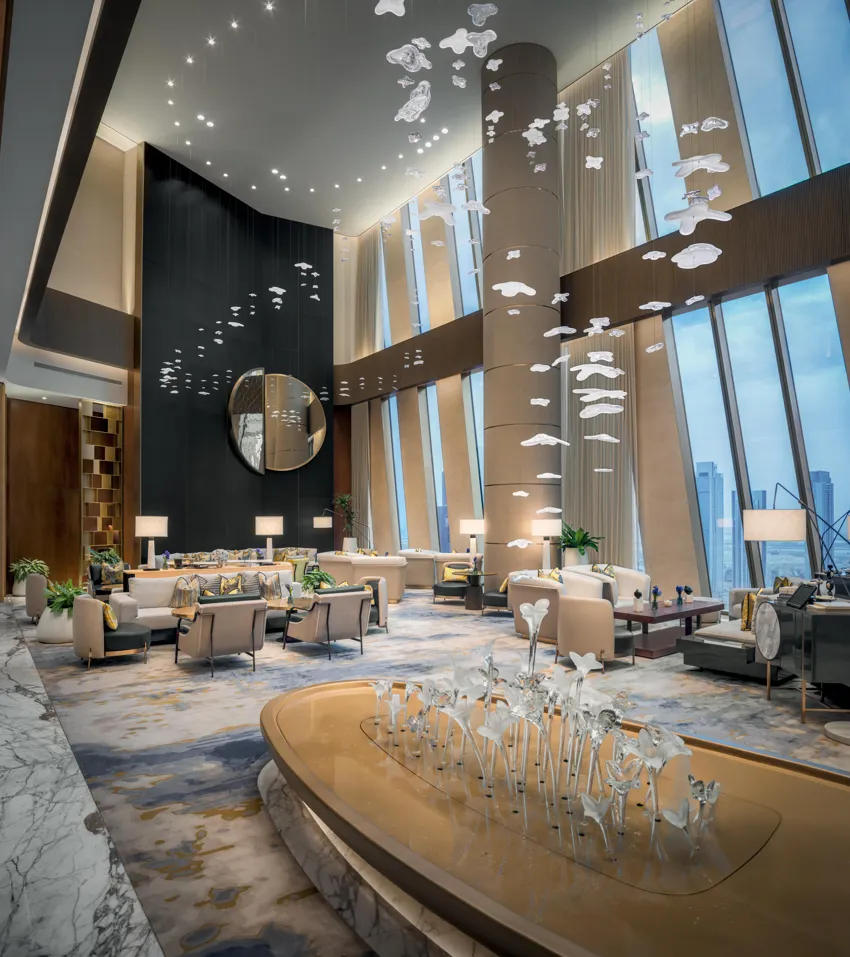
Guests are welcomed at a breathtaking sky lobby on levels 35 to 37. Wellness retreats offer a quiet escape on levels 11 and 12, while late-night venues boast panoramic views from levels 61 and 62. The flawless integration of the hotel into the tower's broader ecosystem has already earned it the "Architecture: Hotel" award at the 2025 Identity Design Awards.
Wasl Tower Wraps. Image courtesy of: UNS
Wasl Tower Wraps. Image courtesy of: UNS
Wasl Tower Wraps. Image courtesy of: UNS
Wasl Tower Wraps. Image courtesy of: UNS
Looking to the Future
Wasl Tower is a testament to the idea that the future of architecture doesn't have to abandon the past. By reimagining a traditional, low-tech material like ceramic at a massive scale, the architects have created a building that is healthier for its occupants, kinder to the environment, and a stunning new landmark for Dubai's next century.
Project Details
Client: Wasl Group
Location: Dubai - U.A.E.
Building surface: 107,539 sq. meters
Programme: Mixed-use; hotel, residential, offices, meeting centre, ballroom, spa and pools, F&B.
Height: 302m.
Status: completed 2025.
Credits
Lead consultancy design, Architecture, and Interior Architecture: UNS (Ben van Berkel, Gerard Loozekoot with Frans van Vuure and Nick Marks, Harlen Miller, Crystal Tang and Derrick Diporedjo, Machiel Wafelbakker, Dana Behrman, Roman Kristesiashvili, Filippo Lodi, Rene Wysk, Hans Kooij, Patrik Noome, Megan Hurford, Elizabeth White, Fernando Herrera and Aleksandra Sliwinska, Pietro Scarpa, Mihai Soltuz, Philip Wilck, Rutger Stefan Oor, Bao An Nguyen Phuoc, Nanang Santoso, Thomas van Bekhoven, Ka Shin Lu, Henk van Schuppen, Matthew Harrison, Jung Jae Suh, Jae Geun Ahn, Pieter Doets, Shankar Ramakrishan, Meng Zhang.)
Contractual Partner, Lead Consultant, and Engineering: Werner Sobek AG
Facade Engineering, Sustainability consultancy, Acoustic Engineering, MEP Engineering, Site supervision, and BIM discipline coordination: Sobek AG General Planning Structural Engineering
AdvisorsFacade light Design: Arup, Amsterdam
Architect of Record: U+A Architects, Dubai
Structural Engineering Construction Model: DeSimone Consulting Engineering, Dubai
Local MEP Engineering: Seed, Dubai
Landscape Architect: Green4Cities, Vienna / Terra Firma Landscape, Dubai
Since 1988, when Ben van Berkel and Caroline Bos established UNS in Amsterdam, the firm has been driven by the singular vision to design spaces that shape the way people live, work, and connect.
Today, UNS is a global design and consulting studio that goes beyond architecture. From interiors and product design to urban development, landscape design, and user experience, they create solutions that are as diverse as the challenges they face. With strategically located offices in Amsterdam, Shanghai, Hong Kong, Dubai, Frankfurt, Melbourne, and Austin, UNS is equipped to work seamlessly across the globe, bringing local insights to every project. With a passion for innovation at the heart of their work, their designs stand for quality, originality, optimism, and intelligence, and they take pride in building spaces that inspire, adapt, and endure.
Great design bridges past and future, creating spaces that evolve with us.
Our built environment is in a constant state of beautiful evolution. At Forma, we believe that architecture and design are deeply personal—they dictate how we live, grow, and connect across every stage of life. As a community of designers, architects, engineers, trades, builders, suppliers, students and creators, we are constantly tasked with bridging what was with what will be. Whether we are exploring innovative new builds, thoughtful restorations, or the visionary people shaping our industry, our mission remains the same: to look beyond the aesthetics. We invite you to explore the human stories woven into the brick, light, and landscapes of the spaces we inhabit. Thank you to everyone who reads, contributes, and shares in this vision.
Then there is Montréal—a city that, for twenty years, has chosen to "govern" itself. In June 2006, the Québec metropolis became the first city in North America and only the third in the world to join the UNESCO Creative Cities Network in the field of design. Two decades on, that designation has proven to be far more than a badge of honour. It has become the philosophical spine of an entire urban project.
The University of Alberta has officially opened the doors to University Commons, a breathtaking 405,000-square-foot transformation of its century-old Dentistry and Pharmacy building. Designed by the visionary team at Zeidler Architecture, this monumental project turns a historic landmark into a vibrant, modern gateway.
Humans spent 99% of their evolutionary history adapting to the natural world. Today, we spend roughly 90% of our lives inside sealed, climate-controlled boxes. This massive shift has left us chronically stressed, fatigued, and disconnected.
Winner of the 2026 Award of Excellence in Architecture from the Quebec Association of Architects, the Aubé House is more than just a beautifully designed residence. It is a physical timeline—a space where a rich family history meets breathtaking modern design.
Just north of Toronto, perched on the edge of a wooded valley, sits Ravine House—a contemporary home that redefines what it means to live in harmony with nature. Rather than acting as a barrier against the outdoors or simply occupying a plot of land, this stunning residence acts as an immersive, beautiful mediator between comfortable domestic living and the natural landscape.
On May 29th, as the sun began to set over the historic brick facades of Old Town Toronto, the streets took on a new, electric energy. The King East Design District (KEDD) Neighbourhood Hop—the highly anticipated annual event presented by DesignTO in collaboration with the Old Town Toronto BIA—was officially underway. For a few magic hours, the neighbourhood morphed into a sprawling, interactive playground for creativity and innovation.
In the heart of Quebec’s rugged Laurentians region, a new kind of home has taken flight. Located in the quiet community of La Conception, The Albatross is not just a house; it is a masterclass in modern residential design. Image courtesy of: Stéphane Groleau Created by the teams at MU Architecture in close collaboration with architect Anik Patry, this extraordinary home was built around a beautiful, simple idea: to place a modern family at the very center of a spectacular nat
Great architecture does more than simply house people; it shapes how they learn, create, and connect with the world around them. Université du Québec à Montréal (UQAM) has long understood this, and the architectural community agrees. Recently, UQAM’s iconic pavillon de Design was awarded the Royal Architectural Institute of Canada’s (RAIC) Prix du XXe siècle, a prestigious honour that recognizes the most outstanding and enduring architectural achievements of the last century.