Inside Toronto’s Montrose Sixplex: Blending In and Building Up
May 4
3 min read
As cities continue to grow, a common question arises: how can we add more housing to quiet, established neighbourhoods without losing their unique charm?
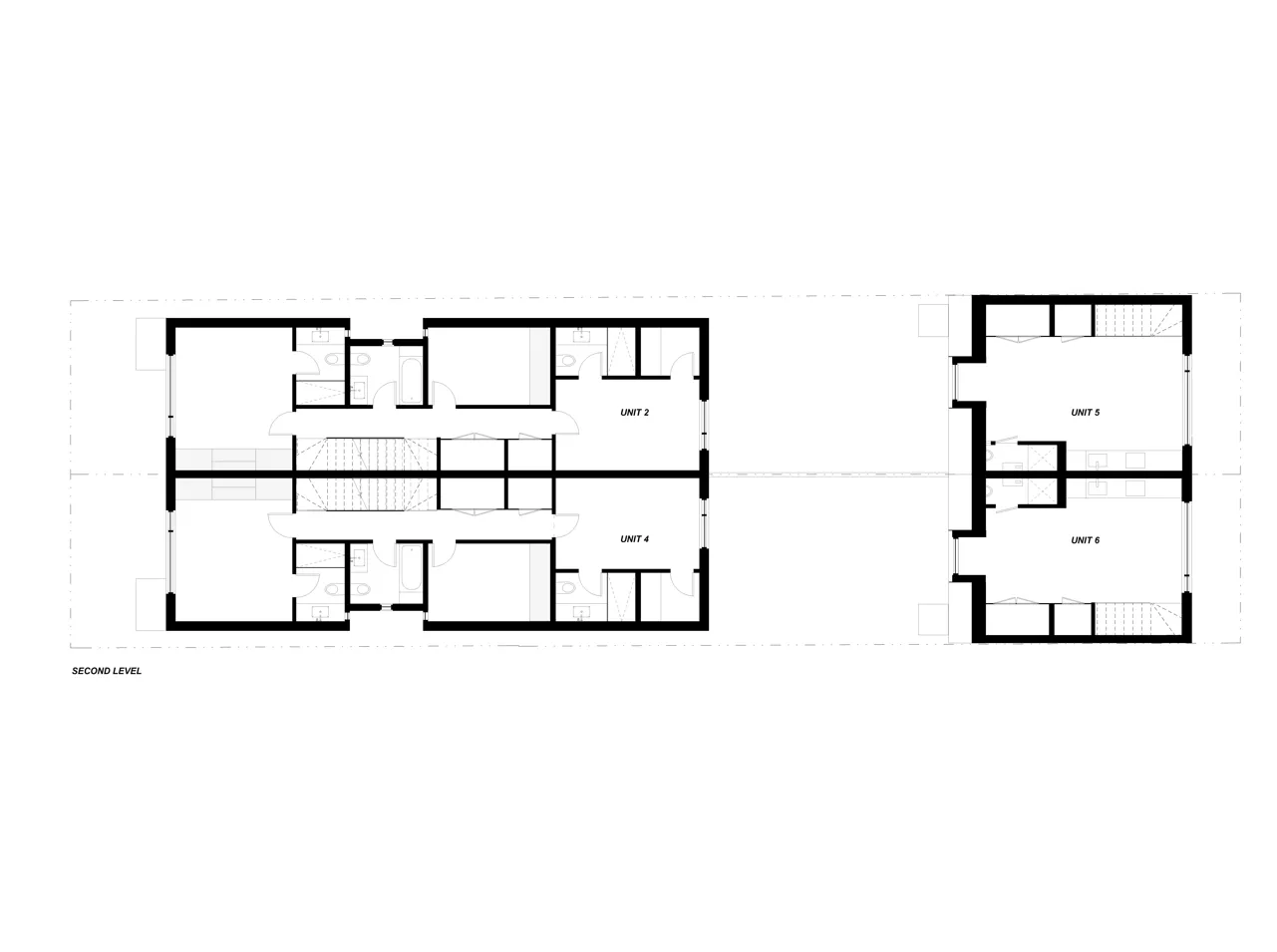
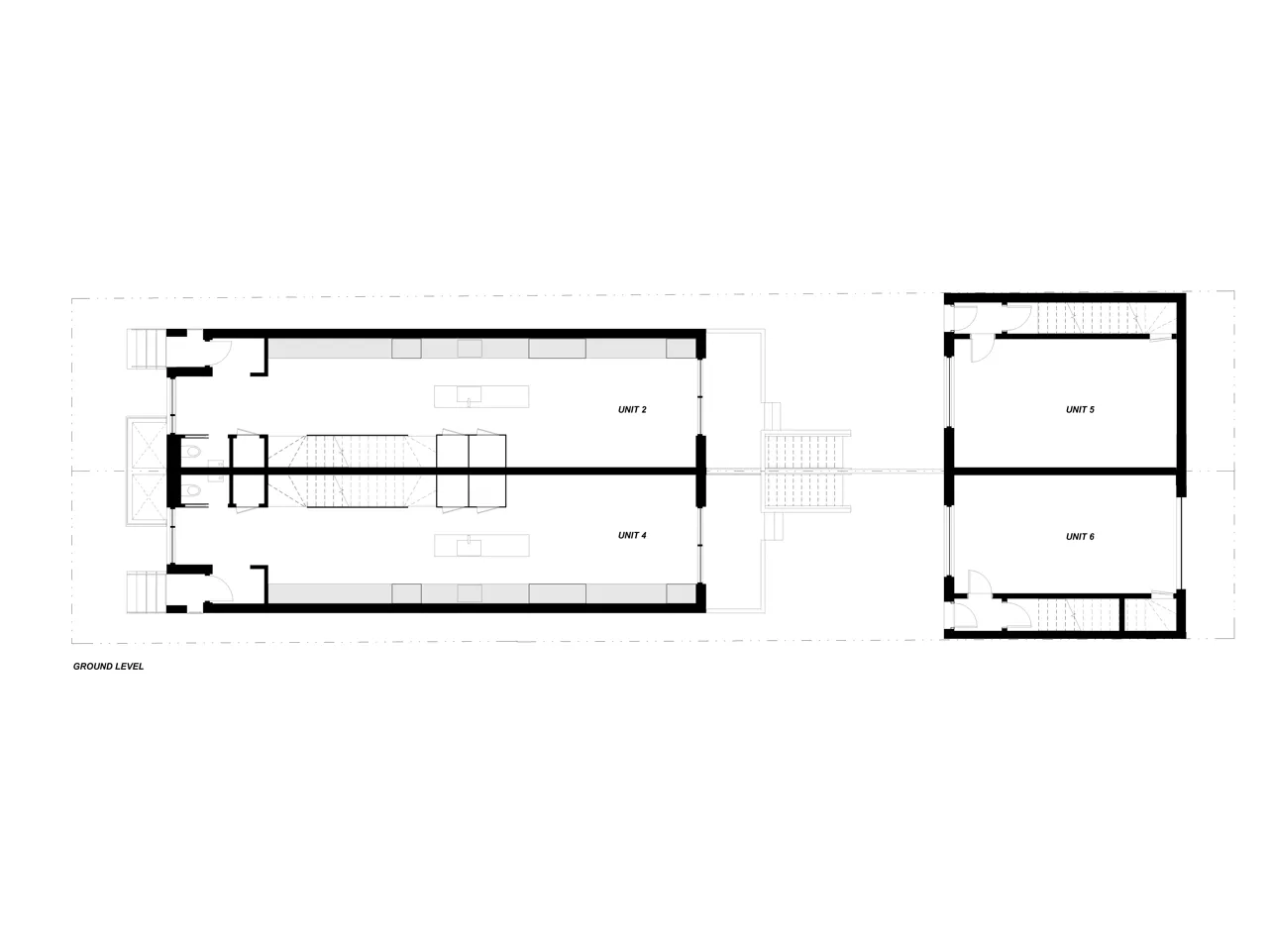
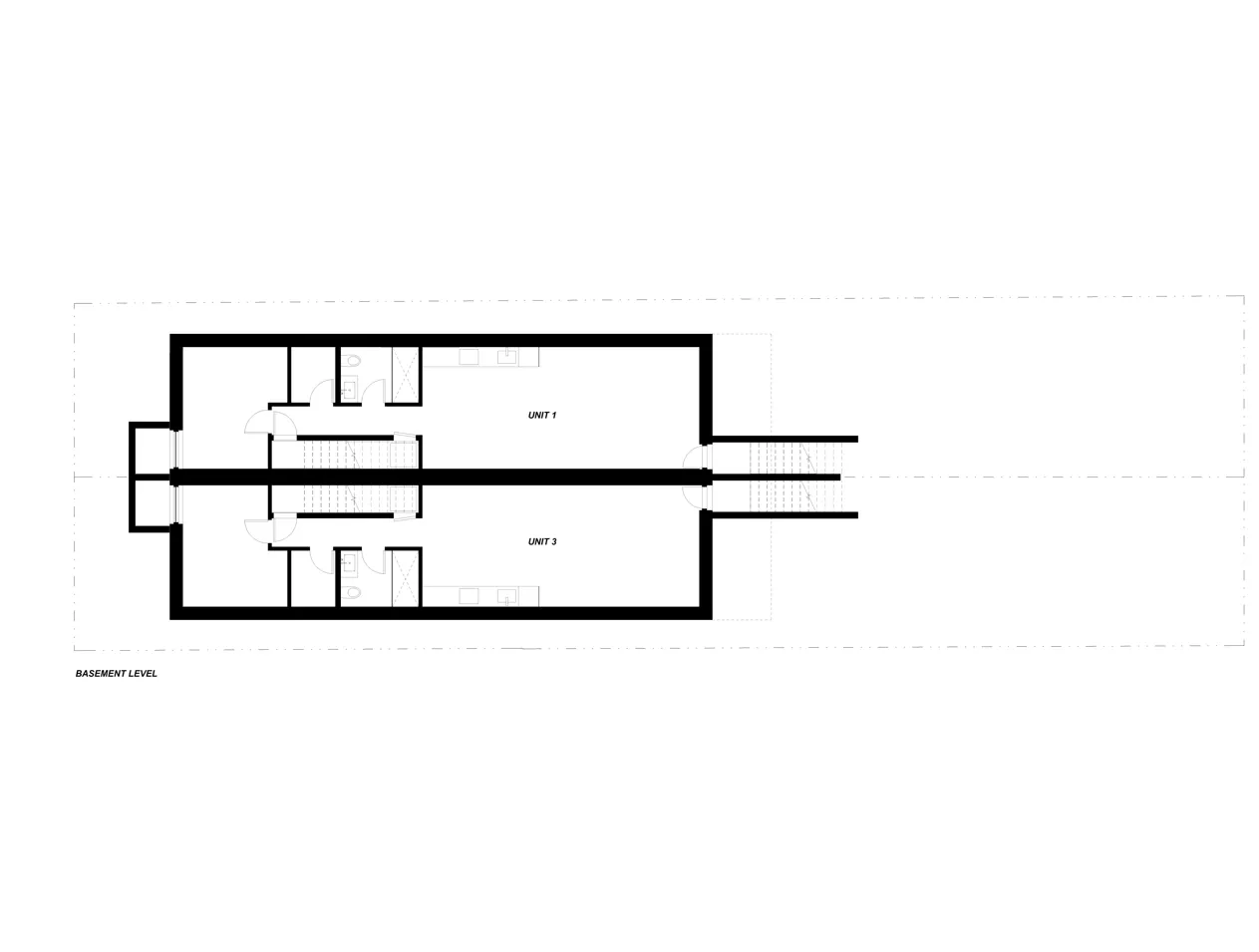
Gabriel Fain Architects provides a brilliant answer with the Montrose Sixplex. Completed in 2026, this six-unit rental housing project in Toronto shows how smart design can gracefully add homes to a community while perfectly matching its existing character.
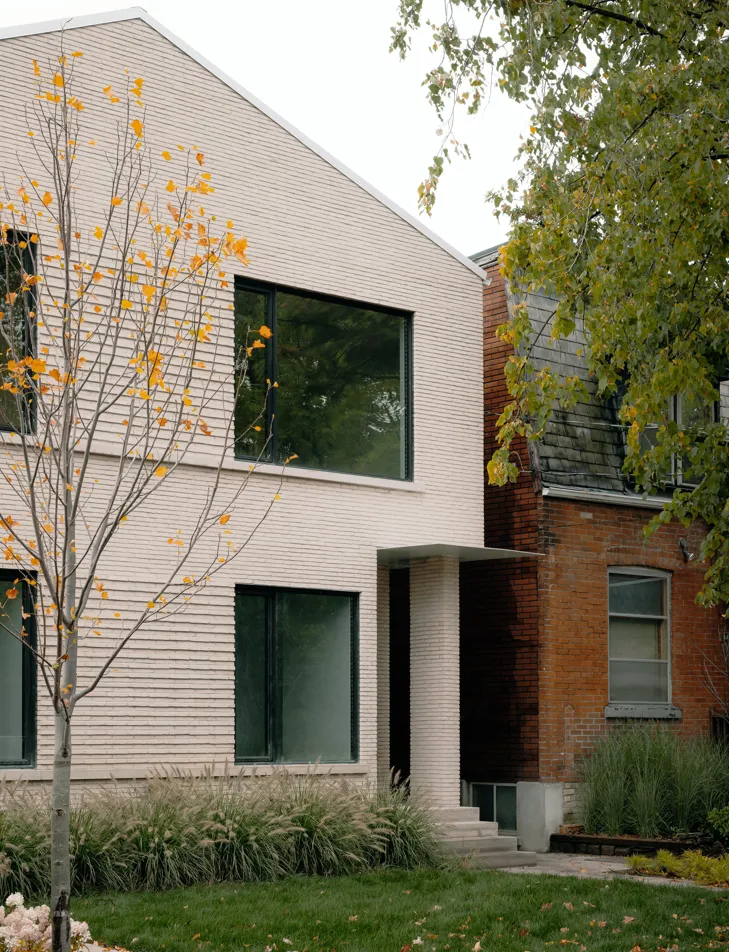
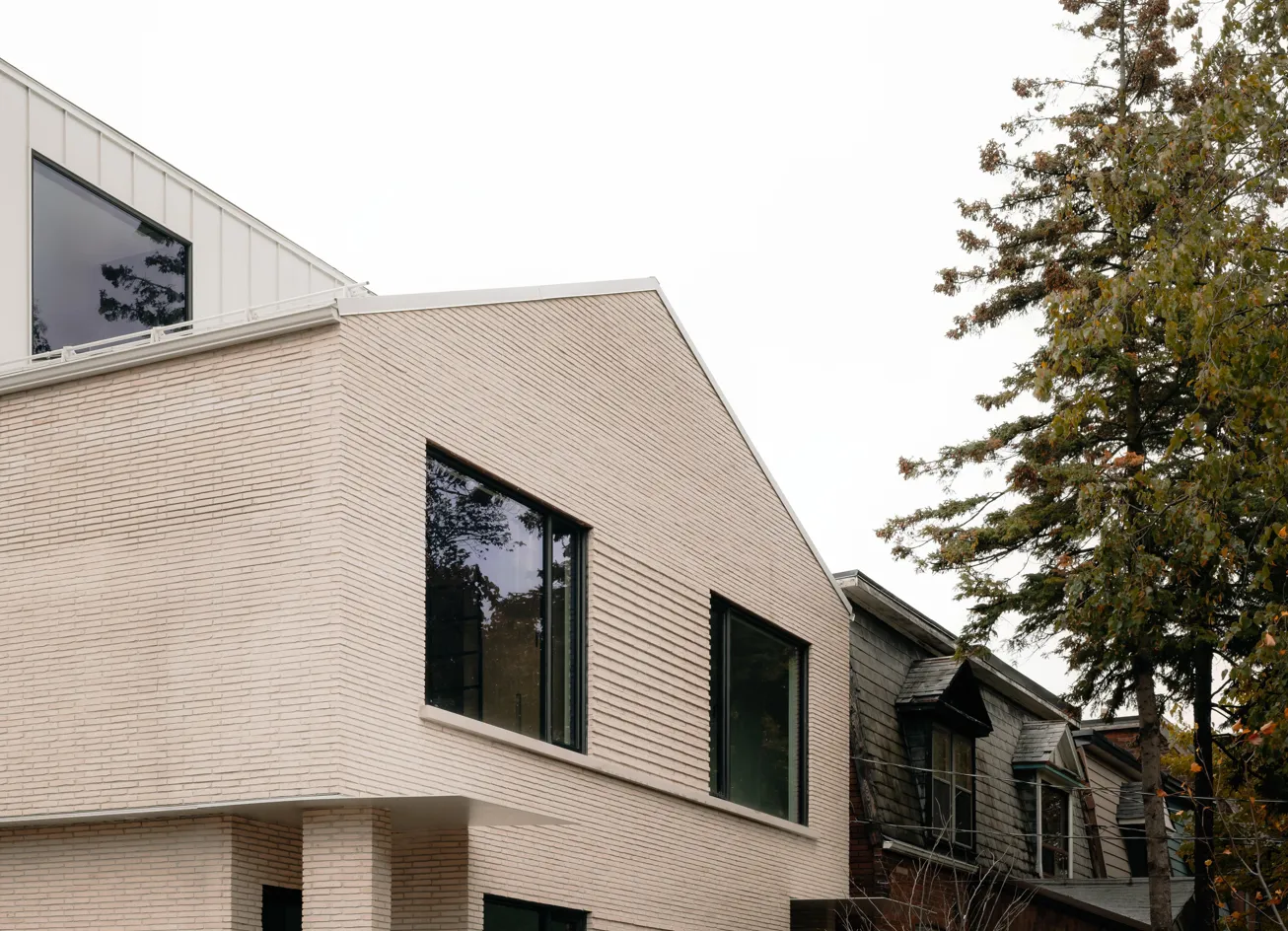
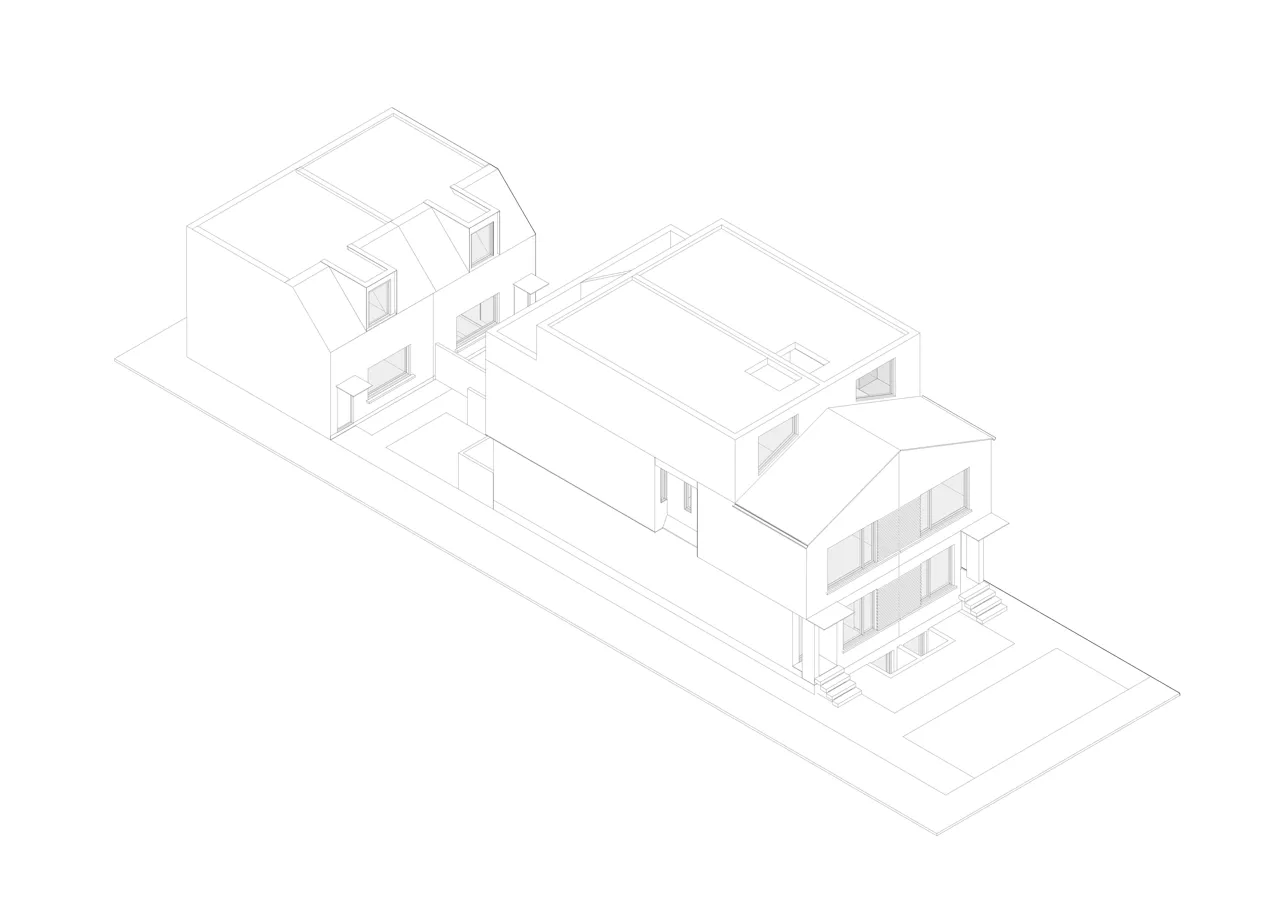
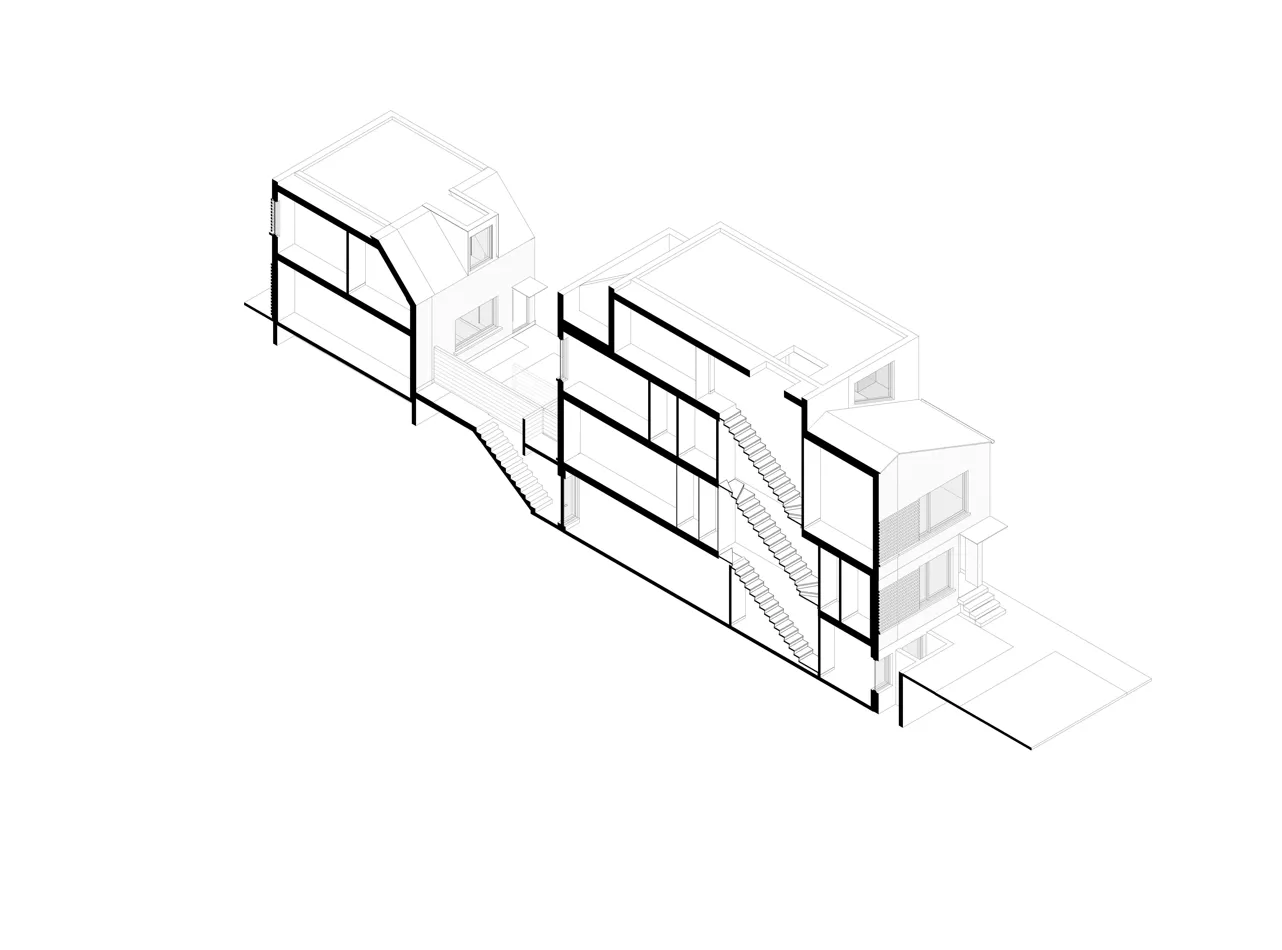
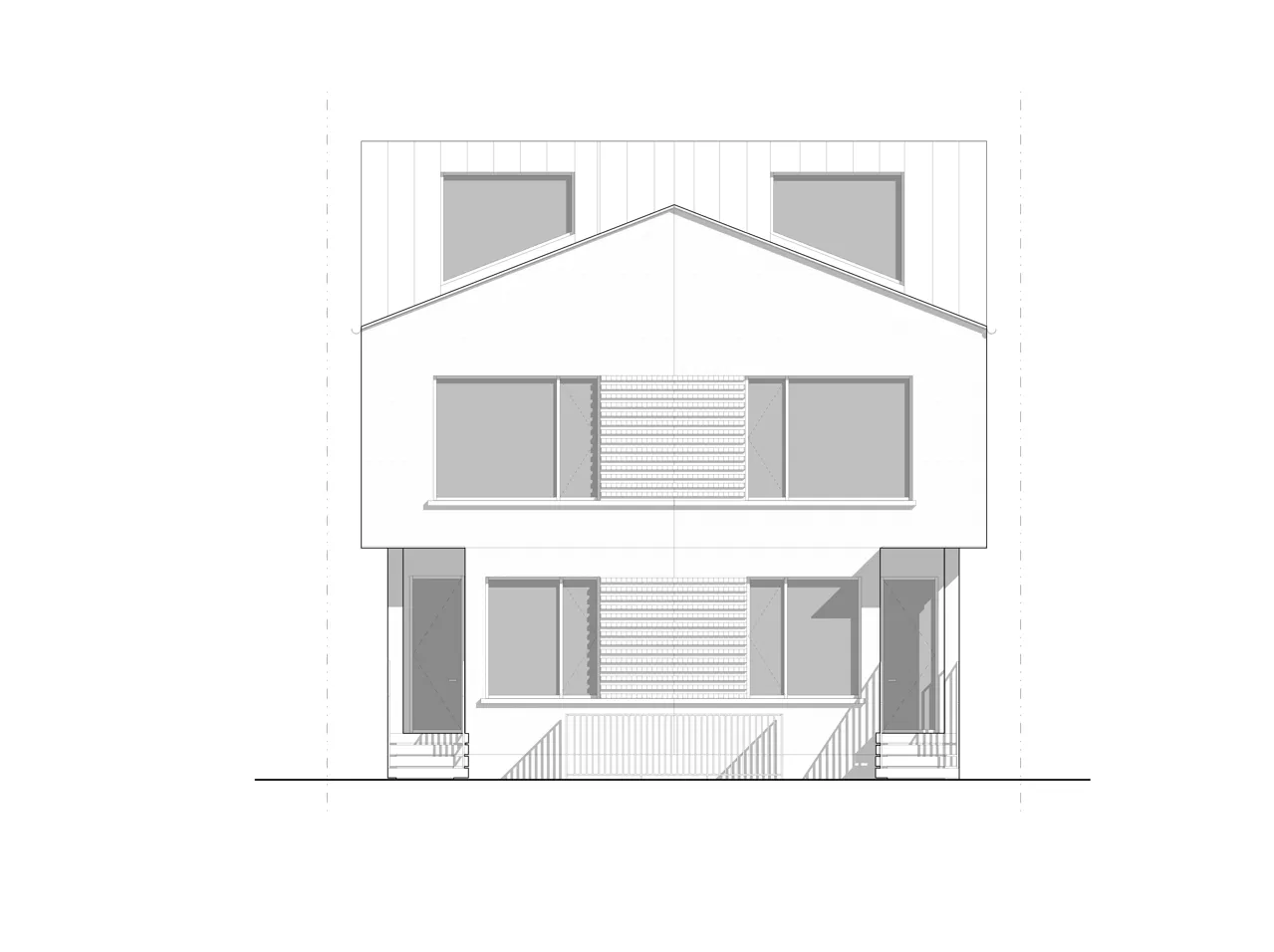
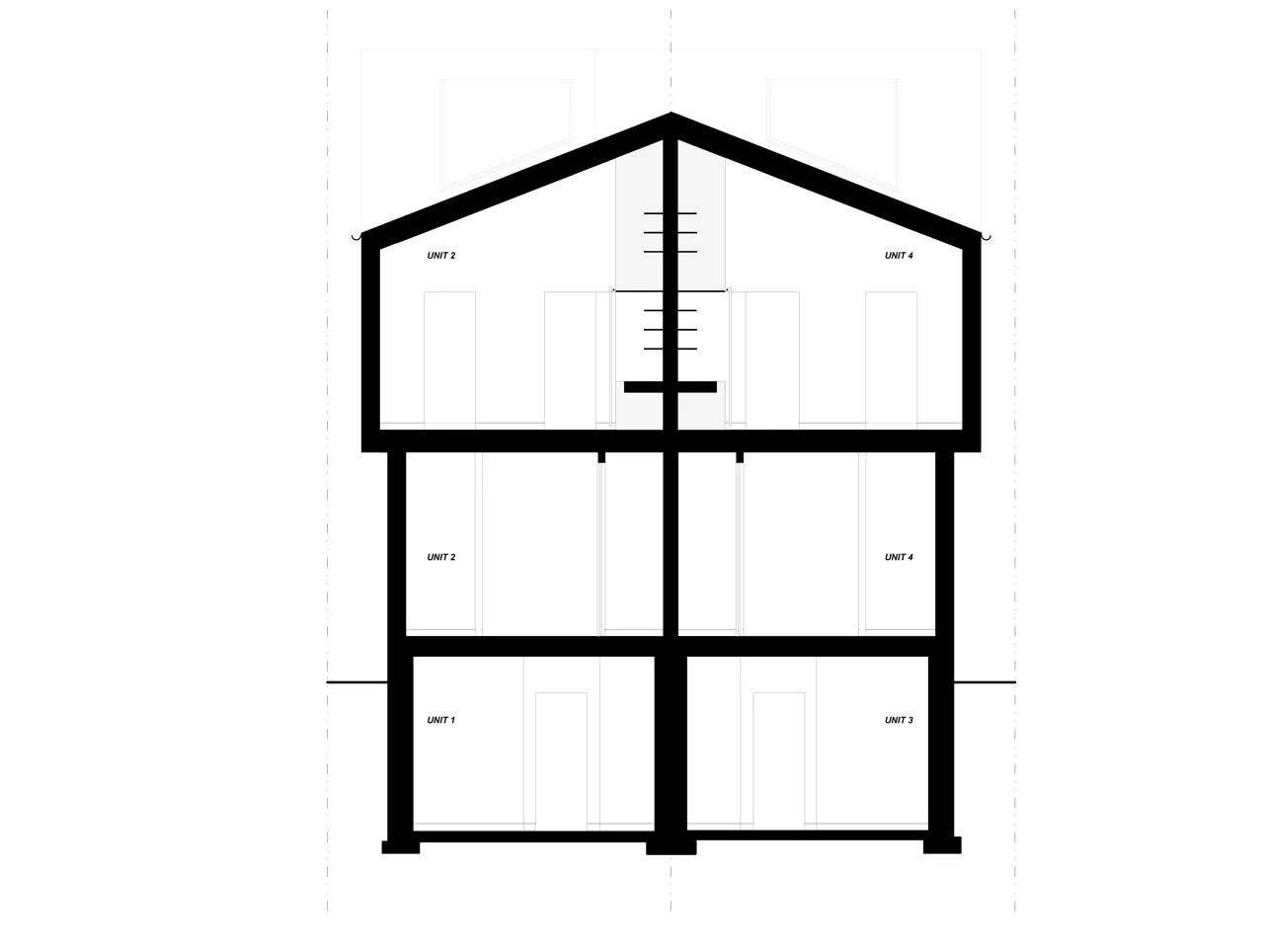
From the sidewalk, the main building of the Montrose Sixplex does not look like a typical apartment complex. Instead, it is designed with a classic gabled (pitched) roof, allowing it to blend seamlessly with the traditional houses next door. This familiar silhouette neatly hides the extra living space inside while maintaining the street's natural rhythm and scale.
The exterior is wrapped in beautiful Belgian buff brick, giving the building a solid, timeless feel. The architects paid close attention to the details, using limestone windowsills and patterned brickwork to add depth and shadow to the walls. The entryways are clear but understated, ensuring the building maintains a calm, welcoming presence in the neighbourhood.
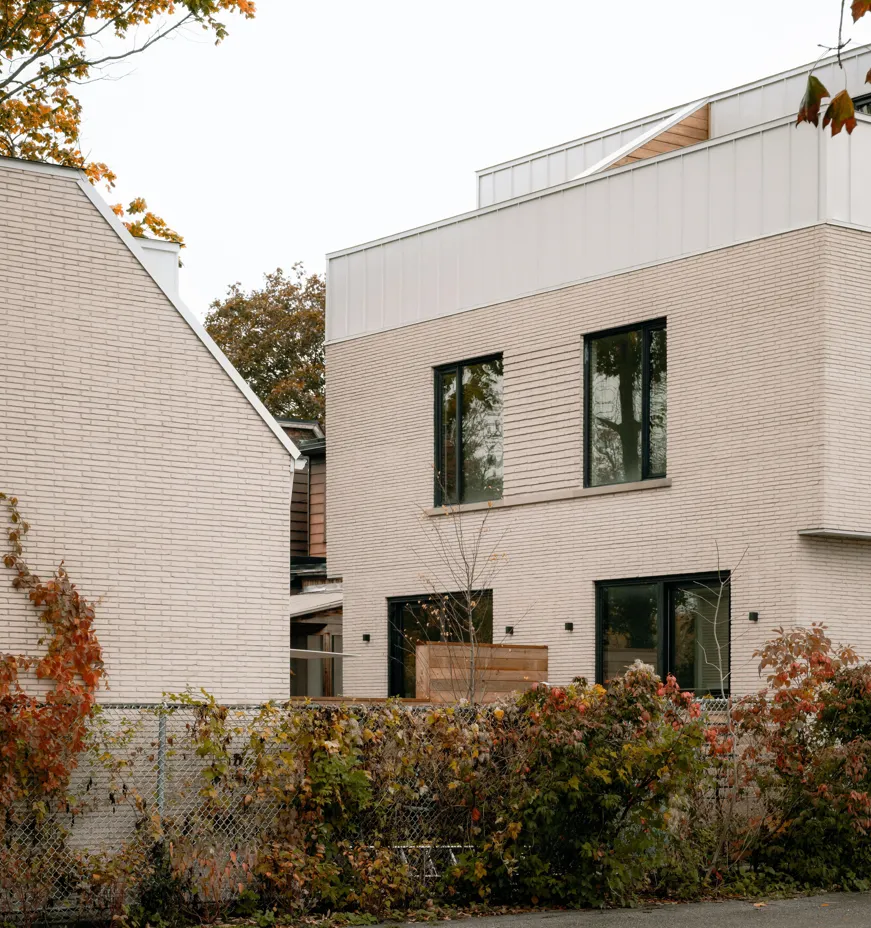
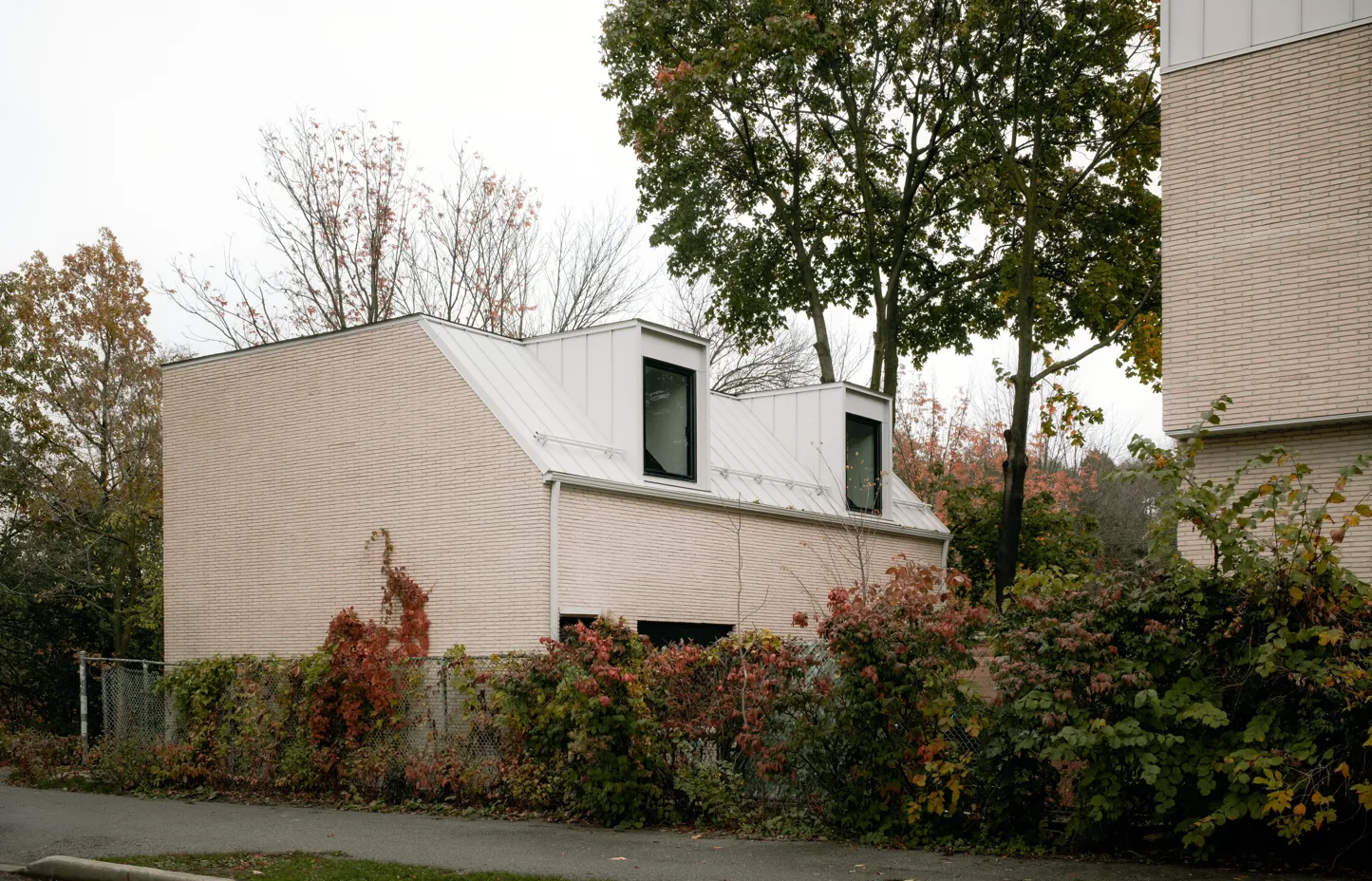
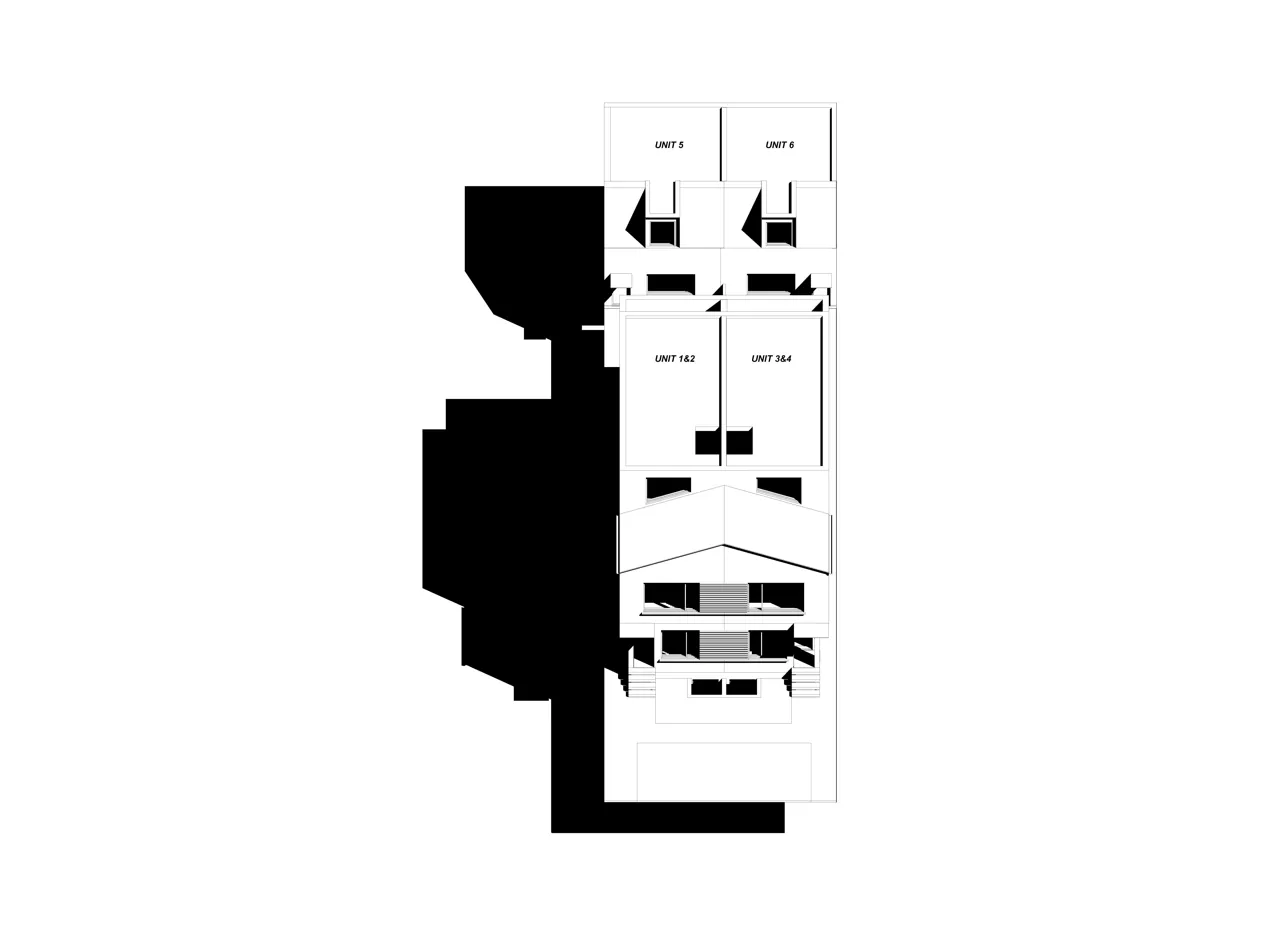
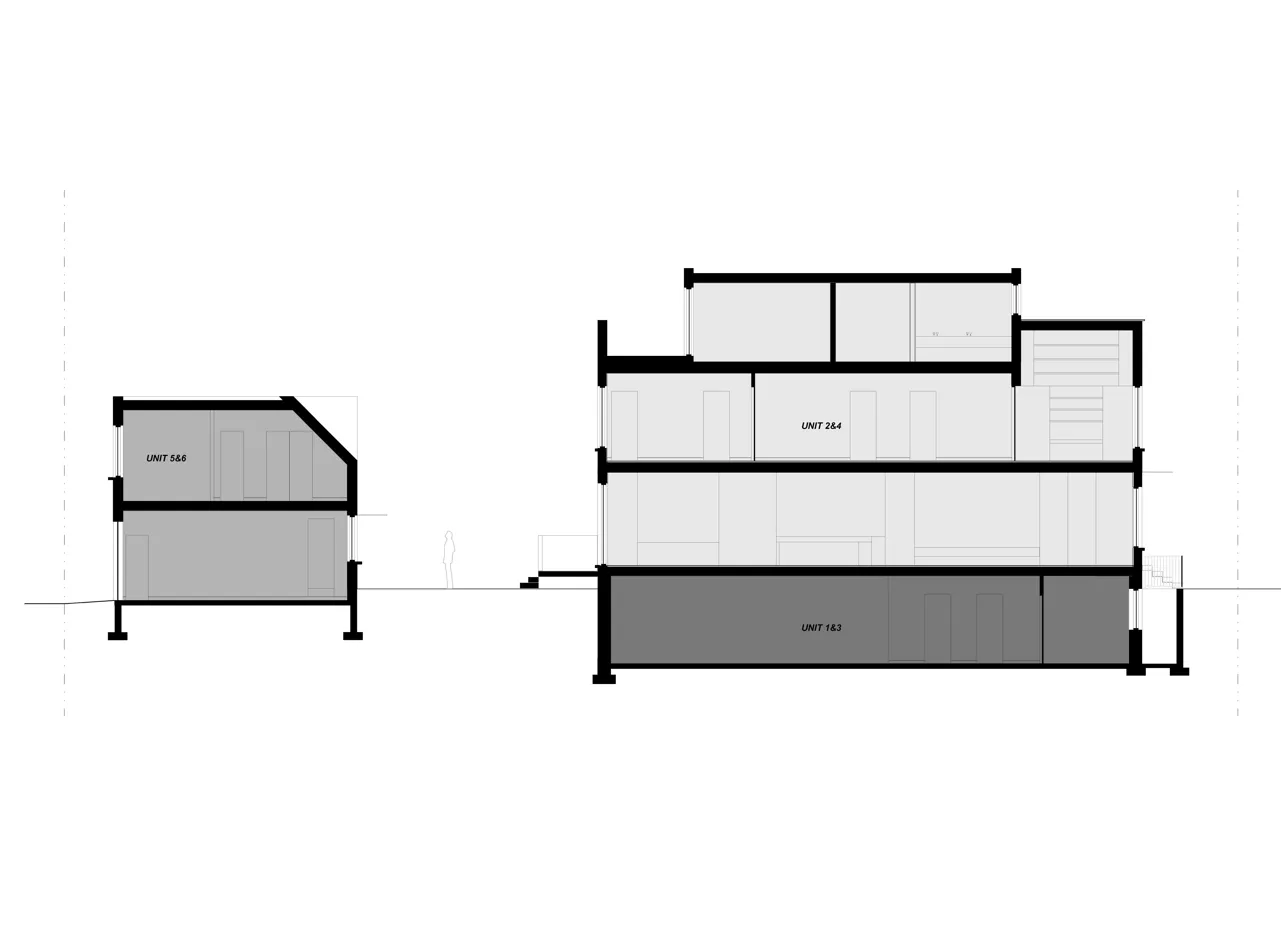
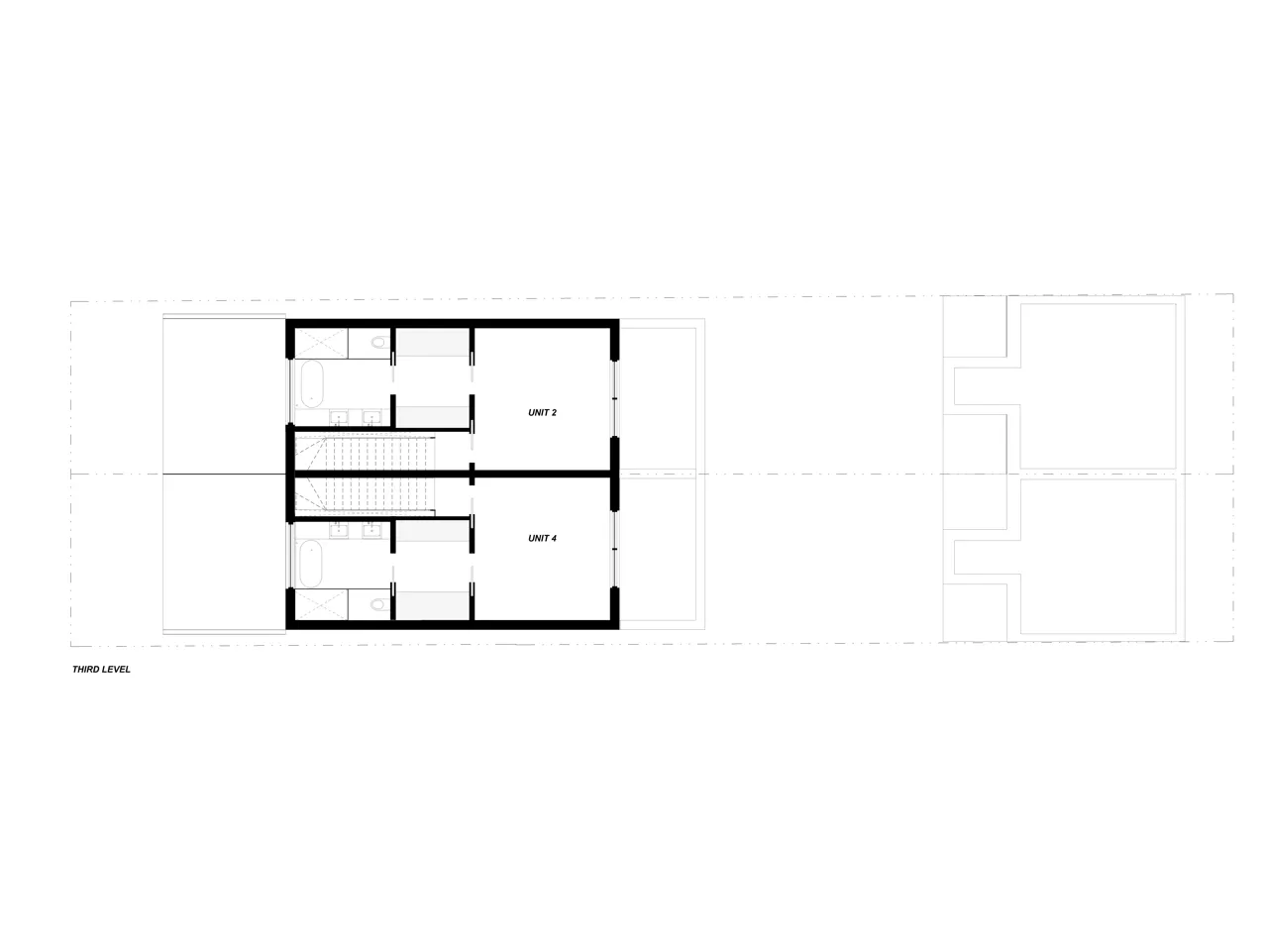
The project does not stop at the street front. At the back of the property, two smaller laneway houses complete the collection. Even though they are smaller, they share the same design style and proportions as the main building, tying the whole project together.
Instead of treating the back alley simply as a place to park cars, the architects turned it into a feature. The laneway houses are oriented toward nearby Bickford Park, transforming the space into a shared, welcoming "front yard" that connects the residents to nature.
Montrose Sixplex. Image courtesy of: Gabriel Fain Architects
Light, Warmth, and a Show-Stopping Library
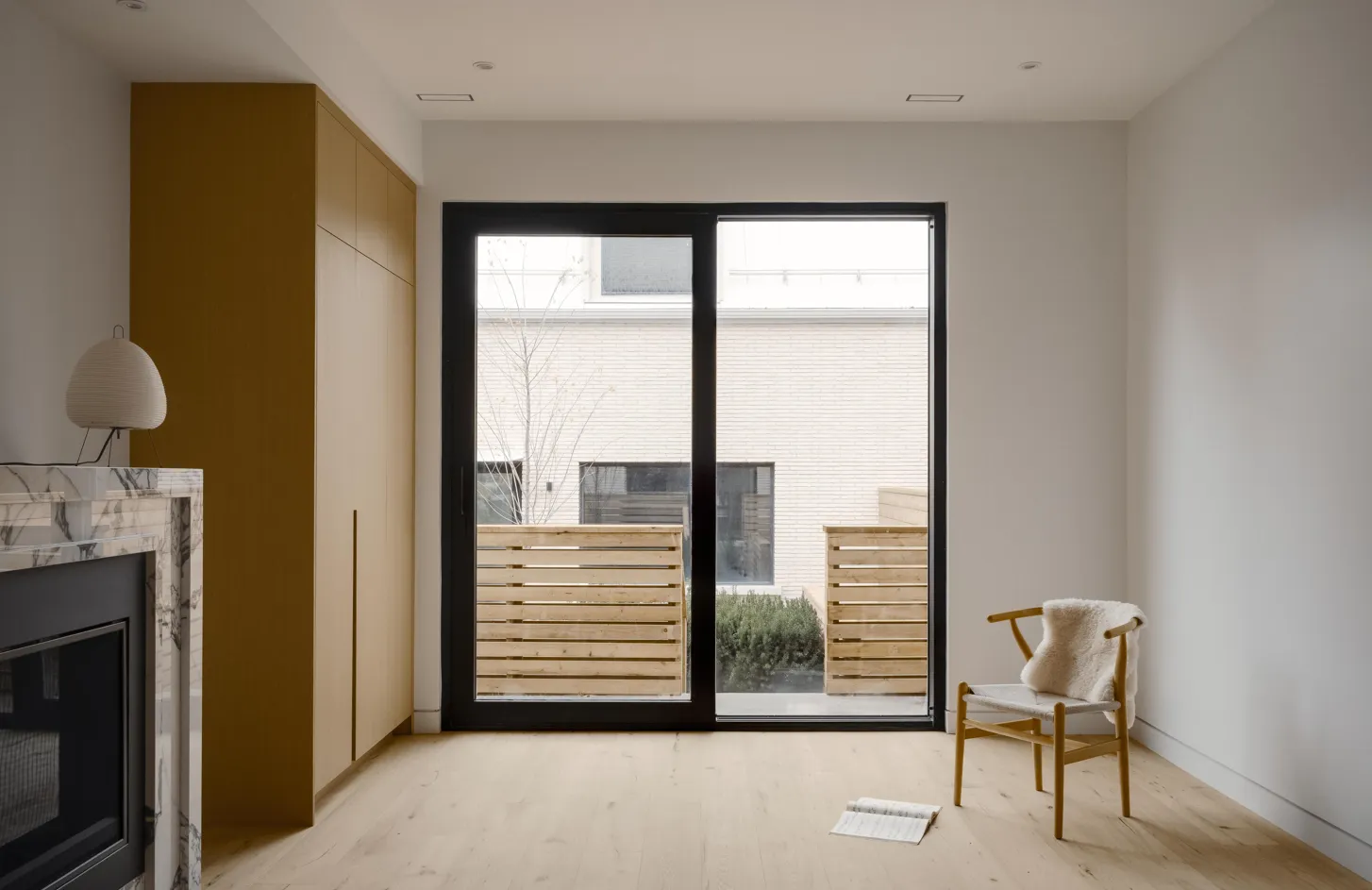
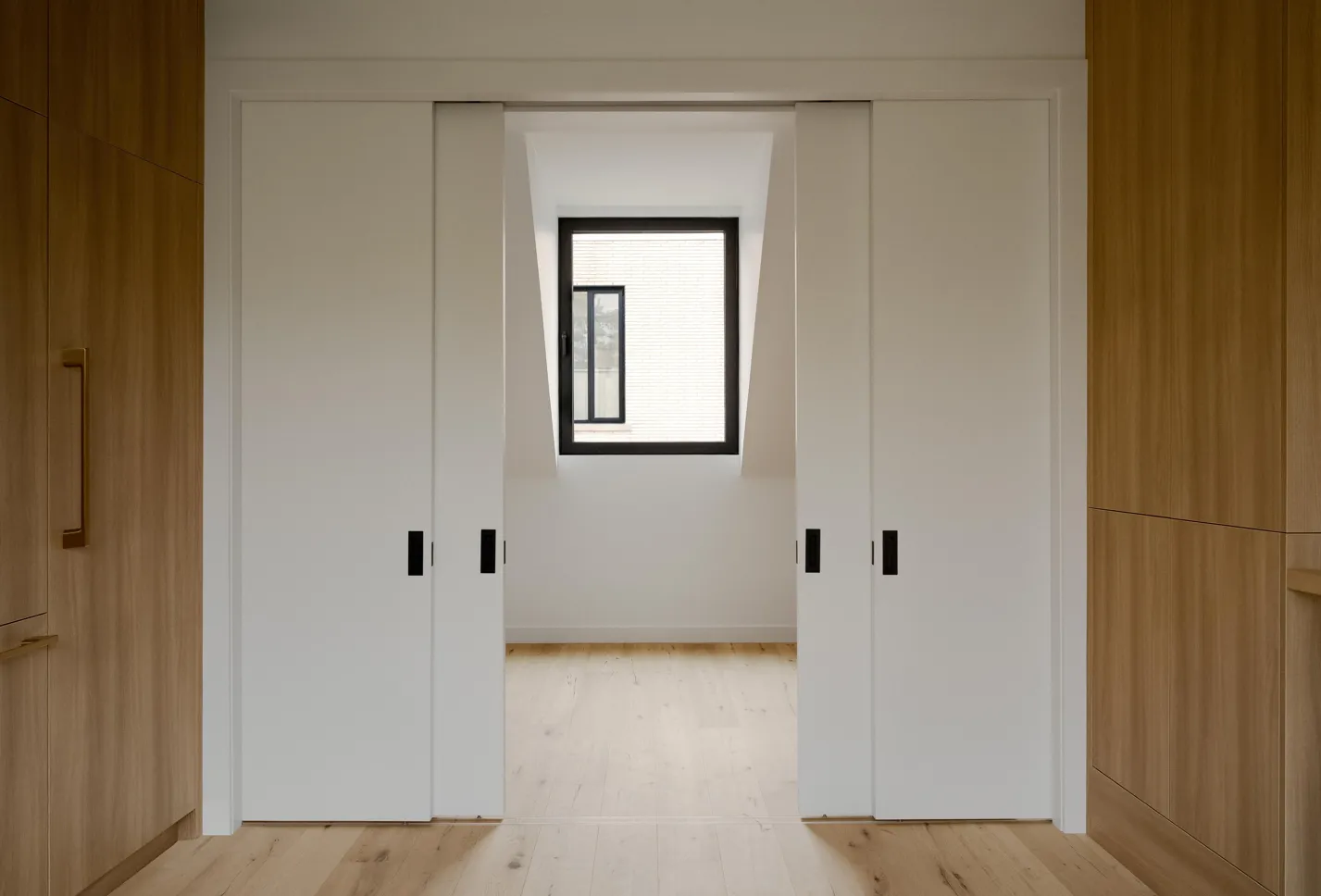
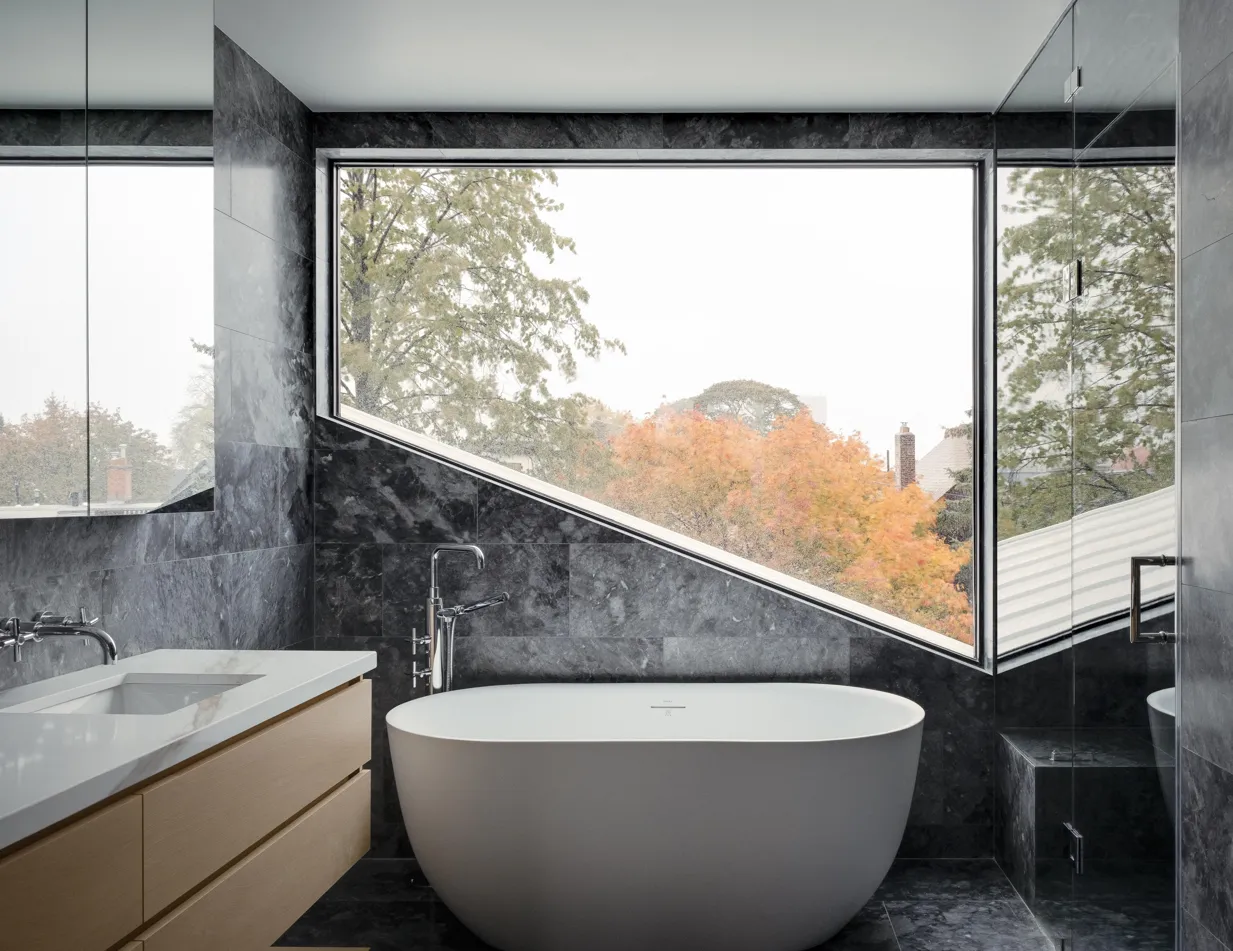
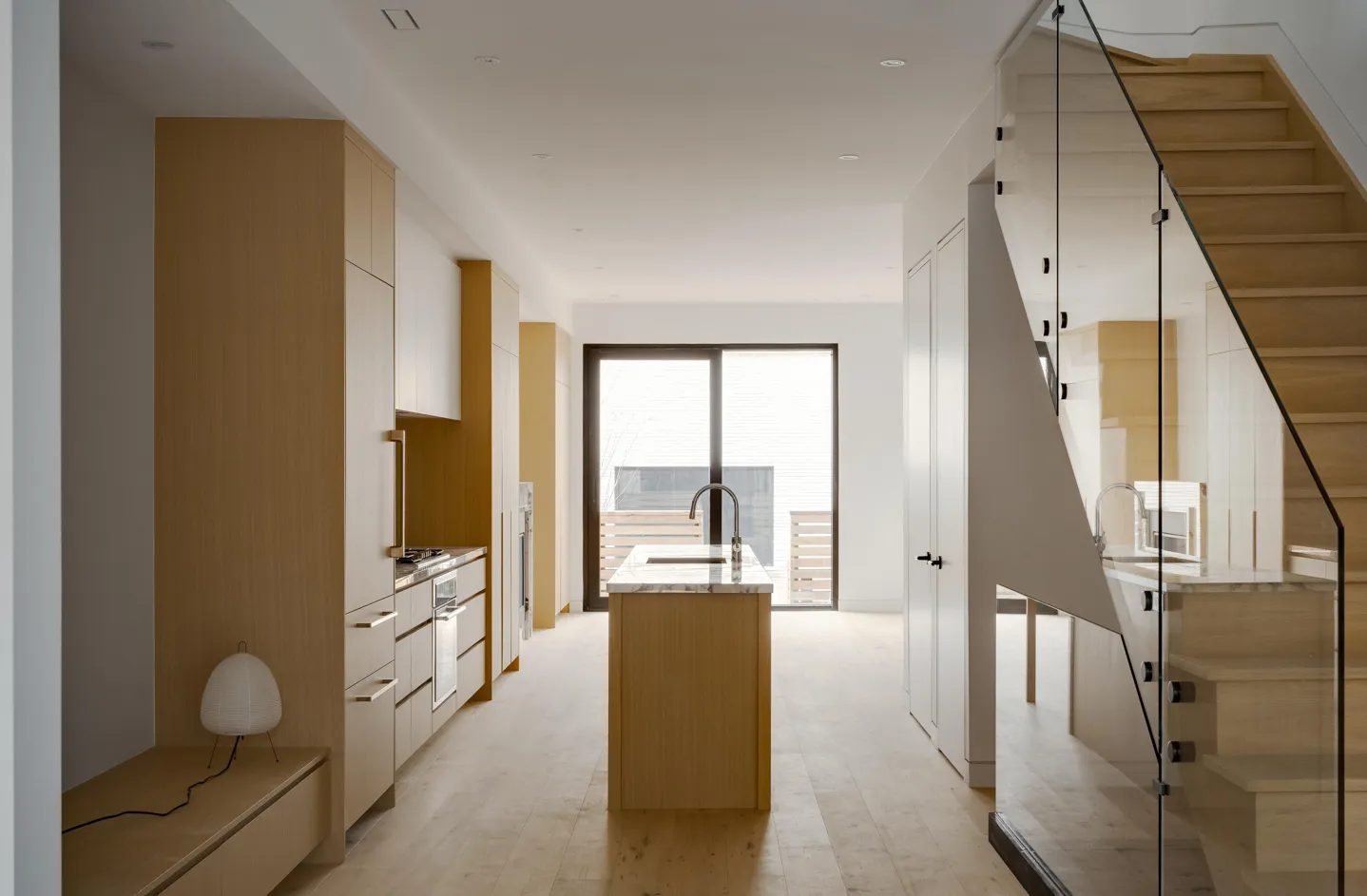
Inside, the homes are just as thoughtfully designed. Created in collaboration with Unison Group, the interiors feature a cozy, minimal style built around warm light oak floors and tall, custom wood cabinets.
Key interior features include:
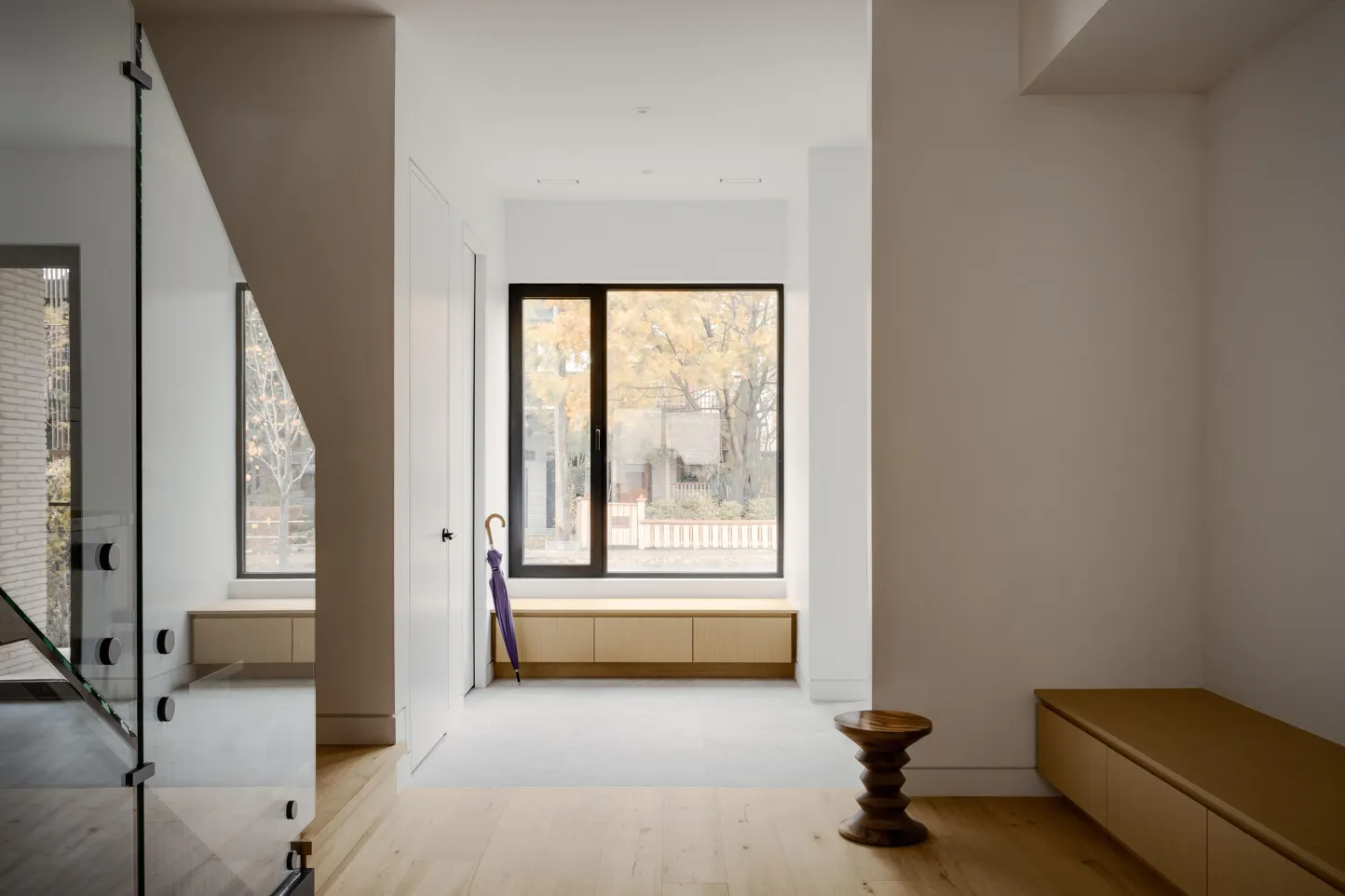
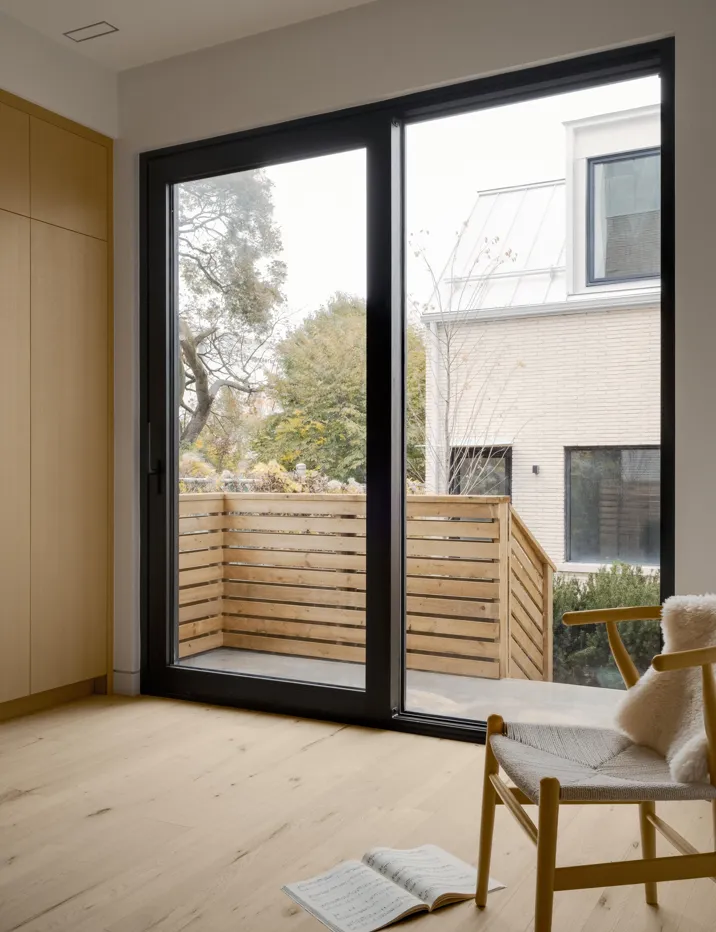
Seamless Indoor-Outdoor Living: Large, floor-to-ceiling sliding doors pull natural light deep into the open-concept rooms and blur the lines between the living spaces and outdoor terraces.
Bright Staircases: A central staircase with glass railings keeps the spaces feeling open and visually connected across different floors.
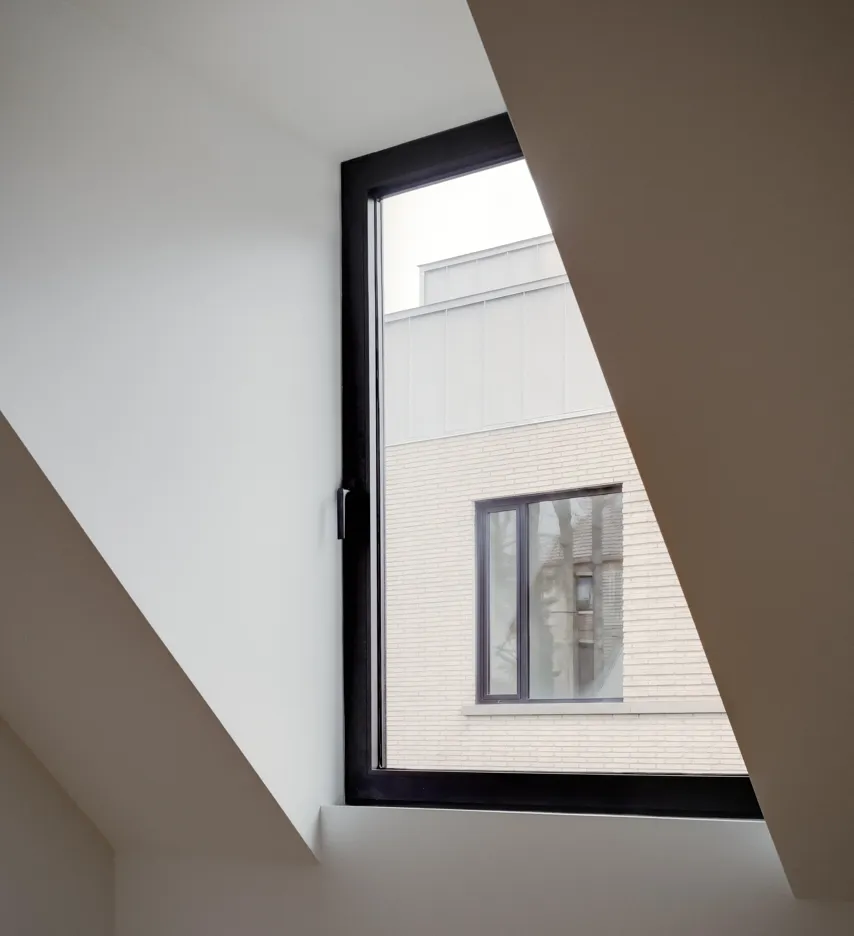
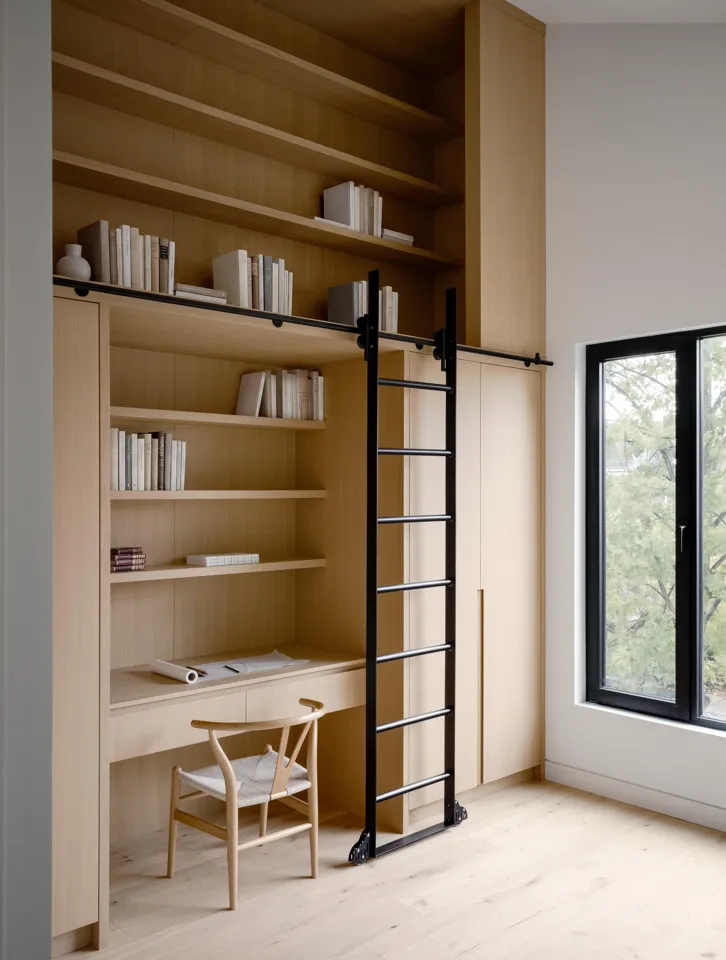
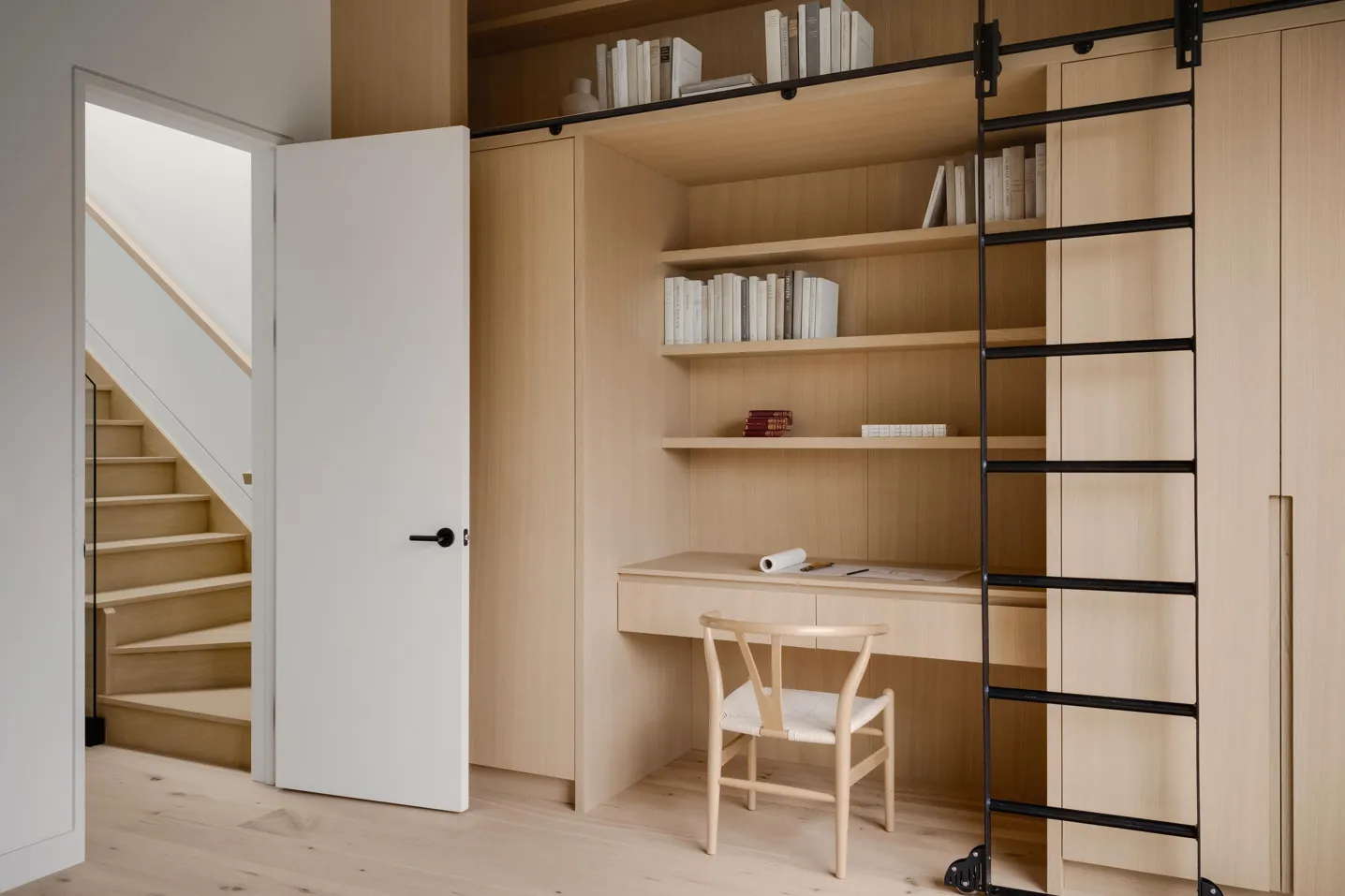
The Double-Height Library: On the second floor, the architects took full advantage of the pitched roof. They created a stunning, two-story library space complete with a built-in desk and a classic rolling ladder to reach the highest shelves.
The Montrose Sixplex was born out of Toronto’s changing zoning rules, which now allow for more housing units in traditionally low-rise areas. Rather than just checking the boxes to meet these new rules, Gabriel Fain Architects used them as an opportunity for creativity.
Montrose Sixplex. Image courtesy of: Gabriel Fain Architects
Montrose Sixplex. Image courtesy of: Gabriel Fain Architects
Montrose Sixplex. Image courtesy of: Gabriel Fain Architects
Montrose Sixplex. Image courtesy of: Gabriel Fain Architects
Montrose Sixplex. Image courtesy of: Gabriel Fain Architects
Montrose Sixplex. Image courtesy of: Gabriel Fain Architects
Montrose Sixplex. Image courtesy of: Gabriel Fain Architects
Montrose Sixplex. Image courtesy of: Gabriel Fain Architects
Montrose Sixplex. Image courtesy of: Gabriel Fain Architects
Montrose Sixplex. Image courtesy of: Gabriel Fain Architects
By continuing the shapes and materials of the surrounding neighbourhood, the project proves that adding density does not have to mean disrupting a community. Instead, it shows how modern rules can lead to beautiful, smart buildings that offer more housing options while respecting the streets we already love.
Founded in 2016, Gabriel Fain Architects is a multi-disciplinary design studio operating at the intersection of architecture and urbanism. Recognized as a leading voice among a new generation of architects in Toronto, Gabriel Fain is pioneering innovative housing typologies, ranging from multiplexes and mid-rise buildings to reimagined tall buildings.
The studio addresses the city’s diverse housing needs, including rental, affordable, and condominium living, by leveraging cutting-edge technologies and advanced construction methods such as prefabrication, light-frame construction, and mass-timber systems.
Principal architect Gabriel Fain is licensed with the Ontario Association of Architects. He graduated from the Daniels Faculty of Architecture, Landscape, and Design at the University of Toronto with a Master of Architecture degree and was awarded the prestigious Heather M. Reisman Gold Medal in Design. Gabriel is a frequent guest critic at the Daniels Faculty and speaks regularly in design forums, podcasts, and media about new housing typologies.
Great design bridges past and future, creating spaces that evolve with us.
Our built environment is in a constant state of beautiful evolution. At Forma, we believe that architecture and design are deeply personal—they dictate how we live, grow, and connect across every stage of life. As a community of designers, architects, engineers, trades, builders, suppliers, students and creators, we are constantly tasked with bridging what was with what will be. Whether we are exploring innovative new builds, thoughtful restorations, or the visionary people shaping our industry, our mission remains the same: to look beyond the aesthetics. We invite you to explore the human stories woven into the brick, light, and landscapes of the spaces we inhabit. Thank you to everyone who reads, contributes, and shares in this vision.
The University of Alberta has officially opened the doors to University Commons, a breathtaking 405,000-square-foot transformation of its century-old Dentistry and Pharmacy building. Designed by the visionary team at Zeidler Architecture, this monumental project turns a historic landmark into a vibrant, modern gateway.
Humans spent 99% of their evolutionary history adapting to the natural world. Today, we spend roughly 90% of our lives inside sealed, climate-controlled boxes. This massive shift has left us chronically stressed, fatigued, and disconnected.
Winner of the 2026 Award of Excellence in Architecture from the Quebec Association of Architects, the Aubé House is more than just a beautifully designed residence. It is a physical timeline—a space where a rich family history meets breathtaking modern design.
Just north of Toronto, perched on the edge of a wooded valley, sits Ravine House—a contemporary home that redefines what it means to live in harmony with nature. Rather than acting as a barrier against the outdoors or simply occupying a plot of land, this stunning residence acts as an immersive, beautiful mediator between comfortable domestic living and the natural landscape.
On May 29th, as the sun began to set over the historic brick facades of Old Town Toronto, the streets took on a new, electric energy. The King East Design District (KEDD) Neighbourhood Hop—the highly anticipated annual event presented by DesignTO in collaboration with the Old Town Toronto BIA—was officially underway. For a few magic hours, the neighbourhood morphed into a sprawling, interactive playground for creativity and innovation.
In the heart of Quebec’s rugged Laurentians region, a new kind of home has taken flight. Located in the quiet community of La Conception, The Albatross is not just a house; it is a masterclass in modern residential design. Image courtesy of: Stéphane Groleau Created by the teams at MU Architecture in close collaboration with architect Anik Patry, this extraordinary home was built around a beautiful, simple idea: to place a modern family at the very center of a spectacular nat
Great architecture does more than simply house people; it shapes how they learn, create, and connect with the world around them. Université du Québec à Montréal (UQAM) has long understood this, and the architectural community agrees. Recently, UQAM’s iconic pavillon de Design was awarded the Royal Architectural Institute of Canada’s (RAIC) Prix du XXe siècle, a prestigious honour that recognizes the most outstanding and enduring architectural achievements of the last century.
Medical laboratories are often defined entirely by their complex, technical needs, leaving little room for architectural beauty. However, the new Montérégie Central Laboratory in Quebec completely rewrites that rule. Designed by the architectural firms NFOE and Archi–, this cutting-edge facility proves that high-tech infrastructure can be surprisingly elegant.