The Rebirth of Toronto's Historic Palm House: A Century of Sunlight
3 days ago
3 min read
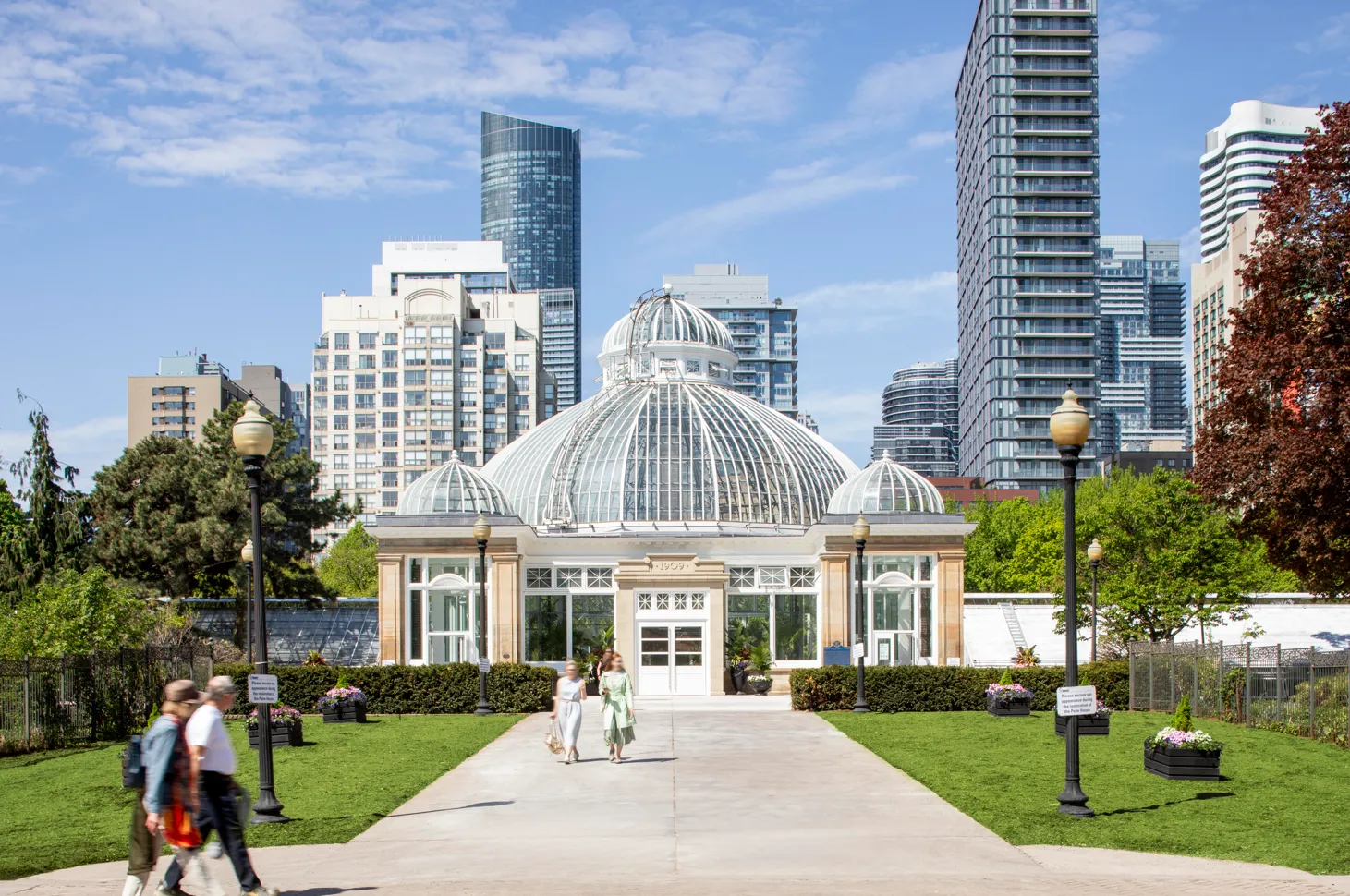
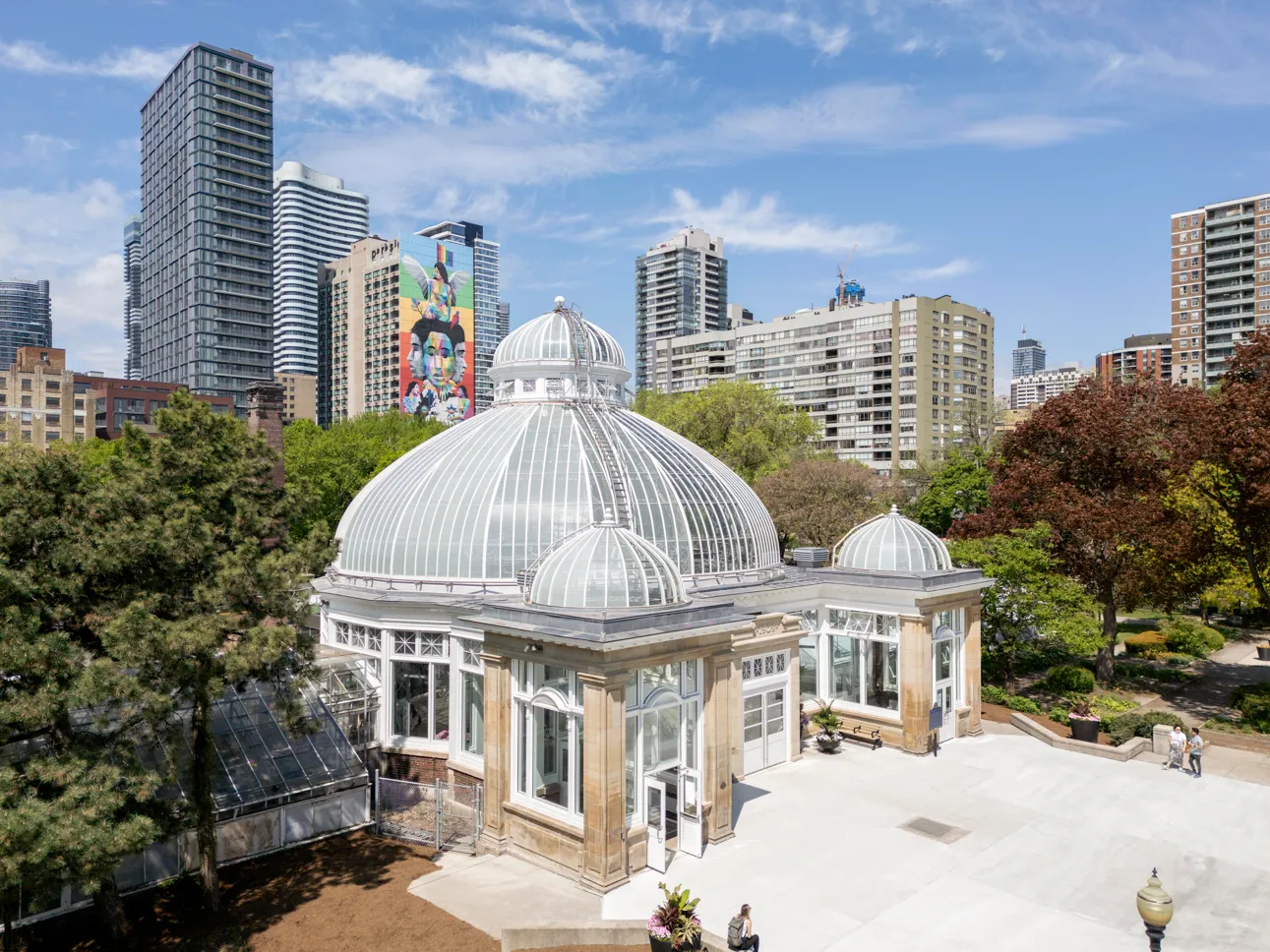
For more than a century, the Allan Gardens Palm House has been a glowing jewel in the heart of downtown Toronto. Built in 1910 and standing as one of Canada’s last remaining Edwardian-era glass conservatories, this architectural landmark has long been a beloved green sanctuary for the city.
Now, following an ambitious $11-million revitalization, the Palm House is stepping into its next century with a major accolade: the prestigious Lieutenant Governor’s Award from the Ontario Heritage Trust.
The award celebrates an outstanding contribution to heritage conservation in Ontario, but the true prize is the building itself—restored, resilient, and ready to welcome a new generation.
Reclaiming a Civic Landmark
Led by the City of Toronto alongside Zeidler Architecture and heritage experts AREA (Architects Rasch Eckler Associates Ltd.), the restoration was a delicate balancing act. The goal was simple but challenging: preserve the building's historic soul while upgrading it to meet modern standards of safety, accessibility, and environmental performance.
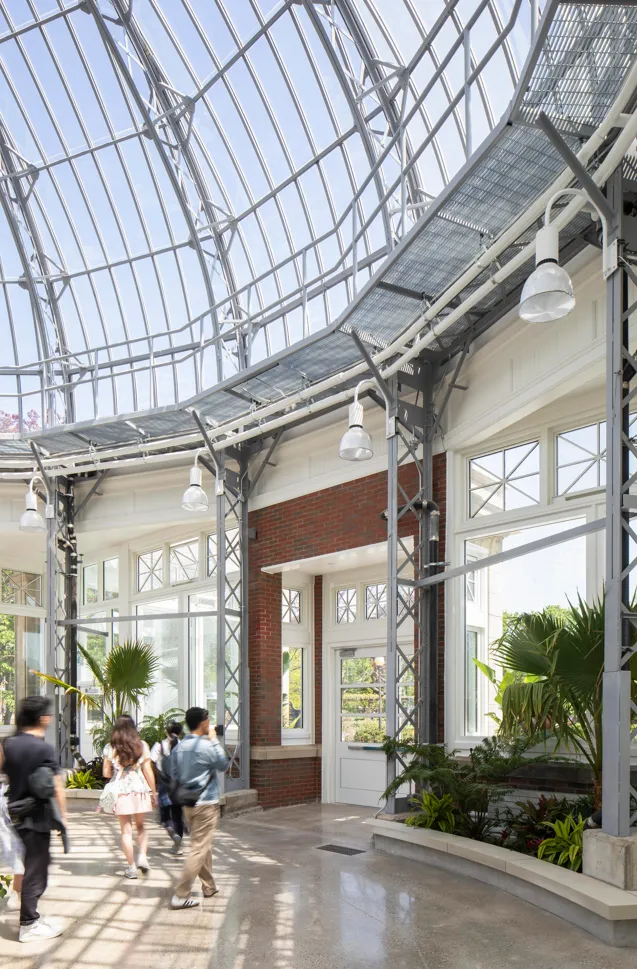
One of the most exciting achievements of the project was bringing back the original east entrance. Removed in the mid-1900s, this historic entryway has been carefully reconstructed to reconnect the building with its front plaza. More importantly, the new entrance is entirely barrier-free, ensuring that this civic space is welcoming and accessible to everyone.
When restoring a 115-year-old glasshouse, the details matter. The team went to great lengths to ensure the original 1909 design by City Architect Robert McCallum remained perfectly intact.
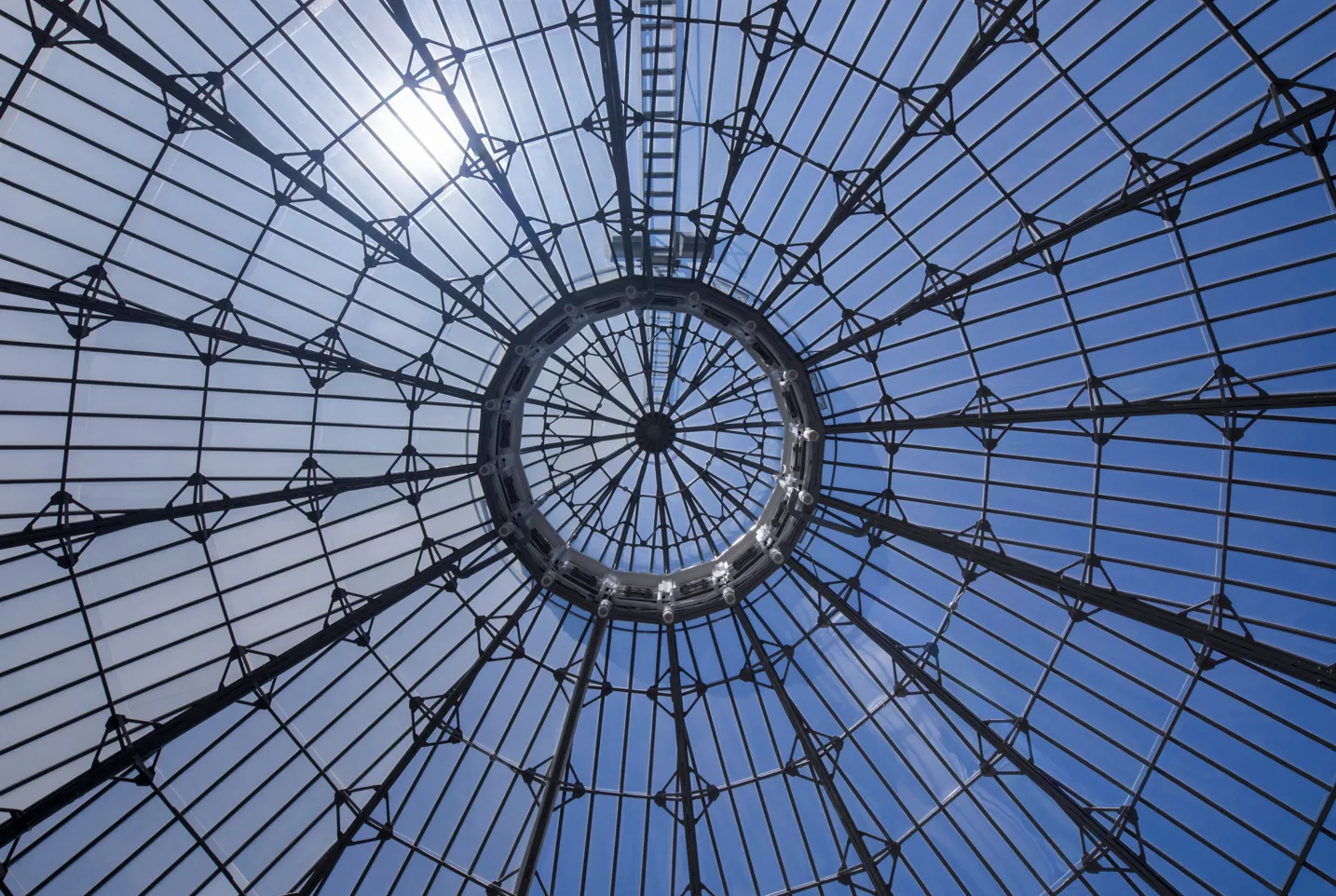
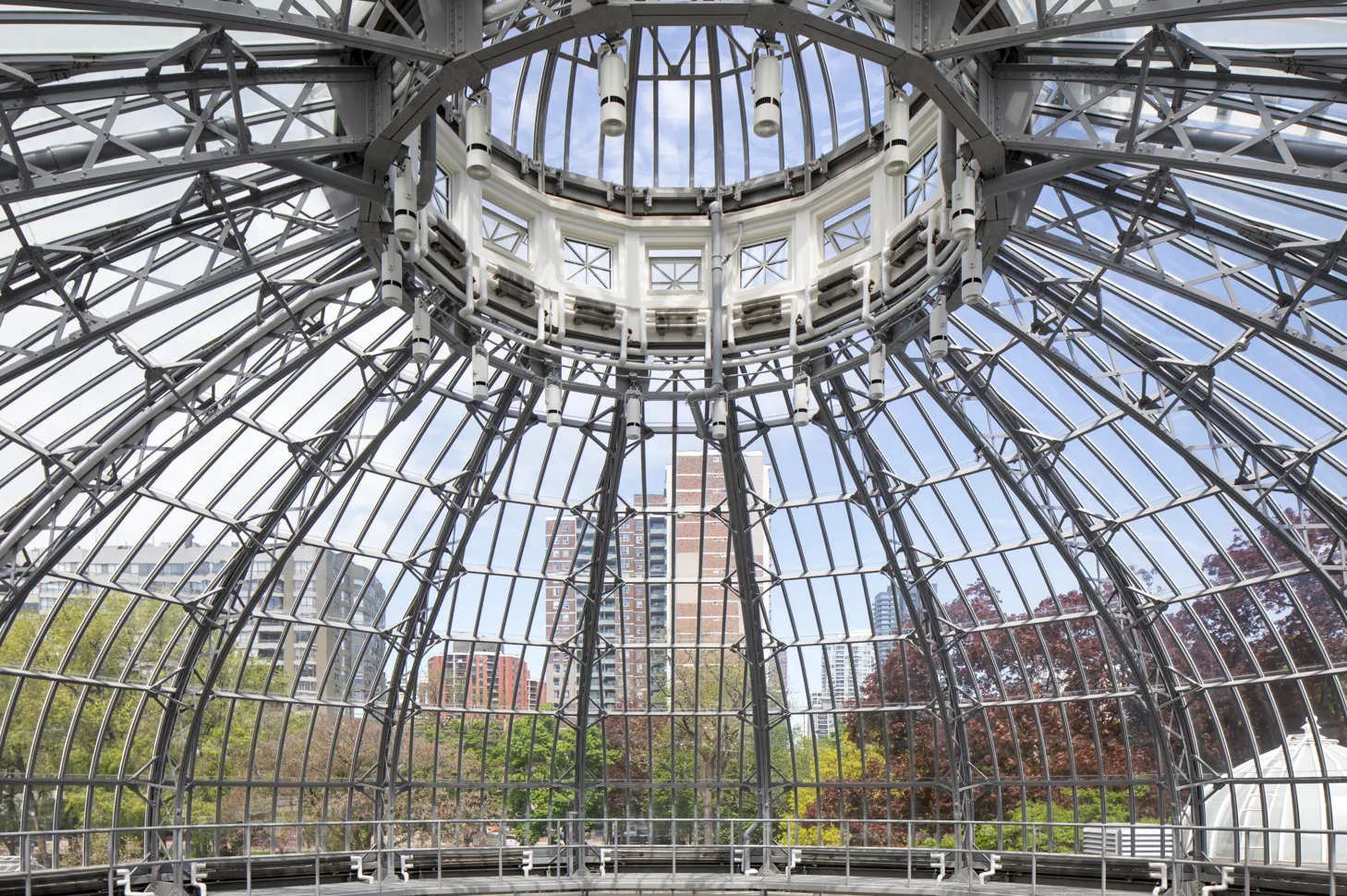
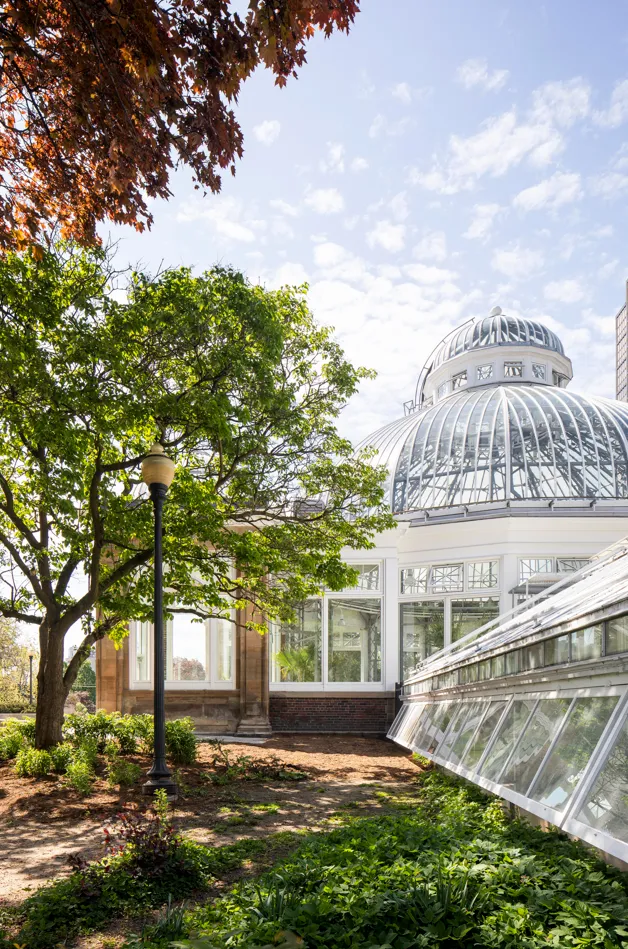
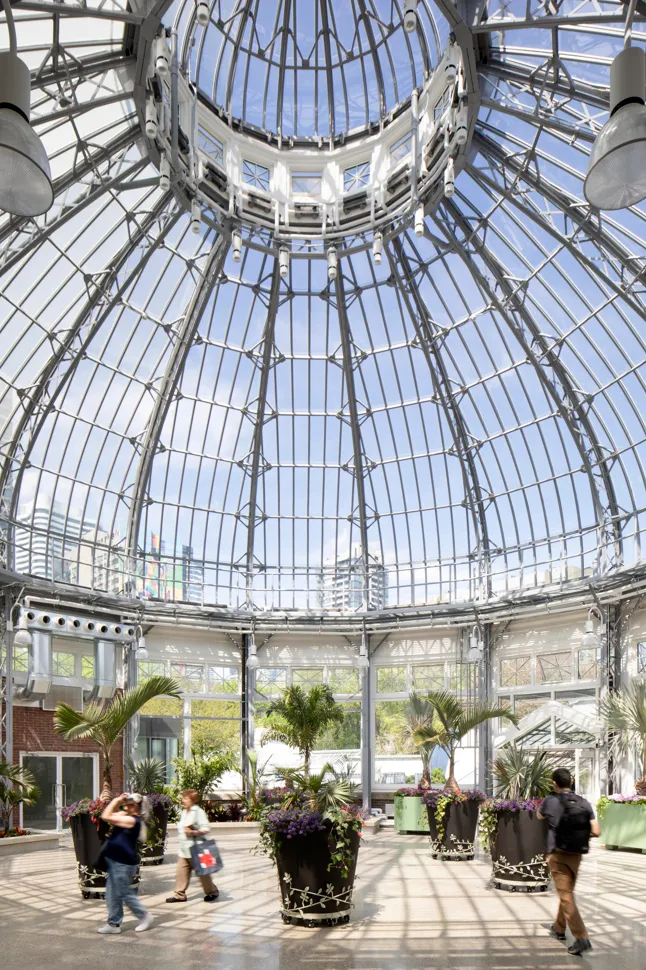
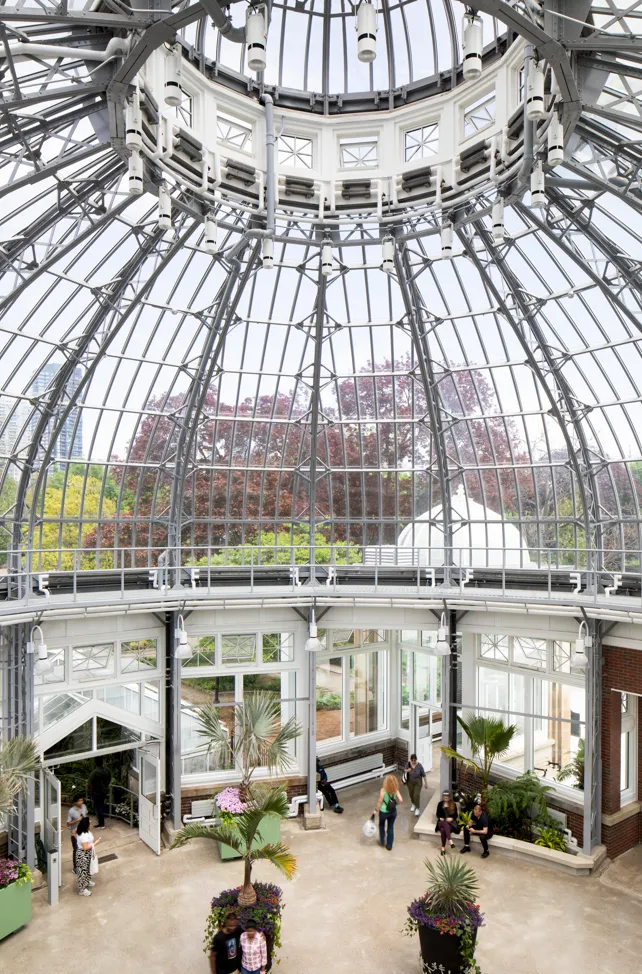
Smarter Glass: The breathtaking 16-sided glass dome and cupolas were replaced with modern laminated glass. This new glass features a subtle ceramic pattern that helps reduce the sun's intense heat during the summer, all while preserving the building's signature, luminous glow.
Authentic Stone and Wood: The intricate stonework, wood details, and historic windows were meticulously repaired. The team even sourced new sandstone from the same quarry used for the original construction to ensure a perfect match.
Open to the Public: Remarkably, the conservatory kept its doors open to the public throughout the entire construction process, proving just how vital this green oasis is to the downtown community.
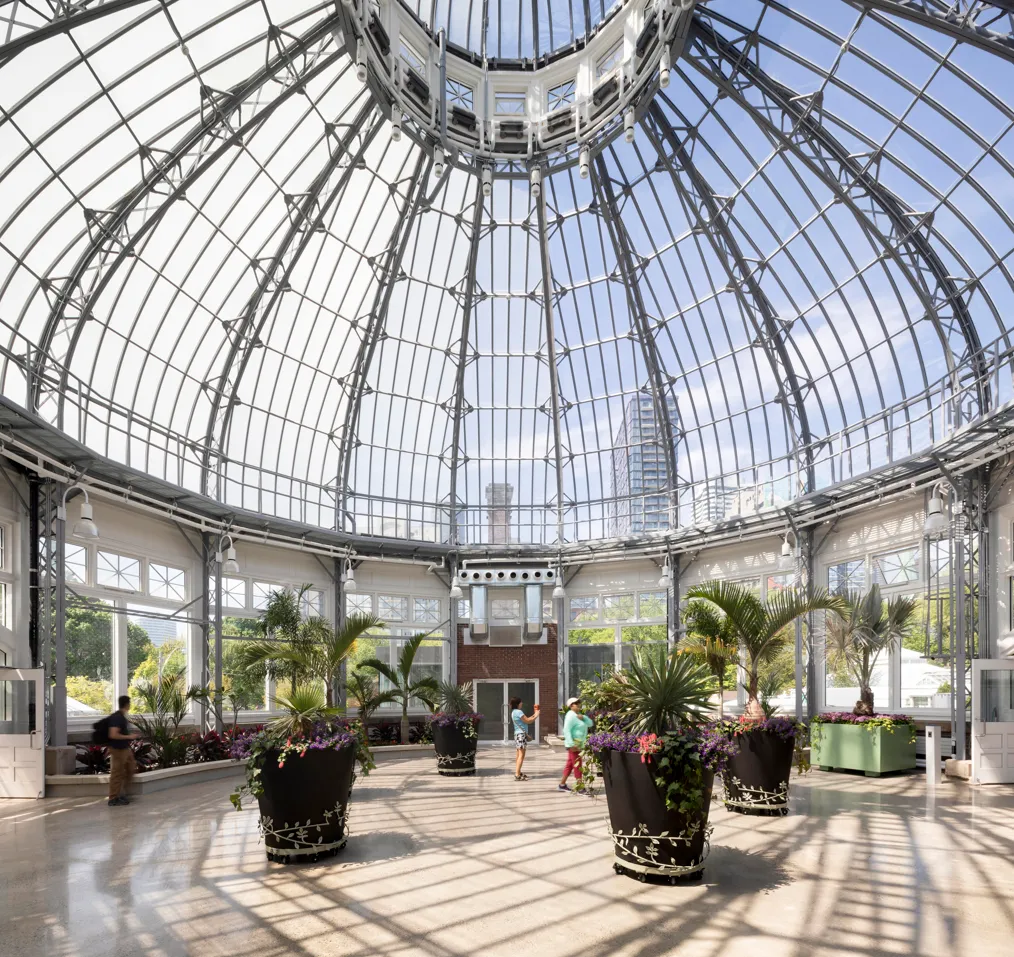
Historic Palm House. Image courtesy of: Adrien Williams
A Catalyst for the Future
The success of the Palm House restoration is just the beginning. Backed by the Friends of Allan Gardens, this project is part of a much larger vision to breathe new life into the entire conservatory complex.
Originally designed as a vibrant hub for concerts, exhibitions, and community gatherings, Allan Gardens has always been a cultural stage for Toronto. The beautifully restored Palm House proves what is possible when heritage conservation and inclusive design work hand-in-hand.
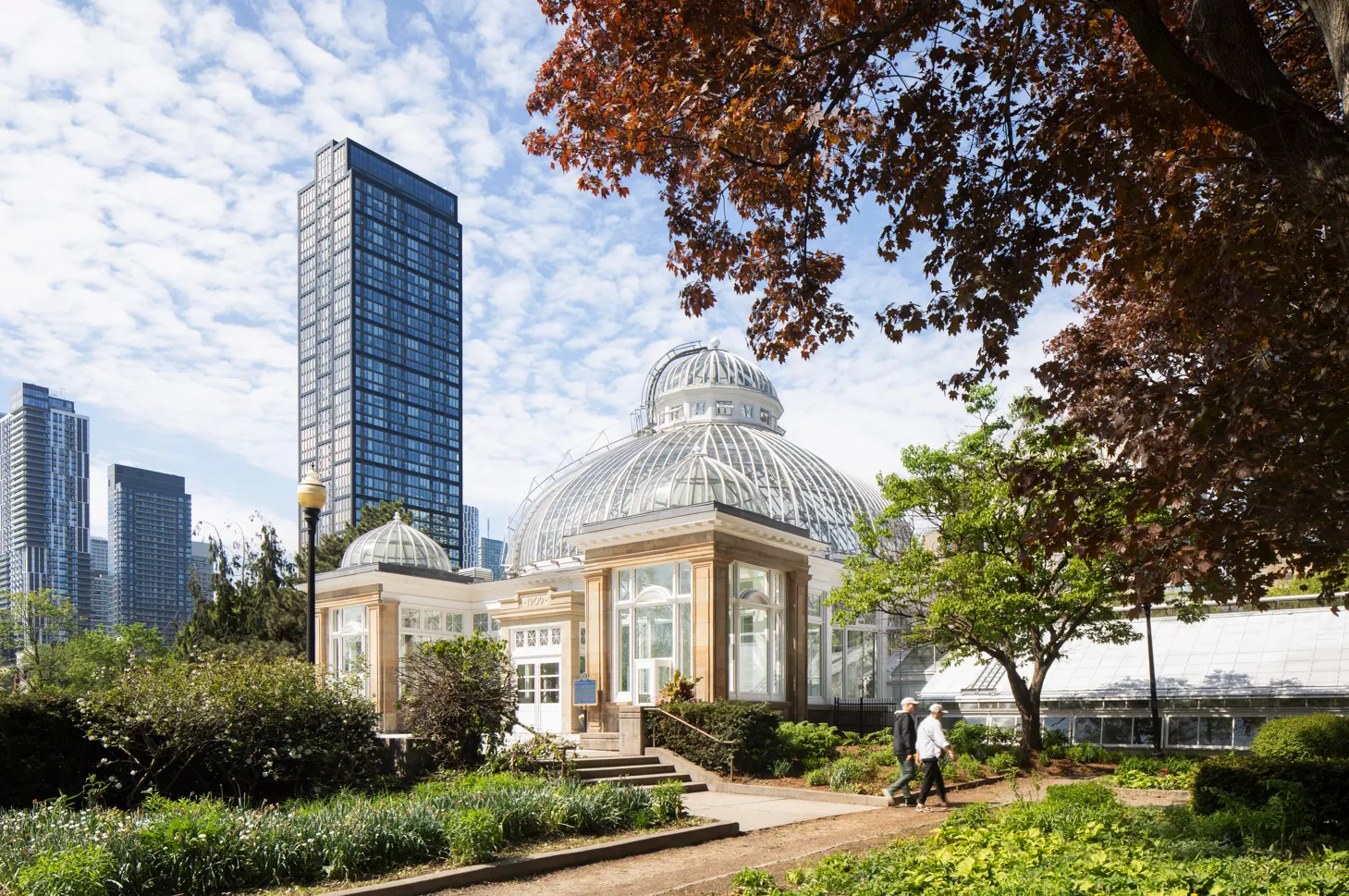
Historic Palm House. Image courtesy of: Adrien Williams
As public momentum continues to build, the Palm House stands as a shining example of urban heritage. It reminds us that our historic spaces are not just relics of the past—they are living, breathing parts of our cities that, with a little care, will continue to frame the sky for centuries to come.
Technical sheet & Credits
Client: City of Toronto
Design and Executive Architects: Zeidler Architecture Inc.
Zeidler is a leading Canadian architecture and interior design practice with a portfolio of award-winning, inspiring work that fosters social engagement, facilitates excellence, and delivers lasting value.
The firm believes that architecture should enrich lives and strengthen communities. Driven by curiosity and guided by evidence, they embrace innovation in sustainability, accessibility, design theory, and materiality. Zeidler works closely with clients and communities to design resilient environments that foster connection, promote well-being, and achieve long-term impact.
At Zeidler, they don’t just design buildings—they shape resilient environments that help shape the future.
What if architecture could change the way we look at aging? In Beloeil, the newly designed shared spaces of the Cloria residence are doing exactly that. Designed by Taktik, this fresh approach to senior living leaves outdated conventions behind. Instead of rigid schedules and clinical spaces, the design encourages autonomy, freedom, and a vibrant sense of community.
When we think of a typical school, we usually picture a single, large building with long hallways and uniform classrooms. The Educational Complex Sirius takes that traditional idea and turns it completely upside down. Recently named a finalist in the 2025 WAF Future Projects: Education awards, Sirius is not just a school—it is a decentralized urban campus designed to function as a vibrant "miniature city."
When we think about the future of our cities, it is not just about the buildings that fill the skyline. It is about how people move, how communities connect, and how urban spaces adapt to a changing world. Recognizing the need for this big-picture thinking, the global design firm CannonDesign has officially welcomed Cityfi into its consulting practice.
For more than a century, the Allan Gardens Palm House has been a glowing jewel in the heart of downtown Toronto. Built in 1910 and standing as one of Canada’s last remaining Edwardian-era glass conservatories, this architectural landmark has long been a beloved green sanctuary for the city.
Lighting is no longer just about illuminating a room; it is about making a statement. Luminaire Authentik has recently unveiled FORMA, a striking new collection that sits perfectly at the intersection of minimalism and postmodernism. With FORMA, light transforms into a visual language of its own.
Nestled in the heart of the UNESCO World Heritage district of Old Quebec, a historic building is embarking on an exciting new chapter. La Caserne, originally built in 1912 as a fire station and famously expanded in 1996 for Robert Lepage’s artistic laboratory, Ex Machina, has been transformed once again. Now home to the youth theatre company Les Gros Becs, this iconic space has been reimagined as a vibrant cultural hub designed specifically for young audiences.
The "Made in Canada" label on a piece of furniture isn't just a geographic fact—it’s a declaration of quality, ethical labor, and material integrity. But as international "fast-furniture" floods the market, the domestic industry is leaning heavily on an unsung hero to survive: Intellectual Property (IP).
Great architecture does more than simply house people; it shapes how they learn, create, and connect with the world around them. Université du Québec à Montréal (UQAM) has long understood this, and the architectural community agrees. Recently, UQAM’s iconic pavillon de Design was awarded the Royal Architectural Institute of Canada’s (RAIC) Prix du XXe siècle, a prestigious honour that recognizes the most outstanding and enduring architectural achievements of the last century.