The House That Waited: Finding Perfection in a Five-Year Pause
2 days ago
3 min read
How a delayed renovation taught interior designer Joan MacAlpine the value of slowing down and reconsidering the pace of residential design. There are some homes that come together quickly, built on swift decisions and tight schedules. And then there are the homes that ask to be understood first.
For interior designer Joan MacAlpine of Joan + Company Interiors, the renovation of her own family home started as a standard project. Still, it quickly became an unexpected reflection on the residential design industry. Ultimately, a five-year pause reminded her of the deep value of allowing creativity the time and space to evolve thoughtfully.
An Unexpected Halt
When the property was purchased in 2020, the plan was to dive into an immediate transformation. Plans were drafted swiftly and submitted to the city just as the realities of the pandemic-era construction market began to hit.
Suddenly, permit timelines stretched to nearly ten months. Material and labour costs climbed dramatically. To make matters more complicated, the home was hiding severe structural issues, including a cracked foundation and ongoing water infiltration, pushing the dream renovation further out of reach.
“We had every intention of moving forward right away. But the reality was that the house, and the industry, had other plans for us.” Joan MacAlpine of Joan + Company Interiors.
For nearly four years, the family lived cautiously within the partially repaired home. They patched roof leaks, managed basement flooding during heavy rains, and saved their resources. But while the physical work was paused, the design itself was quietly and constantly evolving.
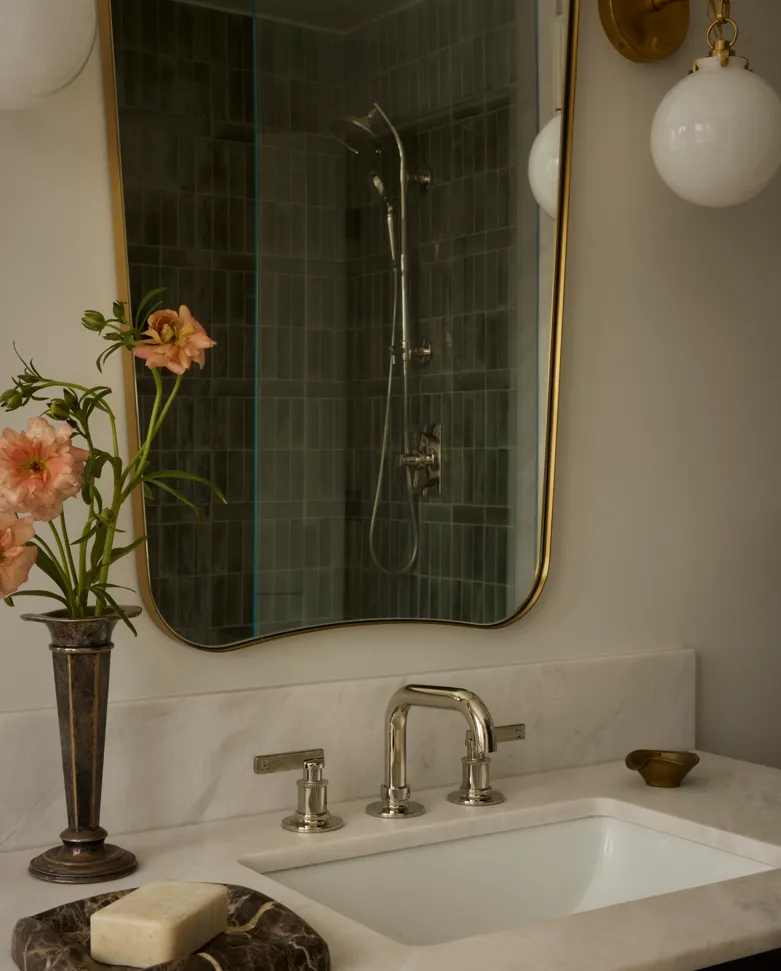
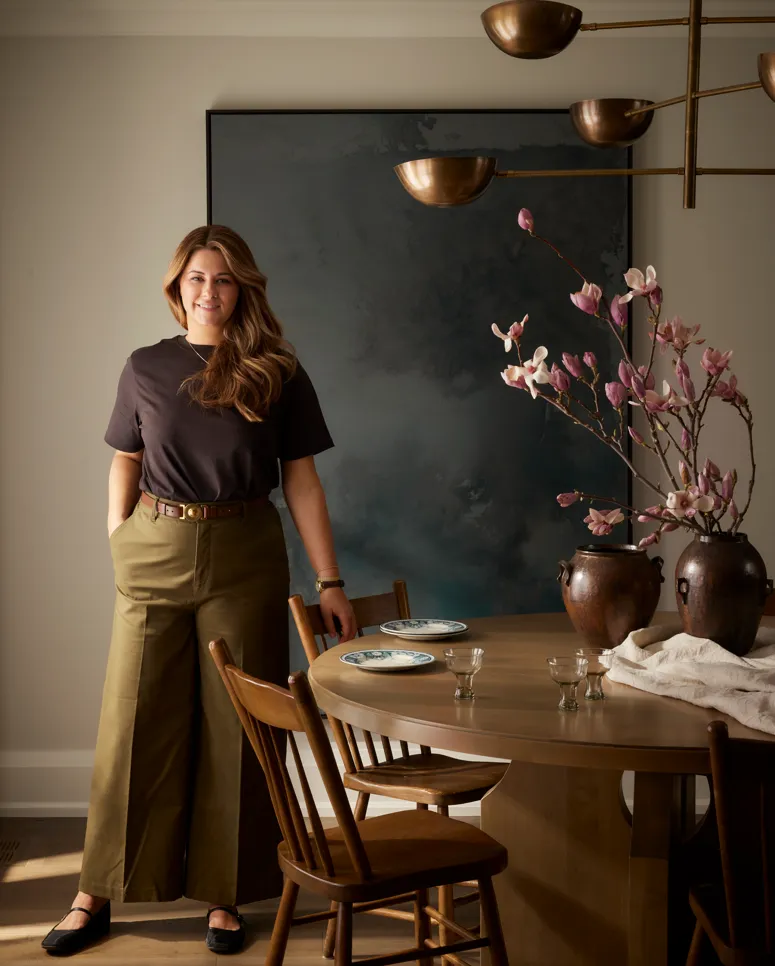
The House That Waited: Finding Perfection in a Five-Year Pause. Image courtesy of: Lauren Miller
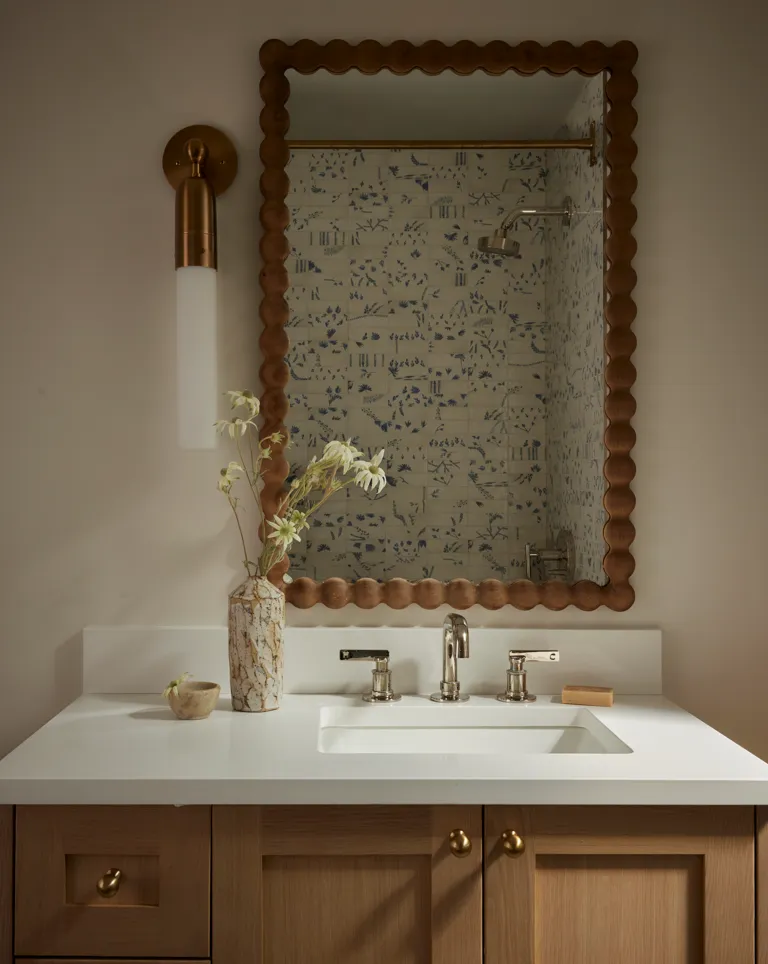
The House That Waited: Finding Perfection in a Five-Year Pause. Image courtesy of: Lauren Miller
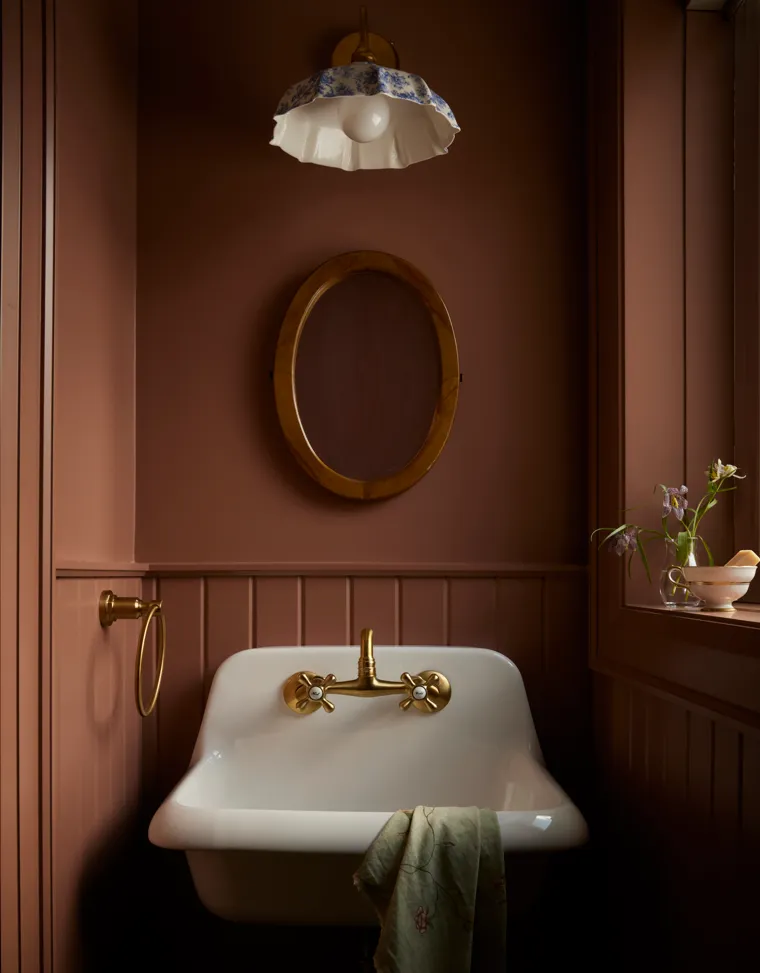
The House That Waited: Finding Perfection in a Five-Year Pause. Image courtesy of: Lauren Miller
Escaping the Industry Rush
During this waiting period, the residential design industry was operating under enormous pressure. Timelines were compressing, furniture lead times were stretching dramatically, and projects were often rushed simply to secure materials before costs rose again.
Joan noticed that this accelerated pace risked turning the creative process into a purely transactional one. Decisions that traditionally required exploration and reflection were being dictated by manufacturing schedules and shipping windows. For Joan, her home's unexpected pause became a rare opportunity to step entirely outside of that frantic cycle.
“Good design should never feel commoditized; it’s a thoughtful and explorative process. The strongest homes are not created through urgency. They emerge through reflection, creativity, and a deep understanding of how people truly want to live.” Joan MacAlpine of Joan + Company Interiors.
A Design That Evolved
Because the project was given room to breathe, the original plans drafted in 2020 shifted significantly. Instead of responding to a specific, fleeting design trend of that year, the interiors slowly evolved toward a more enduring sense of timelessness.
In 2023, Joan completely redesigned the floor plan. The extra time spent living in the space revealed how the family actually moved and functioned. Key changes included:
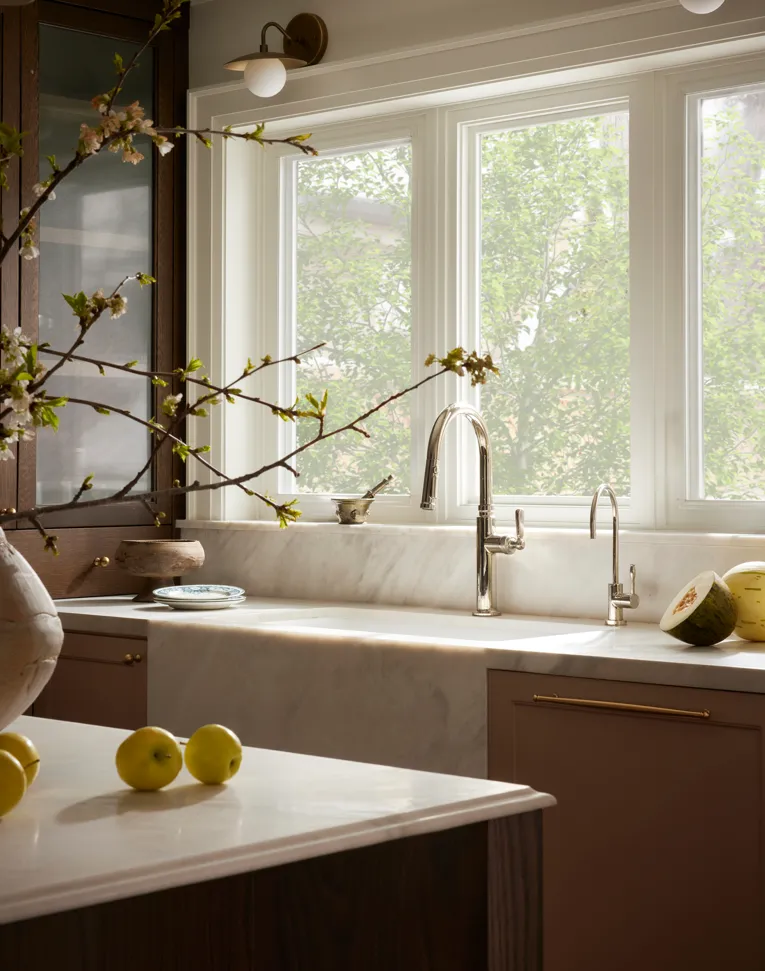
Relocating the Kitchen: Moved entirely to the opposite side of the home.
Enhancing Functionality: The kitchen move created the necessary space for a highly functional mudroom and powder room, dramatically improving the home's overall flow.
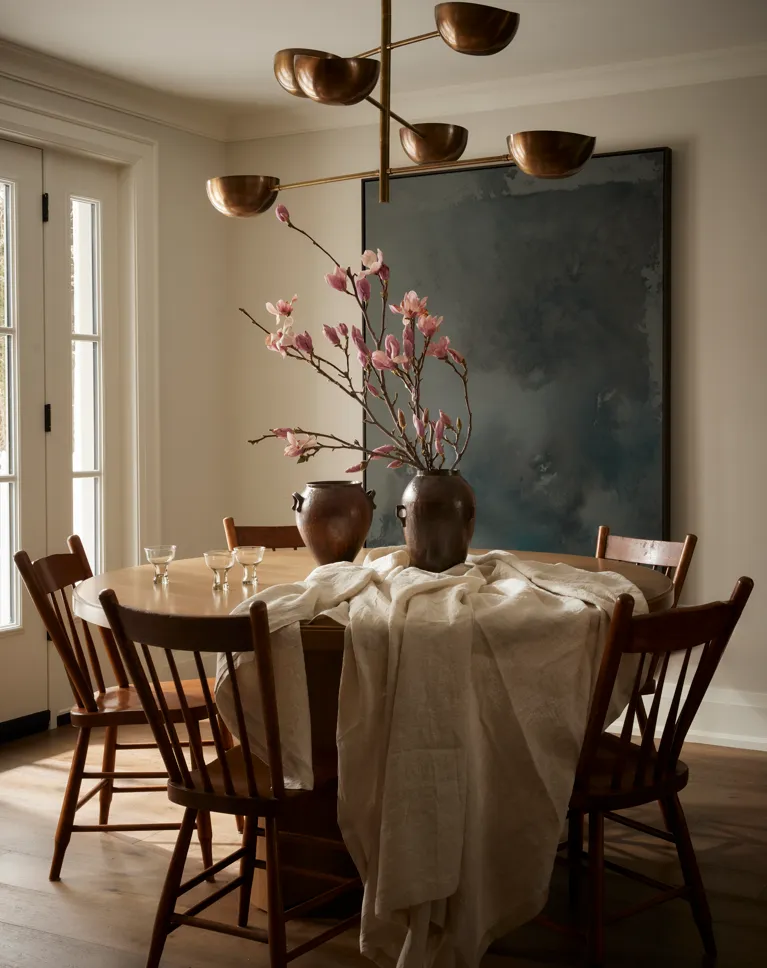
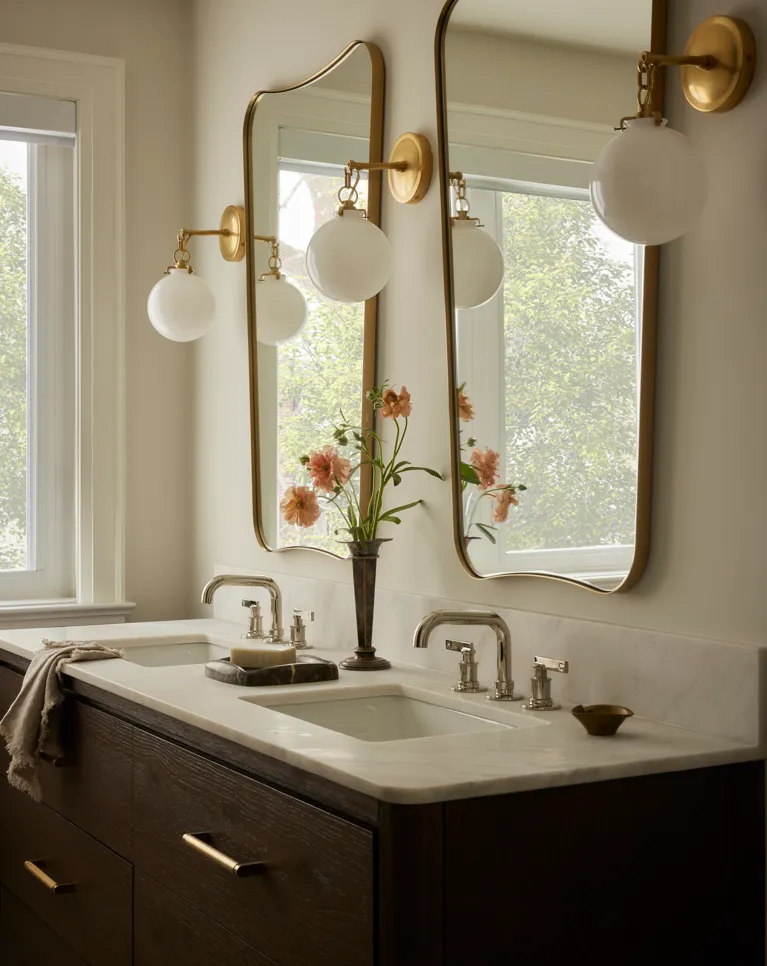
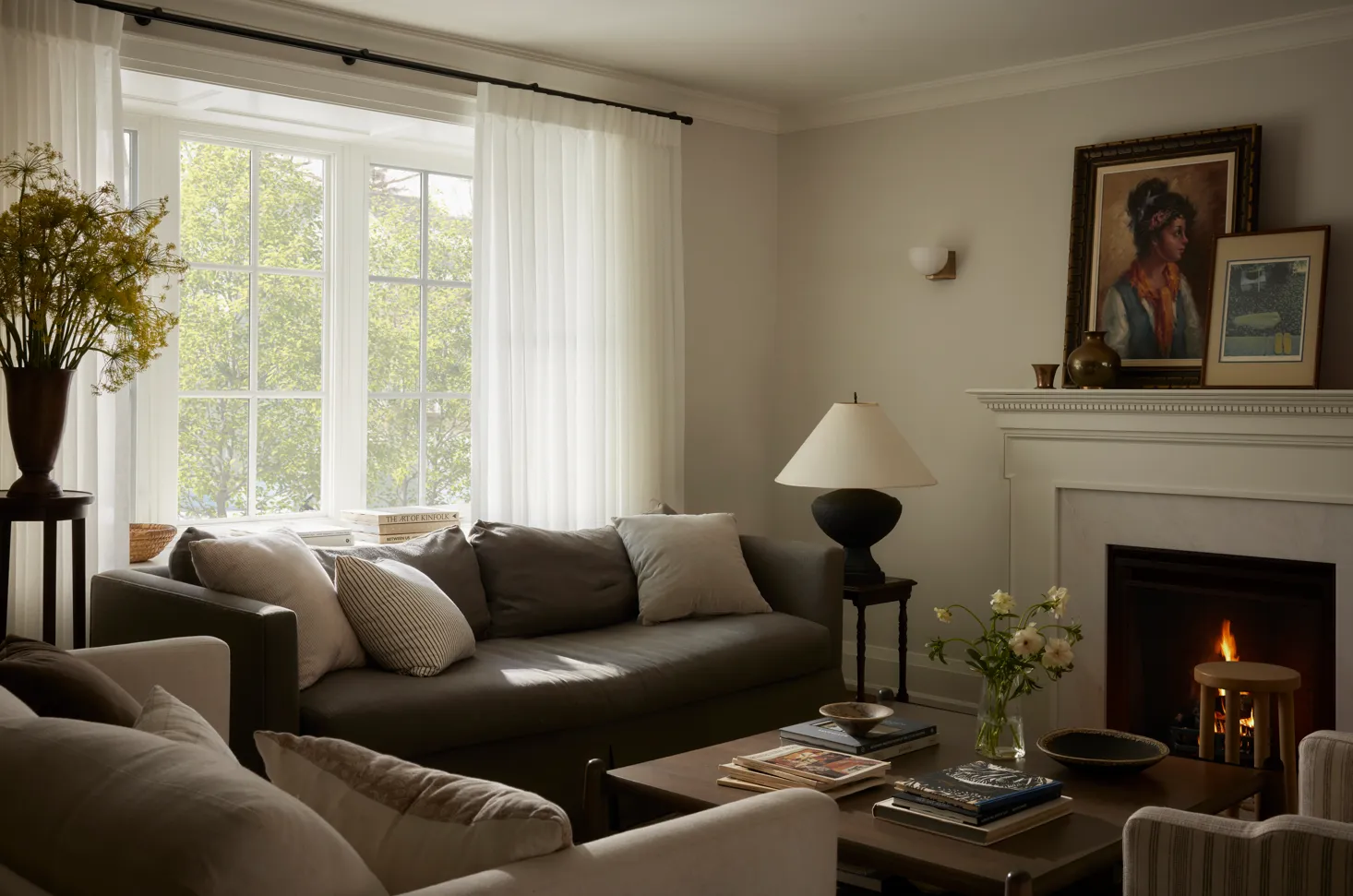
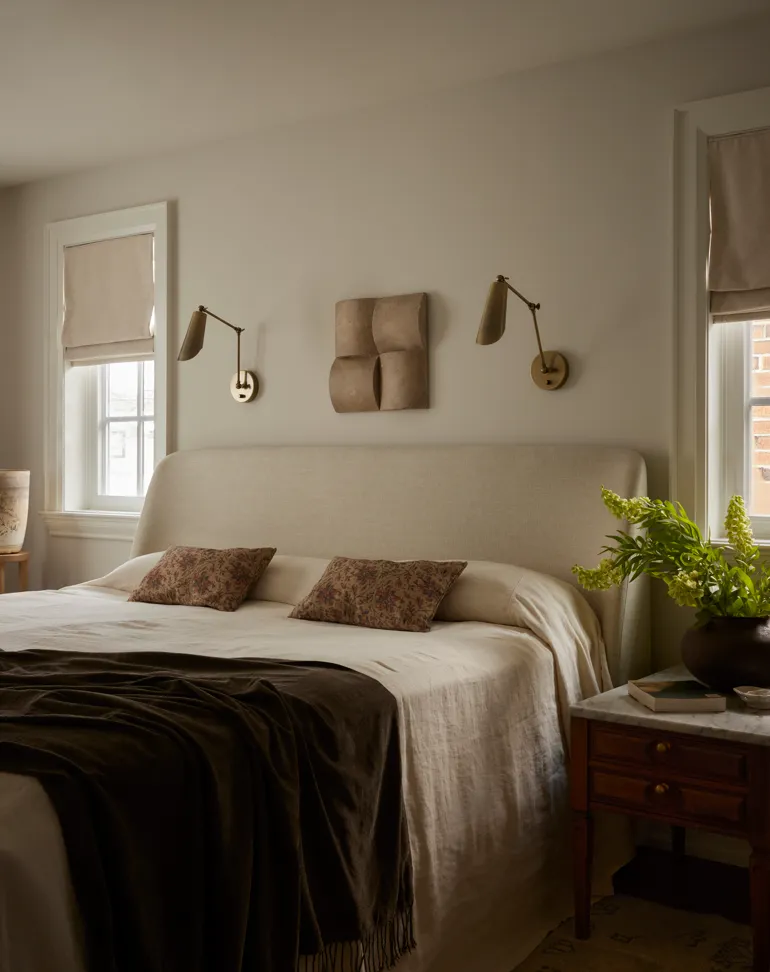
Focusing on Materiality: The interiors were approached with restraint, using natural textures and layered finishes to bring warmth, depth, and a calm character to the rooms.
“The house I would have designed in 2020 is very different from the one we live in today. The pause allowed us to step back from immediacy and focus instead on what would feel meaningful and lasting over time.” Joan MacAlpine of Joan + Company Interiors.
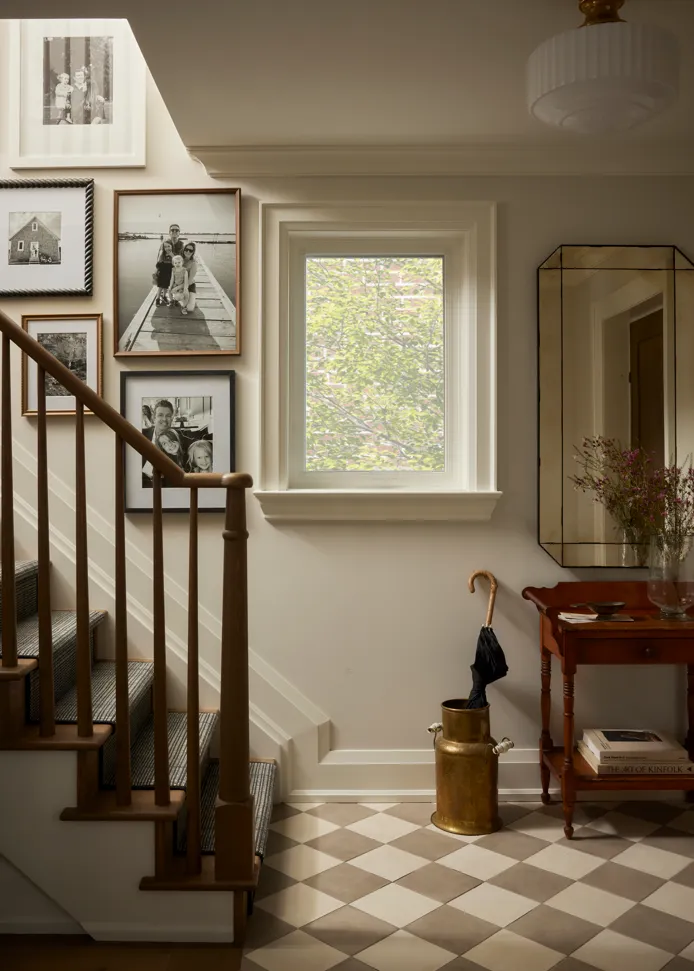
The House That Waited: Finding Perfection in a Five-Year Pause. Image courtesy of: Lauren Miller
The House That Waited: Finding Perfection in a Five-Year Pause. Image courtesy of: Lauren Miller
The House That Waited: Finding Perfection in a Five-Year Pause. Image courtesy of: Lauren Miller
The House That Waited: Finding Perfection in a Five-Year Pause. Image courtesy of: Lauren Miller
The House That Waited: Finding Perfection in a Five-Year Pause. Image courtesy of: Lauren Miller
The House That Waited: Finding Perfection in a Five-Year Pause. Image courtesy of: Lauren Miller
The House That Waited: Finding Perfection in a Five-Year Pause. Image courtesy of: Lauren Miller
The "Forever" Result
Nearly five years after purchasing the property, the family finally moved into what Joan now confidently calls their forever home. Designed over time rather than in haste, the residence reflects Joan + Company Interiors' broader philosophy: homes should support real life first, while maintaining a strong emotional connection to the people living within them.
In hindsight, Joan says she would not change the timing at all. The renovation became a powerful exploration of designing beyond the immediate moment. It proves that when everyday rituals are allowed to guide a layout, the result is a beautifully grounded, tactile, and quietly inviting space.
By slowing down long enough to create a home rooted in clarity rather than urgency, The House That Waited stands as a testament to the belief that the strongest spaces are shaped not just by aesthetics but by the way people truly live within them over time.
The House That Waited: Finding Perfection in a Five-Year Pause. Image courtesy of: Lauren Miller
The House That Waited: Finding Perfection in a Five-Year Pause. Image courtesy of: Lauren Miller
The House That Waited: Finding Perfection in a Five-Year Pause. Image courtesy of: Lauren Miller
Joan + Company Interiors is a design studio based in Toronto’s west end, specializing in residential renovations and custom home builds. Founded and led by Joan MacAlpine, the studio is recognized for its thoughtful approach to design and its commitment to creating homes that balance beauty, function, and longevity.
At Joan + Company Interiors, design is built on collaboration and trust. Every project reflects a clear understanding of how people live, resulting in interiors that are timeless, grounded, and unmistakably personal.
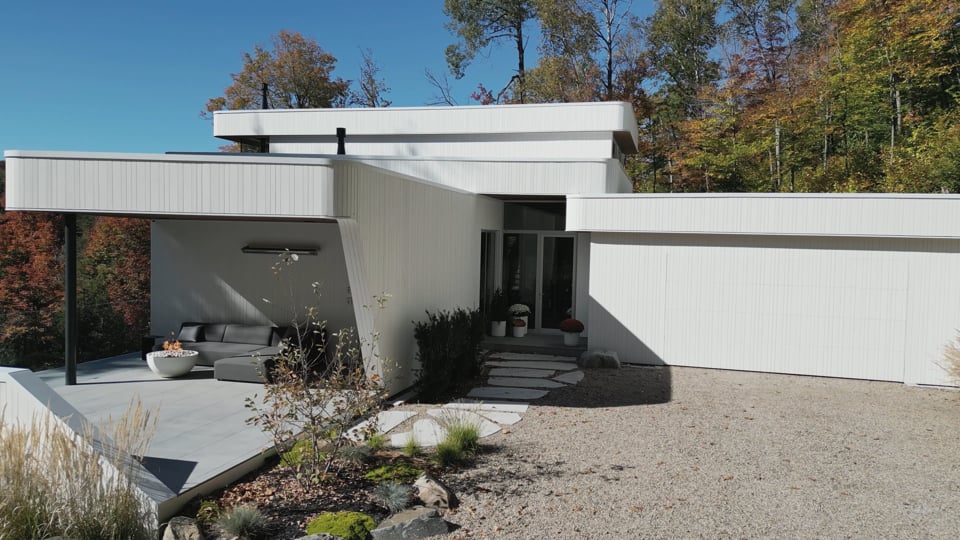
In the heart of Quebec’s rugged Laurentians region, a new kind of home has taken flight. Located in the quiet community of La Conception, The Albatross is not just a house; it is a masterclass in modern residential design. Image courtesy of: Stéphane Groleau Created by the teams at MU Architecture in close collaboration with architect Anik Patry, this extraordinary home was built around a beautiful, simple idea: to place a modern family at the very center of a spectacular nat
How a delayed renovation taught interior designer Joan MacAlpine the value of slowing down and reconsidering the pace of residential design. There are some homes that come together quickly, built on swift decisions and tight schedules. And then there are the homes that ask to be understood first.
Transforming a house into a forever home often requires looking past severe imperfections to see the hidden potential. In a recent full-scale renovation, an interior design team took a failing structure and completely reimagined it, blending classic Cotswold design elements with fresh, modern charm.
Imagine a surface that feels exactly how it looks. Tafisa, a North American leader in decorative panels, has brought this concept to life with the launch of ICONIQ, a brand-new collection of decorative melamine and high-pressure laminate surfaces.
Great architecture does more than provide shelter—it tells a story. For VMA, a dynamic architecture firm headquartered in Philadelphia with offices in New York City and Washington, D.C., that story is all about connecting the past with the future.
The global economy is built on a foundation of confidence, but in China, that very foundation is visibly cracking and crumbling. The numbers involved are almost too large to comprehend for the average person. Since the crisis began to take hold in 2021, Chinese real estate developers have failed to repay more than $100 billion in debt.
Transforming a former industrial district into a welcoming residential neighbourhood is one of the toughest challenges in modern city planning. Too often, new developments bulldoze the past to build the future, erasing the unique character of a neighbourhood. However, a new residential project in Montreal is flipping the script.
What if architecture could change the way we look at aging? In Beloeil, the newly designed shared spaces of the Cloria residence are doing exactly that. Designed by Taktik, this fresh approach to senior living leaves outdated conventions behind. Instead of rigid schedules and clinical spaces, the design encourages autonomy, freedom, and a vibrant sense of community.