The Visionary Work of VMA: Breathing New Life into History
May 20
3 min read
Great architecture does more than provide shelter—it tells a story. For VMA, a dynamic architecture firm headquartered in Philadelphia with offices in New York City and Washington, D.C., that story is all about connecting the past with the future.
Guided by enduring principles of tradition, beauty, craft, and sustainability, VMA creates spaces that thoughtfully respond to the people who use them. Their exceptional commitment to the craft was recently celebrated at the 45th Annual Arthur Ross Awards, held on May 11, 2026, at Cipriani 42nd Street in New York City.
Designing for the Future While Honouring the Past
VMA specializes in cultural, academic, and civic spaces. They are experts at a very delicate balancing act: renewing historic buildings and designing new architecture that fits seamlessly into their historic surroundings.
Their recent academic projects showcase this talent beautifully:
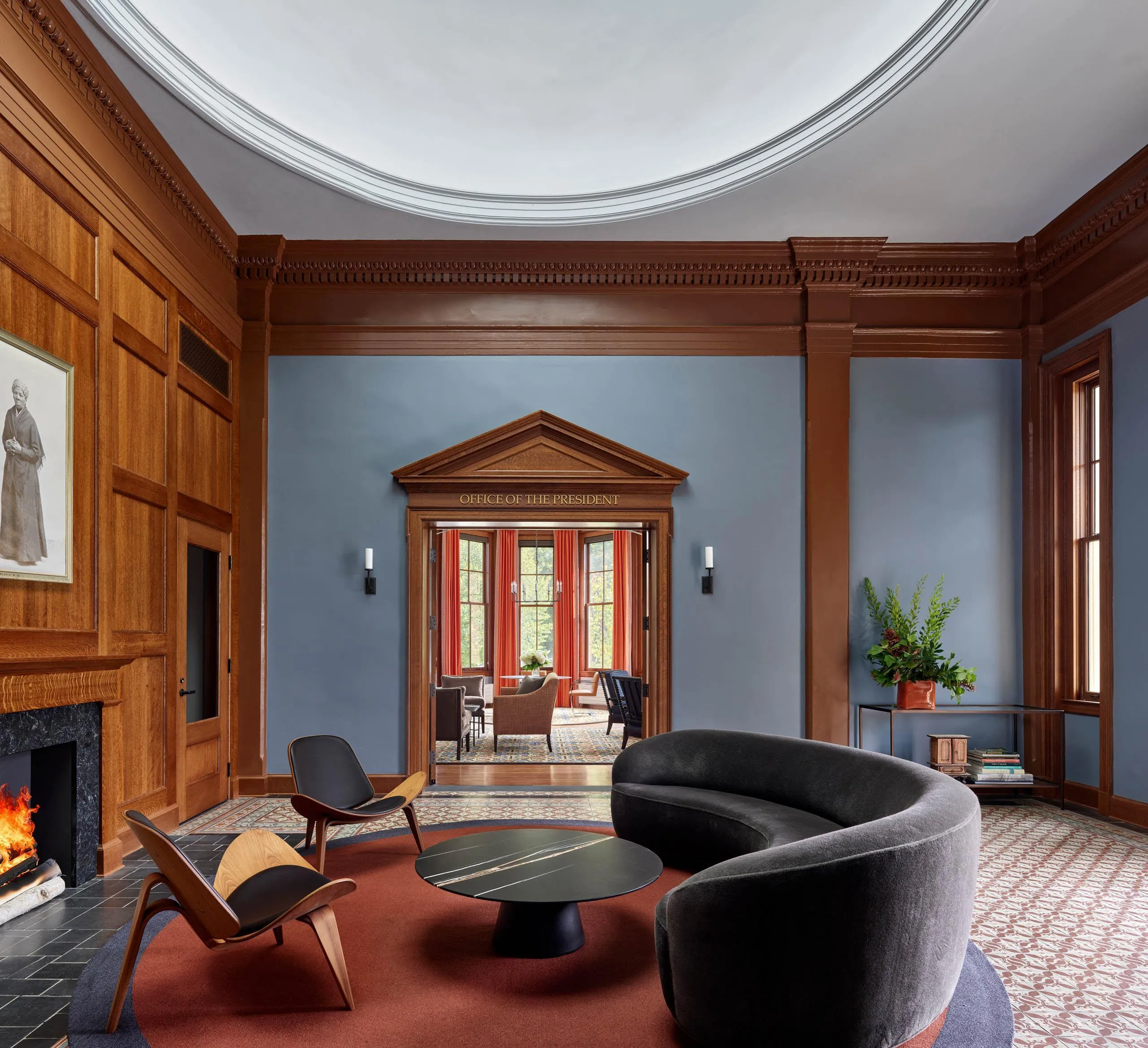
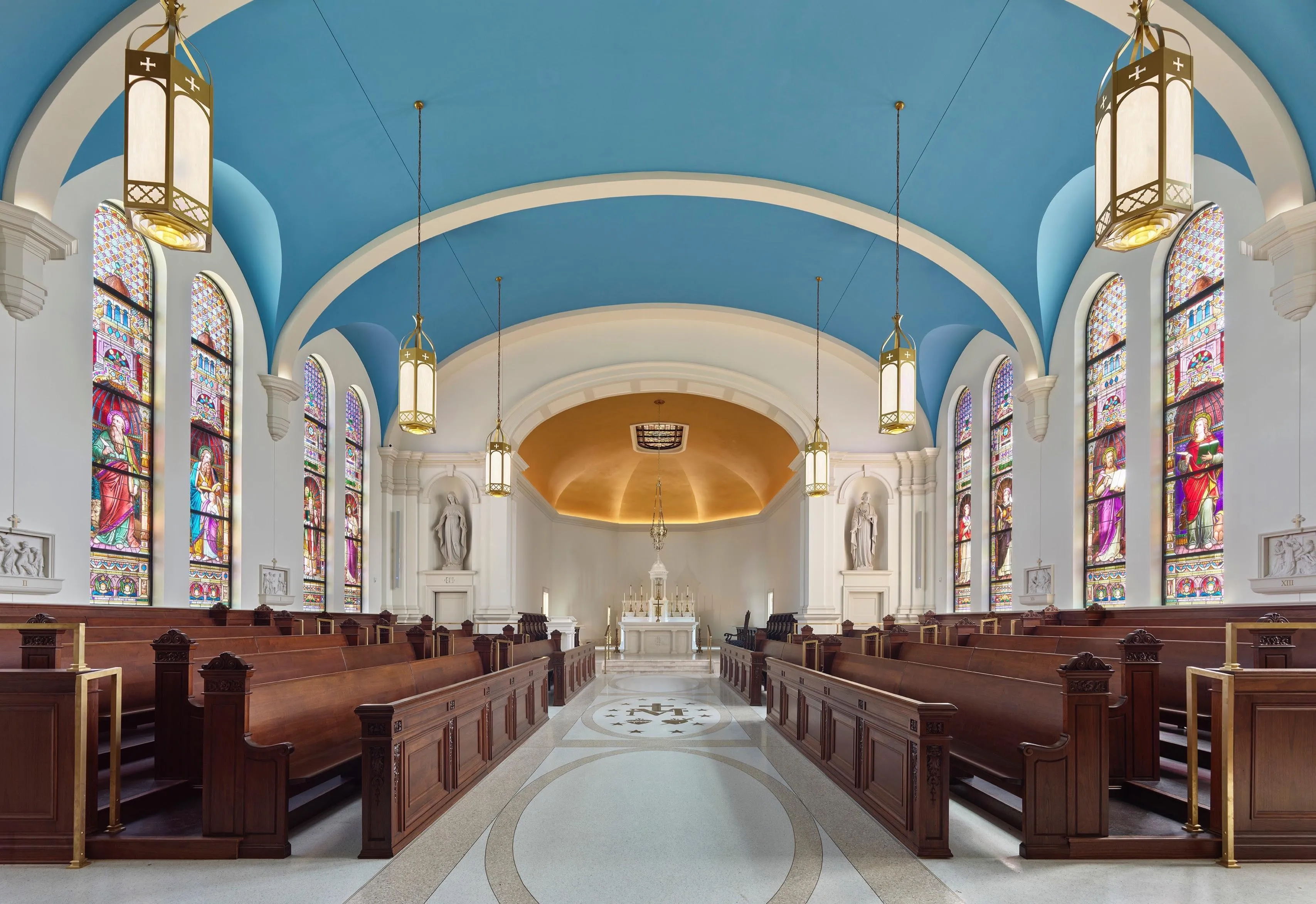
Lincoln University: The firm breathed new life into Vail Hall and successfully transformed Cresson Hall into a vibrant living-learning community for students.
Millbrook School: VMA designed the new Anthony House, creating a welcoming, purpose-built center dedicated to alumni relations and school development.
The Visionary Work of VMA: Breathing New Life into History. Image courtesy of: Jeffrey Totaro
The Visionary Work of VMA: Breathing New Life into History. Image courtesy of: Jeffrey Totaro
Setting the Stage: Reviving Art Deco Masterpieces
Some of VMA’s most exciting current work involves rescuing historic entertainment venues. The firm was selected to lead the transformation of two stunning Art Deco theatres, upgrading them into modern cultural hubs while preserving their classic charm.
The Metro Theatre (New York City): Located on Manhattan’s Upper West Side, this historic gem is being converted into a five-screen cinema. It will serve as a lively community gathering space for art-house films and classic movie screenings.
The Sedgwick Theatre (Philadelphia): Built in 1928 in the Mt. Airy neighbourhood, the theatre is being carefully renovated and expanded. It will soon boast a 250-seat capacity, serving as the permanent home for the Quintessence Theatre Group.
The Perfect Balance
What makes VMA’s approach so special is their deep respect for a building's original character. When they tackle a restoration project, they don't erase the past to make way for the future. Instead, they find creative solutions that solve modern operational challenges while keeping the unique architectural identity of the building intact.
Whether they are upgrading a historic college hall or rescuing a 1920s cinema, VMA proves that with the right care, our historic architecture can continue to serve and inspire our communities for generations to come.
Voith & Mactavish Architects LLP (VMA) is an architecture, preservation, planning, and interior design firm based in Philadelphia, with expanded presence in New York City and Washington, D.C. The firm was founded in 1988 with a commitment to the highest quality design and service.
VMA believes that great architecture stems from innovation within the context of tradition. The global practice draws inspiration from traditional building principles to create architecture that responds to place and people. They strive for a depth of understanding of socio-cultural and physical contexts to reflect the client’s aspirations in a wide range of realms, including art, academics, athletics, community, living, and wellness.
Guided by their core principles of tradition, context, innovation, beauty, craft, and sustainability, VMA buildings consider the long-term impact on the environment and future generations.
The firm's integrated services are managed by five partners who direct a talented team of forty. Each project is partner-led and adheres to the collaborative nature of VMA's practice, rooted in the exchange of ideas and longstanding client relationships. Voith & Mactavish Architects LLP is certified by the Women’s Business Enterprise National Council.
Receive the latest updates on architecture, design, and sustainability, along with news of upcoming competitions, events, and exclusive stories, delivered directly to your inbox.
Great design bridges past and future,
creating spaces that evolve with us.
At Forma The Magazine, we believe architecture and design have the power to elevate lives, restore places, and inspire generations.
We invite you to join our community of thinkers, creators, and dreamers shaping the future of design.
Then there is Montréal—a city that, for twenty years, has chosen to "govern" itself. In June 2006, the Québec metropolis became the first city in North America and only the third in the world to join the UNESCO Creative Cities Network in the field of design. Two decades on, that designation has proven to be far more than a badge of honour. It has become the philosophical spine of an entire urban project.
Humans spent 99% of their evolutionary history adapting to the natural world. Today, we spend roughly 90% of our lives inside sealed, climate-controlled boxes. This massive shift has left us chronically stressed, fatigued, and disconnected.
Winner of the 2026 Award of Excellence in Architecture from the Quebec Association of Architects, the Aubé House is more than just a beautifully designed residence. It is a physical timeline—a space where a rich family history meets breathtaking modern design.
Just north of Toronto, perched on the edge of a wooded valley, sits Ravine House—a contemporary home that redefines what it means to live in harmony with nature. Rather than acting as a barrier against the outdoors or simply occupying a plot of land, this stunning residence acts as an immersive, beautiful mediator between comfortable domestic living and the natural landscape.
On May 29th, as the sun began to set over the historic brick facades of Old Town Toronto, the streets took on a new, electric energy. The King East Design District (KEDD) Neighbourhood Hop—the highly anticipated annual event presented by DesignTO in collaboration with the Old Town Toronto BIA—was officially underway. For a few magic hours, the neighbourhood morphed into a sprawling, interactive playground for creativity and innovation.
In the heart of Quebec’s rugged Laurentians region, a new kind of home has taken flight. Located in the quiet community of La Conception, The Albatross is not just a house; it is a masterclass in modern residential design. Image courtesy of: Stéphane Groleau Created by the teams at MU Architecture in close collaboration with architect Anik Patry, this extraordinary home was built around a beautiful, simple idea: to place a modern family at the very center of a spectacular nat
Great architecture does more than simply house people; it shapes how they learn, create, and connect with the world around them. Université du Québec à Montréal (UQAM) has long understood this, and the architectural community agrees. Recently, UQAM’s iconic pavillon de Design was awarded the Royal Architectural Institute of Canada’s (RAIC) Prix du XXe siècle, a prestigious honour that recognizes the most outstanding and enduring architectural achievements of the last century.
Medical laboratories are often defined entirely by their complex, technical needs, leaving little room for architectural beauty. However, the new Montérégie Central Laboratory in Quebec completely rewrites that rule. Designed by the architectural firms NFOE and Archi–, this cutting-edge facility proves that high-tech infrastructure can be surprisingly elegant.