Modern Exterior Cladding: Elevating Your Home’s Aesthetic and Durability
- Jan 11
- 5 min read
Updated: Mar 5
In collaboration with: GXGprojects
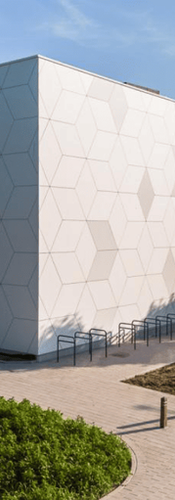
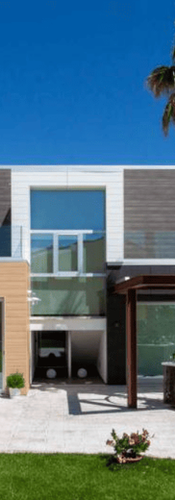
Since relocating to Canada, I have been struck by a curious cultural difference: the term 'cladding' is often associated with the past—viewed as an aging or outdated system. As an architect trained in Italy, this was a startling revelation. In Europe, cladding is celebrated as the defining element of contemporary architecture, used to characterize the most cutting-edge residential and commercial projects.

My research quickly revealed that the 'cladding' in the Canadian consciousness is vastly different from the high-performance systems utilized in European design. Today, I want to bridge that gap and introduce what we define as Modern Cladding.
Exterior modern cladding, often referred to as siding, is more than just a building's protective skin. While its primary function is to shield your home against wind, moisture, and thermal fluctuations, it plays an equally pivotal role in defining architectural character.
The right cladding choice can instantly facelift a property, bridging the gap between longevity and modern design. Whether you are an architect, a builder, or a homeowner planning a renovation, navigating the myriad of material options is the first step toward realizing your vision.
Below, we explore the top modern cladding trends, with a deep dive into technical considerations for wood and innovative solutions for the future.
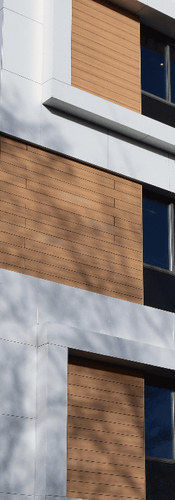
Traditionally, wood holds an irreplaceable spot in design thanks to its rich texture and natural warmth. In modern settings, it becomes a powerful aesthetic tool, especially when paired with contrasting materials like concrete, steel, or brick.
Key Applications:
Thermally Modified Ash: This material imparts a luxurious touch and brings balance to exterior elevations. It creates a resonant complement to modern designs that favour clean lines and minimalistic styles.
Creating Contrast: The interplay between dark wooden feature walls and lighter building finishes generates striking contrasts, ensuring your home stands out with a sophisticated, modern appeal.
Breaking Monotony: Mixing and matching different wood grains, styles, and profiles can break up the visual weight of long facades, adding dimensionality and intrigue.
Top Features of Wood Cladding:
Rich Texture: Adds organic depth to flat surfaces.
Warmth: Softens industrial materials like glass and concrete.
Versatility: Offers various grain patterns and installs easily.
Design Flexibility: seamlessly complements a wide range of architectural styles.
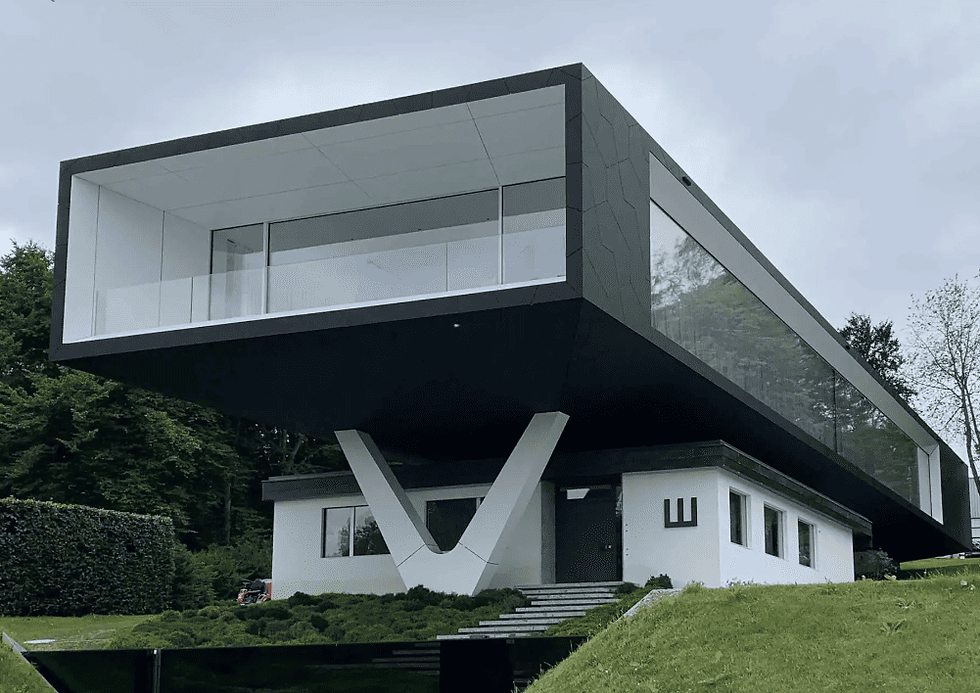
Top Trends in Modern Cladding Materials
Modern design often relies on a mix of textures and finishes. Here are the materials currently dominating the market:
1. Natural Stone: Timeless Elegance
Stone brings an element of timeless beauty to any facade. While historically viewed as rustic, natural stone now serves a modern purpose when paired with sleek materials like glass or metal.
Best Application: Highlighting architectural features such as entryways, columns, or feature walls.
Why choose it: It offers resilience, low maintenance, and a unique texture that creates a sense of permanence.
2. Metal Panels: The Industrial Edge
For a minimalist dream, metal panels offer a sleek, continuous finish.
Best Application: Urban homes and commercial-style residential builds.
Why choose it: Metal is highly durable, fire-resistant, and practically maintenance-free.
3. V-Groove Siding: Depth and Geometry
V-Groove is a versatile profile solution that creates pronounced shadow lines, adding depth and "visual rhythm" to a home.
Best Application: Vertical installation emphasizes height for a modern look, while horizontal installation offers a cleaner take on traditional siding.
Why choose it: It is budget-friendly, adaptable to both rustic and contemporary visions, and breaks up flat surfaces with geometric intrigue.
4. Concrete and Fiber Cement: Minimalist Strength
Concrete cladding epitomizes modern minimalism with its stark, smooth surfaces. For a lighter alternative, Fiber Cement panels deliver a similar durability and are non-flammable, offering safety alongside industrial charm.

A Deep Dive: The Enduring Appeal of Wood Cladding
Despite the influx of synthetic materials, wood holds an irreplaceable spot in modern design. It provides warmth and texture that "softens" the look of concrete and glass. However, selecting wood requires technical knowledge to ensure longevity.
When choosing wood siding, the "grade" significantly impacts both aesthetics and price:
STK (Solid Tight Knot): often used for "paint grade" softwoods. These boards contain knots. Even with heavy paint, these knots can eventually "telescope" through the finish or develop splits.
Clear Grade: This is virtually defect-free wood (no knots, pitch, or bark pockets). While visually stunning, Clear softwoods like Western Red Cedar and Redwood have become prohibitively expensive (often exceeding $15-20 per sq. ft.) due to sourcing challenges on the West Coast.
To address durability concerns without the skyrocketing cost of clear softwoods, the industry has turned to innovation:
Thermal Modification: This process treats lower-density woods (like Hemlock, Spruce, or Pine) to increase durability. While effective, it adds roughly 25-30% to the raw material cost.
Premium Hardwoods: Unlike softwoods, responsibly harvested hardwoods are naturally abundant and durable. When paired with rainscreen installation systems, they offer superior longevity.
Contrary to common myths regarding deforestation, sustainable hardwood is an eco-friendly powerhouse compared to aluminum, brick, or steel:
Carbon Sequestration: Wood captures carbon, whereas manufacturing steel or concrete releases it.
Biodegradable: Unlike PVC or composite, wood leaves no microplastic footprint.
Energy Efficient: Processing natural wood requires significantly less energy than producing metal or masonry.