Canada possesses a proud architectural tradition, its landscape dotted with structural testaments to design innovation. From the rugged coasts of Newfoundland to the urban centres of British Columbia, Canadian architects have carved out a distinct identity that blends sustainability, functionality, and striking aesthetics.
For those inspired by these achievements, the path to joining their ranks often begins with technical mastery. Programs such as Centennial College’s Architectural Technician Program offer the practical, hands-on experience required to balance the artistic side of design with the technical demands of sustainable and efficient construction.
Below, we explore eight of the country's most significant architectural achievements and the visionaries who brought them to life.
Architect: Frank Gehry
Location: Toronto, Ontario
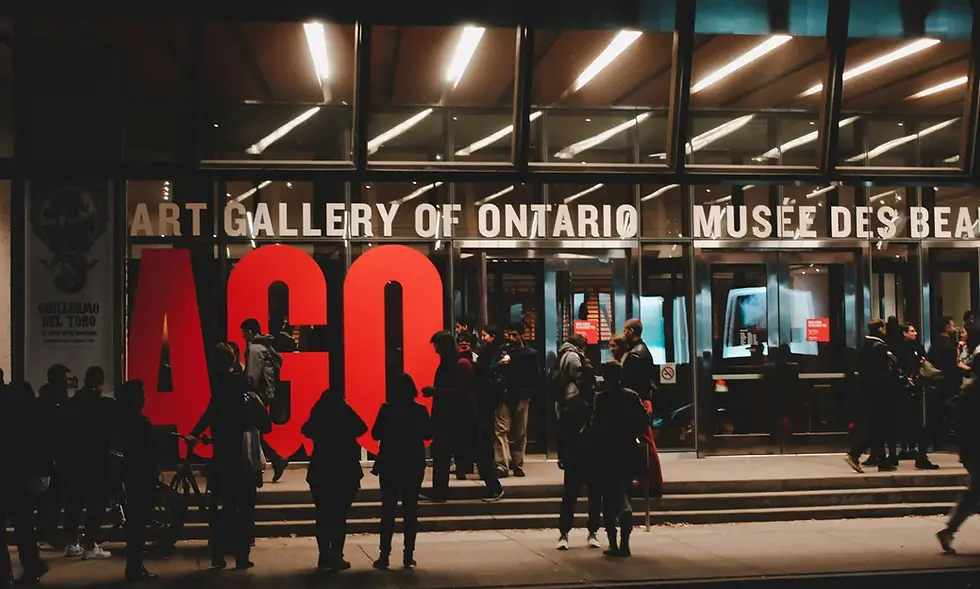
Frank Gehry, one of the most renowned architects of our time, returned to his city of birth to transform the Art Gallery of Ontario. Completed in 2008, this renovation of the 1918 structure marked Gehry’s first building in Canada—the very place where he initially connected art with architecture.
Gehry is celebrated for transforming contemporary architecture through innovative materials and forms. At the AGO, his design connects the city to the gallery in provocative ways. Key features include the dramatic sculptural staircases, the warm use of Douglas fir, and an extensive glass façade that infuses the galleries with natural light. He remains one of the few architects in history to be both a cutting-edge creative force and a figure embraced by the general public.
Architect: Douglas Cardinal
Location: Gatineau, Quebec
Located on the edge of the Ottawa River facing Parliament Hill, the Canadian Museum of History is an architectural jewel designed by the esteemed Douglas Cardinal. Of Métis and Blackfoot heritage, Cardinal blended Indigenous teachings with cutting-edge technology to create this masterpiece, originally opened in 1989.
The building exudes an awe-inspiring grandeur, characterized by Cardinal’s signature curvilinear style. It spans 93,000 square metres and incorporates symbolic designs that reflect the Canadian landscape—including a wing built from 90 tons of copper. The museum stands as a testament to the country's commitment to preserving its diverse history and remains one of Canada’s most-visited cultural institutions.
Architect: Bing Thom
Location: Vancouver, British Columbia
Completed in 1997 on the University of British Columbia campus, the Chan Centre is a triumph of acoustic and visual design. Architect Bing Thom, who immigrated to Vancouver from Hong Kong as a child, possessed a deep affinity for music. His primary goal was to create a space that optimized the experience for the artist, believing that a building must respond to human emotional needs.
The Chan Shun Concert Hall is shaped like the inside of a cello. This "visual acoustic" approach, combined with warm wood accents and radiating stainless-steel cables, creates an exceptional sound environment. Despite holding nearly 1,400 people, the stacked balcony design ensures an intimate atmosphere where the artist is never more than 100 feet from the audience.
Architect: Todd Saunders
Location: Fogo Island, Newfoundland & Labrador
Todd Saunders, a Newfoundland-born and Norway-based architect, is known for infusing contemporary buildings with a sensibility deeply attuned to northern terrains. The Fogo Island Inn is a striking example of this, designed to resemble a traditional fishing stage propped up on stilts—or "shores"—due to the rocky topography.
This 29-room inn was built using regenerative principles, involving a collaborative process with local artisans to preserve the island's cultural heritage. The structure minimizes its footprint on the land while acting as a bold, modern interpretation of vernacular history. It stands as a means toward the island’s economic and cultural survival, creating a silhouette that is distinctively modern yet "made just for Fogo."
Architect: David Roberts Jr.
Location: Toronto, Ontario
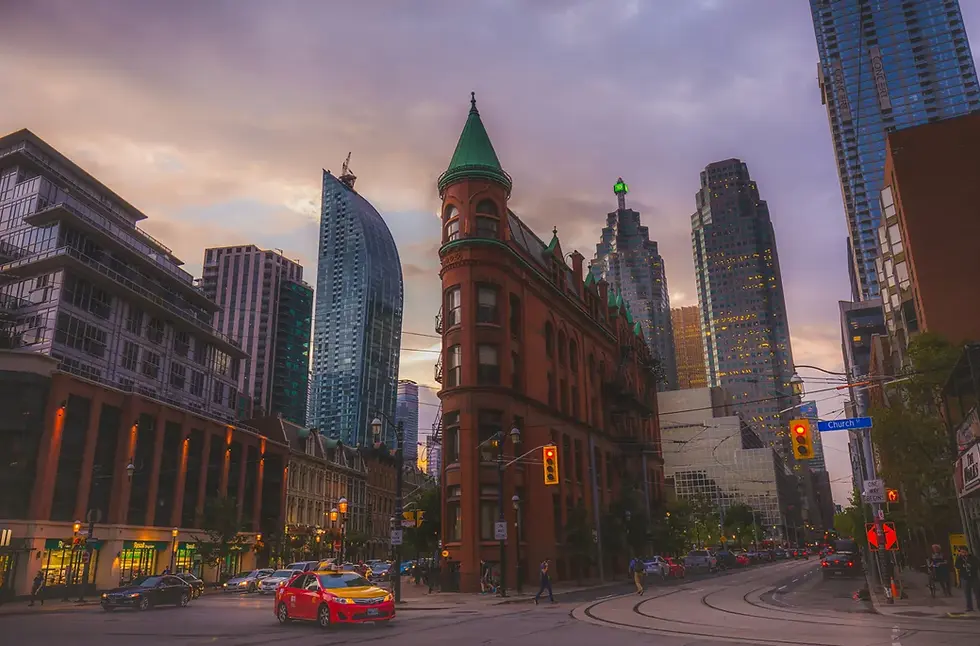
Long before New York City built its famous Flatiron Building, Toronto had the Gooderham. Completed in 1892 and designed by David Roberts Jr., this iconic red-brick structure serves as the architectural anchor of the St. Lawrence Market neighbourhood.
It was commissioned by George Gooderham, a titan of industry and head of the Gooderham & Worts distillery (once the largest distillery in the British Empire). The building served as the company's headquarters and is recognizable for its distinctive wedge shape and Romanesque Revival style. Today, it remains one of the most photographed and beloved heritage landmarks in the city.
Architect: Moshe Safdie
Location: Montreal, Quebec
Designed as the major theme exhibition for Expo 67, Habitat 67 remains a futuristic icon more than 50 years later. Architect Moshe Safdie designed this complex while still a student at McGill University, pioneering a vision for high-density urban housing using pre-fabricated modular construction.
The complex consists of 365 construction modules connected to create 158 residences. Safdie’s goal was to fuse the benefits of suburban living—such as gardens, fresh air, and privacy—with the economics of an urban apartment building. The stepped arrangement provides every dwelling with its own roof garden, and the units are connected by a tension system that forms a continuous load-carrying structure. It remains a Brutalist masterpiece and a National Heritage Building.
Architect: Dan Hanganu
Location: Quebec City, Quebec
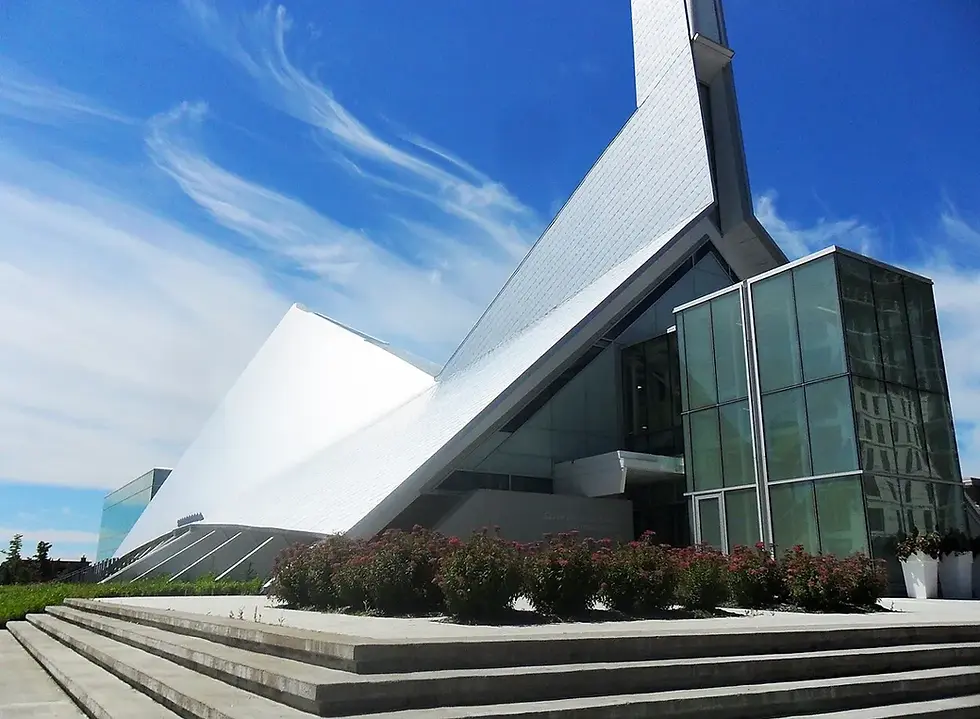
This project is a brilliant example of adaptive reuse. The structure began its life in 1964 as the St. Denys-du-Plateau Church, designed by Jean-Marie Roy, with a tent-like volume evoking a ship’s sail. In 2013, acclaimed architect Dan Hanganu converted the church into the Monique-Corriveau Library, paying tribute to the Quebec writer of the same name.
Hanganu’s approach was one of respect and humility. He preserved the spectacular, monumental volume of the nave while introducing new functions. To accentuate the fluidity of the space, solid elements were replaced with glass, and vibrant colours were introduced to contrast the whiteness of the original form. The result is a seamless transition from a place of worship to a modern community hub.
Architect: Étienne Gaboury
Location: Winnipeg, Manitoba
Since 1976, the Royal Canadian Mint in Winnipeg has been responsible for producing the entirety of Canada's circulation coinage, as well as currency for over 70 other nations. The building, designed by Manitoba architect Étienne Gaboury, is a dramatic example of late modern architecture.
Rising from the prairie landscape, the building features two vertical, right-angled triangles sheathed in bronze-tinted mirrored glass. This design choice not only reflects the surrounding sky and terrain but also evokes the lustre of the coins fabricated within. The assertive, sculptural form serves as a landmark for those entering the city, combining Gaboury’s modernist influences with the prestige of a national institution.
As this survey of Canadian architecture demonstrates, the country’s built environment is far more than a collection of structures; it is a dialogue between the land, its history, and the future. From the rugged resilience of the Fogo Island Inn to the acoustic precision of the Chan Centre, these landmarks prove that Canadian design is defined by its ability to adapt—blending the boldest artistic visions with the unique demands of our geography and culture.
Whether preserving history through the adaptive reuse of the Monique-Corriveau Library or defining a city’s skyline with the Gooderham Building, these achievements share a common foundation: a mastery of both form and function. They remind us that impactful architecture requires not just a creative spark, but the engineering precision to bring that spark to life.
For aspiring architects and technicians, the path to creating the next generation of Canadian landmarks begins with the fundamental skills offered by institutions like Centennial College. By bridging the gap between conceptual design and technical execution, the next wave of visionaries will be ready to leave their own mark on Canada’s evolving landscape, continuing a tradition of excellence that stands the test of time.