ArchViz in 2026: From Aesthetic Approval to Strategic Confidence
- Feb 11
- 4 min read
Updated: Mar 5
In collaboration with: GXGprojects
As 2025 draws to a close, the architectural visualization (ArchViz) industry stands at a pivotal crossroads. For the last decade, rendering has been viewed primarily as a marketing necessity—a "pretty picture" created to sell a concept or satisfy a planning board.

However, the landscape has fundamentally shifted. As we enter 2026, rendering is no longer just about aesthetics; it has evolved into a critical tool for risk mitigation, construction accuracy, and investment security.
Here is a look at the technologies and strategic shifts that will define the ArchViz industry in 2026 and beyond.
The Technological Landscape
The tools of the trade are evolving rapidly. In 2026, we expect four major technologies to dominate architects' and designers' workflows.
Virtual Reality (VR) Becomes Standard Practice. Virtual Reality (VR) and Augmented Reality (AR) are moving past their "novelty" phase to become essential communication tools. In 2026, VR will not just be for wowing clients; it will be for spatial validation.
Clients often struggle to understand scale and flow from 2D floor plans. VR bridges this gap, allowing stakeholders to "walk" through a structure before ground is broken.
The Impact: This reduces costly change orders during construction because the client has already "experienced" the room and signed off on the spatial dynamics.

3D Printing: bridging the Digital and Physical. While rendering dominates the screen, 3D printing is reclaiming the physical table. The gap between digital CAD files and physical models is closing.
The Workflow: In 2026, we expect to see a seamless pipeline where visualization assets are converted into high-fidelity physical models.
The Benefit: There is an irreplaceable value in tactile interaction. A physical model, combined with digital rendering, provides a comprehensive understanding of a building's massing and impact on its environment.

The Democratization of Cloud Rendering. High-end rendering previously required massive in-house server rooms and constant hardware upgrades. Cloud rendering has changed the equation.
Scalability: By offloading processing power to the cloud, even boutique firms can produce cinema-quality visuals without investing in enterprise hardware.
Collaboration: Cloud-based workflows break down geographical barriers, allowing teams to collaborate on heavy 3D files in real-time, regardless of their physical location. This is making the industry faster and more agile.

AI: The Co-Pilot, Not the Captain. Will Artificial Intelligence replace the architect or the 3D artist? The answer for 2026 is a definitive no. AI is settling into its role as a powerful assistant rather than a replacement.
Automation: AI is excellent at handling repetitive tasks—generating textures, populating scenes with foliage, or denoising images.
Ideation: It serves as a brainstorming partner, allowing designers to iterate through dozens of mood, lighting, and style concepts in minutes. However, the "human touch"—the ability to curate, correct, and inject emotion into a narrative—remains the domain of the professional.

The Strategic Shift
Technological tools are useless without a strategy. The most significant change in 2026 isn't software; it's the purpose of rendering. In 2025, the industry focused on using renderings to gain Approvals (permits, zoning, board sign-offs). In 2026, the focus shifts to Assurance (confidence, risk reduction, and trust).
De-Risking the Investment. With construction costs rising and timelines tightening, ambiguity is expensive. "Artistic" renderings that fudge the details are losing favour.
The Trend: Hyper-realism.
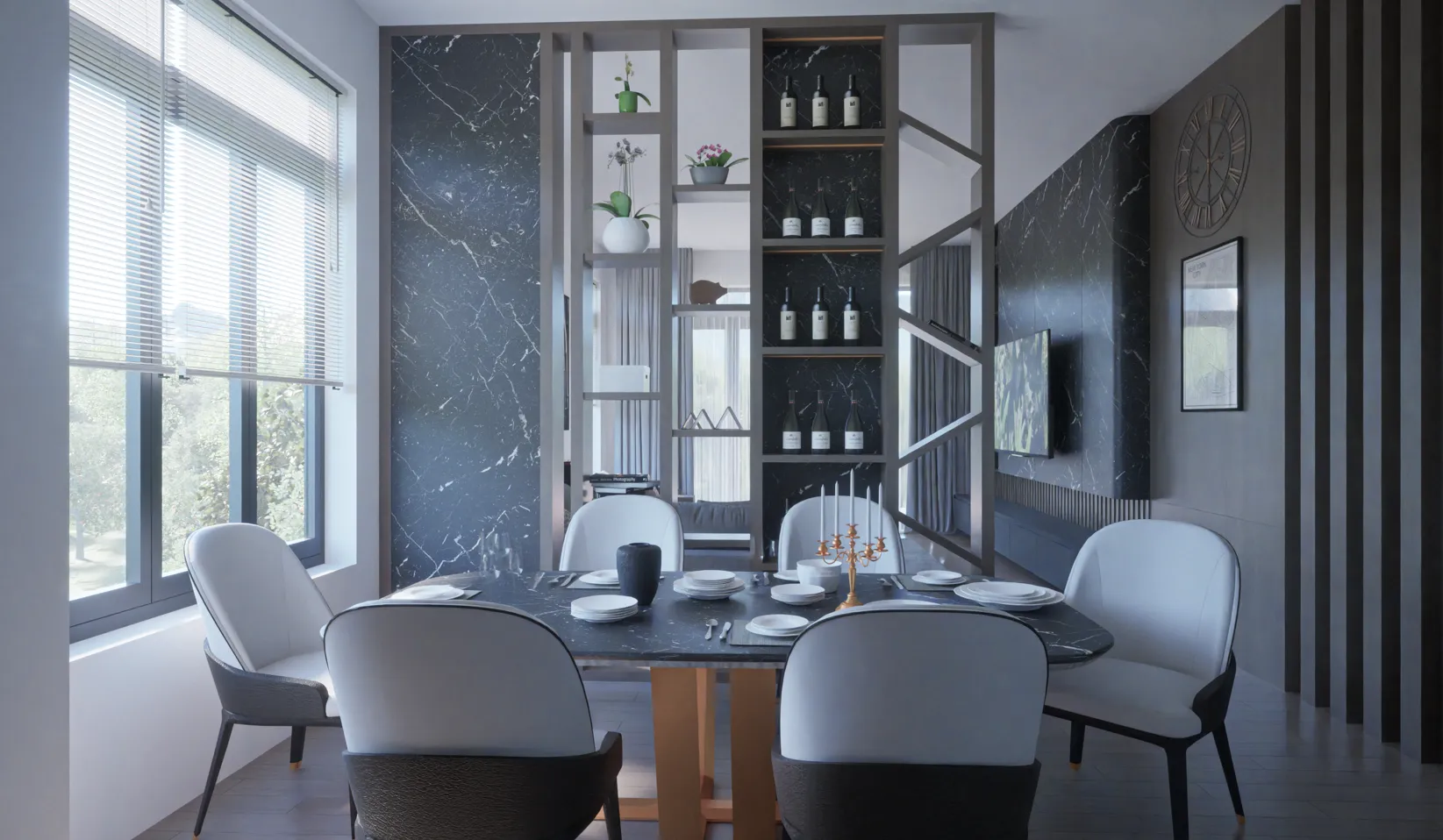
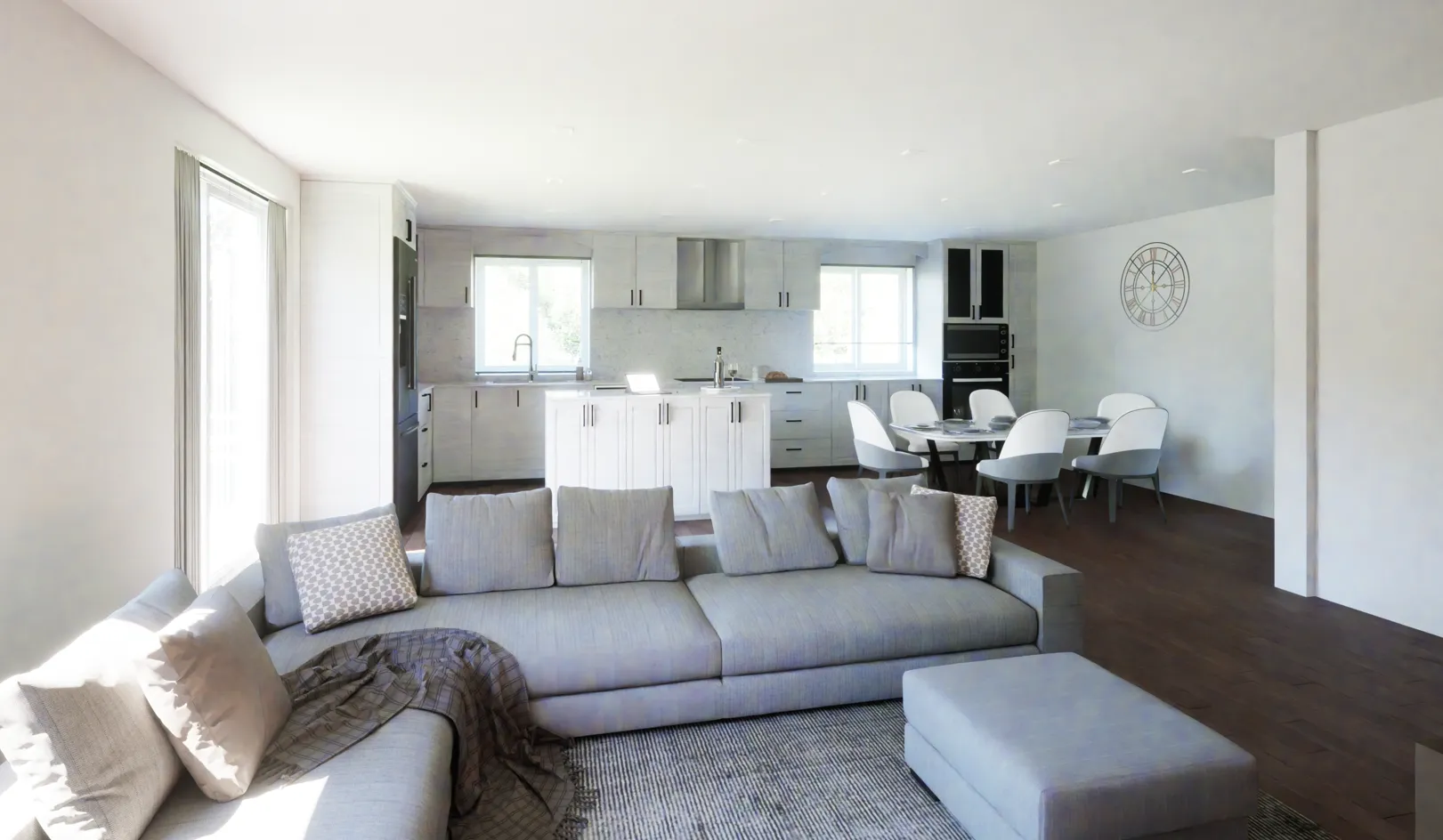
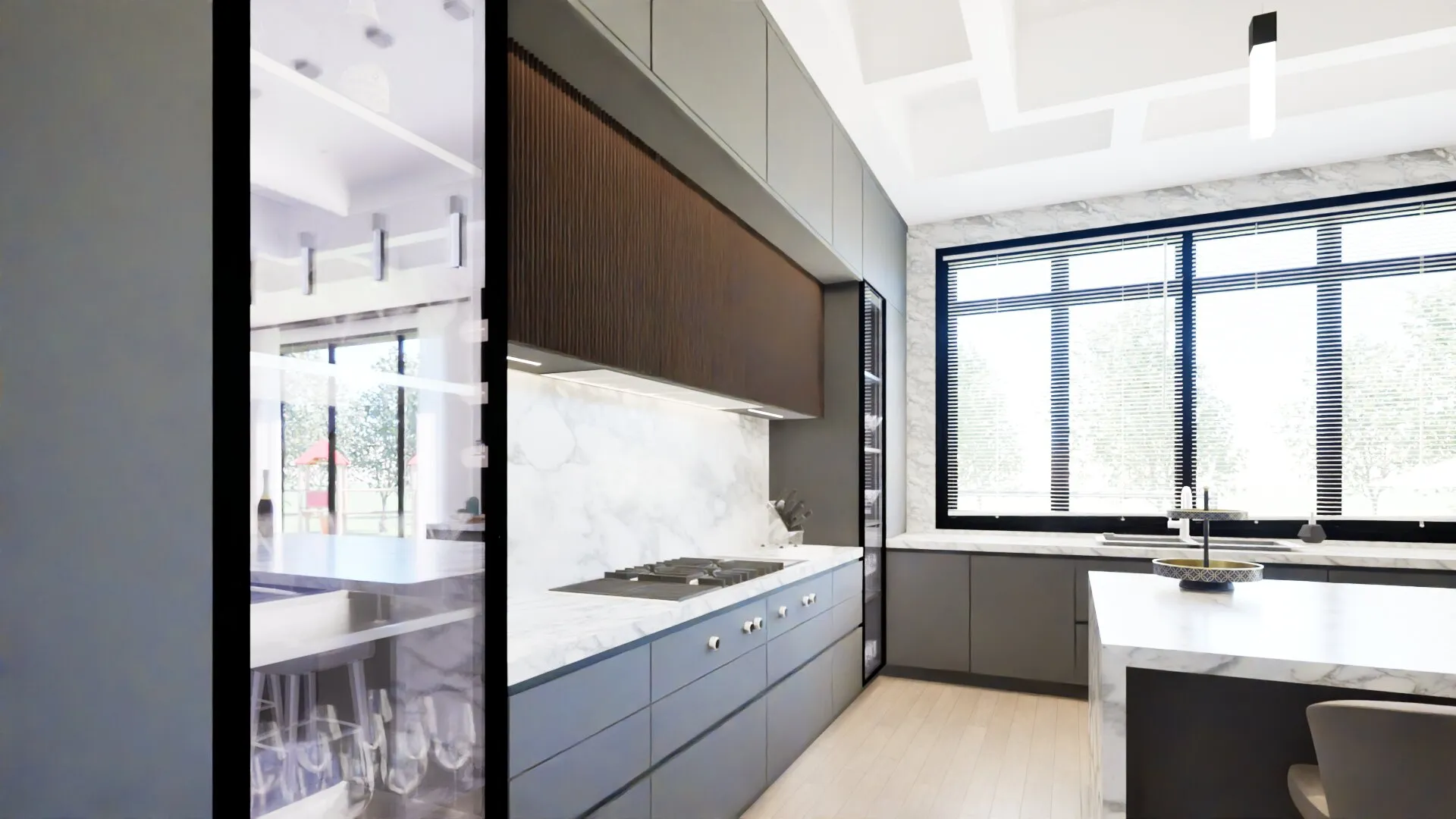
The Goal: Stakeholders need to see exactly what will be built. Accurate lighting simulations, true-to-life material representations, and precise context help investors and developers feel secure in their financial commitments.
Integration with BIM (Building Information Modelling). Renderings are no longer just paintings; they are data visualizations. In 2026, we will see a deeper integration between BIM data and visual output.
Why it matters: When a rendering is derived directly from the construction documentation, it ensures that the "pretty picture" matches the "buildable reality." This alignment reduces conflicts between the design team and the construction team.
Visualizing Sustainability. As global design influences shift toward climate resilience, rendering plays a crucial role in communicating performance.
Eco-Narratives: It is no longer enough to show a building; designers must visualize how the building performs. This includes visualizing solar passive design, biophilic elements (green walls, natural light), and the use of sustainable materials like terracotta or reclaimed timber.
The Message: In 2026, a rendering must communicate not just how a building looks, but how it lives and breathes within its environment.