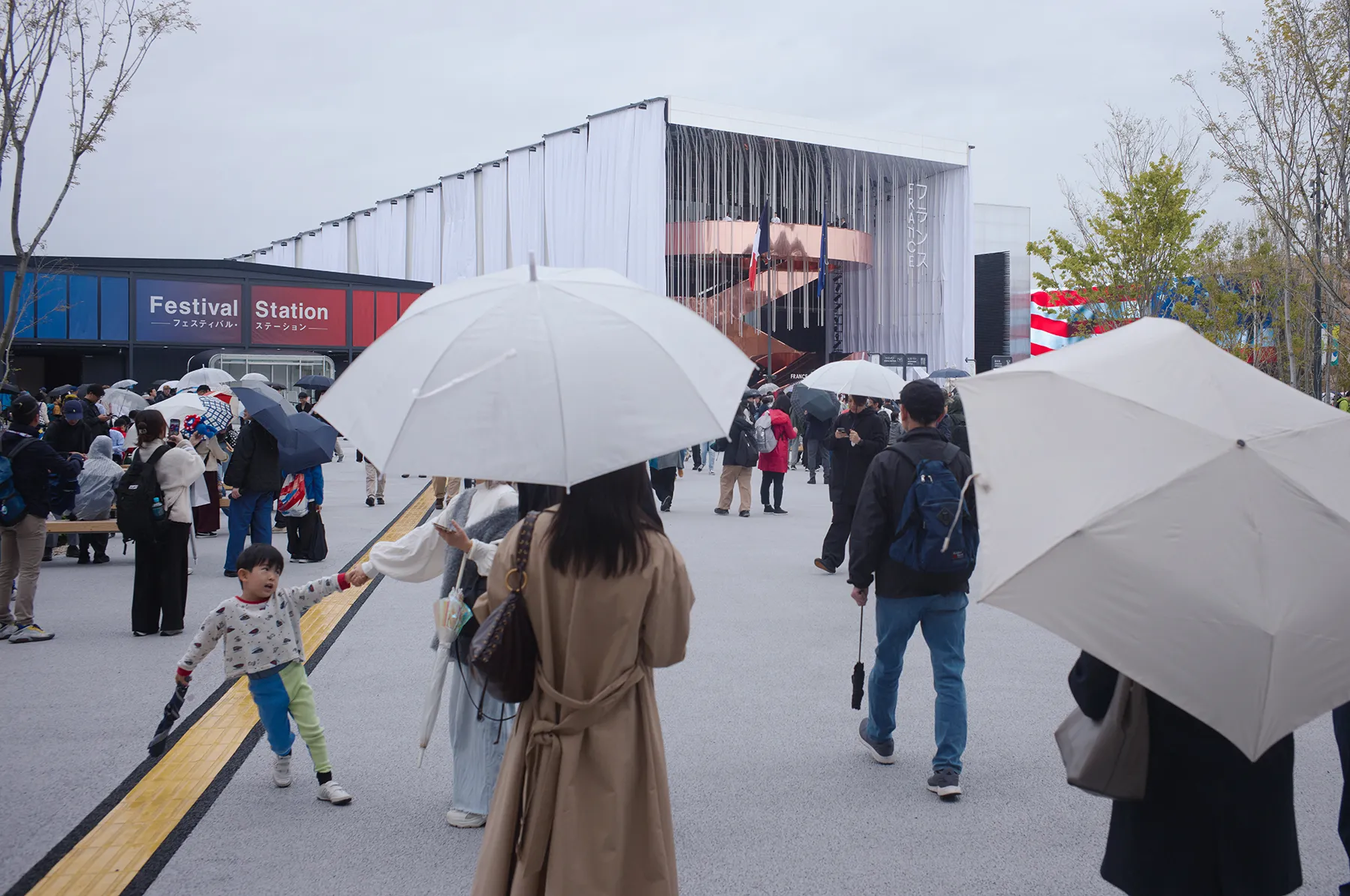
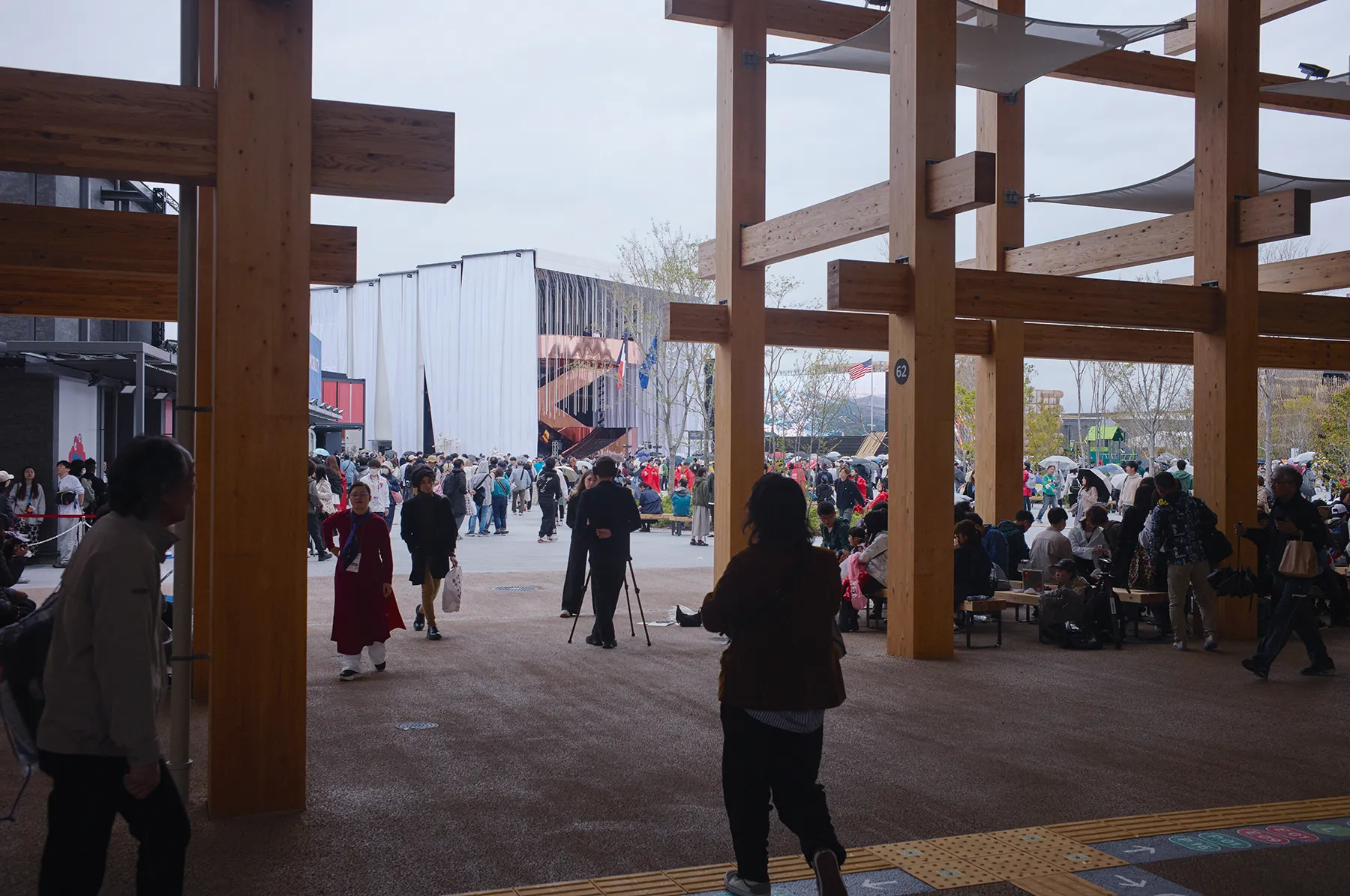
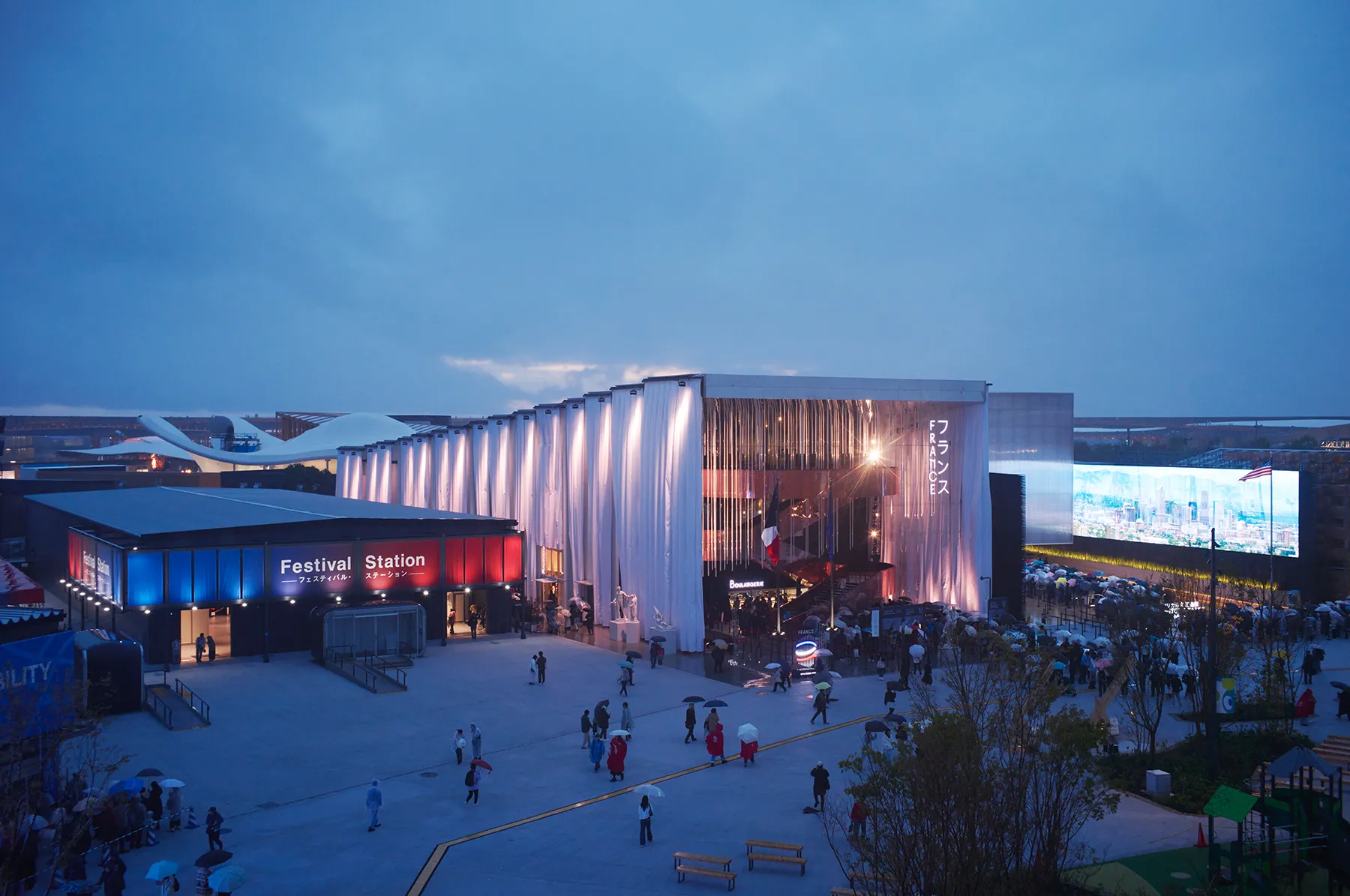
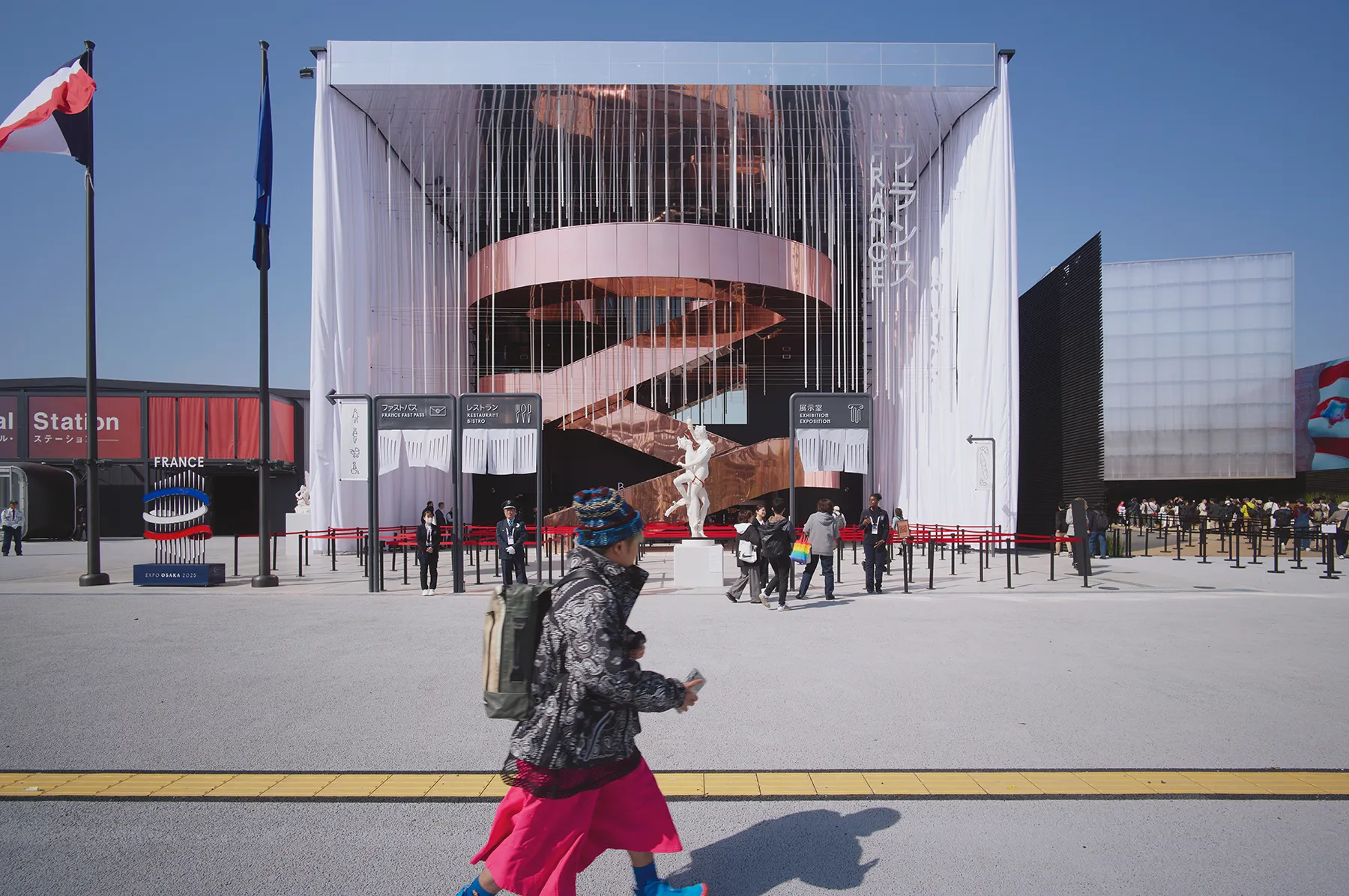
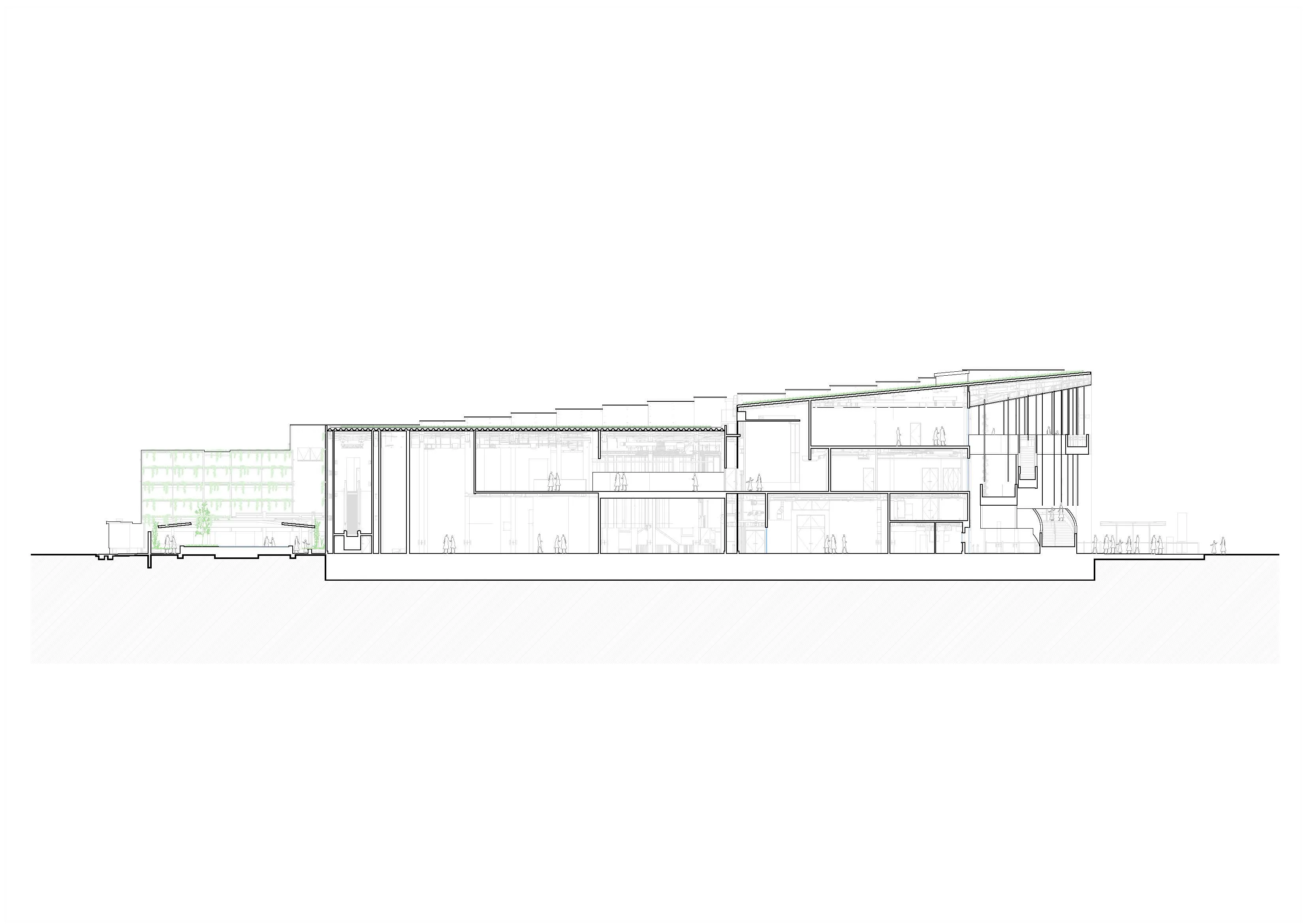
Designed by French architecture studio Coldefy with Italian design and innovation practice CRA-Carlo Ratti Associati, the France Pavilion at the Osaka World Expo 2025.
The France Pavilion is envisioned as a ‘theatre of life’, where architecture frames moments of presence, movement and interaction. Inspired by a mise-en-scène, or stage design and arrangement, the Pavilion is designed as a fluid sequence of spaces, guiding visitors through changing perspectives that mirror the rhythms of daily life – the beginning, transition, pause and departure.
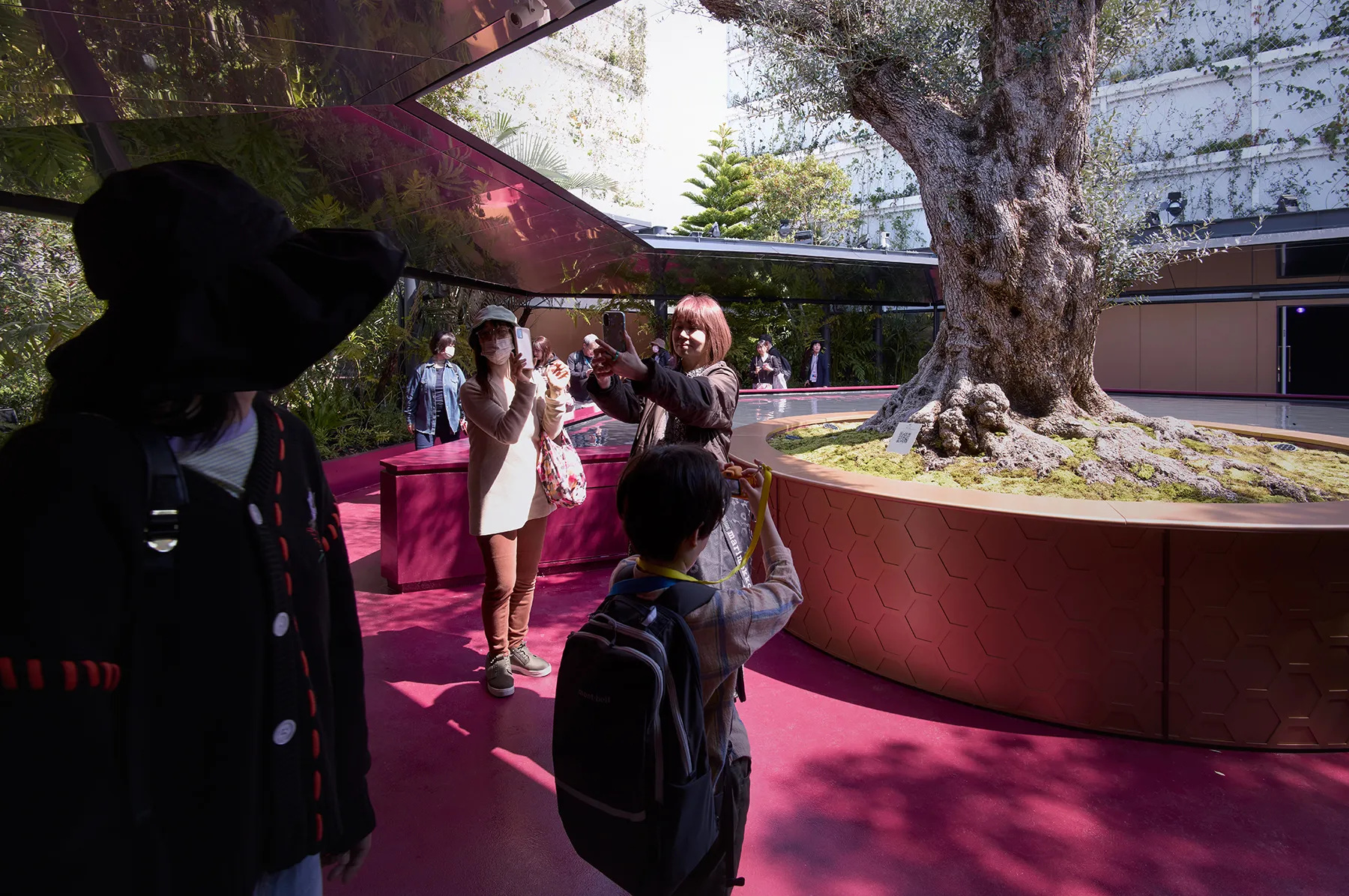
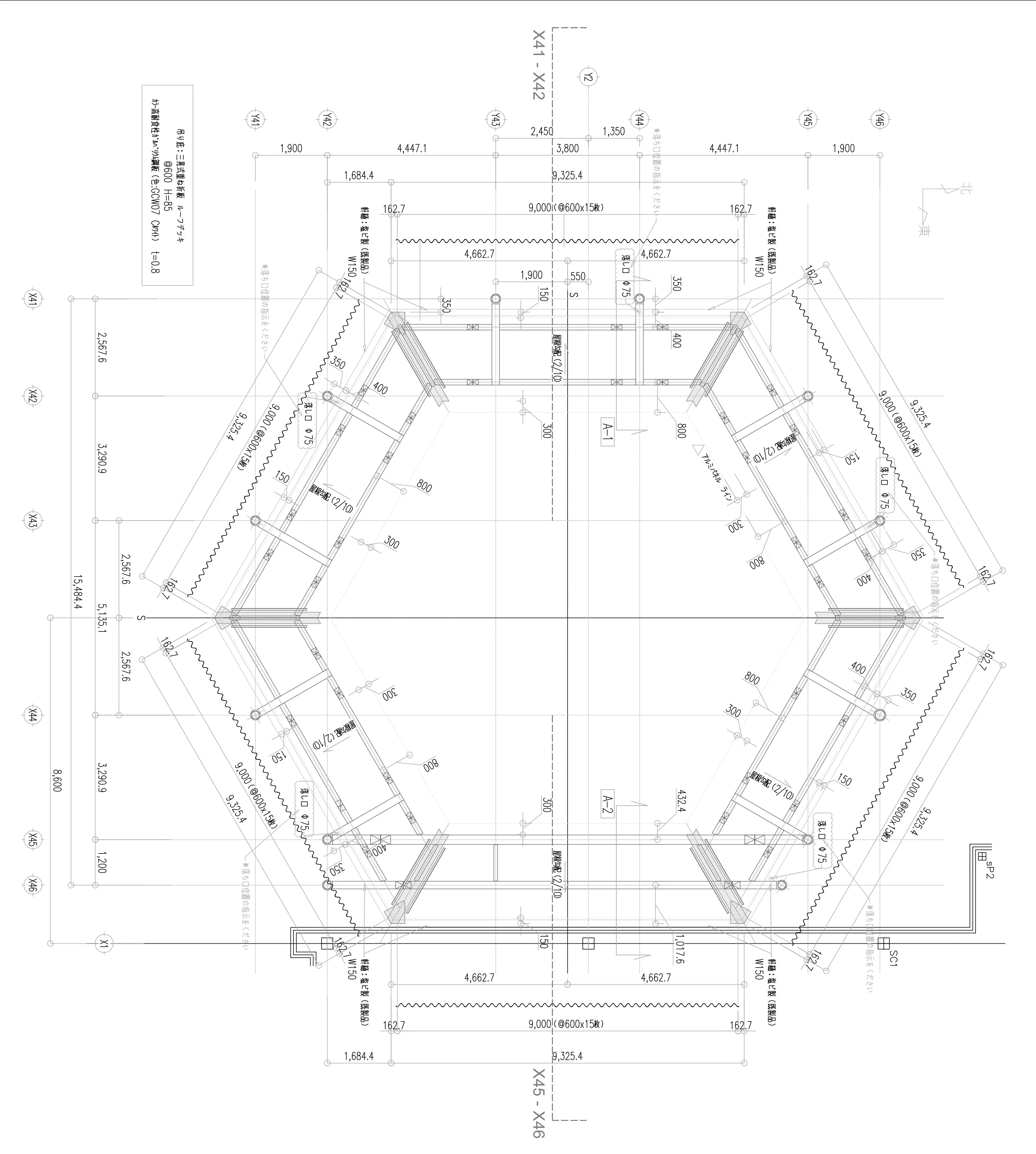
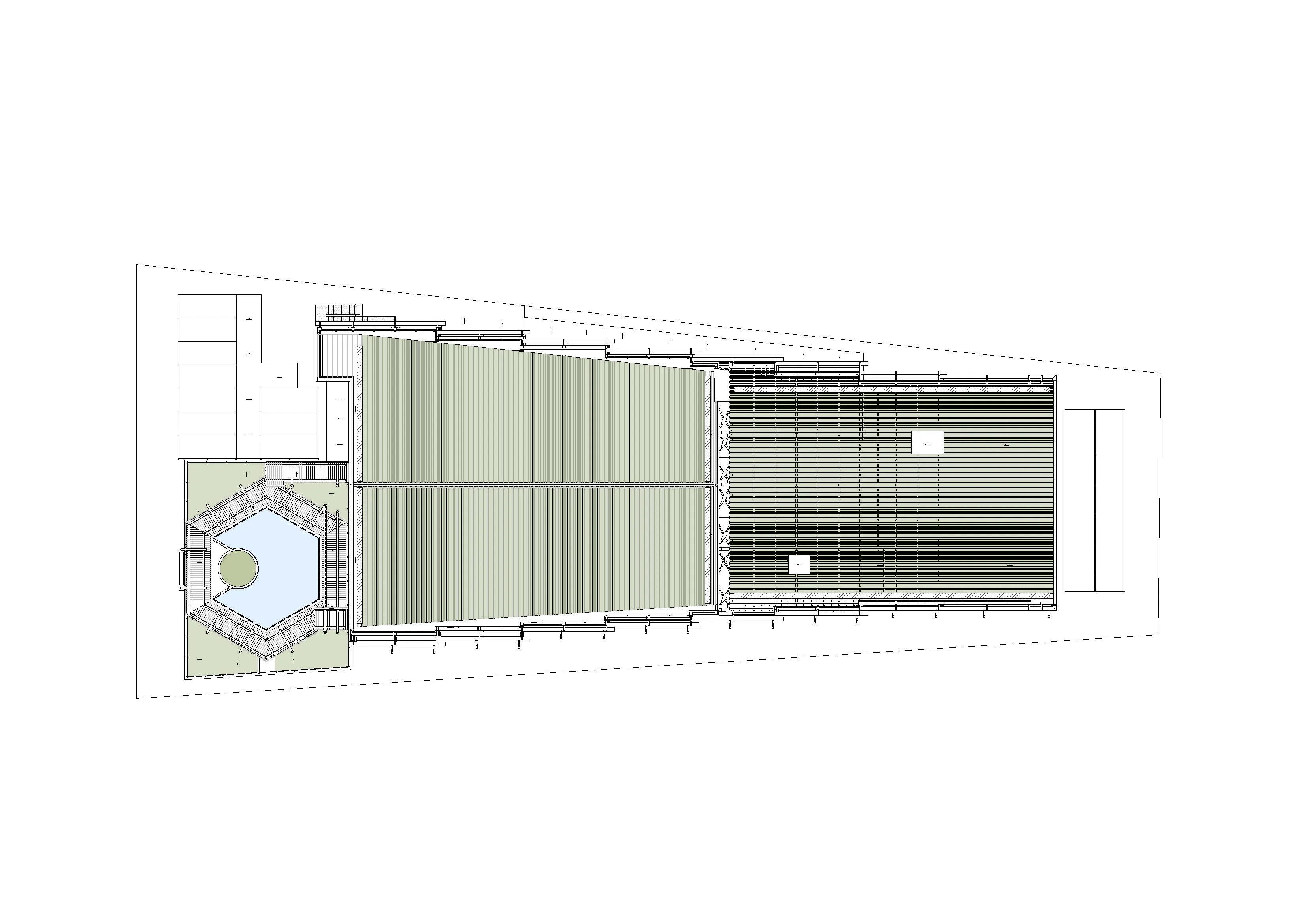
The design draws inspiration from the Japanese legend of Akai Ito, the invisible red thread connecting destined souls. In a time defined by digital estrangement, the Pavilion reclaims physical space as a medium for dialogue. A quiet inner garden offers refuge, emphasizing that encounters with nature are just as vital as those with one another.
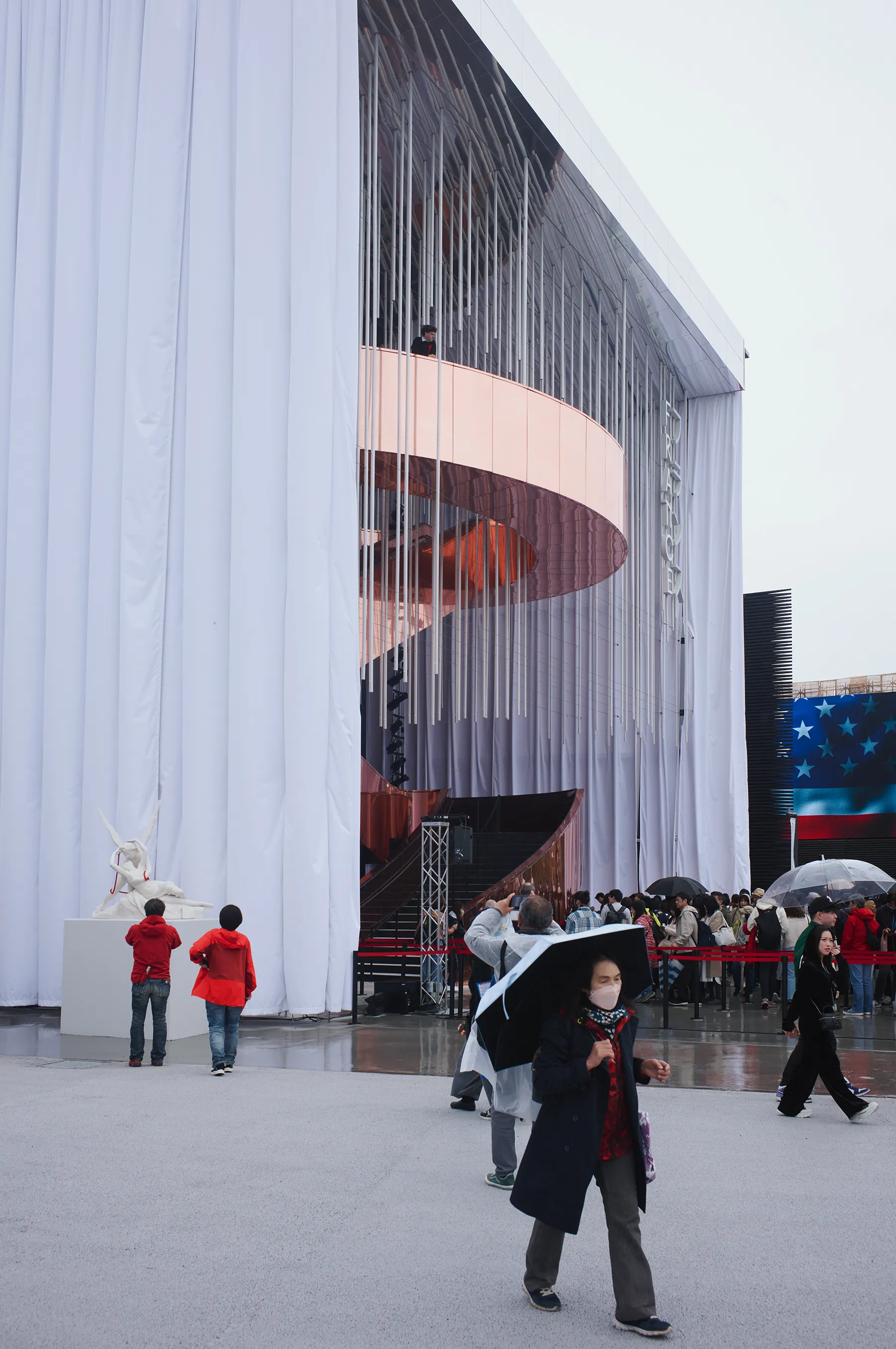
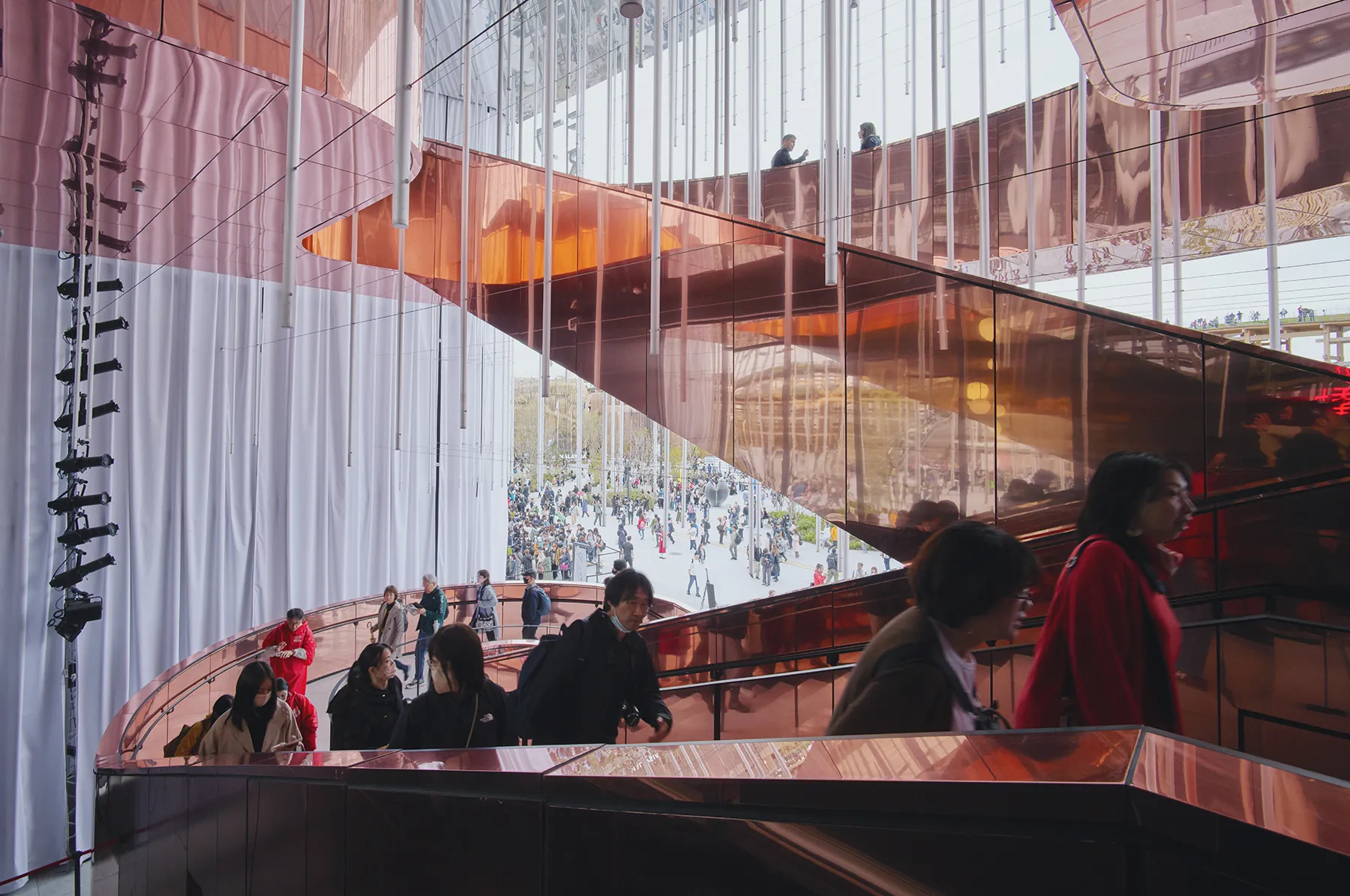
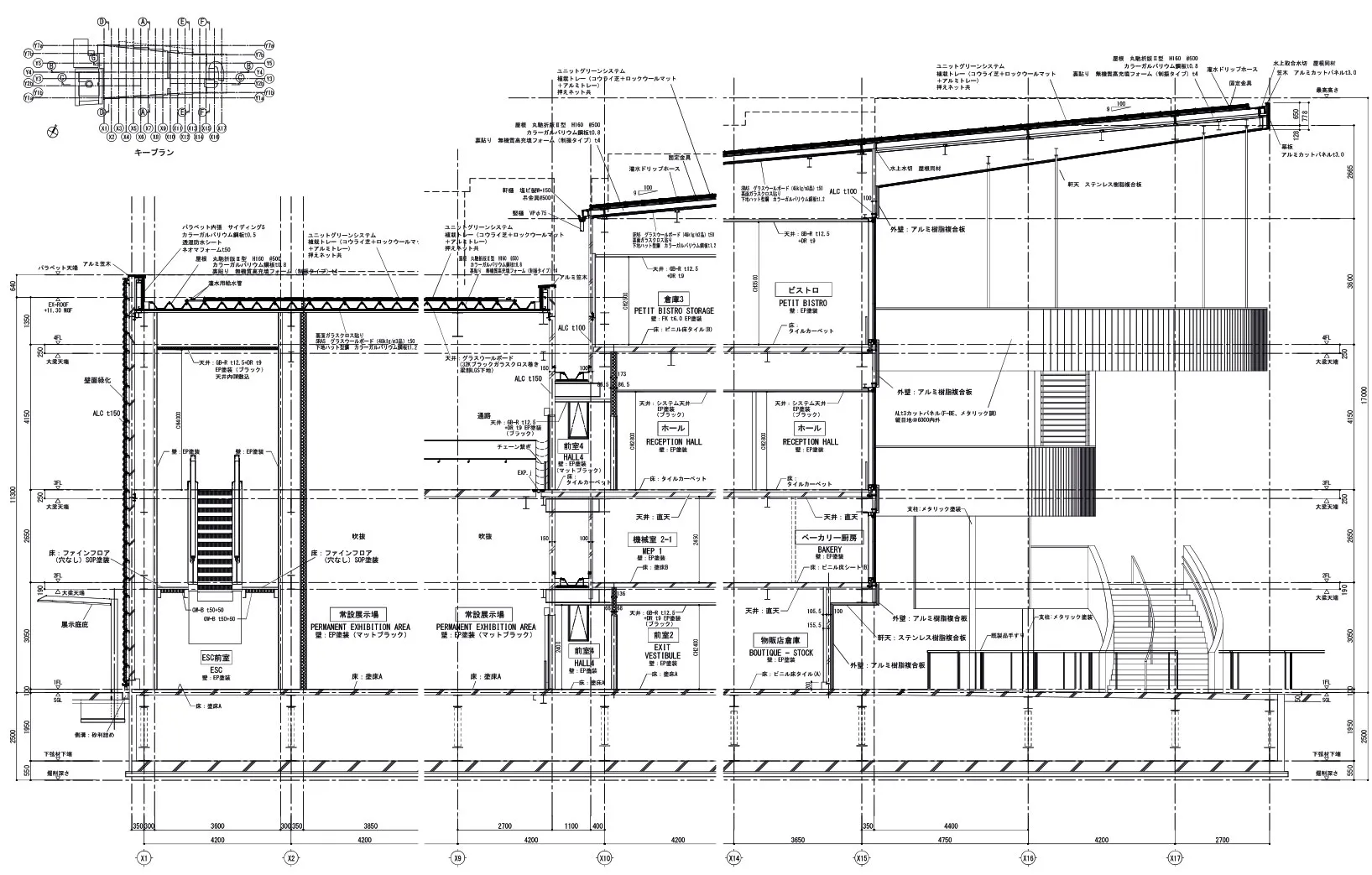
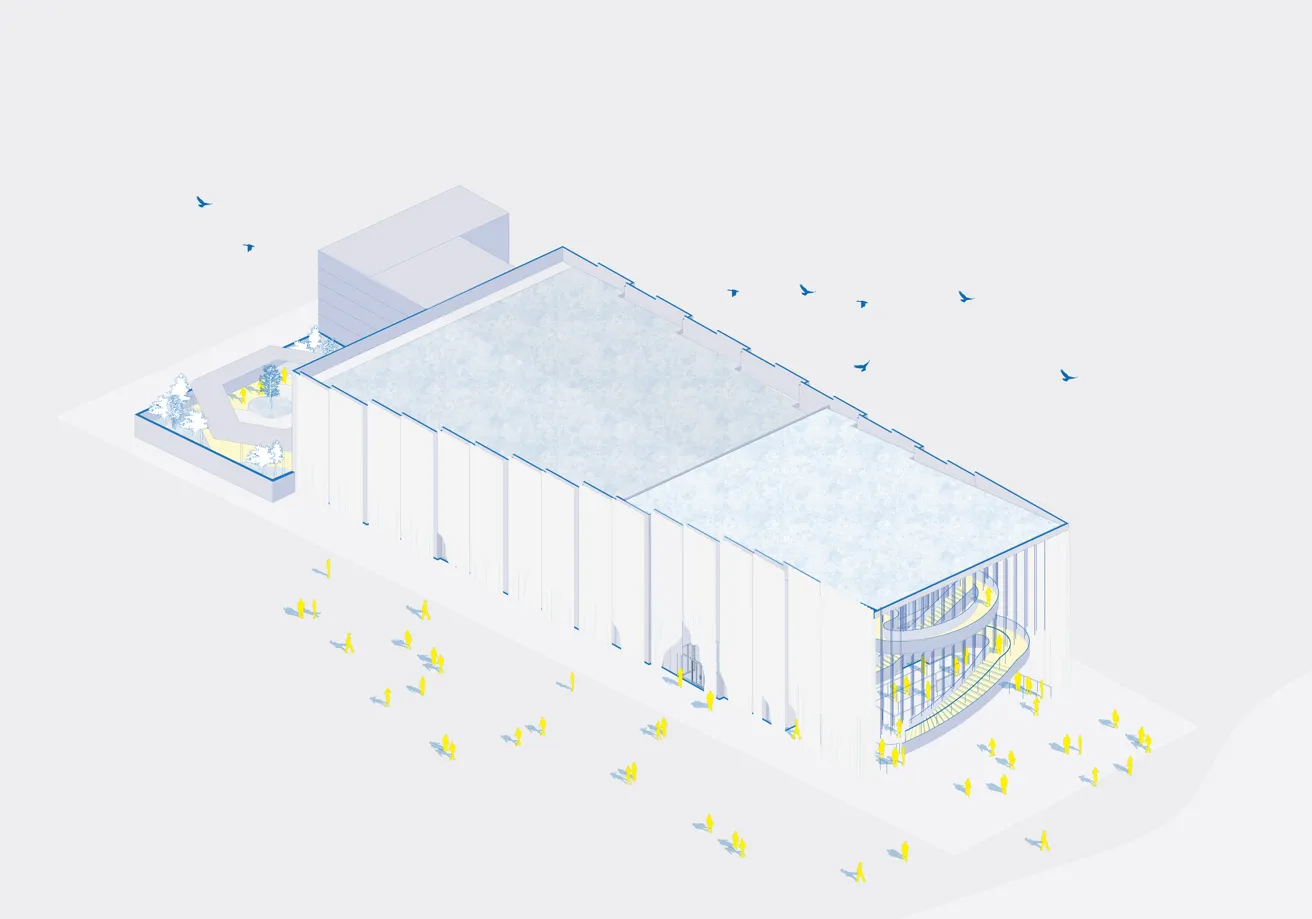
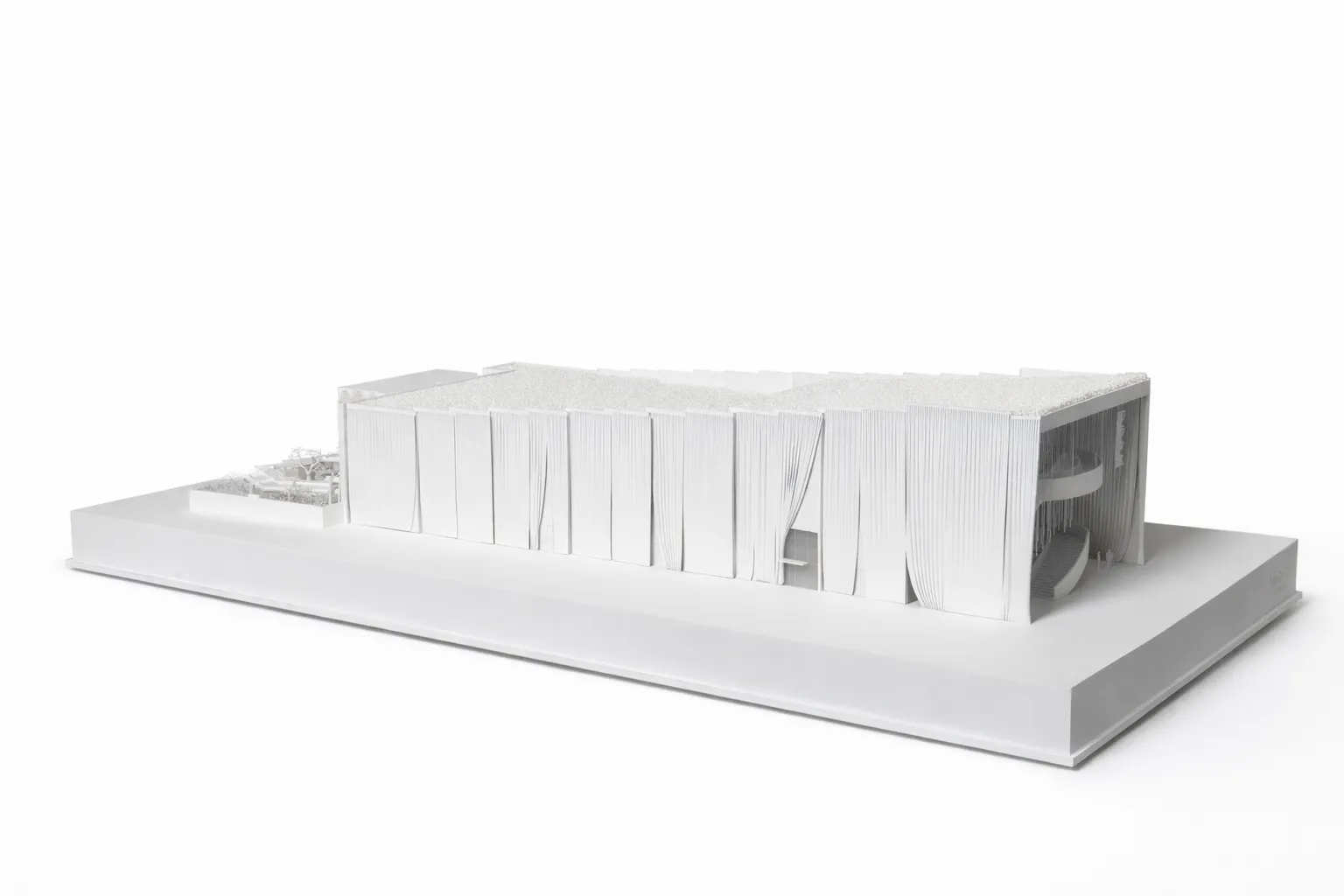
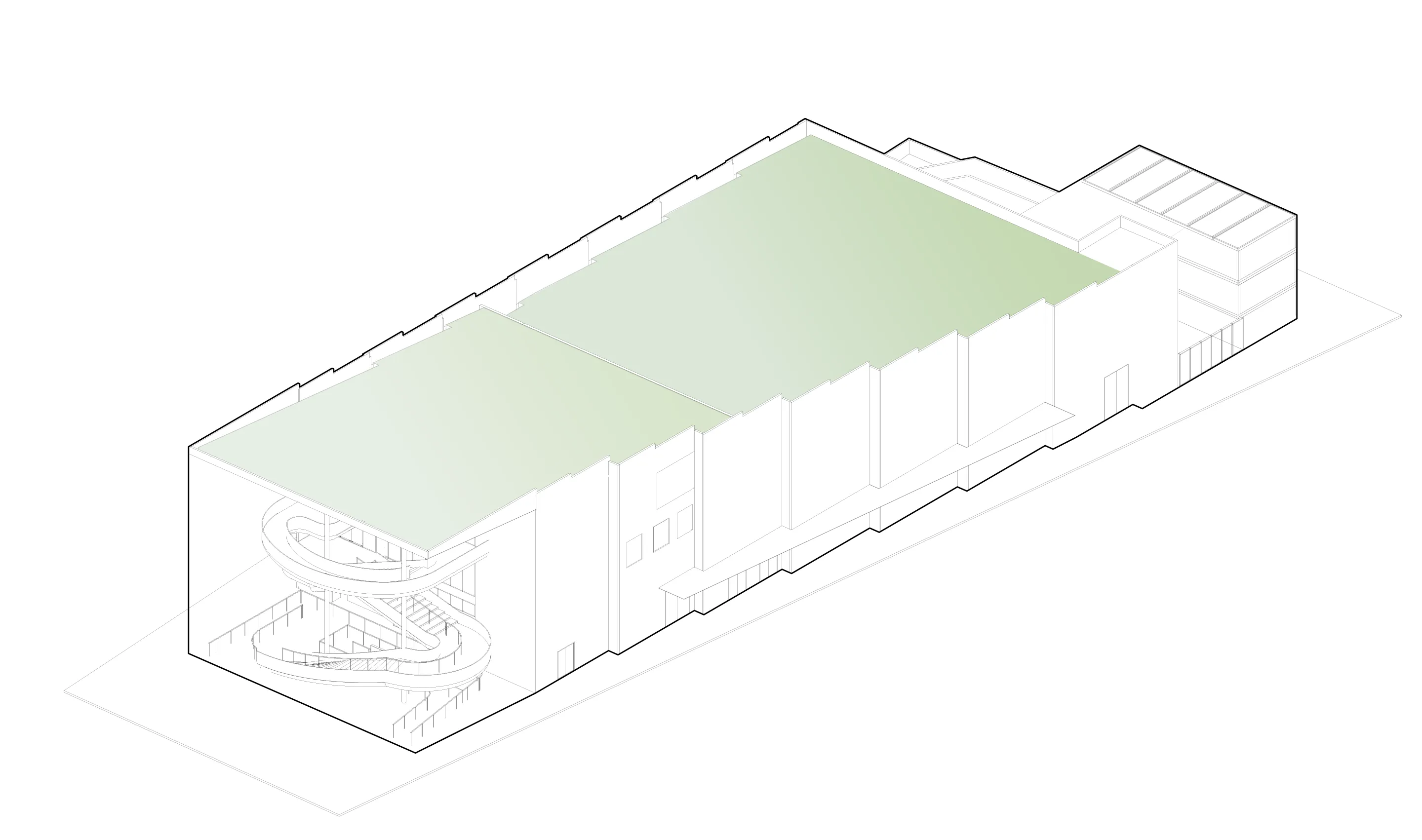
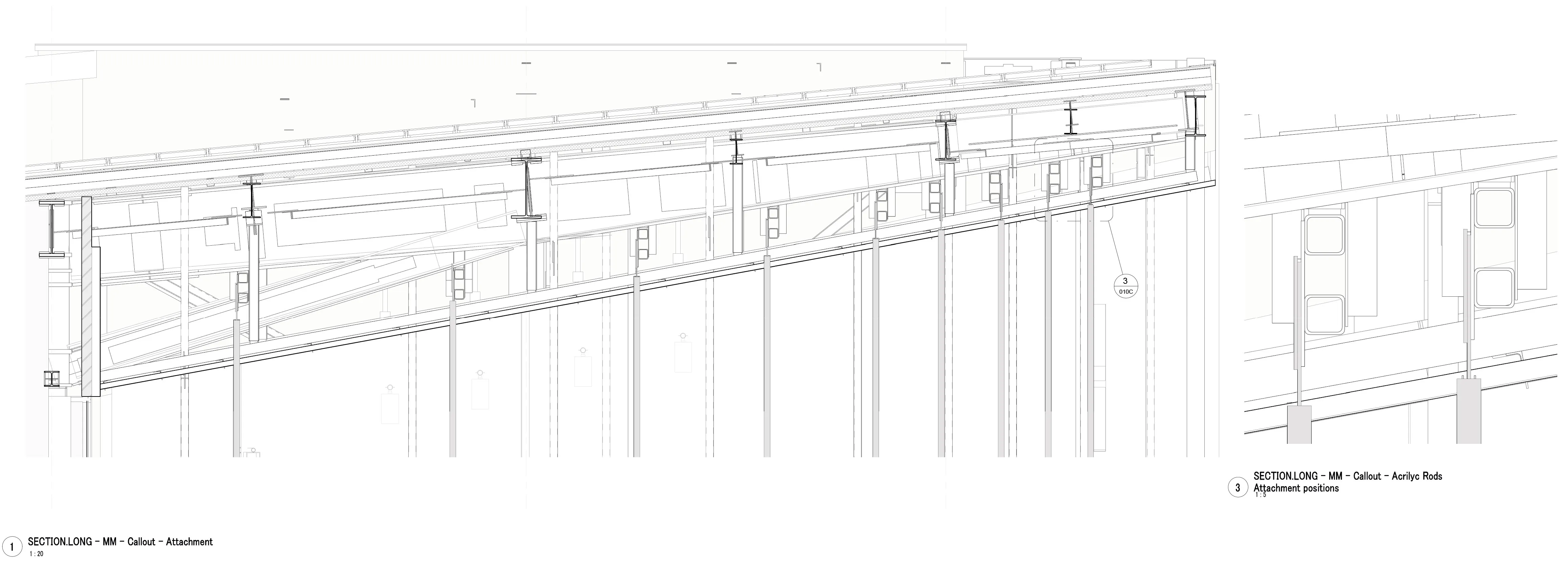
Its shifting façade, with 17-metre-high fabric veils resembling theatre curtains suspended down two sides, is in contact with the elements and responds to light and wind. The pathway through the Pavilion follows a carefully choreographed progression – ascending towards an exhibition displayed inside, alternating between enclosed and open-air spaces, and concluding with a return to the wider Expo site.
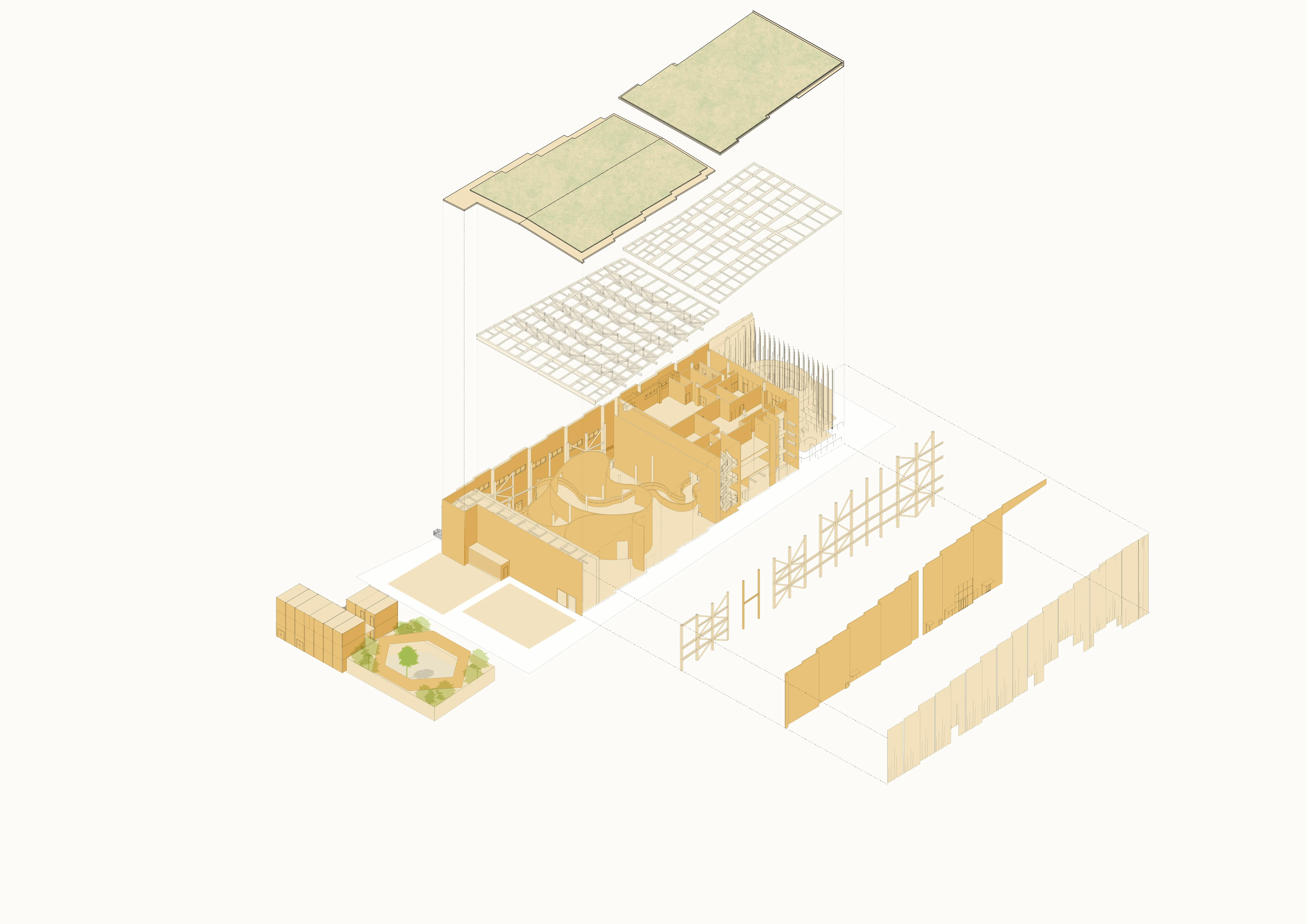
Constructed with prefabricated and modular elements, the Pavilion embraces a circular approach, ensuring its materials can be disassembled and repurposed, reflecting a vision of architecture as adaptable as life itself.
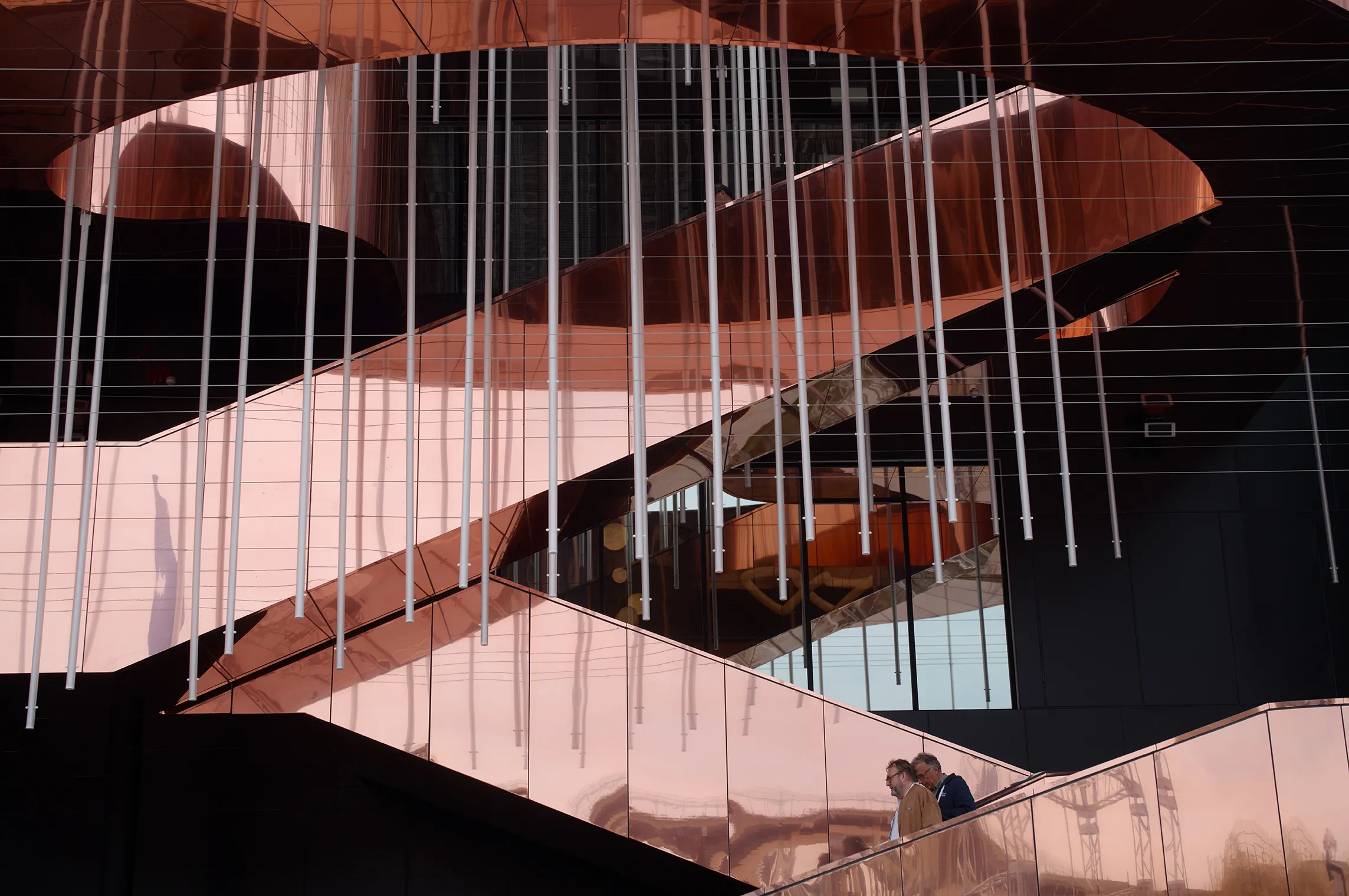
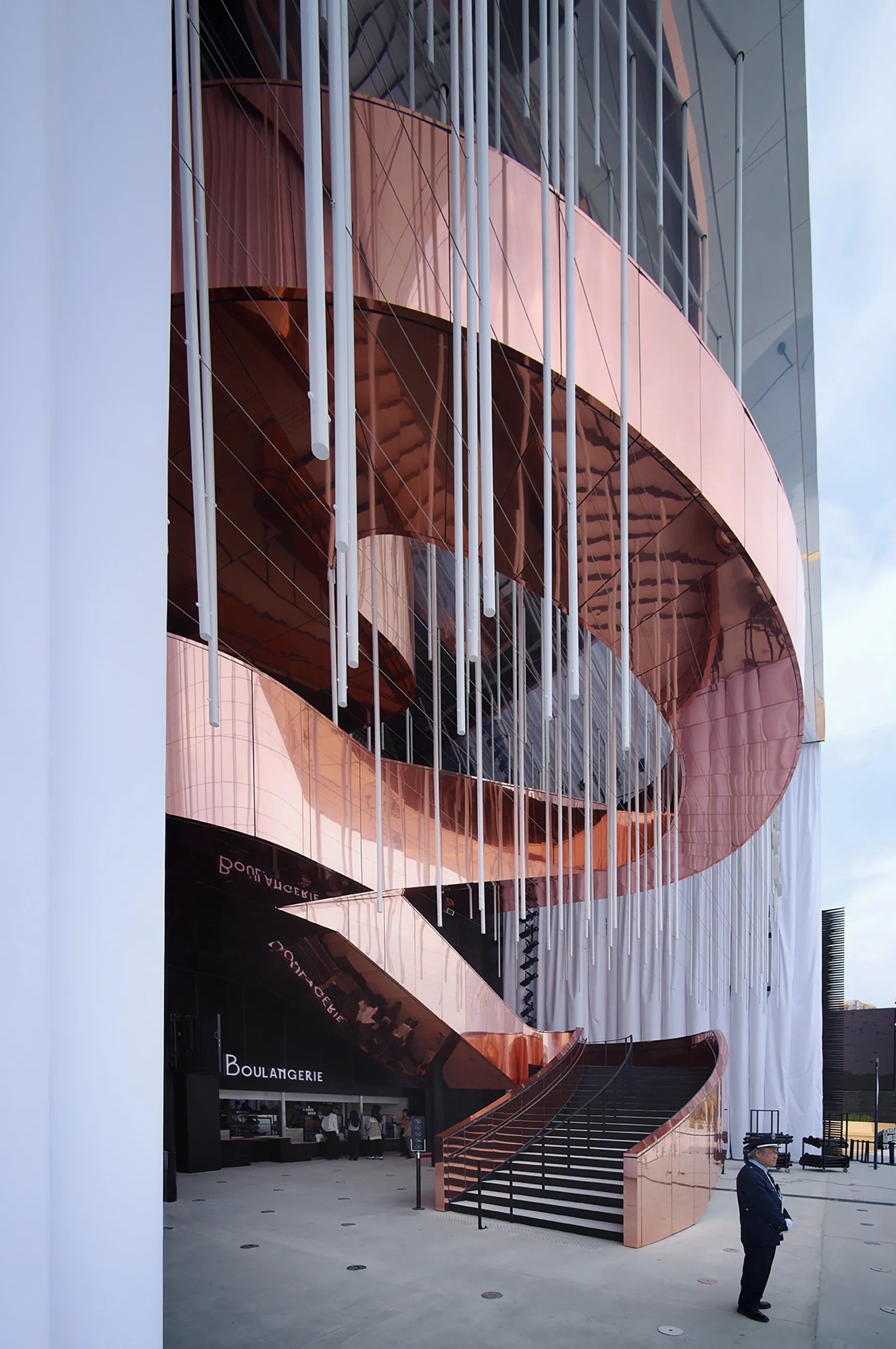
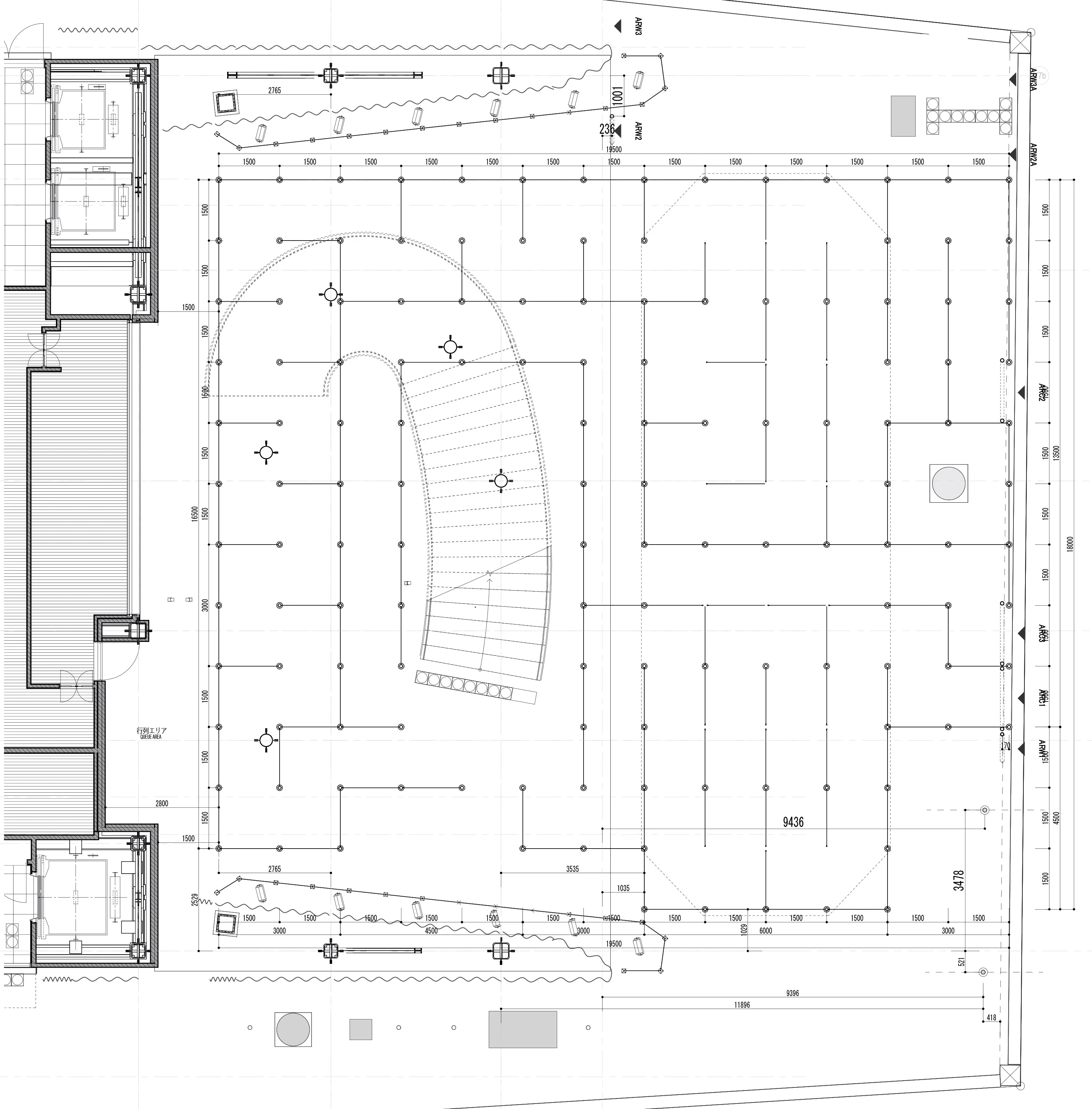
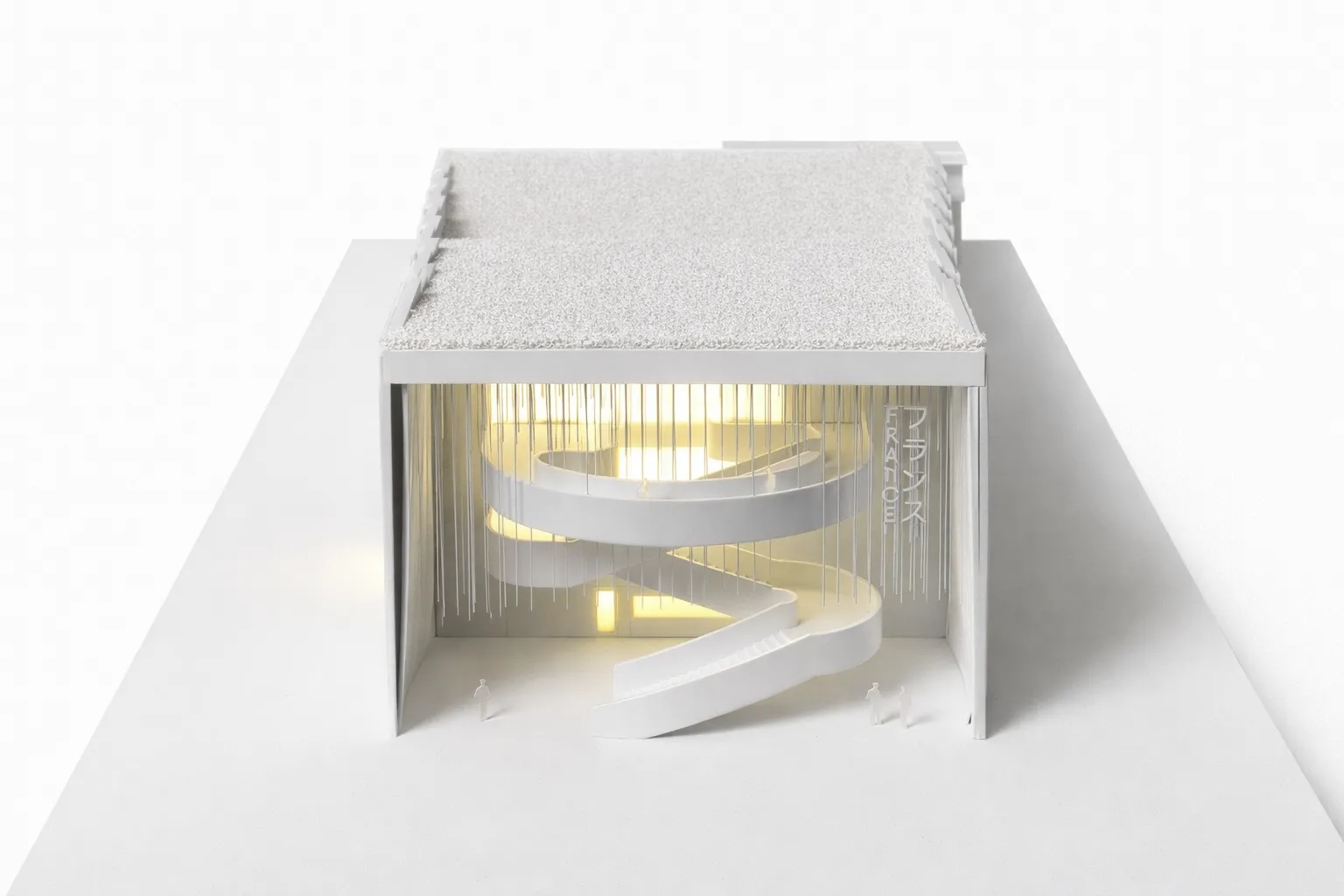
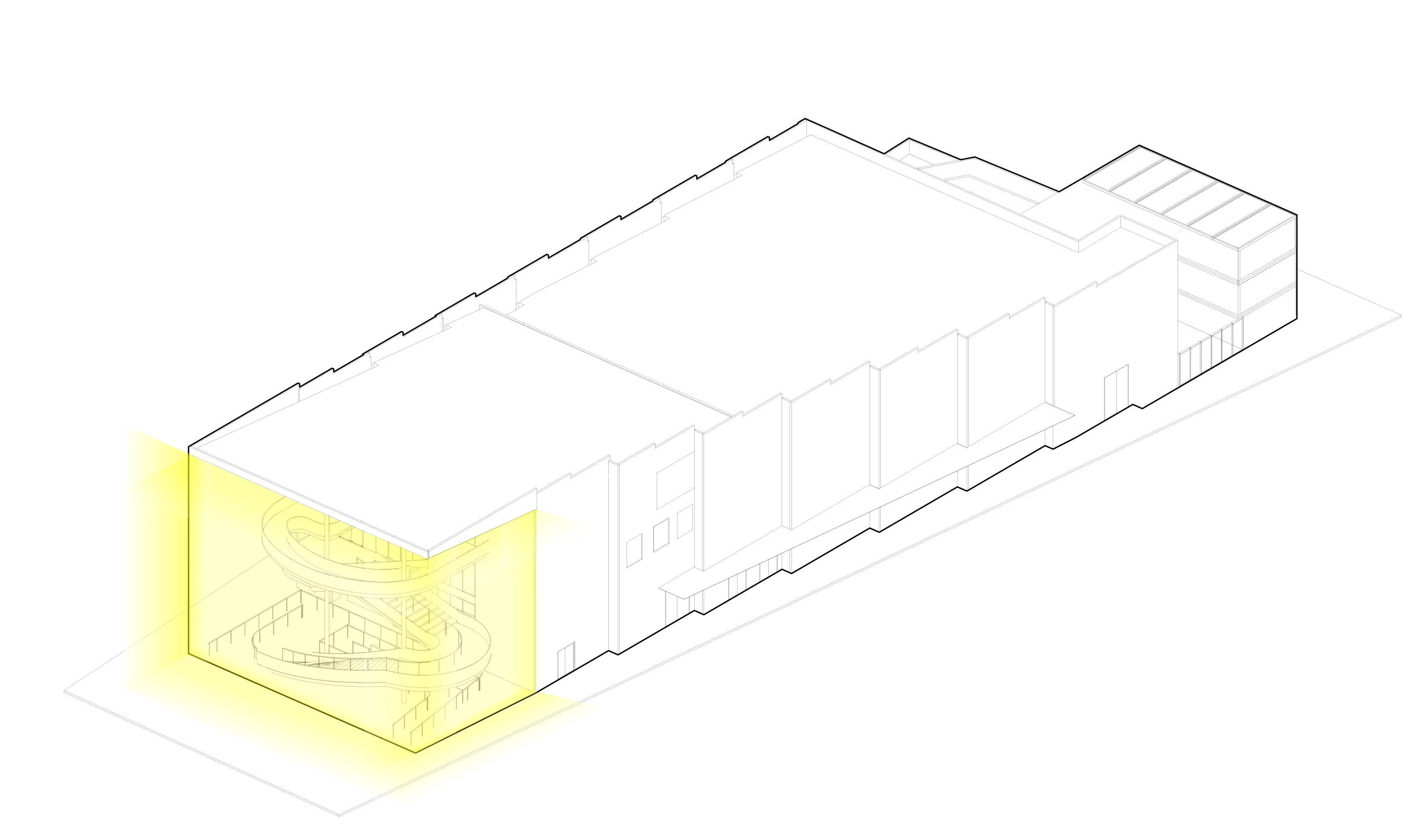
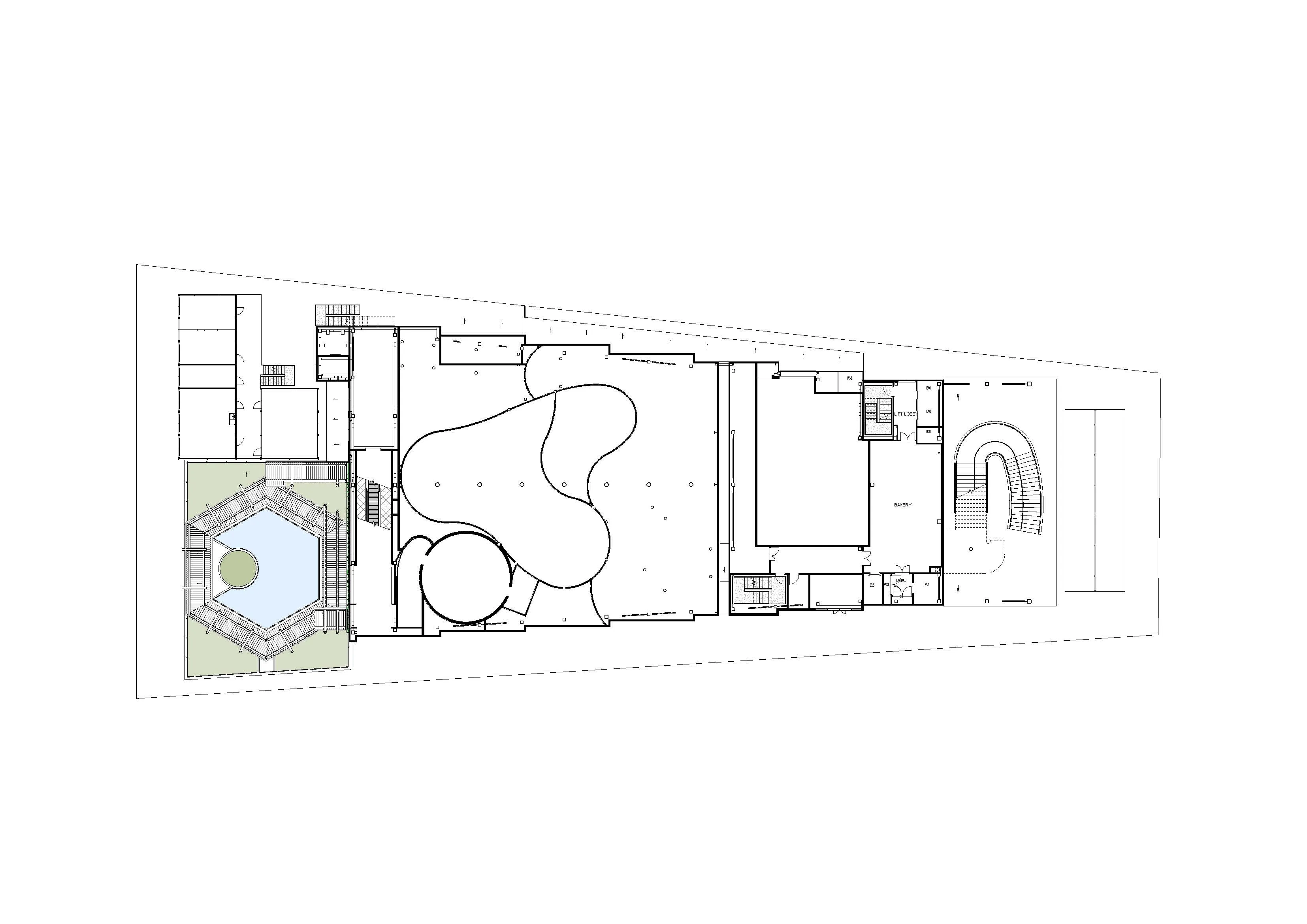
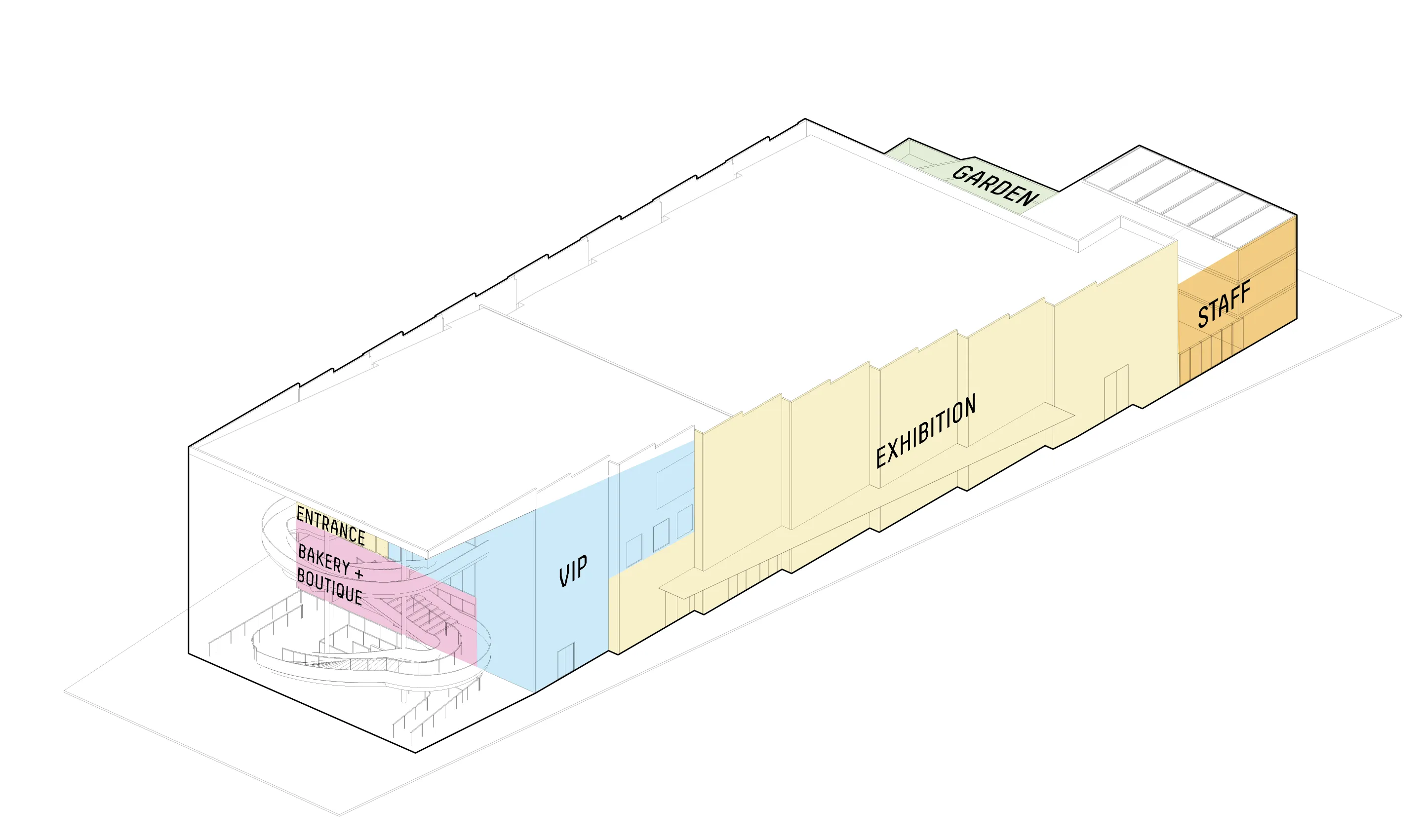
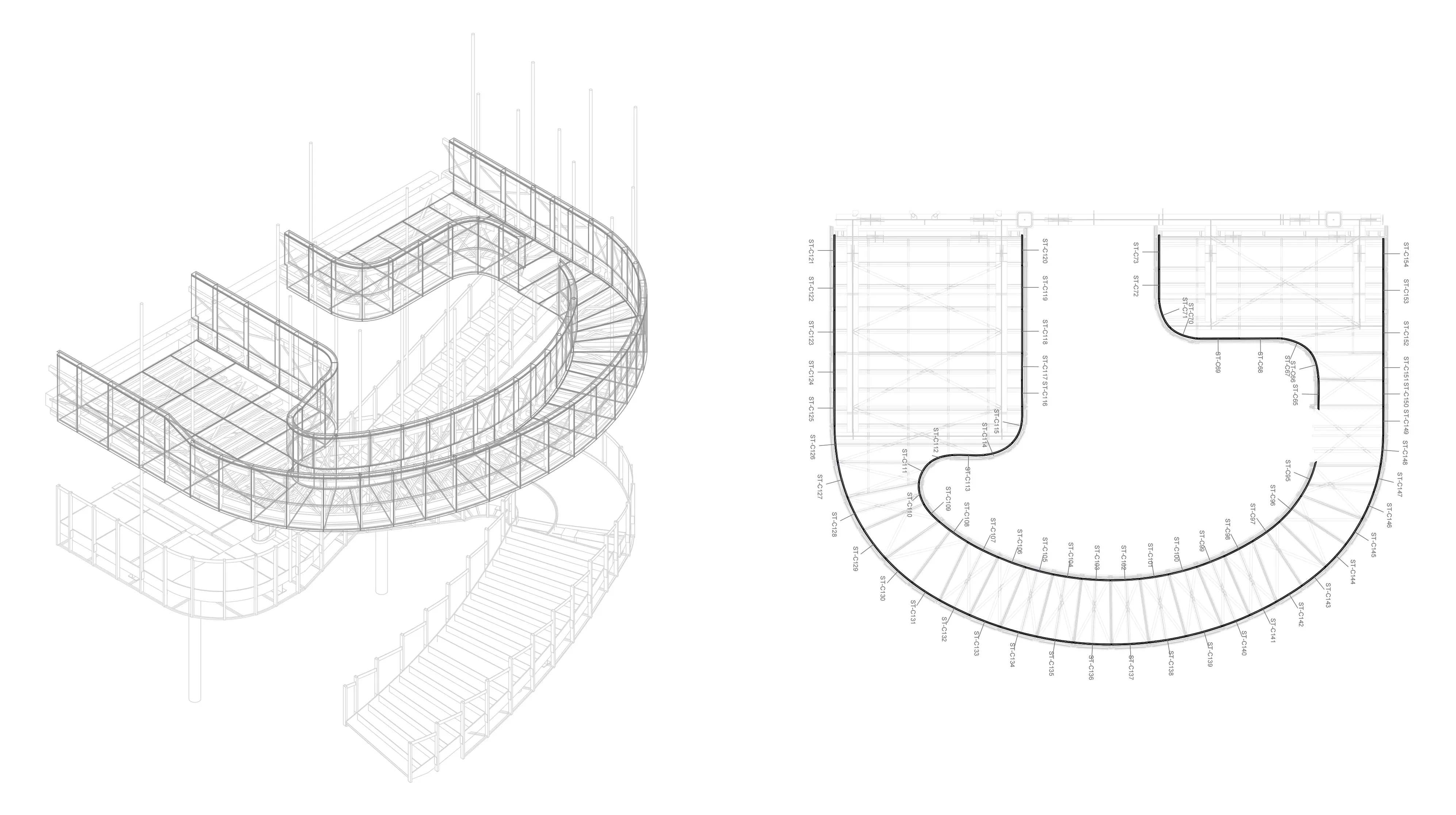
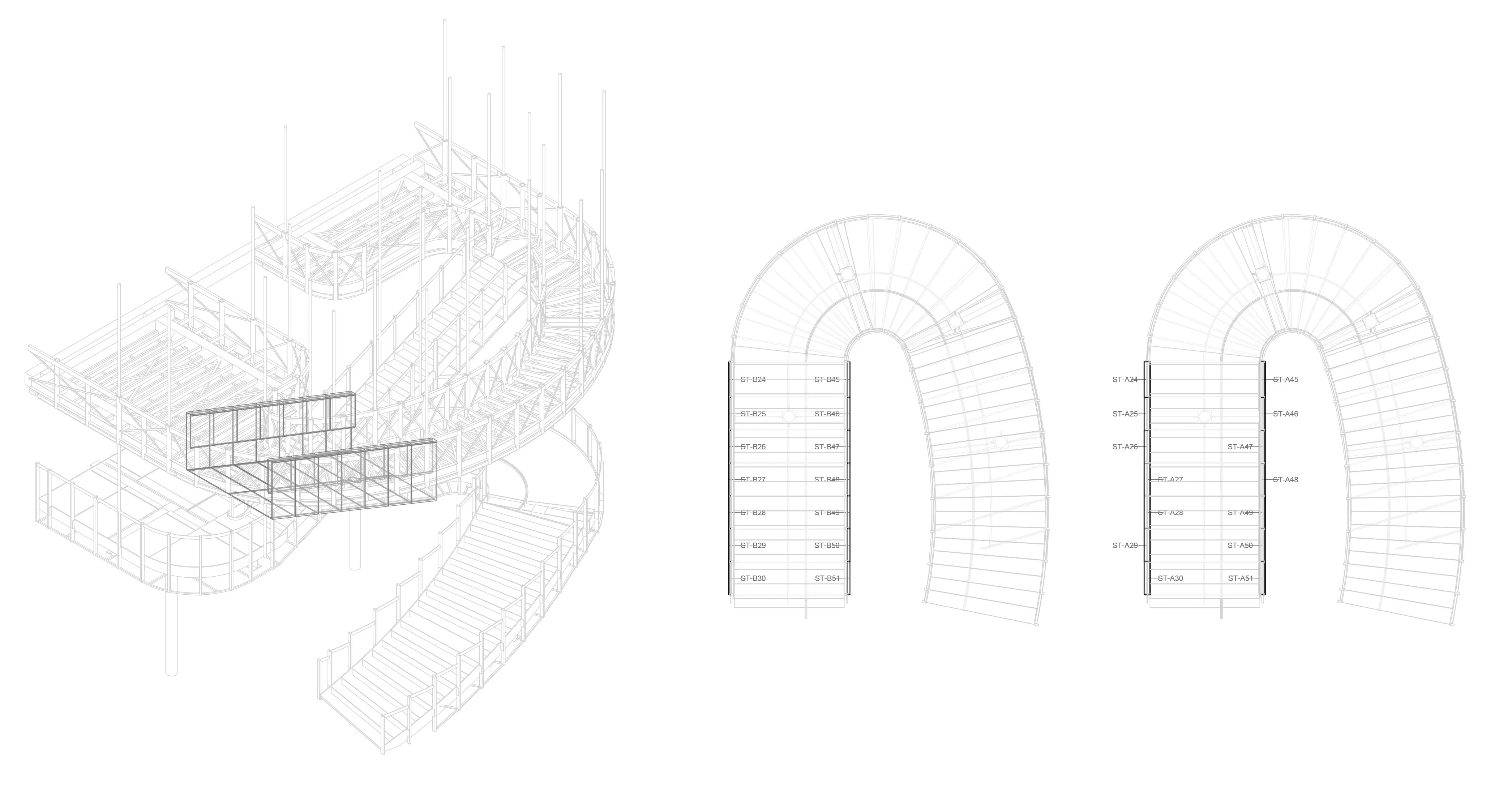
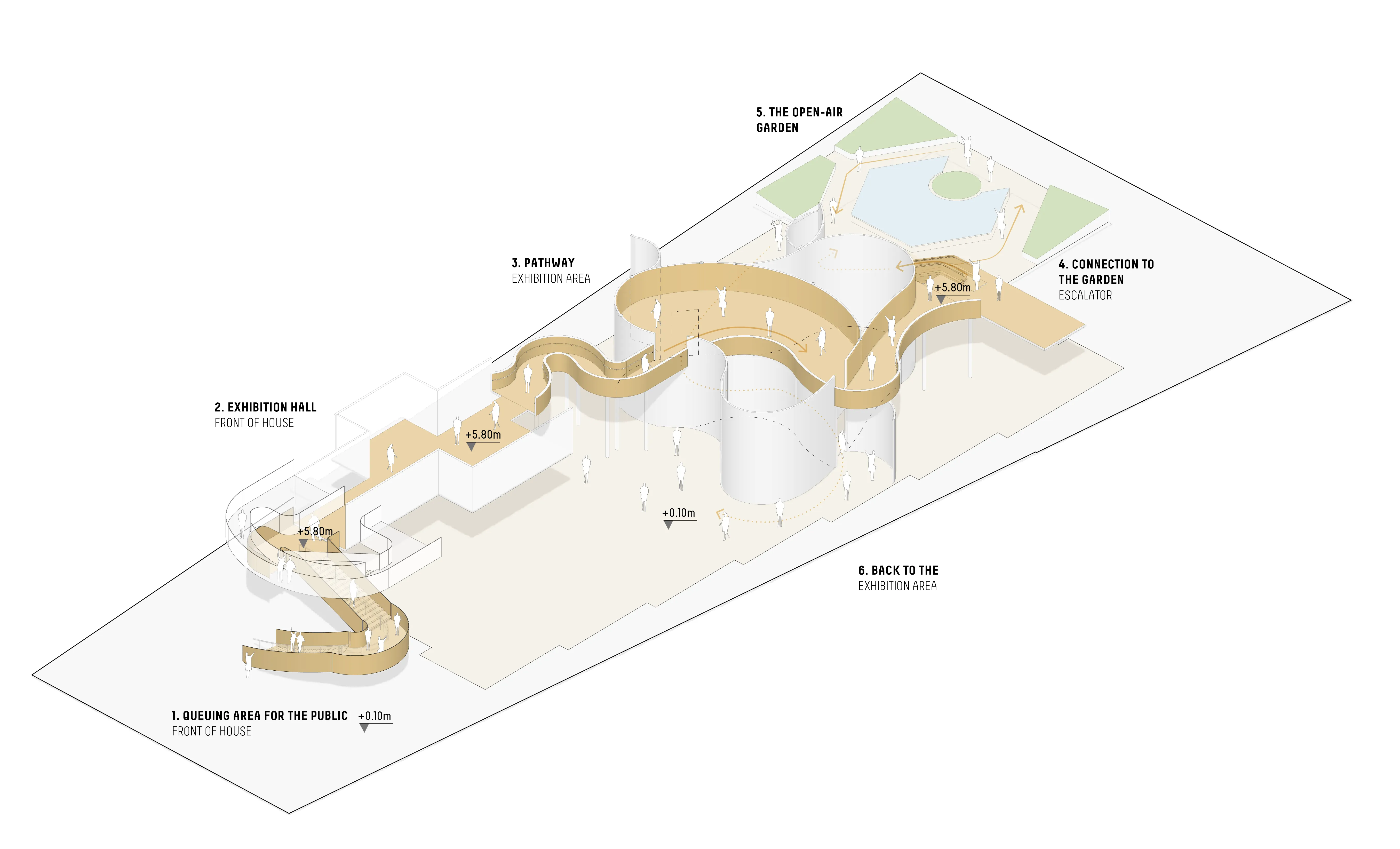
The Pavilion's architectural concept is rooted in theatricality and sensory experience. The entrance stairway and balcony form a stage, welcoming visitors into an unfolding journey. Forming part of the building’s façade, the sinuous staircase creates a dialogue between the inside of the Pavilion and the plaza outside, blurring the boundaries between inside and out and providing a sense of welcome and openness to all.
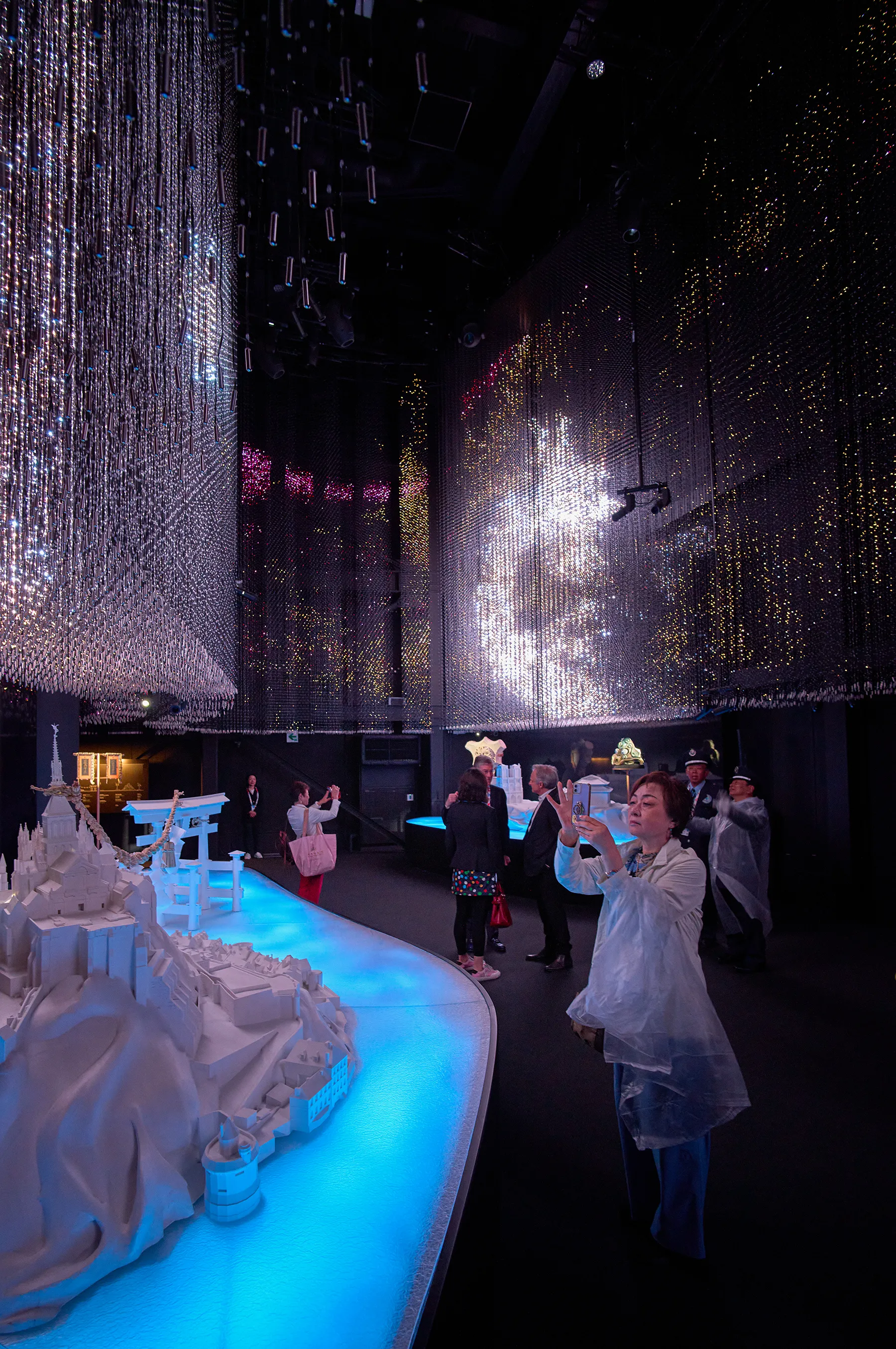
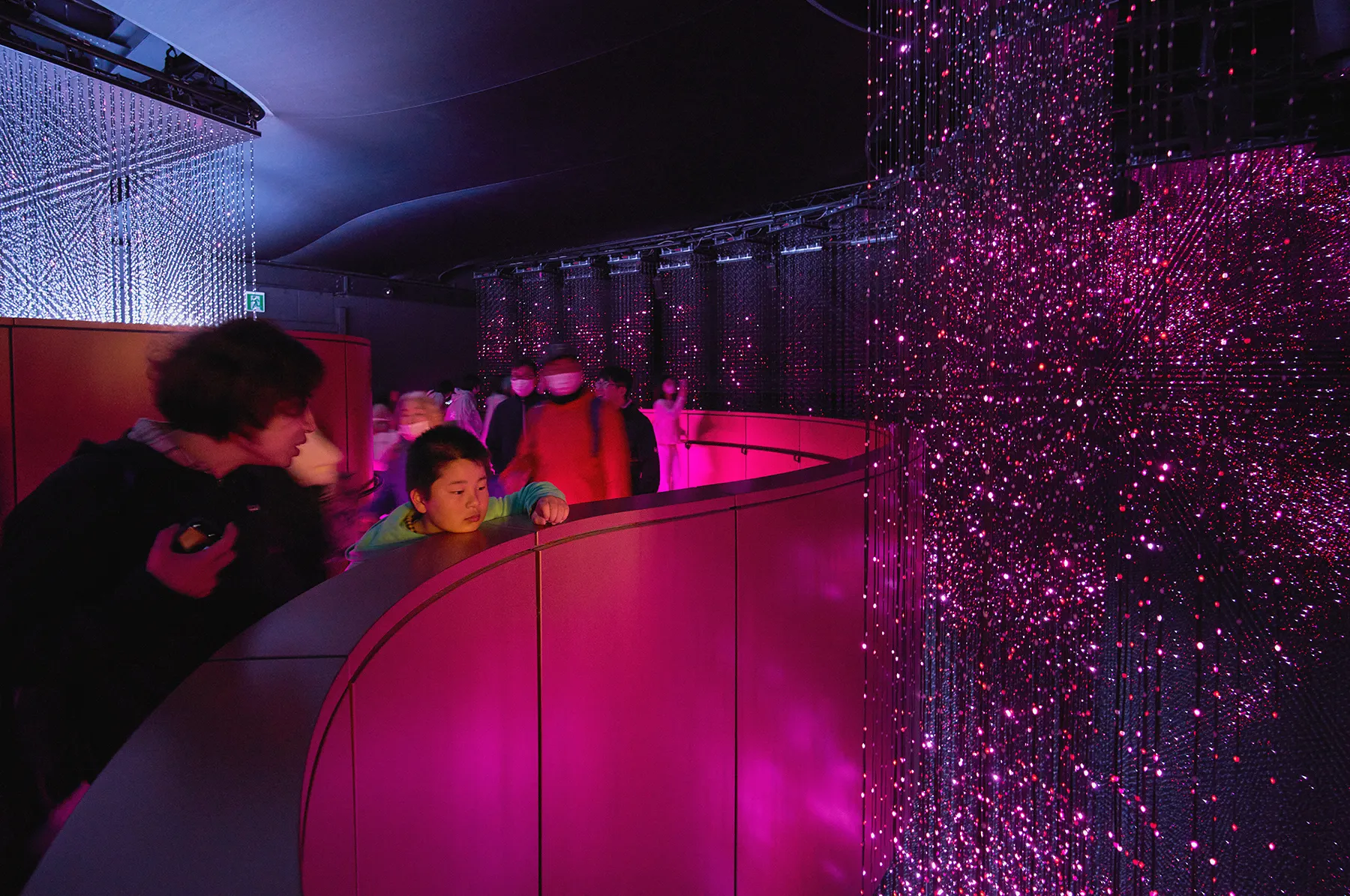
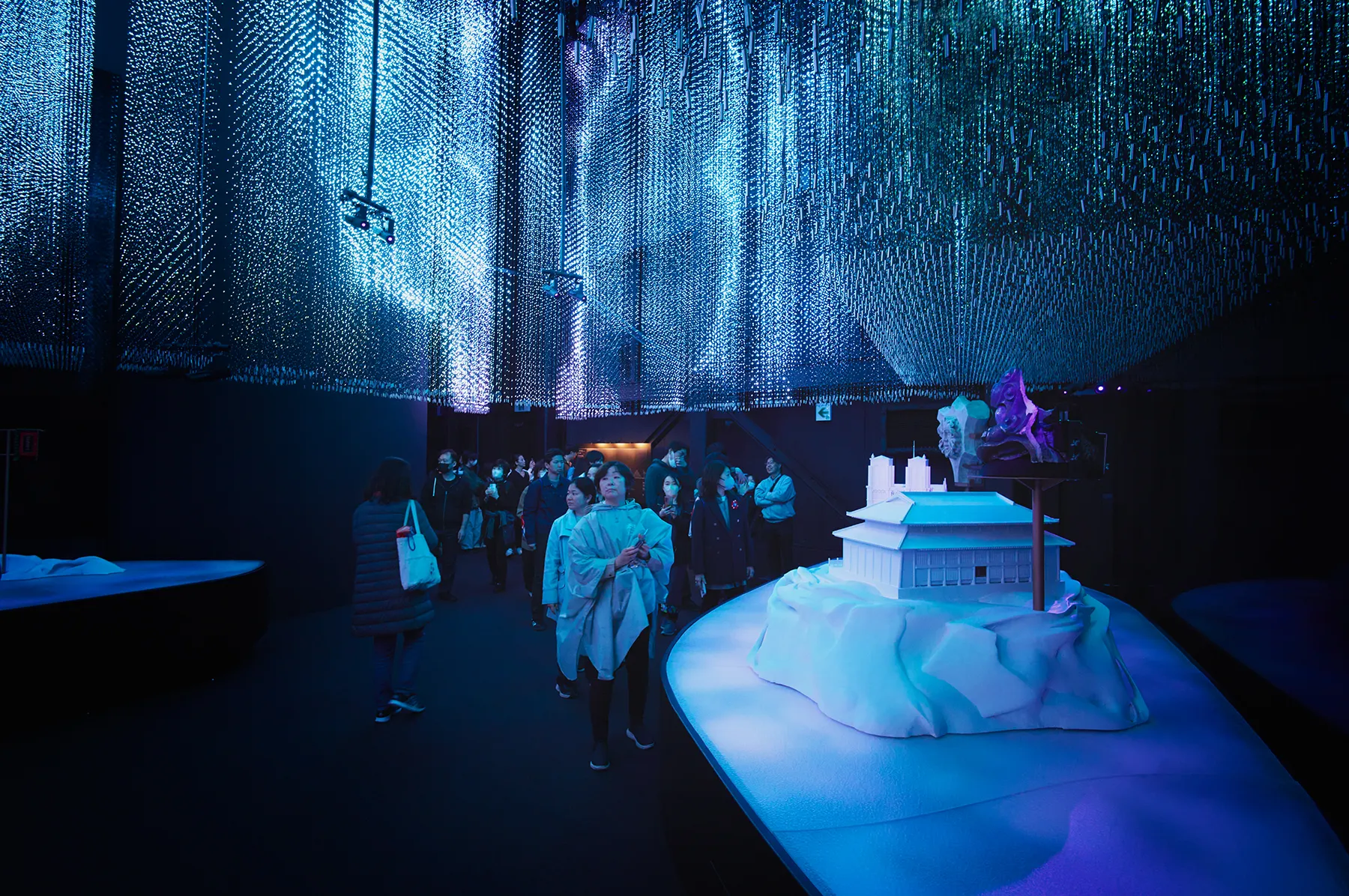
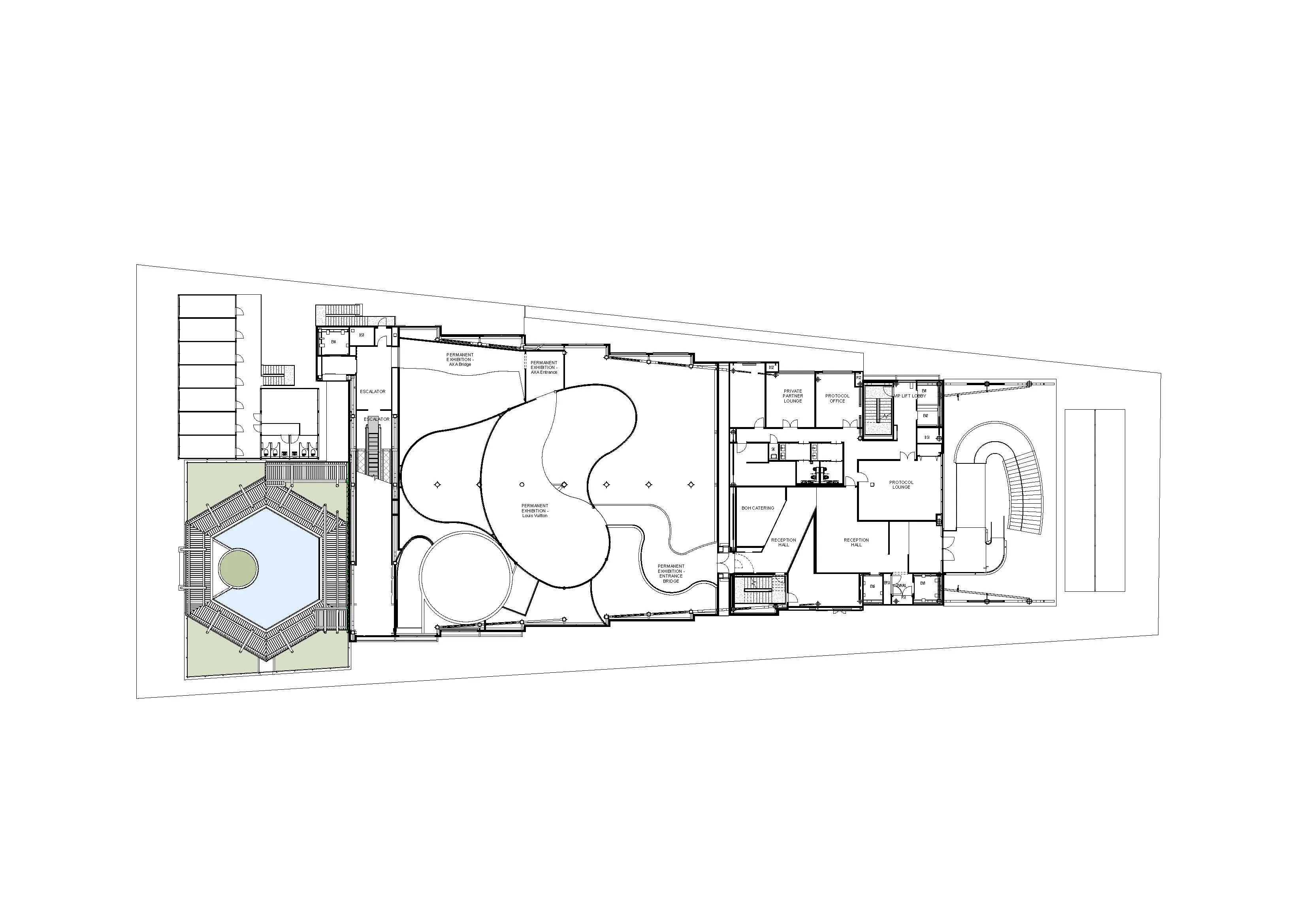
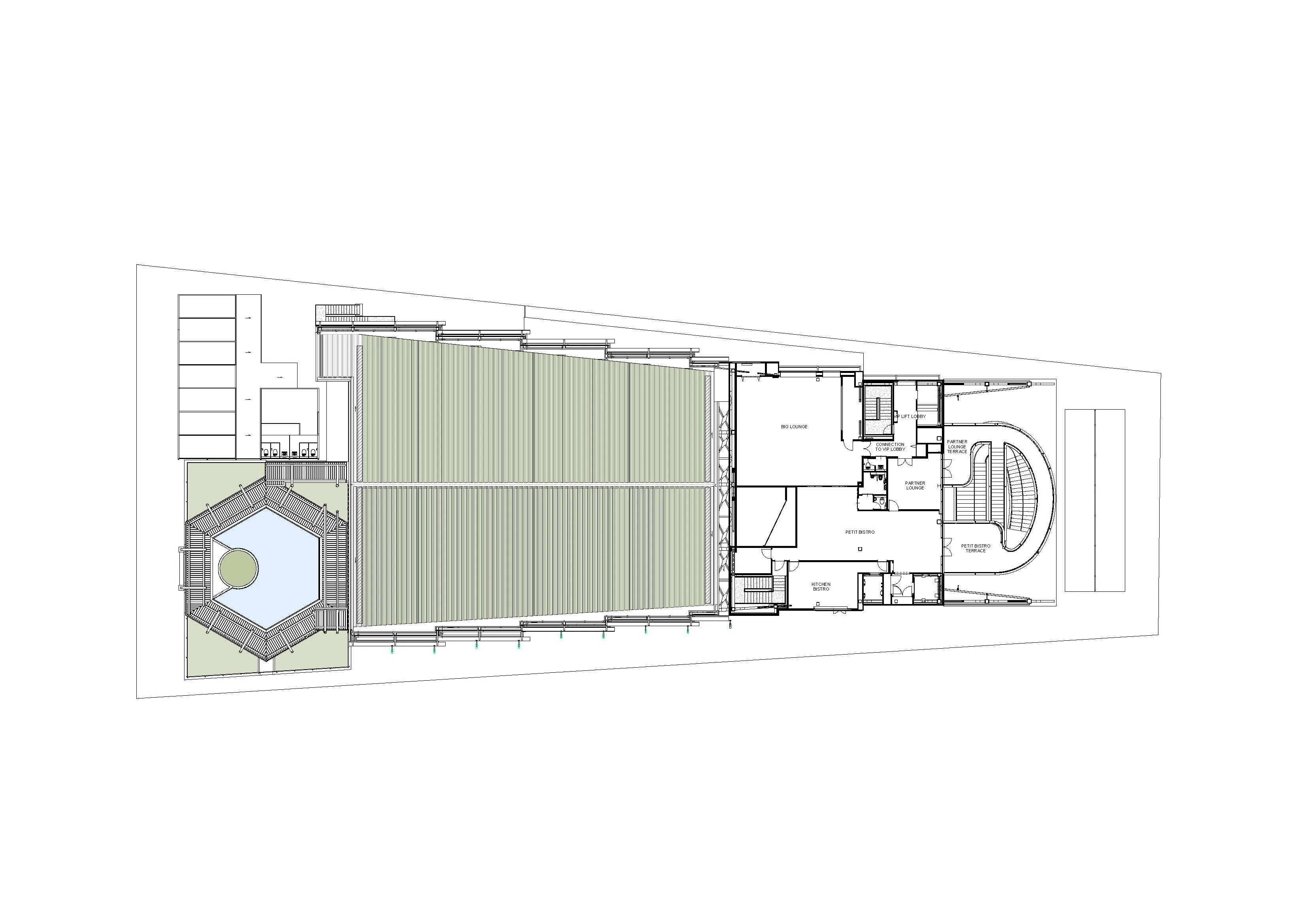
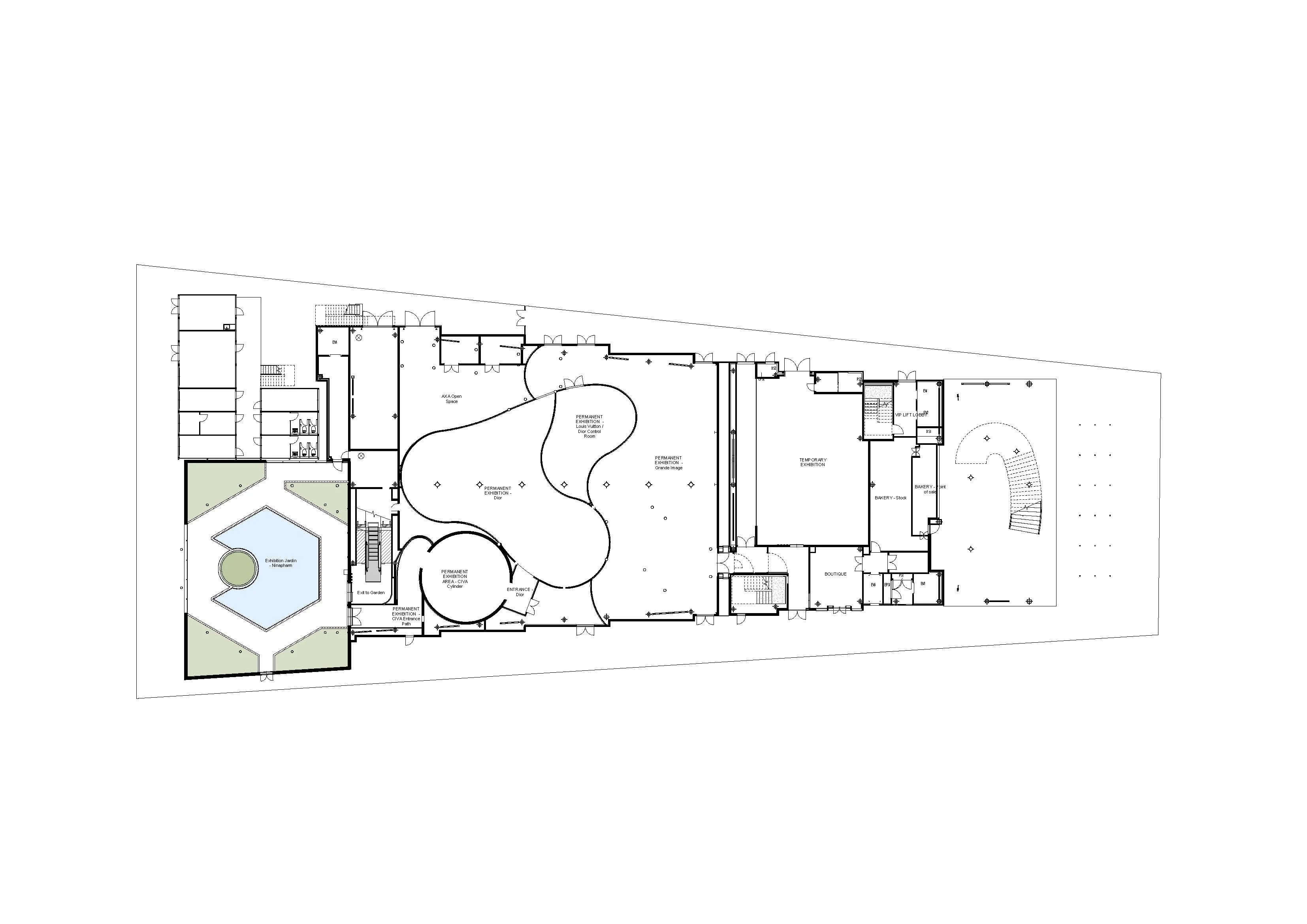
Visitors follow a looping path that takes them through the heart of the exhibition, crossing through different thematic spaces, then stepping outside into a small garden, before reentering the Pavilion and concluding the journey with another outdoor moment. Unlike traditional linear experiences, this journey, which highlights French savoir-faire or know-how, reflects cycles and pulsations, echoing the broader themes of the Pavilion.
Visitors experience the Pavilion through three ‘acts’:
1. Ascent – A sensual staircase winds up to an observation balcony.
2. Exhibition Journey – Moving inside, they navigate a series of curated spaces, encountering installations and scenographic elements tied to the Pavilion’s themes. Garden Interlude – Stepping outside, visitors enter a sensorial landscaped area, offering a moment of reflection before rejoining the interior spaces.
3. Final Transition – The journey concludes with a transition back to the open air and the Expo site, reinforcing the rhythmic flow between inside and outside.
The Pavilion is designed with a circular approach, embracing modularity and material reuse. Its movable curtain façade, beyond being a dynamic aesthetic element, is also designed for disassembly and repurposing after the event. The Pavilion integrates as many prefabricated and temporary components as possible to facilitate future disassembly – for example, container structures are used for the office spaces. These design choices ensure reduced environmental impact, ease of reconfiguration, and adaptability beyond the Expo. Rather than being a static monument, the Pavilion is an adaptive structure, reflecting the evolving nature of architecture and exhibition spaces in response to contemporary challenges.
“The France Pavilion invites visitors to enter the theatre of life. Both actors and spectators in this production, visitors traverse a path through the Pavilion that is an expression of the symbiosis between humanity and its environment. It’s an honour to have been chosen to design the France Pavilion, and we truly believe that the World Expo has the potential to create a moment of reflection – about how we live, what we value, and how design can shape better futures. Even a brief experience –whether it’s a spatial gesture, a surprising material, or a shared moment – can resonate deeply.” Thomas Coldefy, founding partner of Coldefy
“Infused with a spirit of play, the France Pavilion is a dynamic, flexible space that sparks unexpected encounters. In an era of increasing polarization, physical space offers a much-needed antidote. Unlike the digital realm, it forces us to confront diversity and engage with perspectives that might challenge our preconceptions. This mirrors the mission of today’s World Expos as vibrant hubs for open dialogue and discovery. It’s an honour to bring CRA’s ongoing research to Osaka and contribute to France's part in this global dialogue – a place that has shaped so much of my thinking, from studying at the École des Ponts to this moment." Carlo Ratti, founding partner of CRA and Curator of the 19th International Architecture Exhibition of La Biennale di Venezia (2025)
Project Information: France Pavilion, Osaka World Expo 2025
Location: Osaka, Japan
Surface: 3,600 m2 Net Area
Project Cost: 22 M Euros
Programme: Exhibition halls, reception hall, office, shop, café
Environmental Certification: CASBEE
Winning Competition: 2023
Delivery: 2025
Project Owner: COFREX
General Contractor: Rimond
Design Architects
Coldefy
CRA-Carlo Ratti Associati
Team
Coldefy: Thomas Coldefy, Isabel Van Haute, Zoltán Neville, Martin Mercier, Marianna Guarino, Léo Akahori, Leonardo Ronchi, Shuai Wang
CRA-Carlo Ratti Associati: Carlo Ratti, Andrea Cassi (partner in charge), Ina Sefgjini, Gizem Veral, Zeynep Kalaycioglu, Jelena Krco, Gabriele Sacchi, Alba Leon Alvarez, Marie Petrault, Antoine Picon
Partners
Local Architects & Engineers: Yasui Sekkei
Competition Partners: Bollinger + Grohmann (Structural engineers), Coloco (Landscape architects), Ramboll (Environmental engineers), de_form (Graphics/signage)
Scenographers: Justine Emard, GSM Project
Coldefy is an international architecture and urban planning firm with offices in Lille, Paris and Shanghai, founded by Thomas Coldefy and Isabel Van Haute in 2006. With projects and work sites underway all over the world, Coldefy's sensitive architecture creates balanced environmental, urban and social compositions that push the boundaries of cities and living. Coldefy stands out for its dynamism and creativity, founded on sustainable and innovative practices in line with the environmental challenges of today and tomorrow. The studio has won several major international competitions, including the Hong Kong Design Institute, the renovation of the European Parliament in Brussels, and the Orlando Pulse Foundation & Museum. Recently, Coldefy delivered the China Foundation in Paris, on the campus of the Cité Internationale Universitaire, and won the ‘Architectural Folies’ competition in Montpellier with its Oasis project. In 2022, in recognition of his commitment and contribution to the influence of architecture in France and worldwide, the Minister of Culture, Rima Abdul Malak, named Thomas Coldefy Chevalier de l'ordre des Arts et des Lettres.
CRA-Carlo Ratti Associati is an international design and innovation practice based in Turin, Italy, and New York City. Drawing on Carlo Ratti’s research at the Massachusetts Institute of Technology (MIT), the office is currently involved in many projects across the globe, embracing every scale of intervention – from furniture to urban planning. Among recent projects are the Italian Pavilion at Expo Dubai 2020, the biophilic skyscraper CapitaSpring in Singapore, the urban curatorship of Manifesta 14 Prishtina biennial, the redesign of the Agnelli Foundation HQ in Turin, and the master plan for Milan Innovation District (MIND). CRA is the only design firm whose works have been featured three times in TIME Magazine’s “Best Inventions of the Year” list – respectively with the Digital Water Pavilion, the Copenhagen Wheel, and Scribit. In recent years, the office has been involved in the launch of Makr Shakr, a startup producing the world’s first robotic bar system, and Maestro Technologies, a company dedicated to advancing the use of digital innovations in the construction industry. In December 2023, Carlo Ratti was appointed Curator of the 19th International Architecture Exhibition of La Biennale di Venezia (2025).
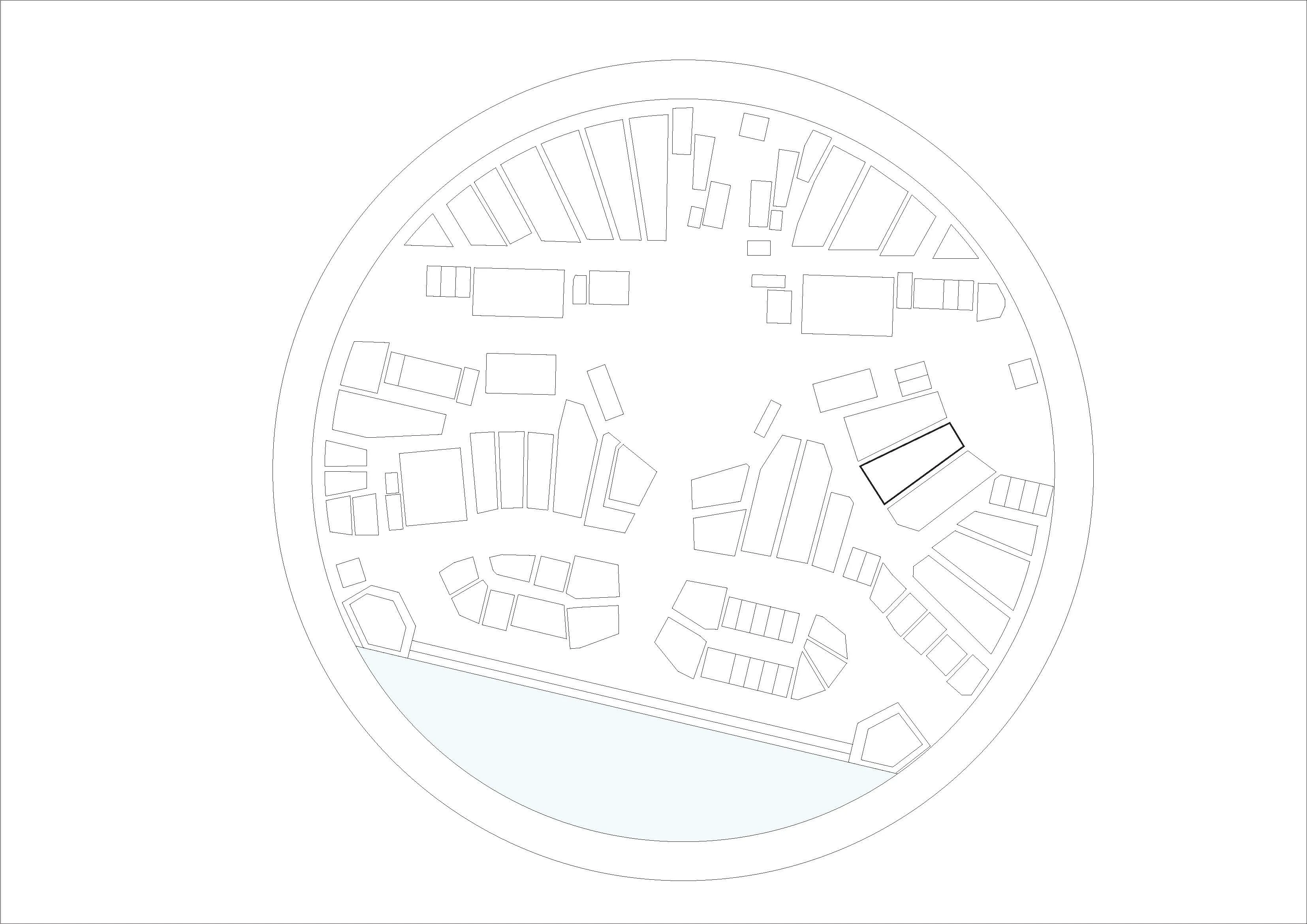
The 2025 Osaka World Expo (Japan) takes place from 13 April to 13 October 2025, centred around the theme Designing the Future, Designing Our Lives of Tomorrow, structured around three sub-themes: ‘Saving Lives’, ‘Inspiring Lives’ and ‘Connecting Lives’. It will be held on Yumeshima Island, an artificial island in Osaka Bay, spanning 155 hectares. The overall architecture has been entrusted to the architect Sosuke Fujimoto. All Pavilions will be connected by a ‘roof ring’ with a diameter of 615m and a circumference of 2km, distributed across three macro-zones: Green World, Pavilion World, and Water World. Over 160 countries will be represented, and the event expects 28 million visitors. The France Pavilion, aiming to showcase French innovations and expertise, will be located in the ‘Inspiring Lives’ (Empowering Lives) zone, close to the Japan Pavilion and the main entrance of the World Expo.
Established in January 2018, COFREX SAS, a company with public capital, is the first permanent structure dedicated to the preparation, organization, and implementation of France’s participation in universal and international exhibitions. Its sustainable approach draws on the experience of previous Expos to ensure optimal organization, cost-efficiency, and minimal impact. It is based on a partnership between public and private entities, focusing on France’s image and attractiveness.