Montréal UNESCO City of Design: 20 Years of Urban Innovation
16 minutes ago
5 min read
Some cities talk about design. Then there is Montréal—a city that, for twenty years, has chosen to "govern" itself. In June 2006, the Québec metropolis became the first city in North America and only the third in the world to join the UNESCO Creative Cities Network in the field of design. Two decades on, that designation has proven to be far more than a badge of honour. It has become the philosophical spine of an entire urban project.
As the city marks this milestone anniversary throughout 2026, the occasion calls for more than celebration. It demands a clear-eyed look at what Montréal actually built—and why it matters now more than ever, at a moment when cities everywhere are scrambling to make themselves more livable, sustainable, and resilient.
“Montréal’s designation as a UNESCO City of Design is a key lever for outreach and development. More than ever, our city is focused on innovation to meet urban challenges, be they economic, social or environmental. The expertise of our designers and the actions of the Bureau du design continue to reinforce Montréal’s international leadership when it comes to innovation by design.” — Soraya Martinez Ferrada, Mayor of Montréal
Designing a City from the Inside Out
The story begins not in 2006, but in 1991, when Montréal made a decision that was, at the time, essentially unheard of in municipal governance: it created an office dedicated to design within its city administration. The city's first Design Commissioner, Marie-Josée Lacroix, was charged with building something from the ground up—not just a department, but a new idea about what a city could be.
“This role didn’t really exist anywhere, so we had to build it from the ground up. We not only had to prove its worth, but also persuade the City itself to become an exemplary client with regard to design and architecture.” — Marie-Josée Lacroix, Montréal’s first Design Commissioner
That mandate seeded a culture of ambition that only deepened after the UNESCO designation arrived fifteen years later. The Bureau du design was established in 2006 as the operational engine of the City of Design vision, transforming the designation from an international distinction into a working policy instrument. Its influence has since rippled outward to shape how some 50 other member cities in the Cities of Design subnetwork approach the relationship between creativity and governance.
What makes Montréal's model distinctive is its insistence that design belongs in public life—not as ornamentation, but as a service to citizens. This is the city that pioneered design and architecture competitions for public contract awardance, assessing proposals on the quality of ideas rather than simply the lowest bid. In a North American procurement culture historically governed by rigid tendering rules, that shift required sustained political will. More than 60 competitions later, Montréal has earned recognition as a genuine continental centre of expertise in design-led public commissions.
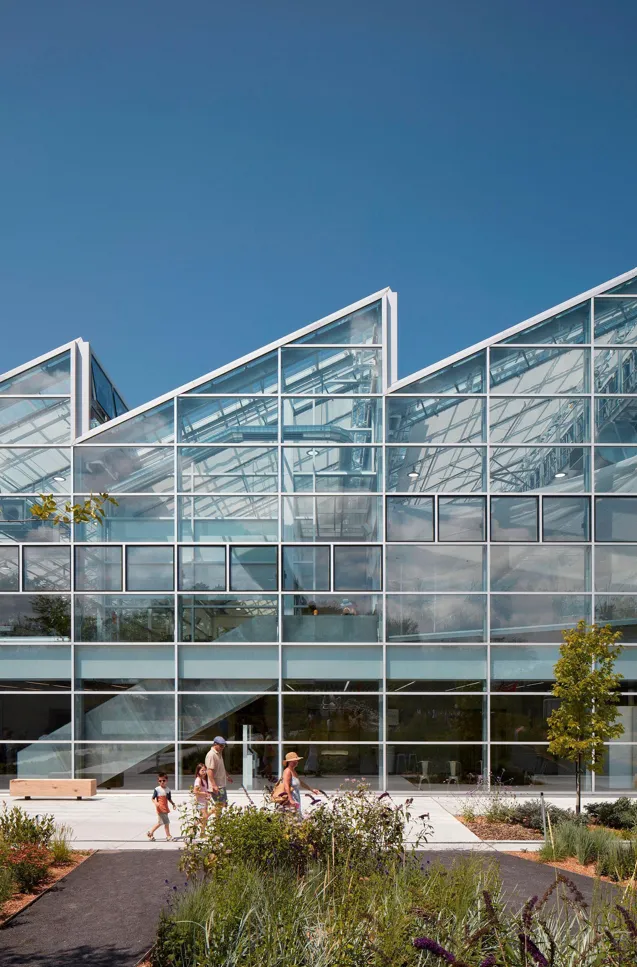
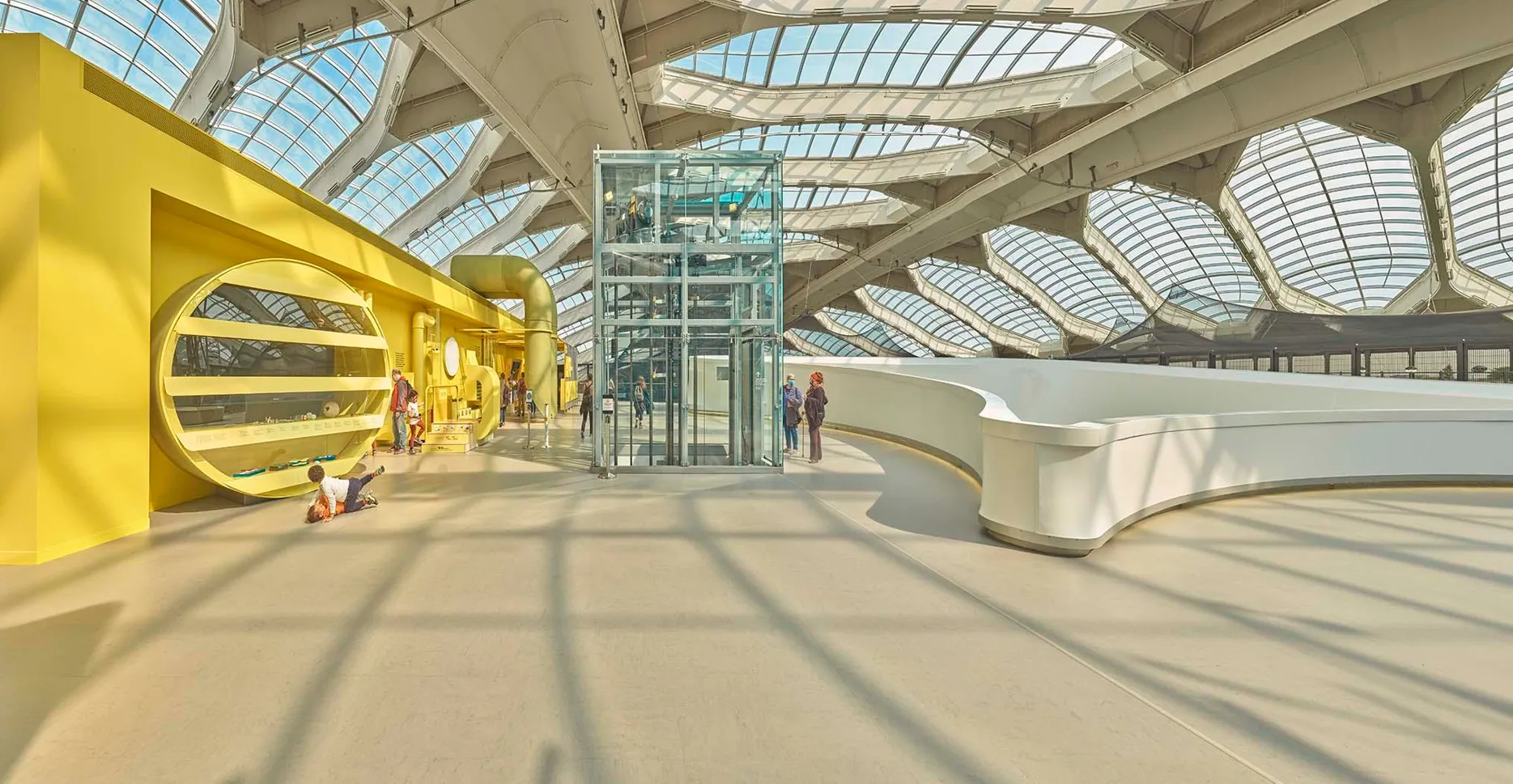
Métamorphose de l’Insectarium de Montréal. Image courtesy ofJames Brittain
A Creative Ecosystem, Built to Scale
The UNESCO designation did not just change how Montréal builds—it changed how it earns. In the early 2000s, as the city searched for new economic growth drivers, it placed a deliberate bet on design and architecture as sectors with real futures. That bet has paid off. Greater Montréal today is home to nearly 20,000 design professionals, and a flourishing ecosystem of initiatives has helped nurture talent, raise public design literacy, and export Montréal ideas to the world.
The Commerce Design Montréal awards introduced merchants to the idea that thoughtful spatial design is not an extravagance but a competitive advantage—a message so resonant it was eventually licensed to 14 cities, including New York, Brussels, Detroit, and Marseille. The Design Montréal Open House drew thousands of curious citizens behind the studio doors of the city's creative firms. The CODE Souvenir Montréal program celebrated locally designed and made gift objects, quietly arguing that place-based creativity has economic and cultural weight. And the Phyllis Lambert Grant opened doors for emerging practitioners who might otherwise have struggled to gain a foothold in the profession.
These initiatives share a common logic: they treat design not as the exclusive province of specialists, but as something that belongs to everyone. That democratising instinct has become one of Montréal's most exportable ideas. The city's influence now reaches from Geelong to Dundee, from Luxembourg to Kaunas, in the form of adapted programs, licensed concepts, and shared governance frameworks.
The Next Chapter: Circular, Sustainable, and Ambitious
Twenty years in, Montréal shows no sign of treating its UNESCO designation as a resting place. The current focus of the Bureau du design is on the ecological transition—specifically, on what it means to build and design in an era of resource scarcity and urgent climate pressure. The city is actively working with industry partners to map circular-economy and adaptive-reuse value chains in the construction sector, seeking to understand what is holding innovation back and where the most promising opportunities lie.
This is not a rhetorical position. The 2019 Montréal Agenda for Quality and Exemplarity in Design and Architecture set out a concrete framework for a high-quality, sustainable built environment, and the recently published 2050 Land-Use and Mobility Plan translates those principles into long-range urban planning. Early in 2026, Montréal was also selected to join a cohort of six cities in "Pioneering Places", an initiative of the Davos Baukultur Alliance powered by the World Economic Forum—a signal that its leadership is being recognized and called upon at the highest levels of global urban dialogue.
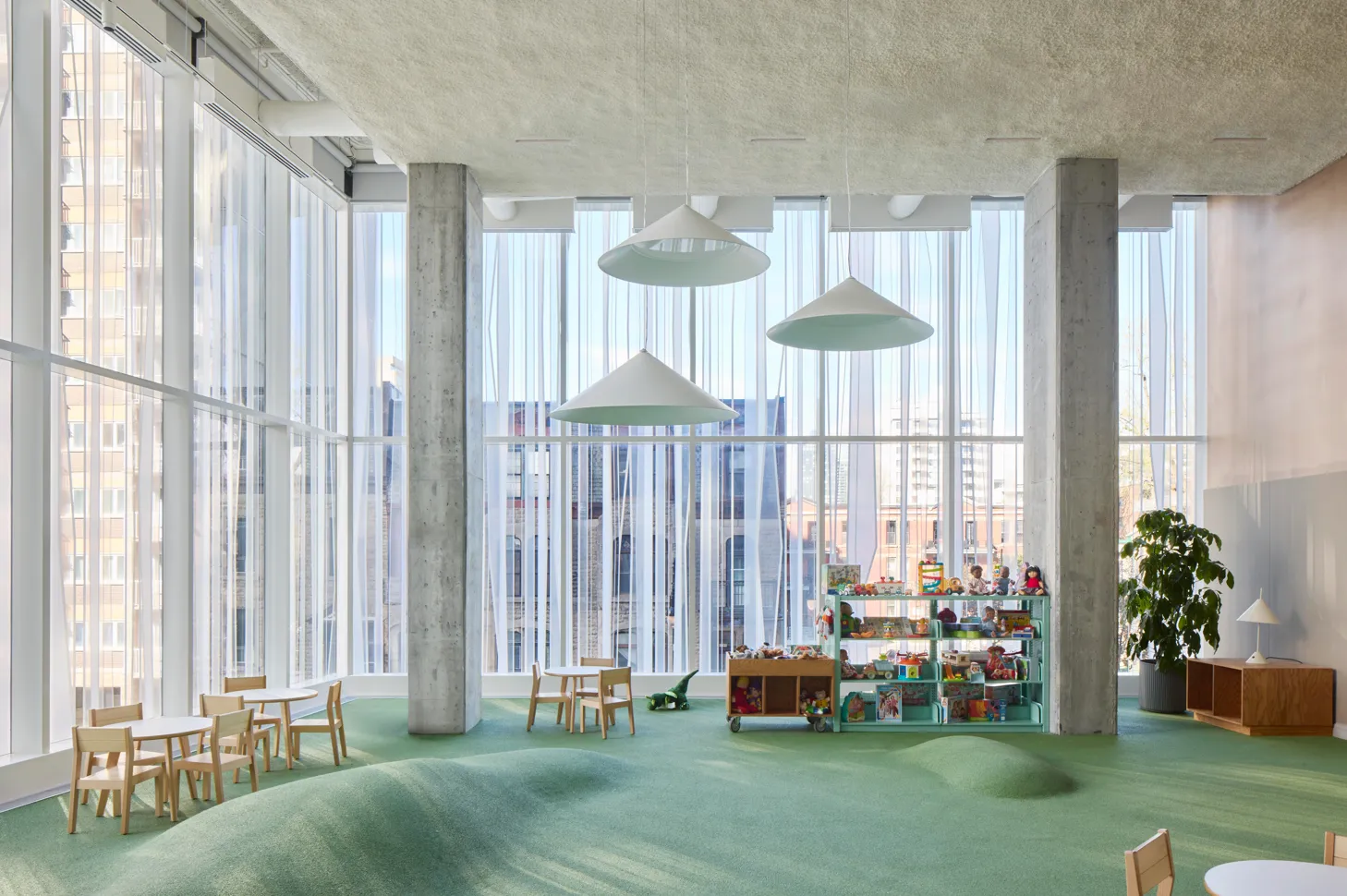
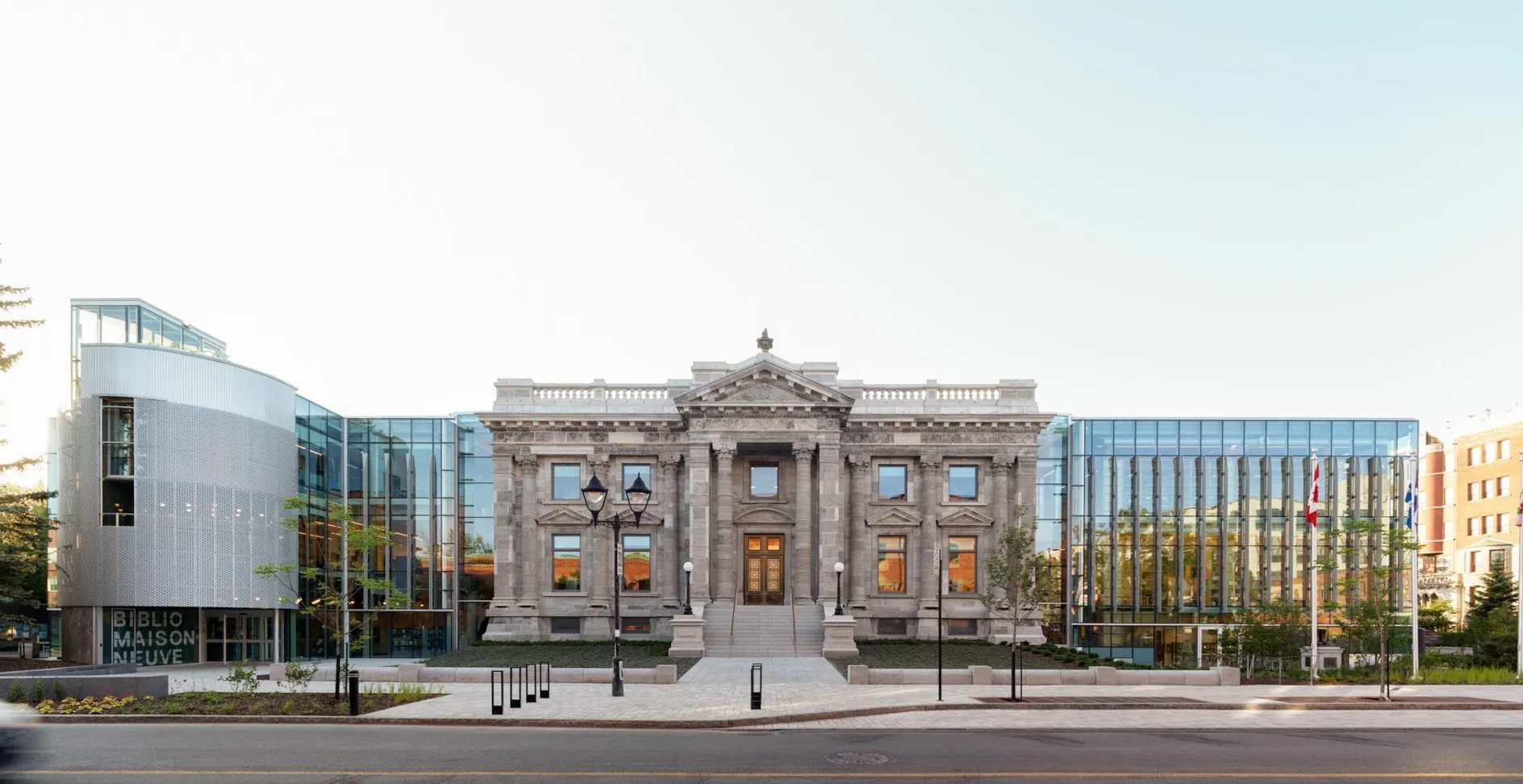
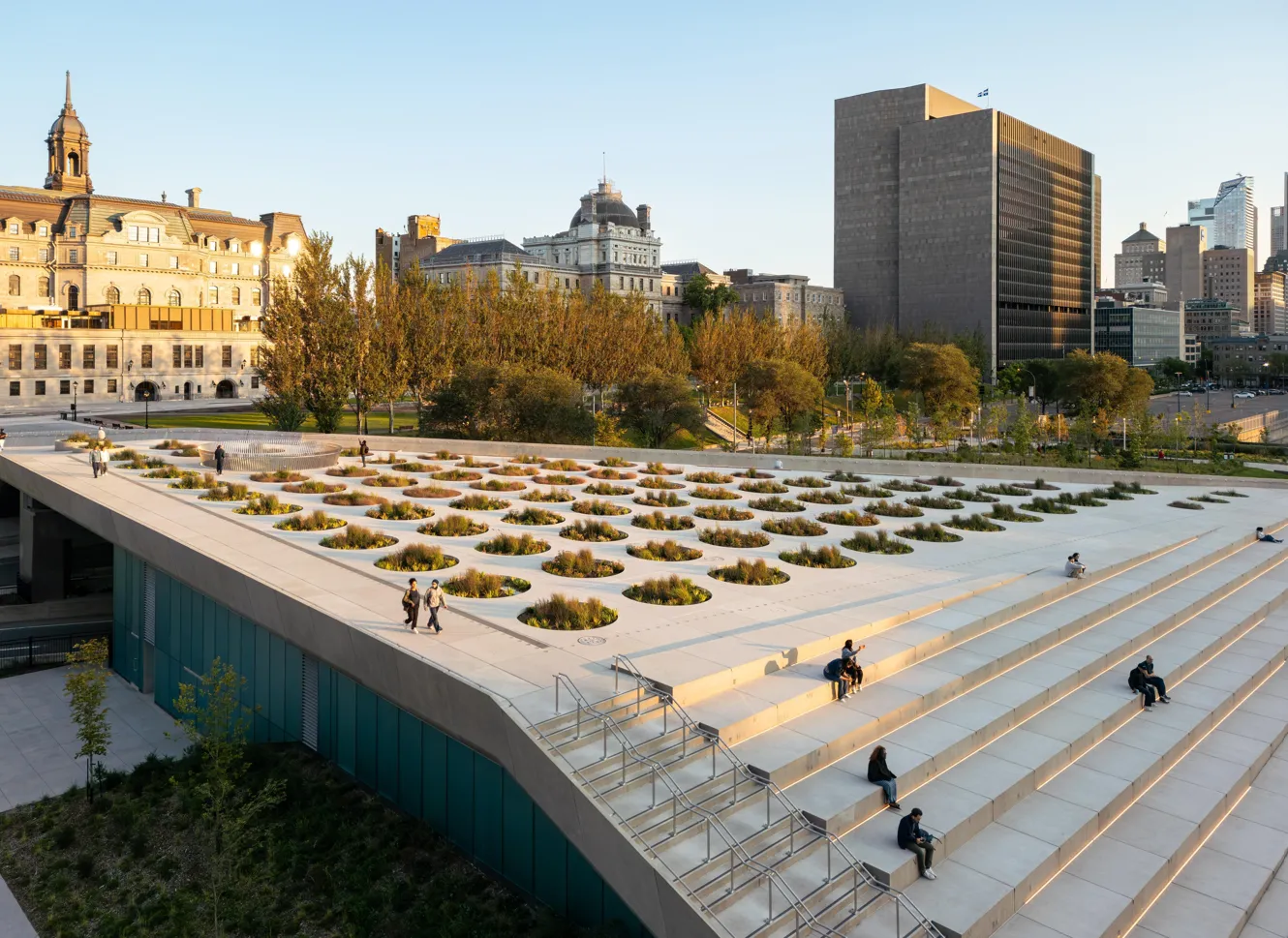
The results of this sustained commitment are now visible in the city's fabric and in the lives of its residents. Annual visits to libraries in the Mercier–Hochelaga-Maisonneuve Borough have climbed 91% since the opening of the Maisonneuve Library. Visitor numbers at the Space for Life complex have surged following the transformation of the Biodôme and Insectarium. Since 2019, nearly 50 awards of excellence have recognized some 30 municipal architecture and urban design projects—from Place des Montréalaises to the Théâtre de Verdure to the Sanaaq Centre. These are not abstract metrics. They are the measure of a city's relationship with its own public spaces.
What twenty years of Montréal's City of Design experiment ultimately demonstrates is that design is most powerful when it is structural—embedded in policy, budget decisions, procurement practices, and long-term planning—rather than applied as a finishing touch.
“Circular construction is a driver of quality in architecture, bridging heritage preservation and innovation. Backed by the expertise of our local firms, Montréal is well positioned to more quickly develop, test and roll out solutions that will help shape the city of tomorrow.” — Andréanne Moreau, City of Montréal Executive Committee
The city didn't just commission beautiful buildings. It built an institution, a culture, and a set of practices that have outlasted individual administrations and inspired cities on multiple continents.
“As a participant in the UNESCO Creative Cities Network and the Davos Baukultur Alliance, Montréal is on the front lines of dialogue around international best practices. The city is now positioned as a genuine testing ground for circular-economy principles applied to the built environment.” — Patrick Marmen, Chief of Staff and Design Commissioner, Bureau du Design
That framing—testing ground, not trophy case—captures the essential spirit of a city that has never been content to simply celebrate what it has done. For Montréal, the UNESCO City of Design designation has always been less about recognition and more about responsibility: a commitment, renewed each year, to keep asking what design can do next.
Take a look at the attached list of projects!
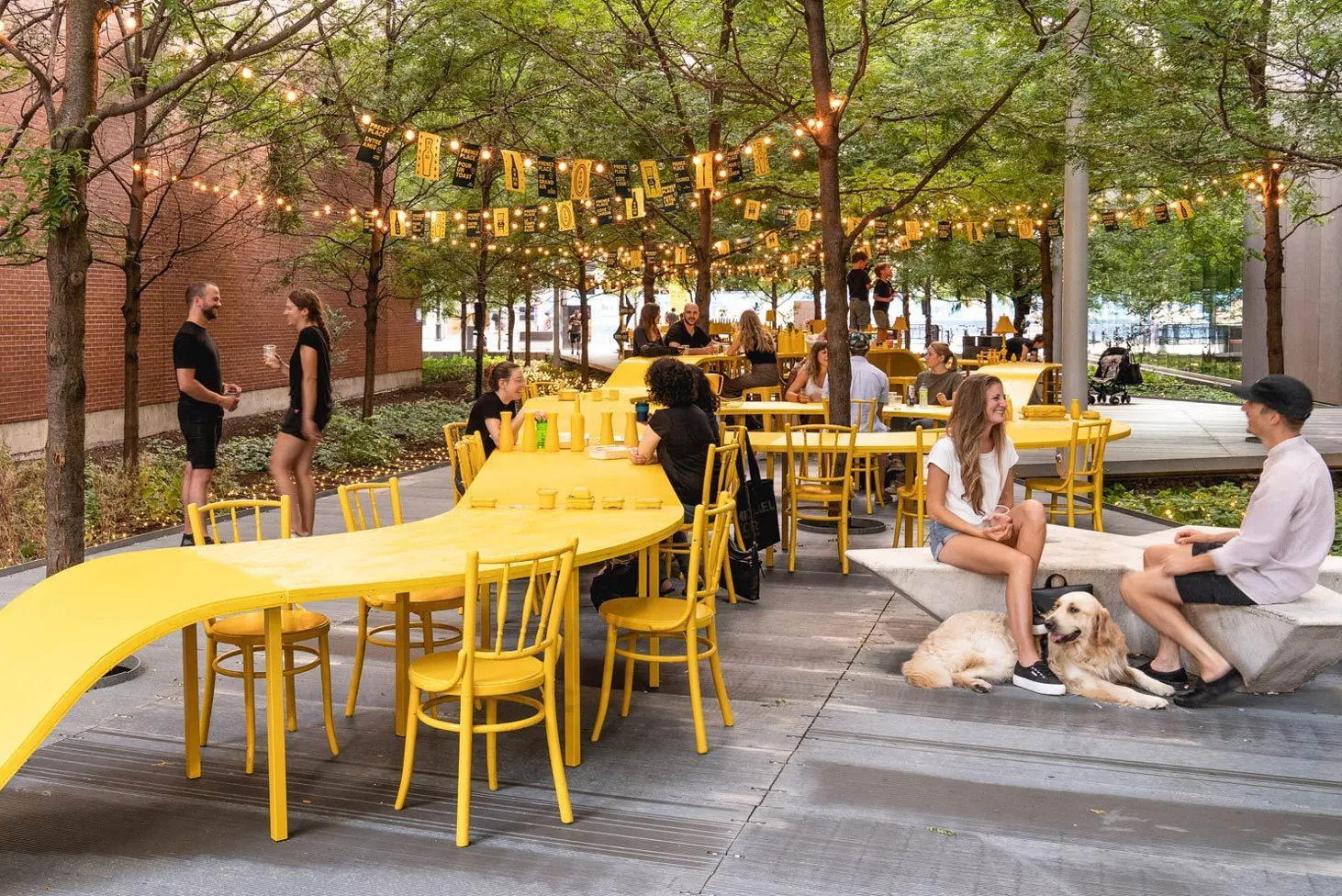
Sanaaq Center. Image courtesy of James Brittain
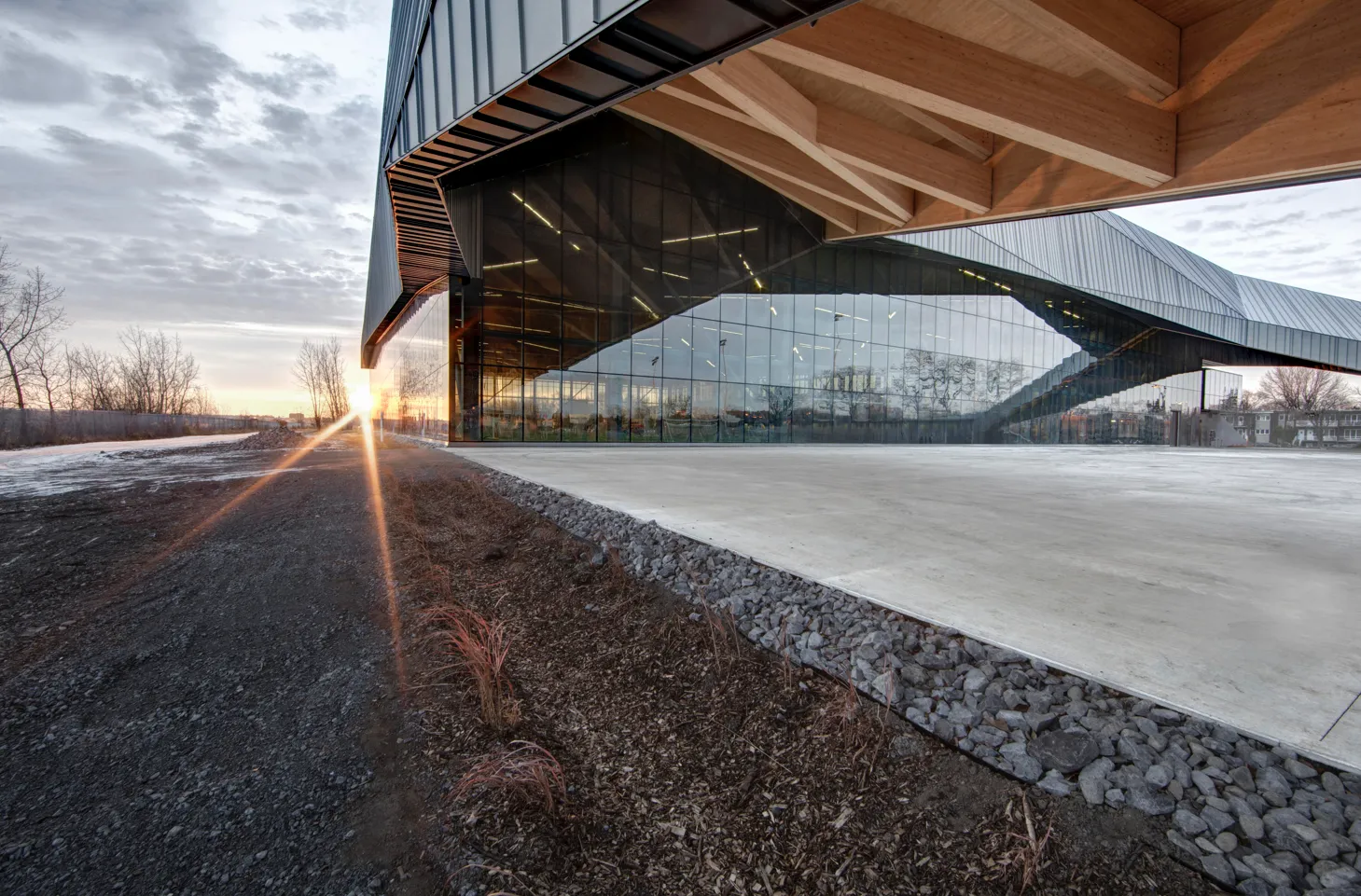
Montreal Soccer Stadium (2016). Image courtesy of Olivier Blouin
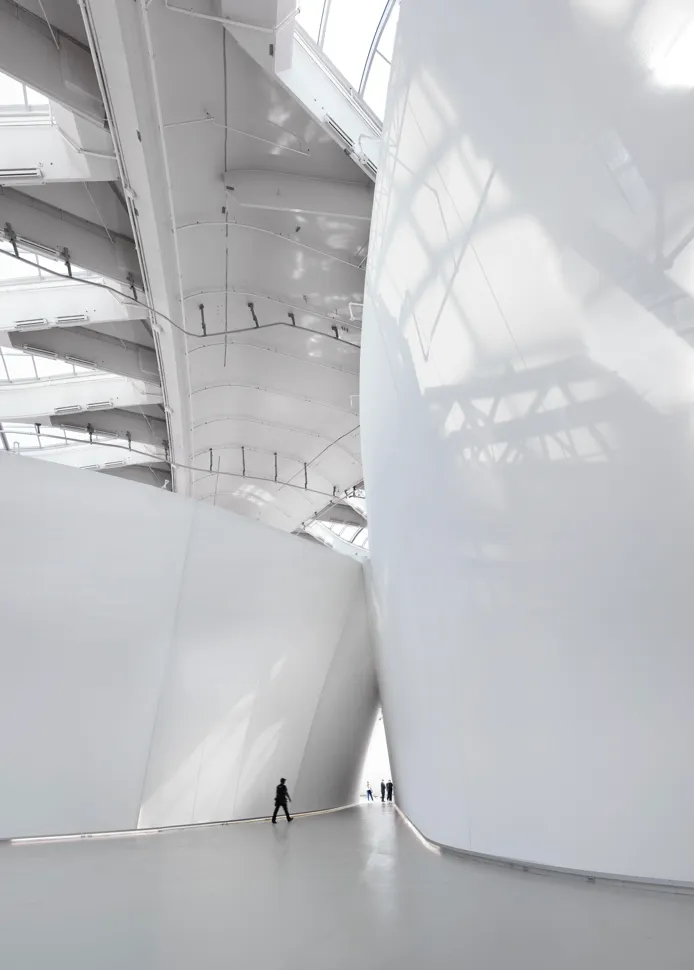
Renaissance of Montreal’s Biodome (2021). Image courtesy of Marc Cramer
. Image courtesy of
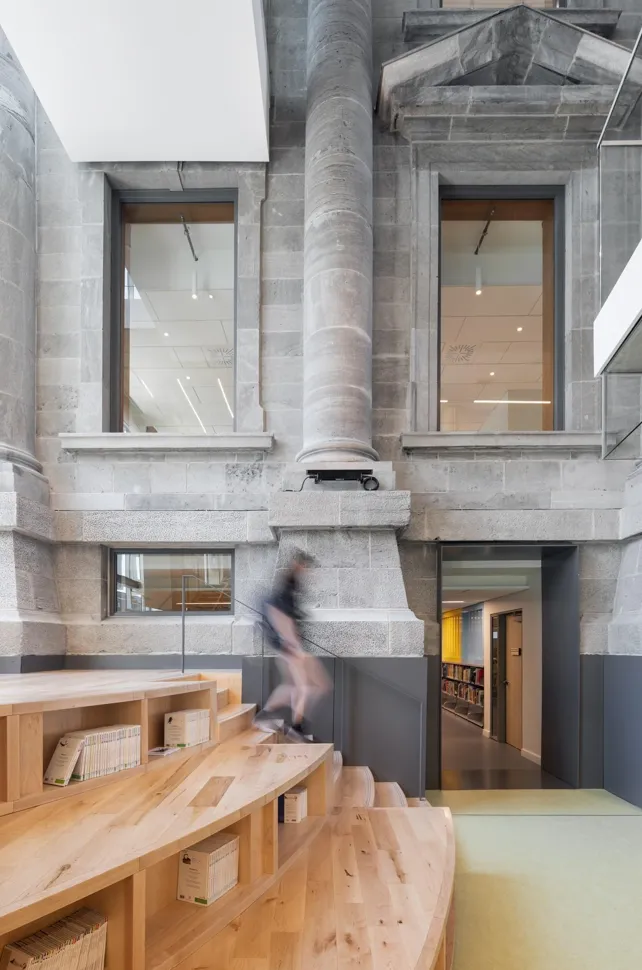
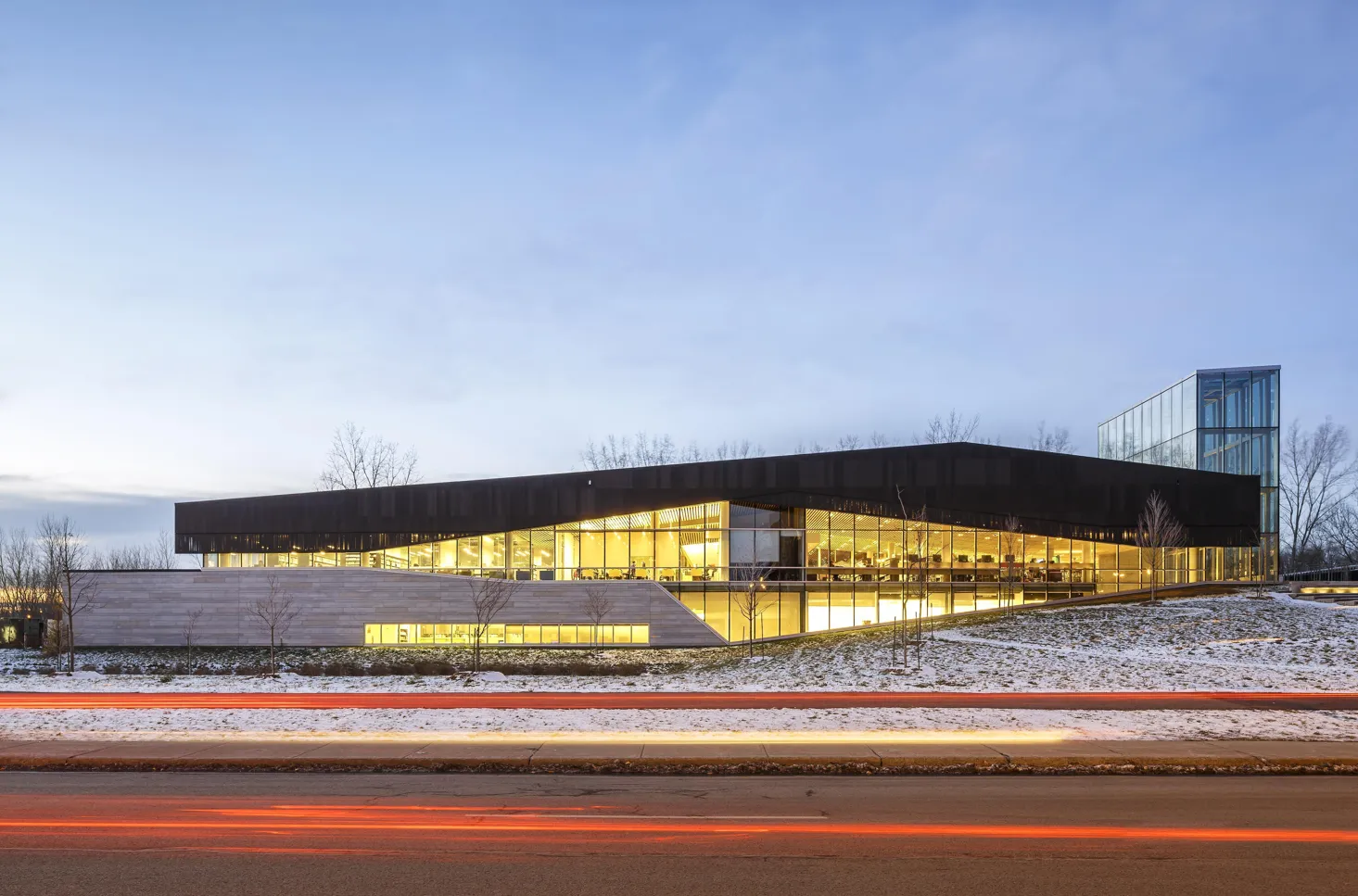
Du Boisé Library (2013). Image courtesy of Doublespace photography
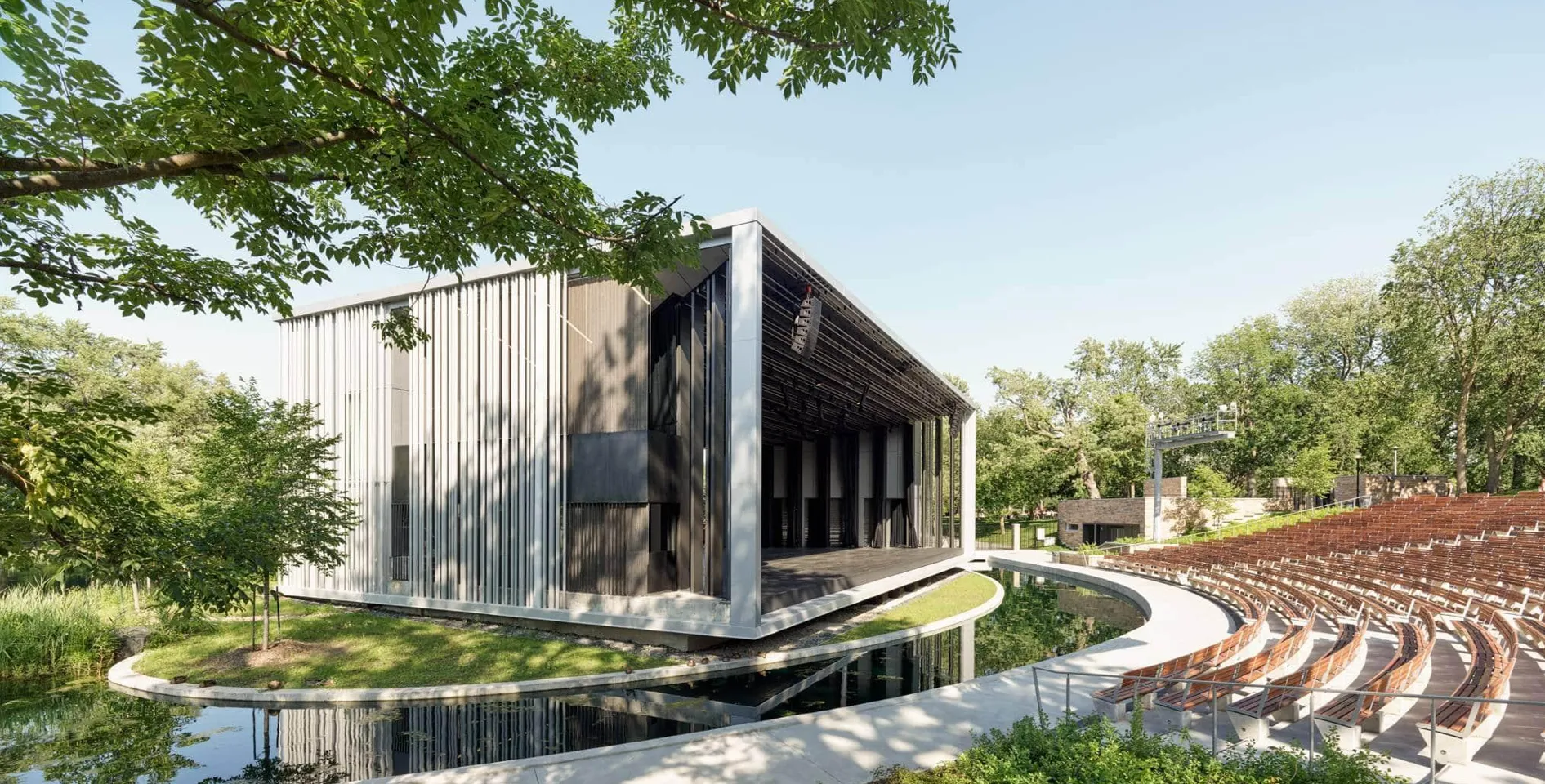
Redesign La Fontaine Park’s Iconic Théâtre de Verdure (2023). Image courtesy of Adrien Williams
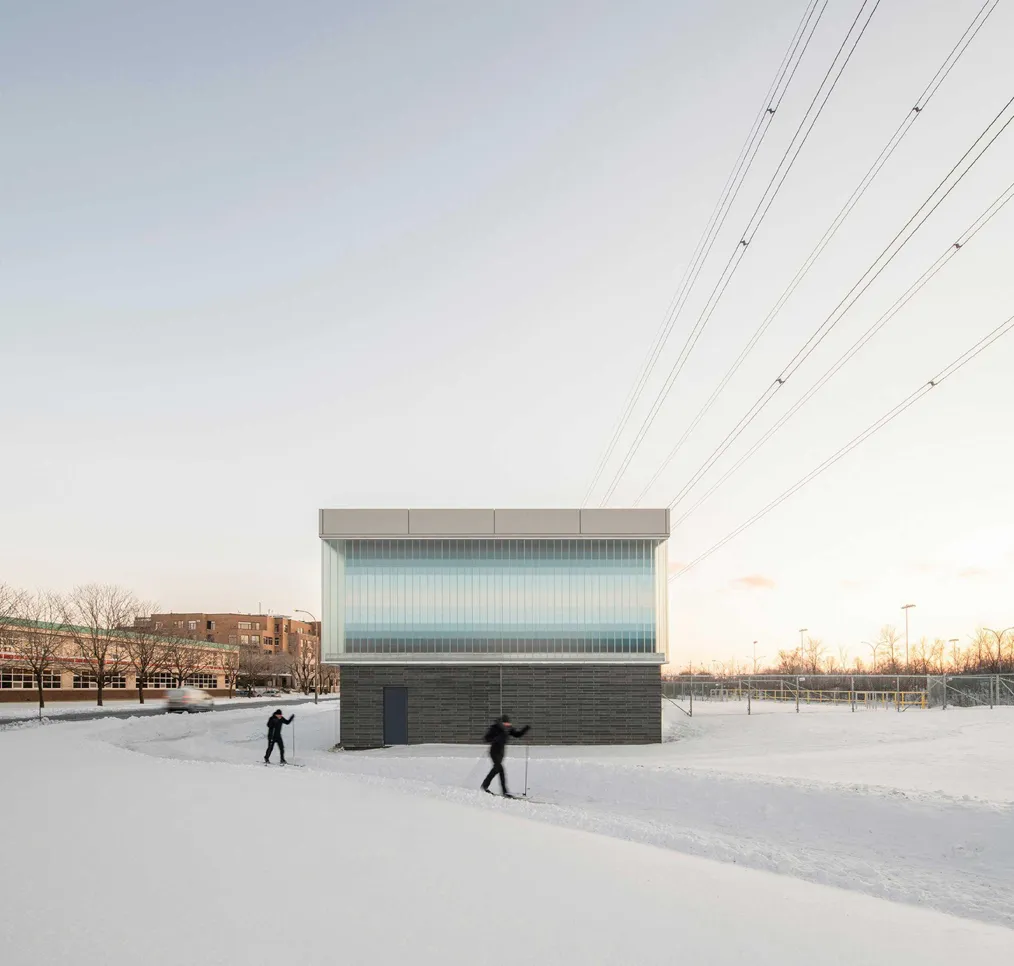
Water Intake of the Aqueduct Canal (2021). Image courtesy of David Boyer
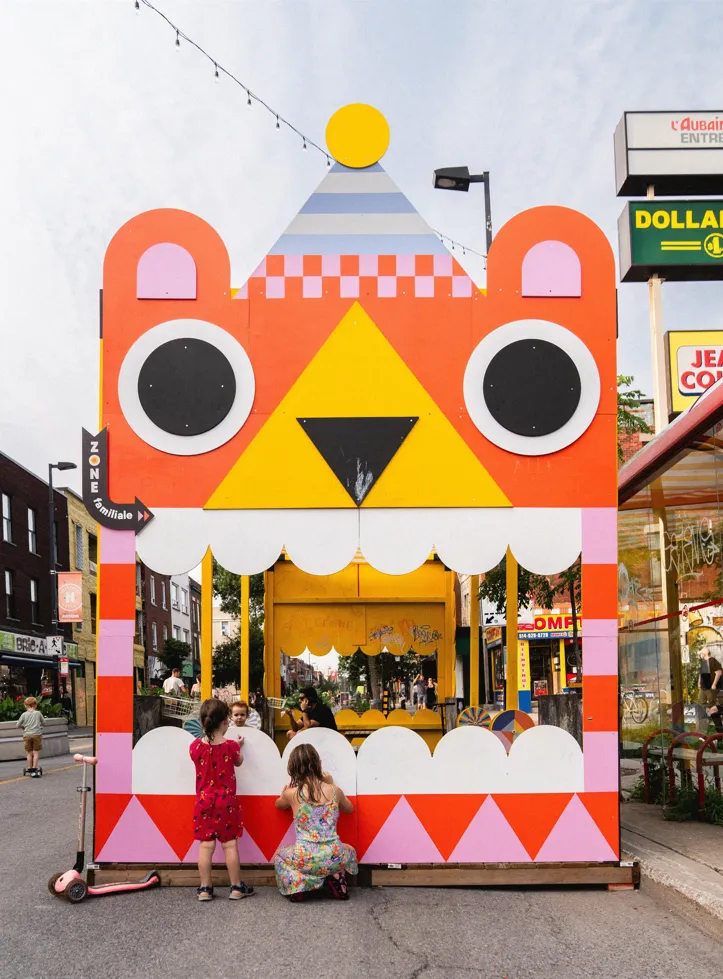
Summer pedestrianization of Rue Ontario (2023). Image courtesy of Raphaël Thibodeau
Metamorphosis of the Montréal Insectarium (2022). Image courtesy of James Brittain
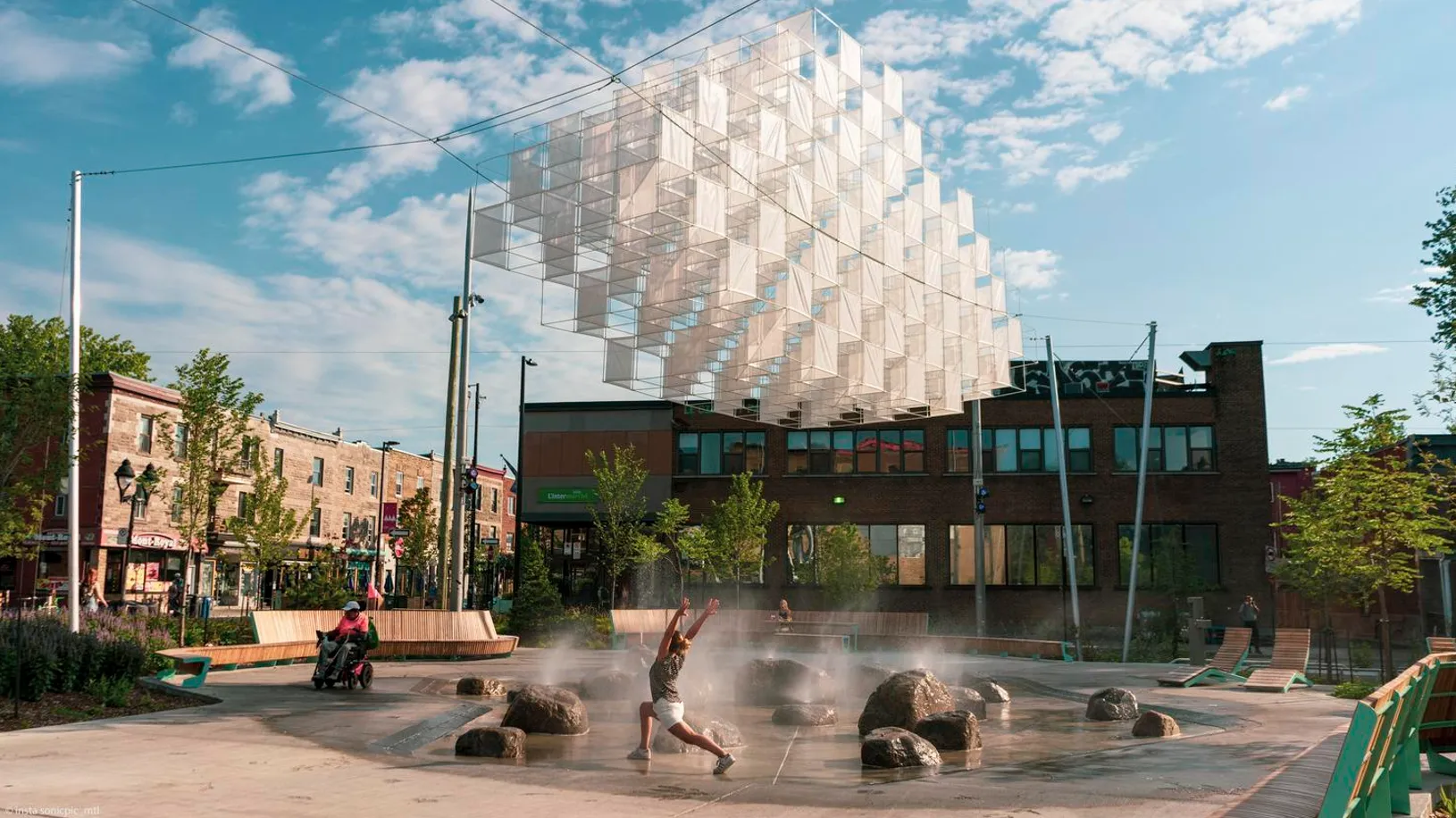
Montreal's first Water Squares (2021). Image courtesy of Steve Montpetit
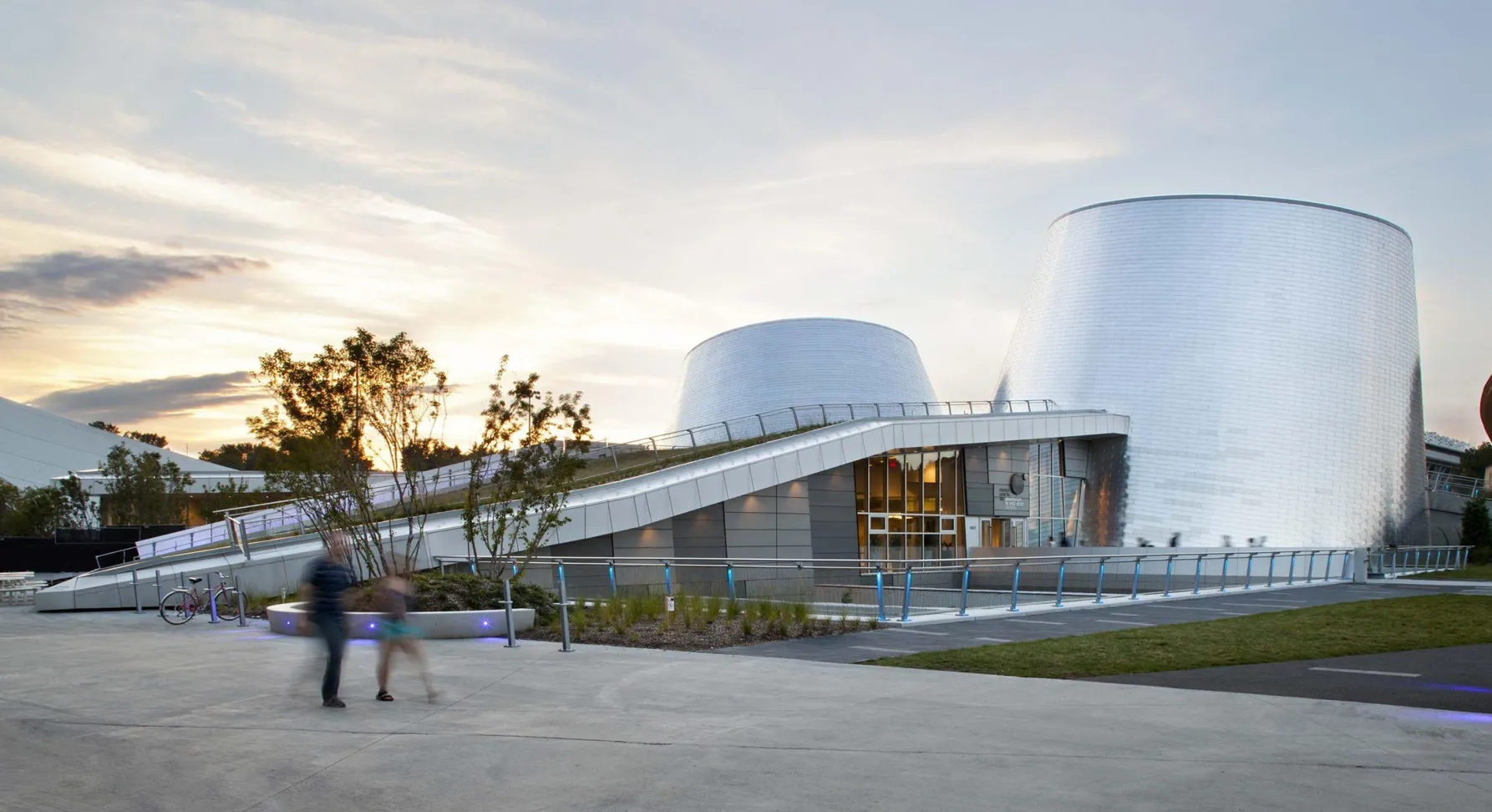
Rio Tinto Alcan Planetarium (2013). Image courtesy of Stéphane Brügger
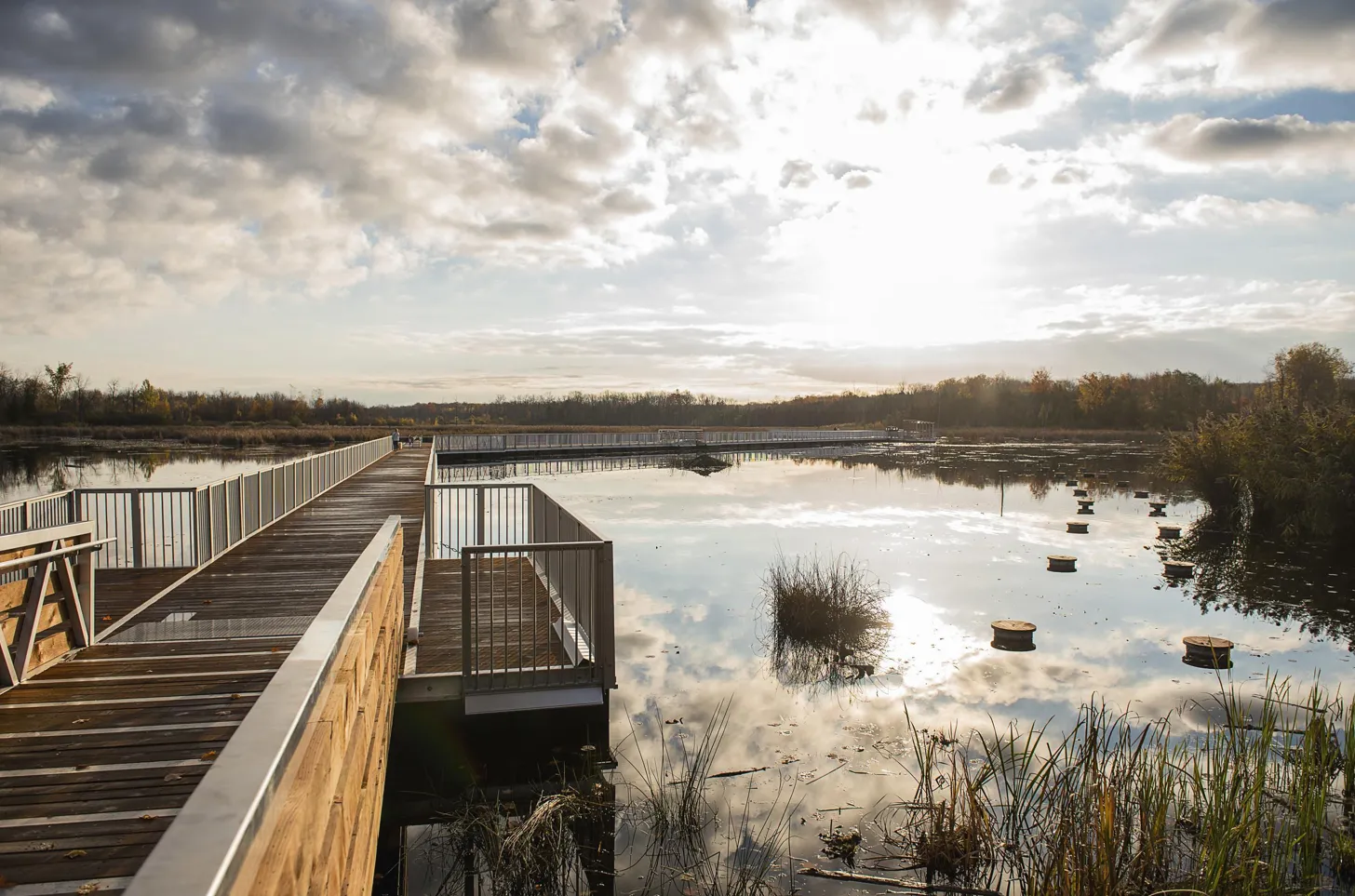
Revitalization of Three Montreal Nature Parks (2019). Image courtesy of City of Montréal
The Bureau du design, part of Montréal’s Service du développement économique, acts as a catalyst for creativity, innovation and excellence in design. It provides guidance for municipal projects, supports the local ecosystem and contributes to positioning Montréal as a cultural and creative metropolis. Its team was instrumental in the city’s designation as a UNESCO City of Design, and coordinates the ensuing actions for the benefit of the community.
Great design bridges past and future, creating spaces that evolve with us.
Our built environment is in a constant state of beautiful evolution. At Forma, we believe that architecture and design are deeply personal—they dictate how we live, grow, and connect across every stage of life. As a community of designers, architects, engineers, trades, builders, suppliers, students and creators, we are constantly tasked with bridging what was with what will be. Whether we are exploring innovative new builds, thoughtful restorations, or the visionary people shaping our industry, our mission remains the same: to look beyond the aesthetics. We invite you to explore the human stories woven into the brick, light, and landscapes of the spaces we inhabit. Thank you to everyone who reads, contributes, and shares in this vision.
Then there is Montréal—a city that, for twenty years, has chosen to "govern" itself. In June 2006, the Québec metropolis became the first city in North America and only the third in the world to join the UNESCO Creative Cities Network in the field of design. Two decades on, that designation has proven to be far more than a badge of honour. It has become the philosophical spine of an entire urban project.
The University of Alberta has officially opened the doors to University Commons, a breathtaking 405,000-square-foot transformation of its century-old Dentistry and Pharmacy building. Designed by the visionary team at Zeidler Architecture, this monumental project turns a historic landmark into a vibrant, modern gateway.
Humans spent 99% of their evolutionary history adapting to the natural world. Today, we spend roughly 90% of our lives inside sealed, climate-controlled boxes. This massive shift has left us chronically stressed, fatigued, and disconnected.
Winner of the 2026 Award of Excellence in Architecture from the Quebec Association of Architects, the Aubé House is more than just a beautifully designed residence. It is a physical timeline—a space where a rich family history meets breathtaking modern design.
Just north of Toronto, perched on the edge of a wooded valley, sits Ravine House—a contemporary home that redefines what it means to live in harmony with nature. Rather than acting as a barrier against the outdoors or simply occupying a plot of land, this stunning residence acts as an immersive, beautiful mediator between comfortable domestic living and the natural landscape.
On May 29th, as the sun began to set over the historic brick facades of Old Town Toronto, the streets took on a new, electric energy. The King East Design District (KEDD) Neighbourhood Hop—the highly anticipated annual event presented by DesignTO in collaboration with the Old Town Toronto BIA—was officially underway. For a few magic hours, the neighbourhood morphed into a sprawling, interactive playground for creativity and innovation.
In the heart of Quebec’s rugged Laurentians region, a new kind of home has taken flight. Located in the quiet community of La Conception, The Albatross is not just a house; it is a masterclass in modern residential design. Image courtesy of: Stéphane Groleau Created by the teams at MU Architecture in close collaboration with architect Anik Patry, this extraordinary home was built around a beautiful, simple idea: to place a modern family at the very center of a spectacular nat
Great architecture does more than simply house people; it shapes how they learn, create, and connect with the world around them. Université du Québec à Montréal (UQAM) has long understood this, and the architectural community agrees. Recently, UQAM’s iconic pavillon de Design was awarded the Royal Architectural Institute of Canada’s (RAIC) Prix du XXe siècle, a prestigious honour that recognizes the most outstanding and enduring architectural achievements of the last century.