Kinderspace - €10,000 - Registration Deadline 28 October 2026
Oct 28, 2025
2 min read
This innovative competition invites architects, designers, and creative minds from all backgrounds to rethink traditional classrooms. The goal is simple yet profound: design a modern kindergarten space that nurtures creativity, ensures well-being, and inspires the next generation of young learners.
PRIZE FUND: 10,000 €
1ST PLACE: 5,000 €
2ND PLACE: 2,500 €
3RD PLACE: 1,000 €
Student Award: 1,000 €
Sustainability Award: 500 €
DATE:
Closing date for registration: 28 October 2026
Competition Q&A deadline: 2 November 2026
Closing date submission: 30 November 2026 - 23:59 (London Time)
Announcement of the winners: 19 January 2027
PARTICIPANT: Everyone (No professional qualifications required)
Advanced (19 Jun - 27 Aug): 120 € (Students: 110€)
Last Minute (28 Aug - 28 Oct): 140 € (Students: 120€)
Blending Nature and Architecture
Traditional educational settings can sometimes feel rigid, potentially limiting a child’s natural desire to explore. The Kinderspace competition pushes for a different approach. It encourages ideas that seamlessly blend built structures with natural environments, allowing children to learn through daily interaction with both.
One of the unique features of this competition is its flexibility. Rather than assigning a specific location, Buildner allows participants to choose a site within their own home country. This freedom means that designers can create spaces tailored to the specific needs of their local communities, turning underutilized areas into vibrant hubs for early education.
Open to Everyone
Innovation can come from anywhere. Because of this, the competition is completely open to the public. No professional qualifications or architectural degrees are required to enter. Whether someone is a seasoned architect, a design student, or simply an enthusiast with a powerful vision, they are welcome to join. Participants can submit their ideas alone or form a team of up to four members.
Early childhood is a time of endless curiosity and rapid growth. During these formative years, the physical environment plays a massive role in shaping how young children learn, play, and connect with the world around them. Recognizing this, Buildner has officially launched the fourth edition of its global challenge, Kinderspace: Architecture for Children's Development.
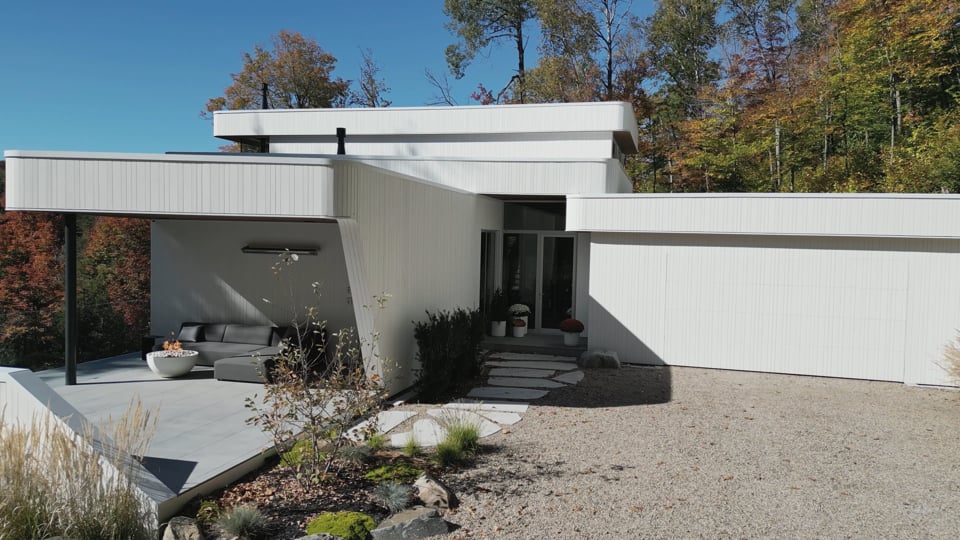
In the heart of Quebec’s rugged Laurentians region, a new kind of home has taken flight. Located in the quiet community of La Conception, The Albatross is not just a house; it is a masterclass in modern residential design. Image courtesy of: Stéphane Groleau Created by the teams at MU Architecture in close collaboration with architect Anik Patry, this extraordinary home was built around a beautiful, simple idea: to place a modern family at the very center of a spectacular nat
How a delayed renovation taught interior designer Joan MacAlpine the value of slowing down and reconsidering the pace of residential design. There are some homes that come together quickly, built on swift decisions and tight schedules. And then there are the homes that ask to be understood first.
Transforming a house into a forever home often requires looking past severe imperfections to see the hidden potential. In a recent full-scale renovation, an interior design team took a failing structure and completely reimagined it, blending classic Cotswold design elements with fresh, modern charm.
Imagine a surface that feels exactly how it looks. Tafisa, a North American leader in decorative panels, has brought this concept to life with the launch of ICONIQ, a brand-new collection of decorative melamine and high-pressure laminate surfaces.
Great architecture does more than provide shelter—it tells a story. For VMA, a dynamic architecture firm headquartered in Philadelphia with offices in New York City and Washington, D.C., that story is all about connecting the past with the future.
The global economy is built on a foundation of confidence, but in China, that very foundation is visibly cracking and crumbling. The numbers involved are almost too large to comprehend for the average person. Since the crisis began to take hold in 2021, Chinese real estate developers have failed to repay more than $100 billion in debt.
Transforming a former industrial district into a welcoming residential neighbourhood is one of the toughest challenges in modern city planning. Too often, new developments bulldoze the past to build the future, erasing the unique character of a neighbourhood. However, a new residential project in Montreal is flipping the script.
What if architecture could change the way we look at aging? In Beloeil, the newly designed shared spaces of the Cloria residence are doing exactly that. Designed by Taktik, this fresh approach to senior living leaves outdated conventions behind. Instead of rigid schedules and clinical spaces, the design encourages autonomy, freedom, and a vibrant sense of community.