"You are either winning or learning. Every roadblock is a growth opportunity."
If his personality were a material, he says, it would be wood: strong yet flexible, natural and down to earth, dynamic and renewable. It is a fitting metaphor for a architect who has spent his career finding the balance between structure and adaptability — bending toward his clients' visions without losing the integrity of his own design instincts. Raised on a farm in southern Alberta and now running his own firm, he brings a grounded, unhurried sensibility to a profession often associated with glass towers and sharp angles. His work, like his chosen material, is meant to feel organic: rooted in its surroundings, built to last, and quietly full of life.
Roots in Two Different Worlds
Long before blueprints and site plans, there was Lego. He still remembers the particular thrill of a process so clearly outlined — pieces locking into place, a finished structure emerging from instructions and imagination. He is, by his own admission, still a fan today. But the more formative classroom was his family's farm, where his mother's restless eye for design and his father's practical building know-how pulled him in two complementary directions at once. His mother was constantly rearranging rooms and swapping colours and accents, an HGTV devotee whose habits became his early design education by osmosis. His father, meanwhile, taught him construction the hands-on way, building fences and outbuildings together.
"I wouldn't say this influenced my style," he reflects, "as much as it introduced and shaped my interest for design and construction in general."
That dual education came to a head at fifteen, when he approached his parents with an idea: a gazebo and firepit he wanted to design and build himself. They agreed on one condition — he had to figure out the design and the materials on his own. He did exactly that, and the structure became, in effect, his first real drawing brought to life. It was an early lesson in ownership that would echo throughout his career: if you want to build something, you have to be willing to design it first.
The Leap to Independence
Every career has a hinge point, and for him, it was the decision to strike out on his own. The ambition had always been there, but the path was uncertain until he formed a relationship with a design-build firm in Boulder, Colorado. That partnership gave him the momentum and confidence he needed to eventually launch his own practice.
The early years were not without their trials. He recalls a project, taken on while he was still finding his footing, that ran into jurisdictional setbacks and a client whose expectations had drifted from reality. At the time, the obstacles felt insurmountable. In hindsight, he sees them differently — as part of the process rather than a verdict on his abilities. What he carried forward was persistence, along with a hard-won appreciation for accountability and how far a sincere apology and a willingness to own a mistake can go toward repairing a strained relationship.
Interestingly, the toughest assignments of his career were rarely the ones with the most demanding design problems — those, he says, are the fun ones. The real test came from a modest residential remodel, simple enough on paper, complicated by a client whose understanding of design and construction didn't quite match their expectations. He got through it the way he gets through most difficulties: by staying relationally consistent, communicating in good faith, and controlling everything within his power to push the project toward a successful outcome.
Looking back at his earliest portfolio next to his current body of work, almost everything has changed — except one thing. He has always favoured order: work that is clean, organized, and composed in a way that reads as both legible and rational. It is the throughline connecting a teenager's gazebo sketch to the sophisticated commissions he leads today.
Modern Vernacular: A Process Rooted in Place
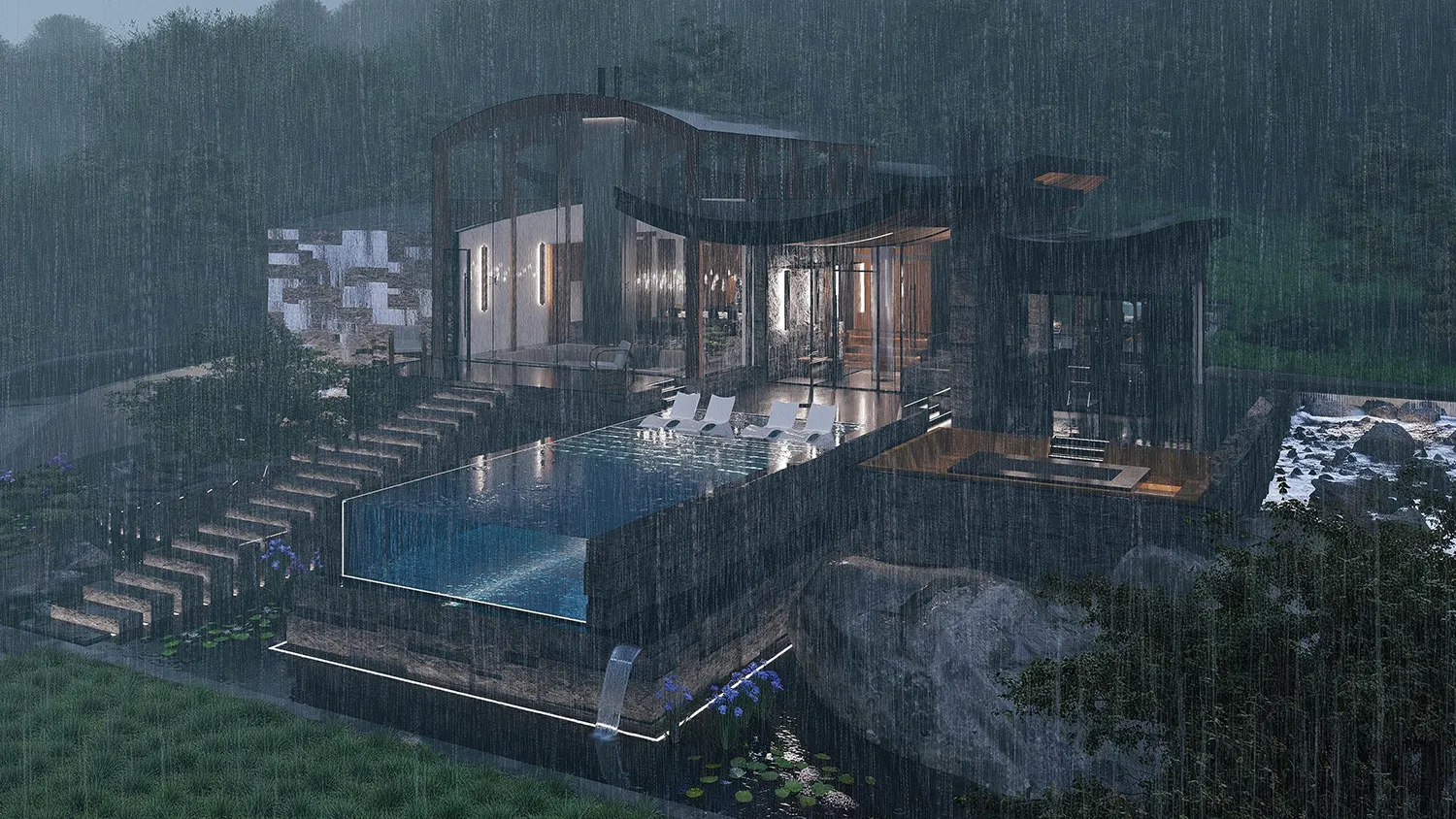
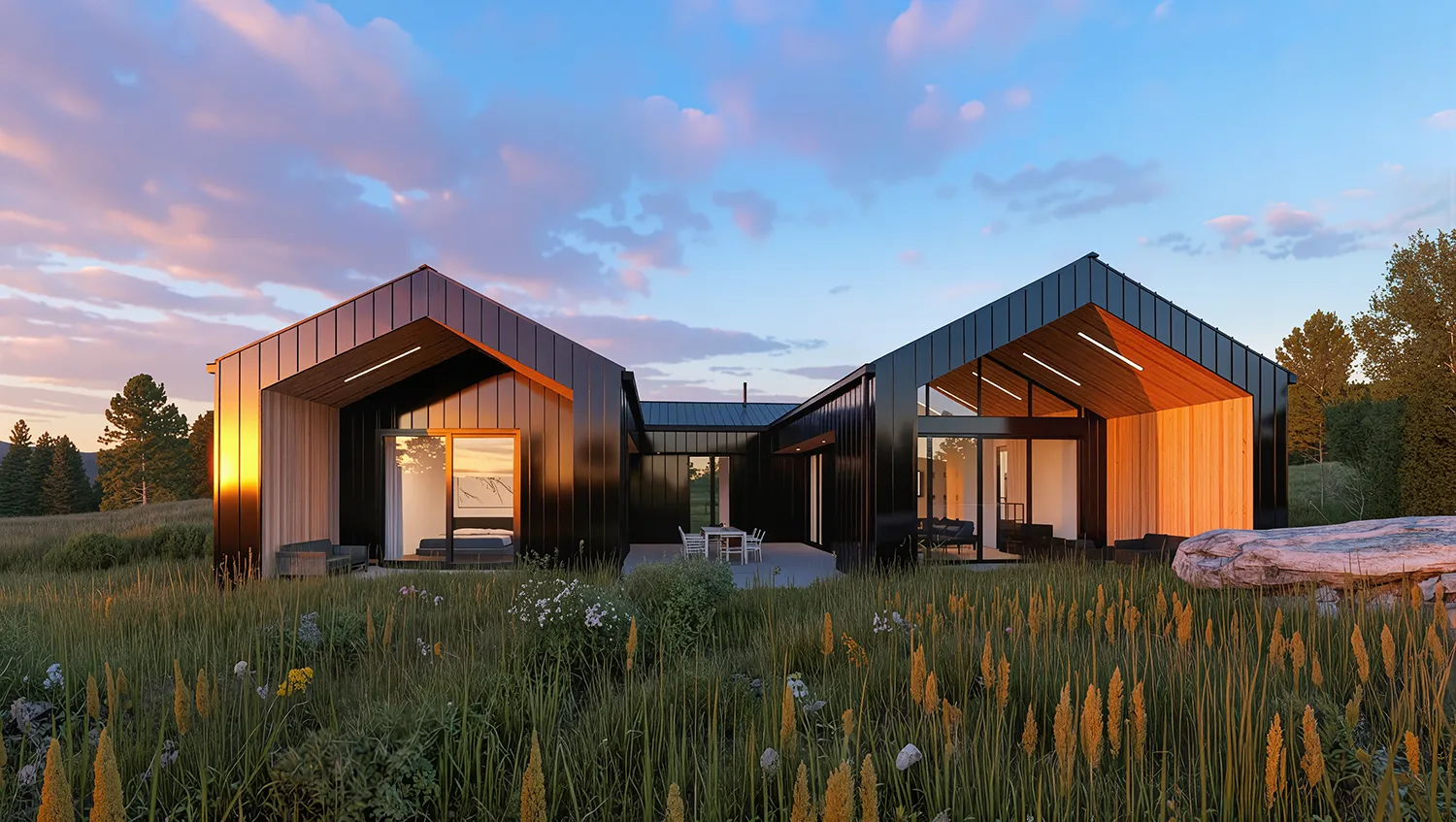
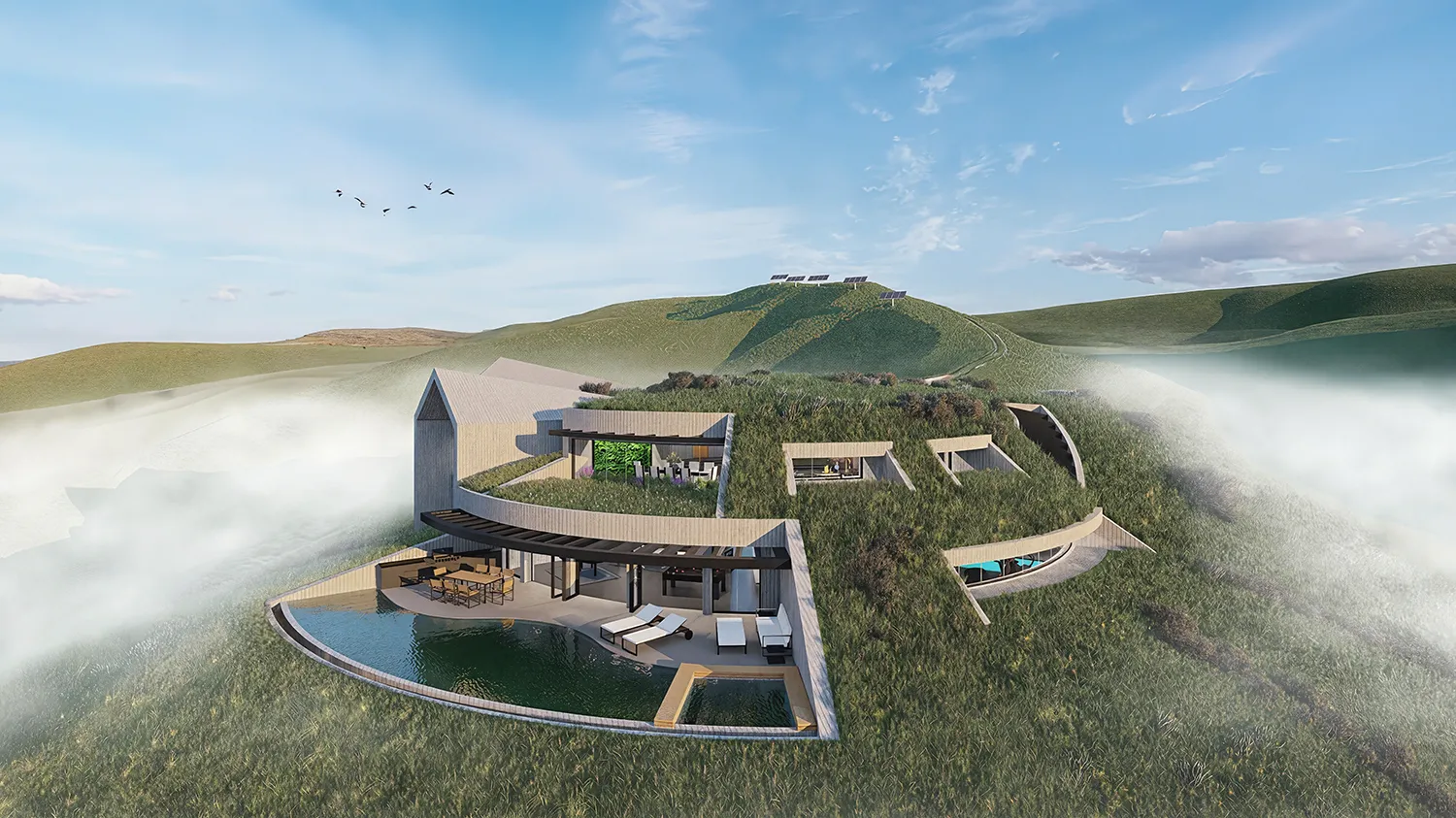
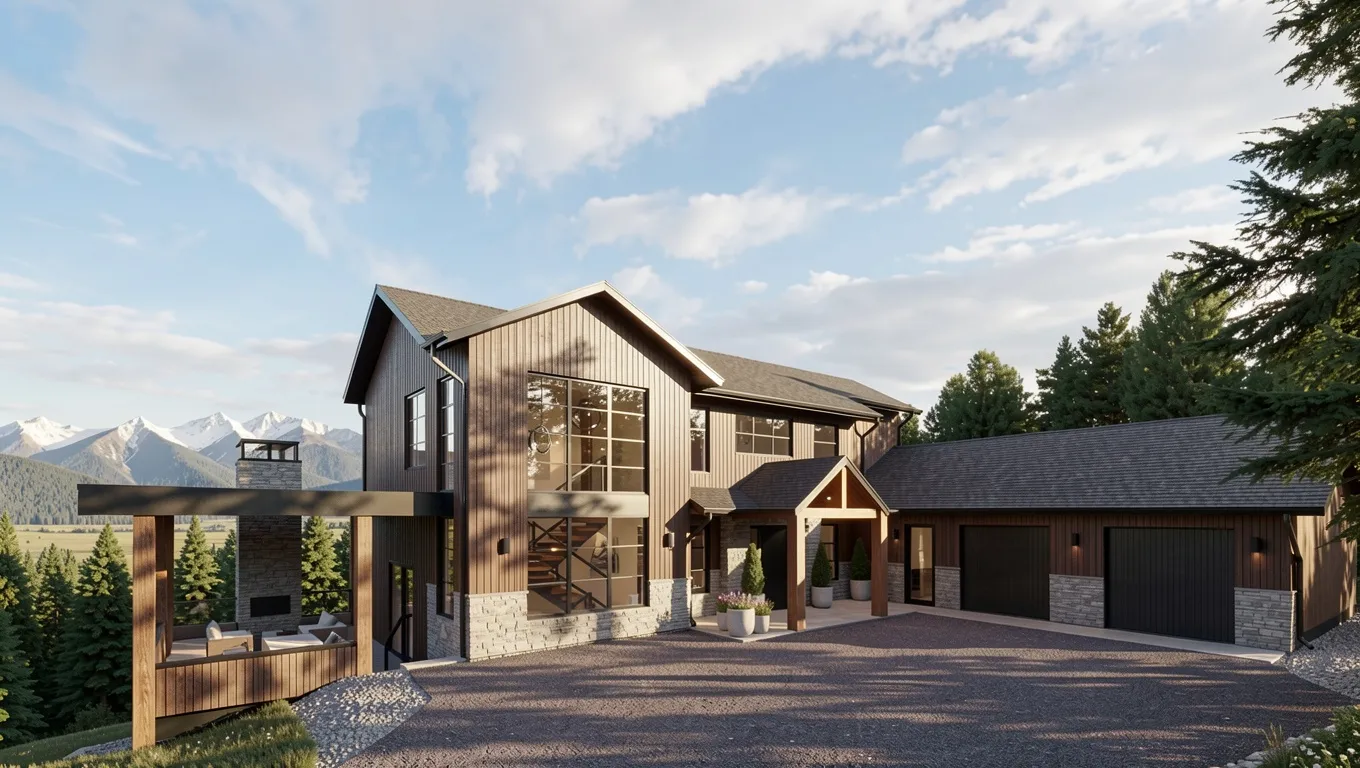
Ask him to describe his style in plain language, and he calls it "Modern Vernacular" — design that draws its cues from the surrounding environment while staying as clean and simple as the context allows. It is a philosophy that begins before a single line is drawn. The very first step on any new project is to analyze the site itself, searching for the points where a design can achieve genuine synergy with its environment, whether that's a dense urban lot or an open natural landscape. The goal, always, is the closest possible "fit" between building and place.
That same respect for context shapes how he handles disagreement with clients. Rather than overriding a client's instincts when his own design sense points elsewhere, he presents both paths: the option the client originally wanted, followed by the alternative he believes will serve them better. It is a method built on trust rather than persuasion — clients feel heard, and an opening is created for them to see something they hadn't considered, often for the first time, in a drawing rather than an argument. The final decision is always theirs.
When the ideas won't come, he doesn't force them. He prays, steps outside for a walk, hits the gym, or simply sleeps on the problem. "I like to think my best ideas come from God," he says, "while I will take personal credit for the bad ones." It's a humble approach to a famously ego-driven industry, and it seems to work.
Beyond the Drafting Table
Away from the office, rest looks less like stillness and more like presence. With three young boys at home, downtime is rarely quiet, but he describes the chaos as rejuvenating in its own way — and credits the truly restorative energy to time spent with his wife. When he does find a free hour, he returns to an old companion: Lego, now far more intricate and structurally ambitious than the sets of his childhood. He still loves watching thousands of small pieces resolve into something unified and unexpected.
His eye for good design extends to the smallest, most overlooked objects. Pressed to name something he admires purely for how well it works, he lands on the humble kitchen spoon — a form so simple it seems to defy design, yet packed with quiet decisions about ergonomics and proportion. It's the kind of everyday object that rewards the attention only a trained designer thinks to give it.
Blueprint for What's Next
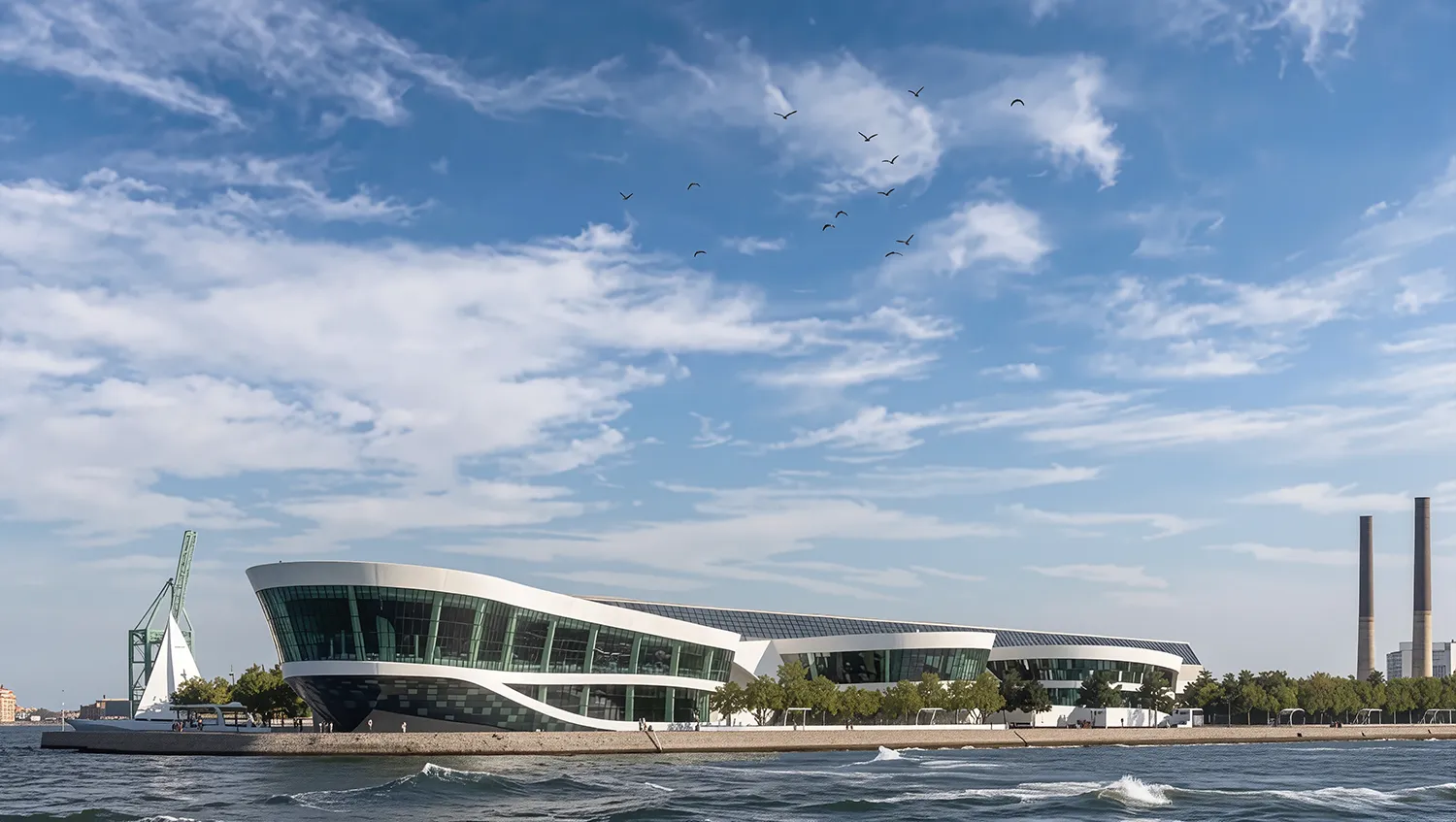
Asked to sketch a blueprint for the next five years, he answers with a single word: growth. Career growth, in the form of new projects and an expanding firm. Personal and spiritual growth. And growth, too, within his family. On the creative side, he's eyeing dance as an art form he and his wife are exploring together, while professionally his sights are set on museum design — work he sees as uniquely public-facing, a chance to create considered, beautiful spaces accessible to absolutely anyone.
When people eventually look back on his body of work, he hopes they remember a designer who was detail-oriented, organized, and collaborative — someone genuinely committed to sustainable design and to crafting projects that suited their context and left the surrounding environment better than he found it. He hopes, too, that the work itself will be remembered as simply beautiful and timeless. But more than any project or accolade, he wants to be remembered for something simpler still: as a person of integrity, enjoyable to be around, and excellent to collaborate with.