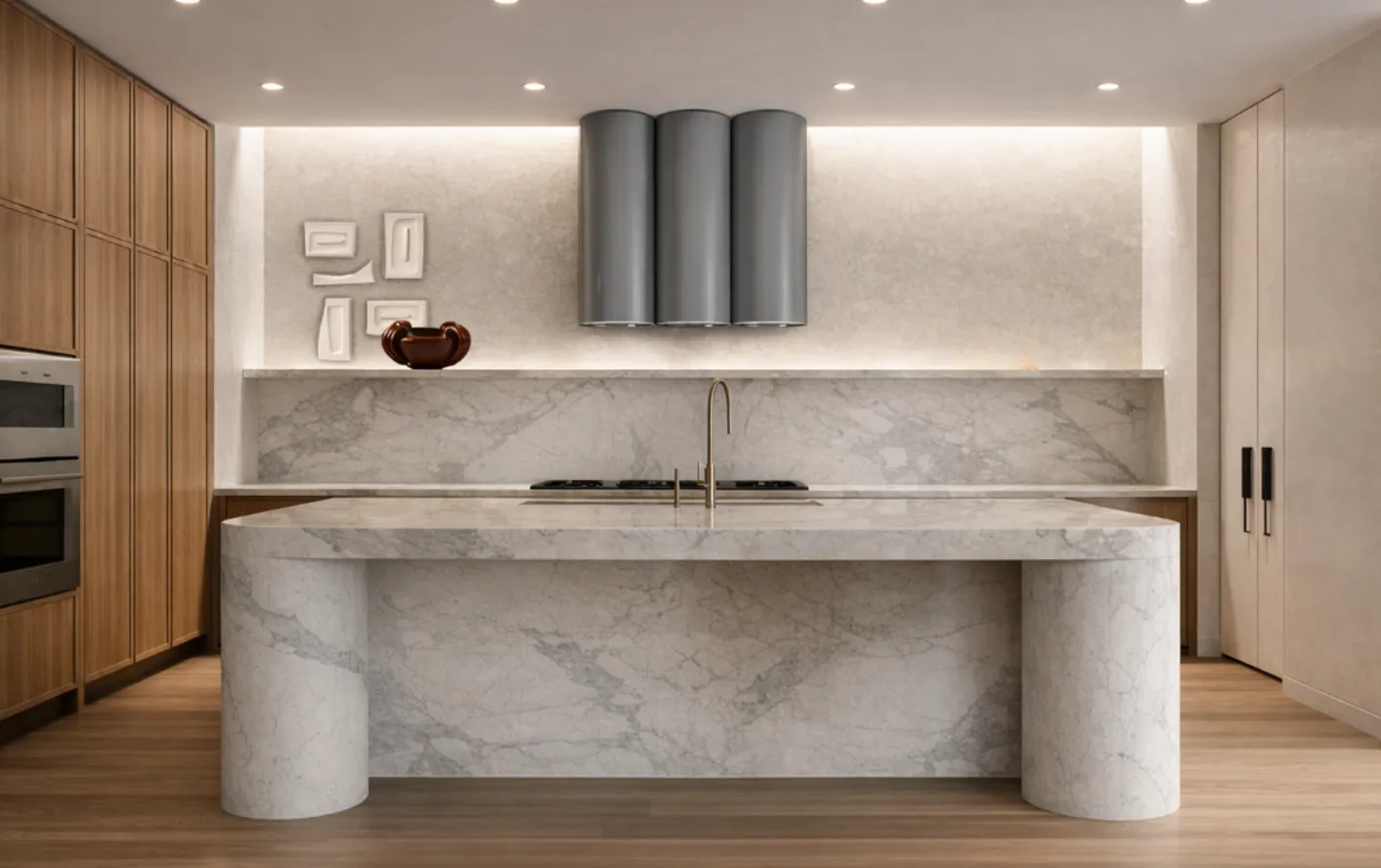
“A well-designed space isn’t just seen—it’s felt. It creates a moment where people recognize themselves within it.”
There is often a moment—rare, almost imperceptible—when a space simply feels right. No explanation, no justification. Just alignment. For Rojin Aval, that moment has been the constant thread running through everything, from a childhood drawing on silk fabric to the layered, immersive environments she creates today.
Her first act of creation wasn’t architecture. It was instinct.
A piece of yellow curtain fabric became a canvas. A large flower anchored a hand-drawn landscape. Texture emerged from crayons and small plastic fragments. Even then, composition mattered—not as a learned rule, but as something felt. An early understanding that elements must relate, that balance is something you sense before you define.
Soon after, objects gave way to space. Furniture was rearranged, rooms subtly reimagined. Without language or theory, she was already exploring one of design’s most complex ideas: how environments influence emotion.
That same curiosity followed her to Canada, where she found herself shaping her parents’ first home, inspired by television rather than textbooks. It wasn’t “design” yet. It was something quieter—a desire to create spaces that simply felt right.
And that desire never left.
The Discipline Behind the Instinct
What has changed is not the intention, but the depth of understanding behind it.
A pivotal moment came during her time working on a full residential renovation in Toronto. For the first time, Rojin Aval wasn’t just observing space—she was reading it. Structures revealed their logic. Constraints became visible. Design shifted from surface to system.
It was no longer about arranging, but interpreting. Not just imagining, but resolving.
From that point forward, her work began to carry a different kind of weight—one grounded in both clarity and accountability.
This evolution wasn’t without friction. Early in her career, she found herself navigating overlapping roles, balancing the demands of a renovation company while quietly building her own studio. The pressure was constant, and at times overwhelming. But it exposed something essential: the gap between an idea and its execution. That gap became her focus.
Precision in communication. Control over process. A deeper responsibility for the outcome. Design, she realized, is not complete when it is conceived—it is complete when it holds, in reality, exactly as intended.
Minimal, But Never Empty
At first glance, her work might be described as minimal. But that would only tell part of the story.
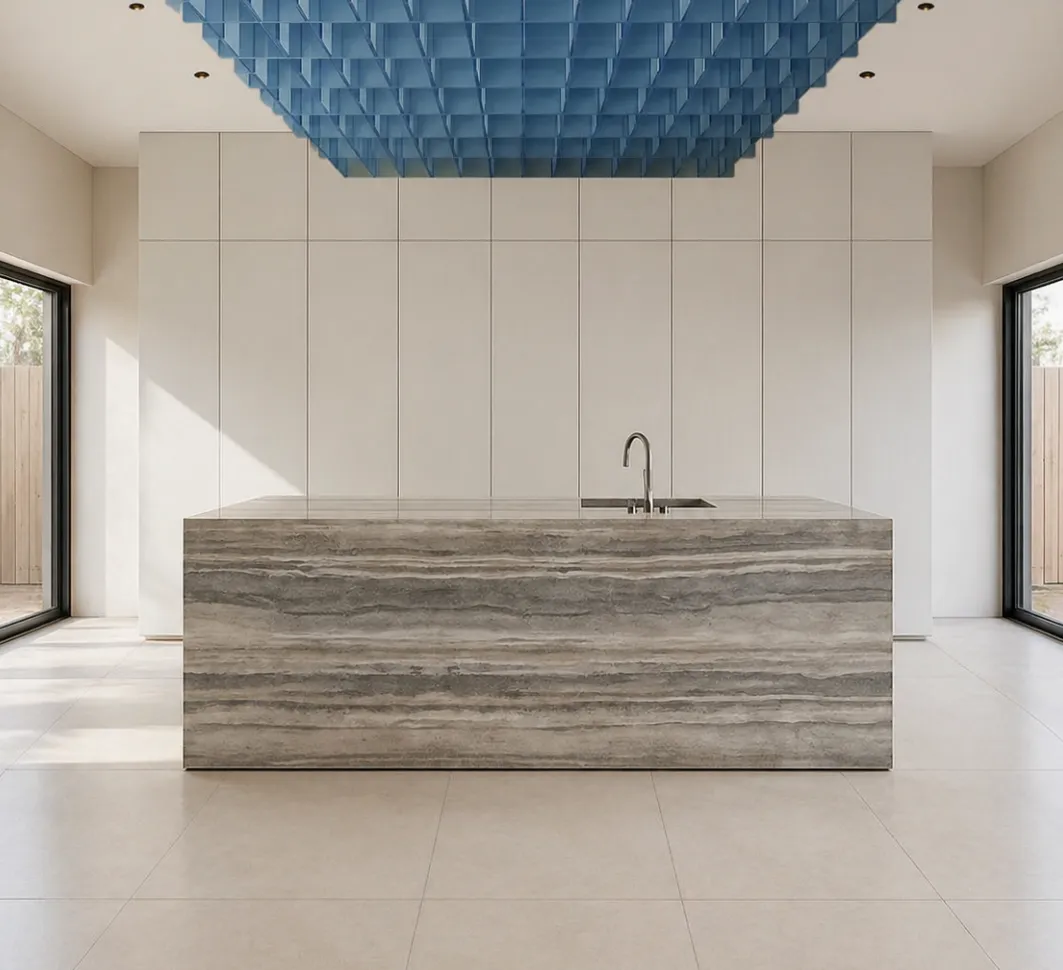
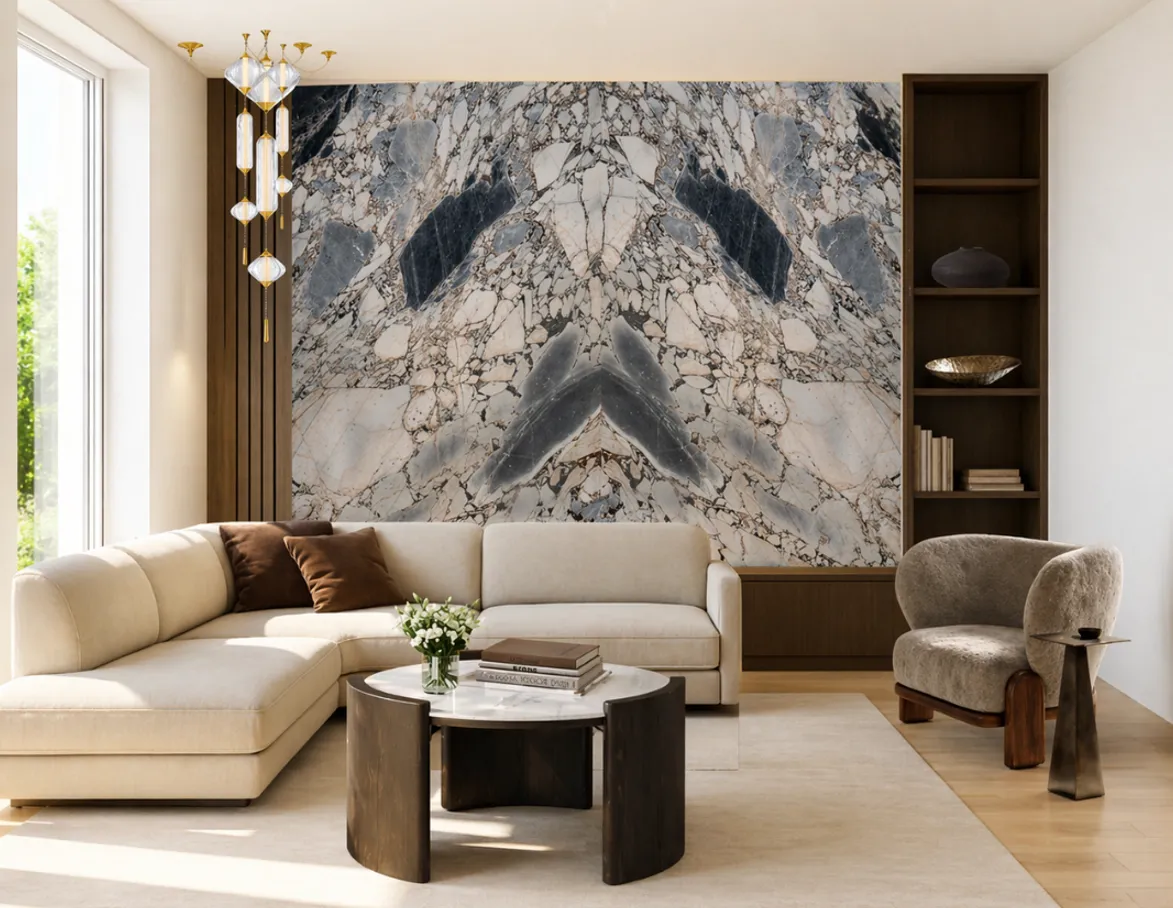
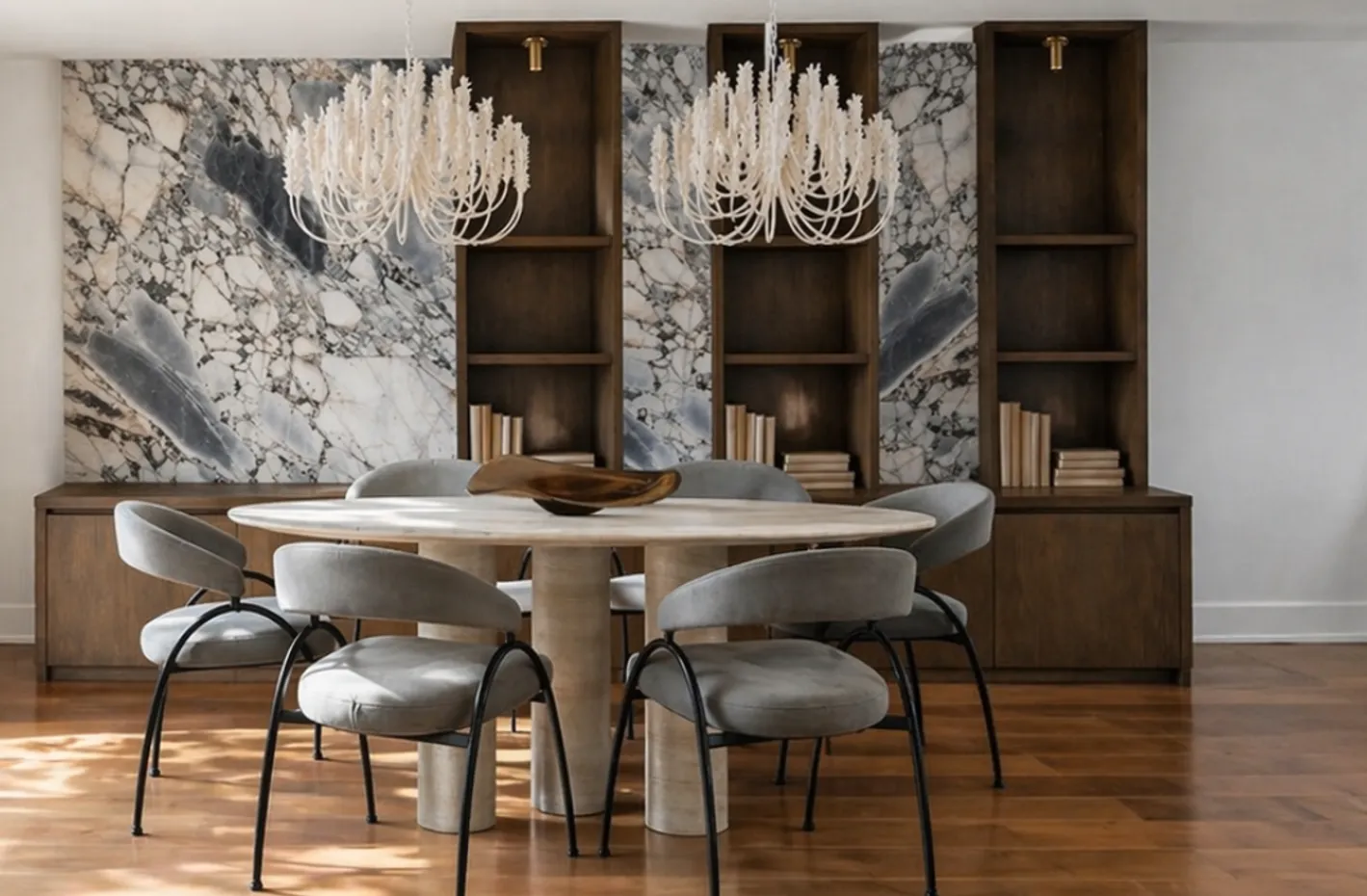
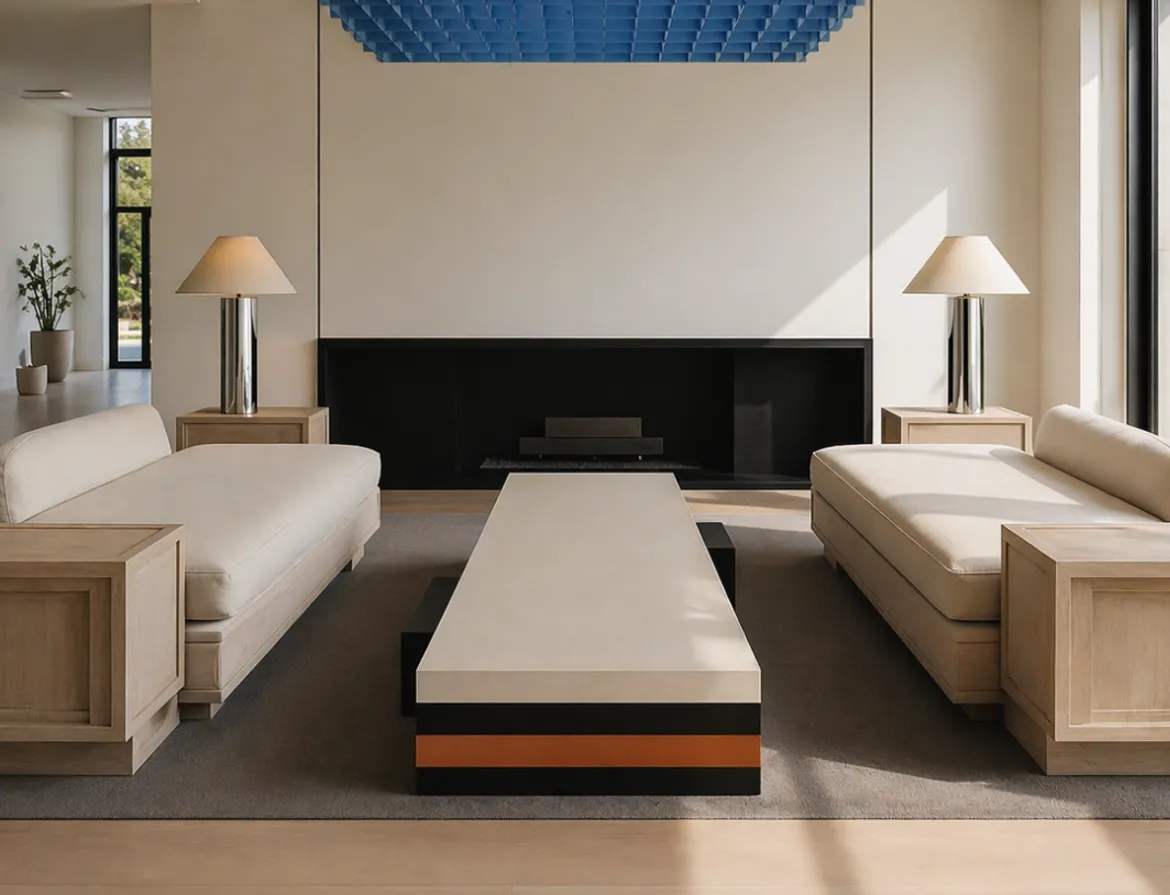
Her spaces are restrained, yes—but never bare. There is always a layer beneath the surface. A quiet density shaped by material, light, and proportion. Influenced in part by her Persian background, her approach reflects a sensitivity to atmosphere: environments that reveal themselves slowly, never all at once.
Light is not an addition—it is a tool. Materials are not finishes—they carry presence. Each project is anchored by a singular moment, a sculptural or spatial gesture that gives identity, while everything around it remains composed and intentional.
The result is a careful tension: clarity paired with depth, stillness balanced by movement.
Because for her, design is not static. It is something you move through.
Designing from the Human Core
Every project begins in the same place.
Not with drawings, but with people.
Before form, before layout, Rojin Aval observes. How someone lives. How they move. What feels natural, and what doesn’t. The goal is not to impose a vision, but to uncover a rhythm.
Only once that rhythm is understood does the structure begin to take shape. Flow, hierarchy, proportion—these come first. The visual layer follows later, built on a foundation that already makes sense.
Even when faced with conflicting ideas—when a client’s request doesn’t align with her instinct—her approach remains grounded. She doesn’t override. She translates. Often, what a client asks for is not what they truly need. The real task is to uncover the feeling behind the request and guide it toward a more resolved outcome.
Because when intention is clear, decisions become easier. And when decisions are clear, the space holds.
Movement, Stillness, and the In-Between
Outside of work, movement shapes her thinking.
Dance, in particular, plays a quiet but significant role. It teaches awareness of timing, of pause, of flow. And this choreography carries directly into her spaces. Transitions are not accidental. Moments of compression and release are deliberate. There is an unspoken rhythm to how a space unfolds.
Even her approach to creative blocks reflects this mindset.
She doesn’t force solutions. Instead, she steps away—looking to fashion, food, or unexpected sources for inspiration. Not to replicate, but to reinterpret through the lens of human experience. Because clarity, she believes, doesn’t come from pressure. It comes from alignment.
Toward Something Larger
Looking ahead, her vision is not simply growth—it is expansion with intention.
As Design Principal of Aval The Label and Co-Founder of Studio X Interiors, Rojin Aval is moving toward more architectural, high-end residential and commercial projects, where ideas can be explored on a greater scale. At the same time, she is building systems—integrating new technologies, refining processes, and shaping a practice that is as operationally strong as it is creative.
But beyond projects, there is a broader ambition.
A platform. A community. A design language that extends beyond individual spaces into something more immersive—perhaps even experiential installations where light, material, and sound converge into complete environments.
Not just spaces to occupy, but moments to step into.
What Remains
If there is one constant in her work, it is intention.
From that first childhood composition to the spaces she designs today, the question has always been the same: Does it make sense? And does it feel right?
When those two align, nothing more is needed.
And perhaps that is what defines her work most clearly—not what it shows, but what it leaves behind.
A sense of quiet clarity.
A feeling that stays.