Blink: Re-envisioning the Seat of Modern Work
- Apr 9
- 3 min read
Updated: Apr 29
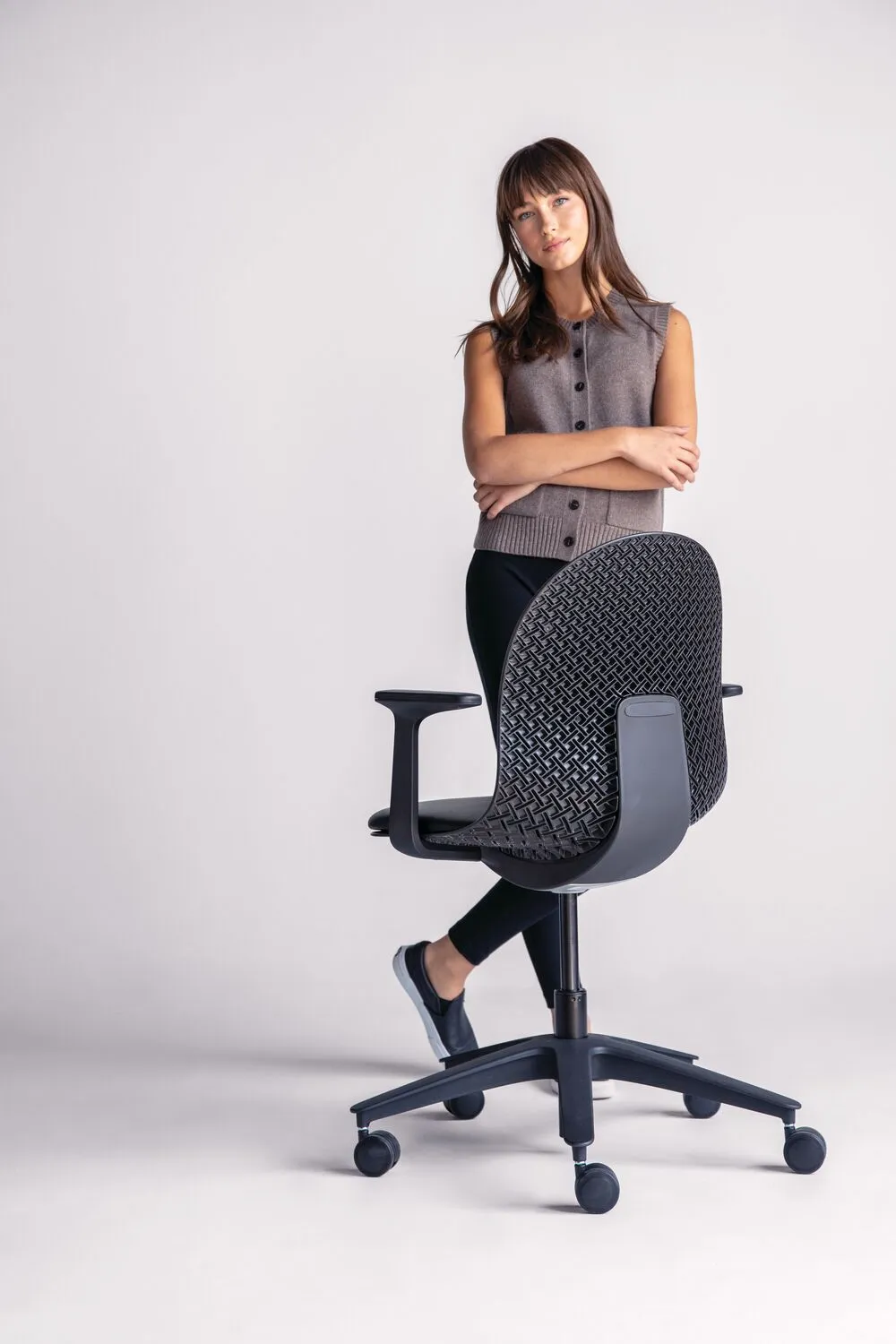
Designed in partnership with the renowned design studio Formway, Blink is Teknion’s answer to the rigid, static seating of the past. It is an elevated, multi-use chair that is intuitive, sustainable, and strikingly beautiful—all without the clutter of traditional mechanisms.
At first glance, it might look like the familiar silhouette of a plastic chair. But look closer, and you’ll see a masterclass in industrial evolution.
Fluid in Form and Function
Modern work is no longer tethered to a single desk. It is fluid, shifting from high-energy brainstorming sessions to deep-focus "head-down" execution within an hour. Blink was engineered for this specific rhythm.
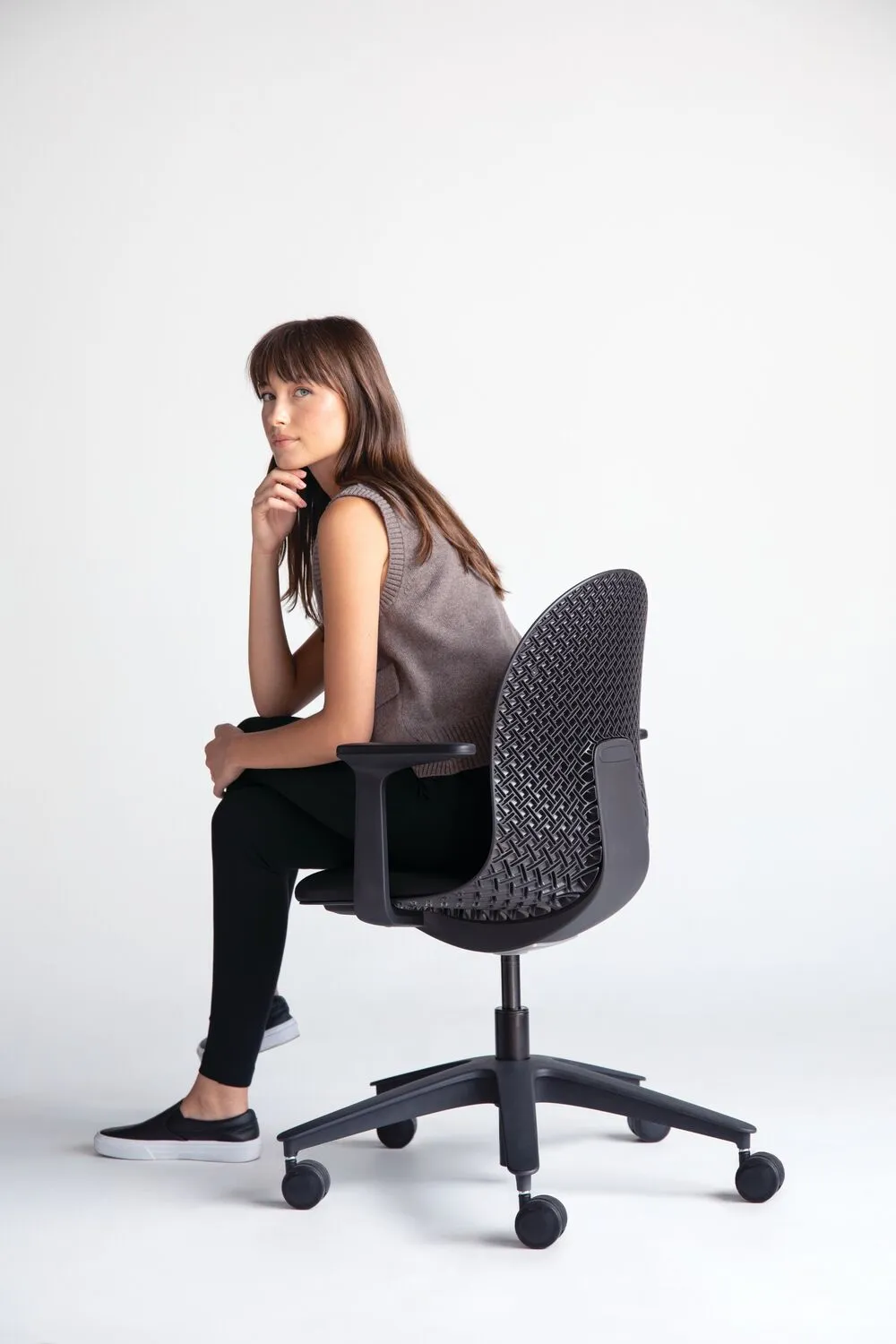
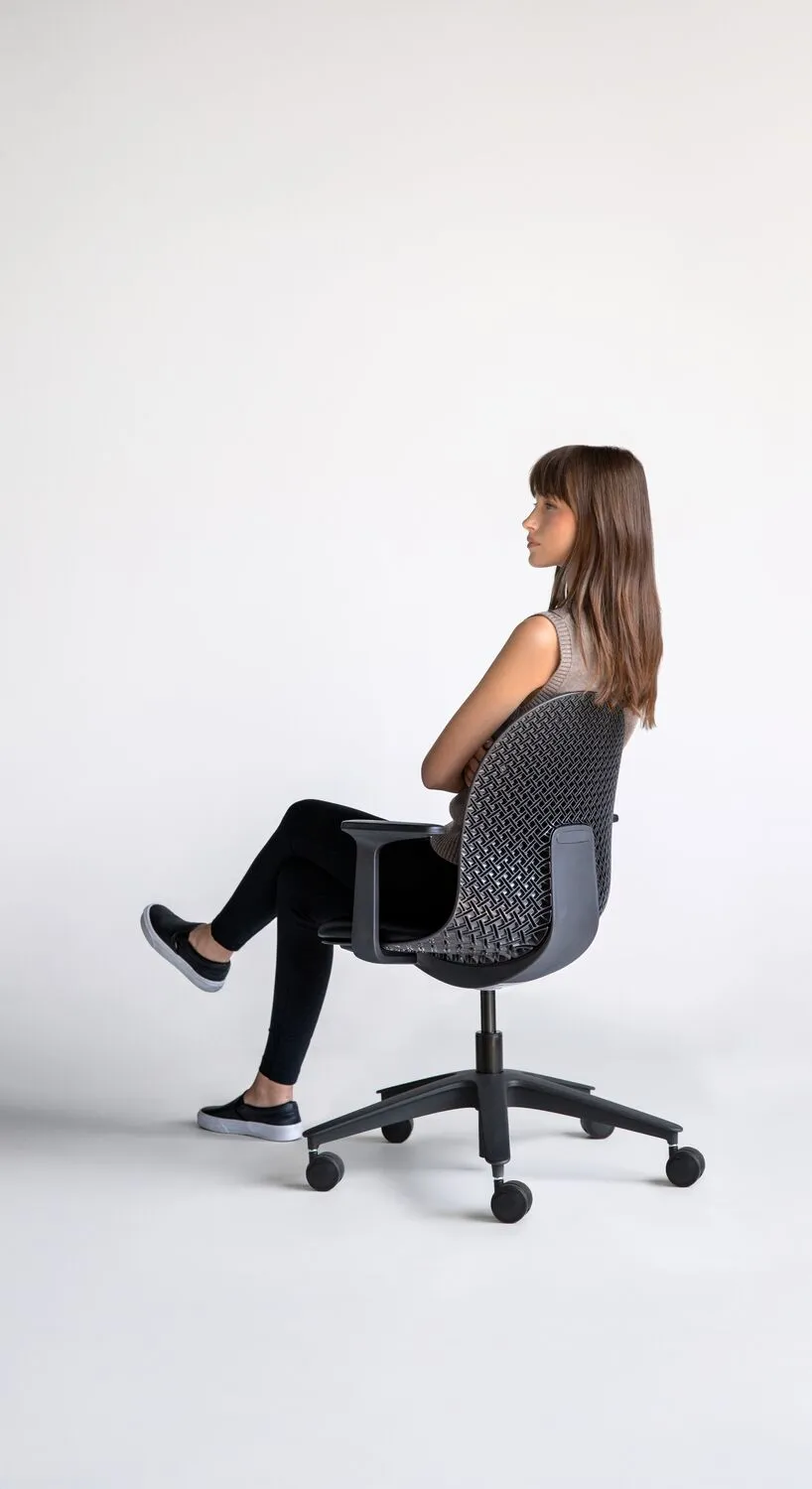
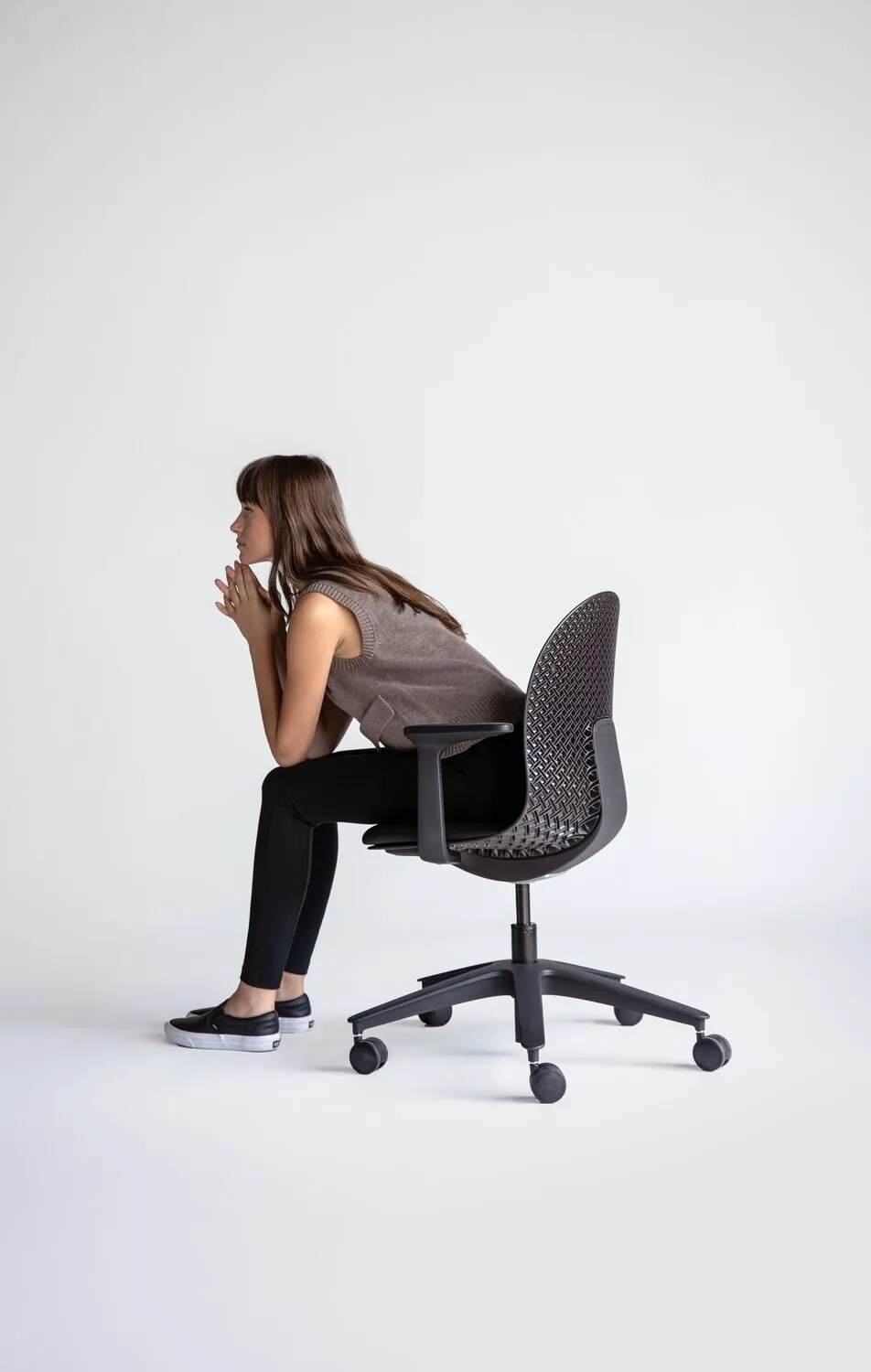
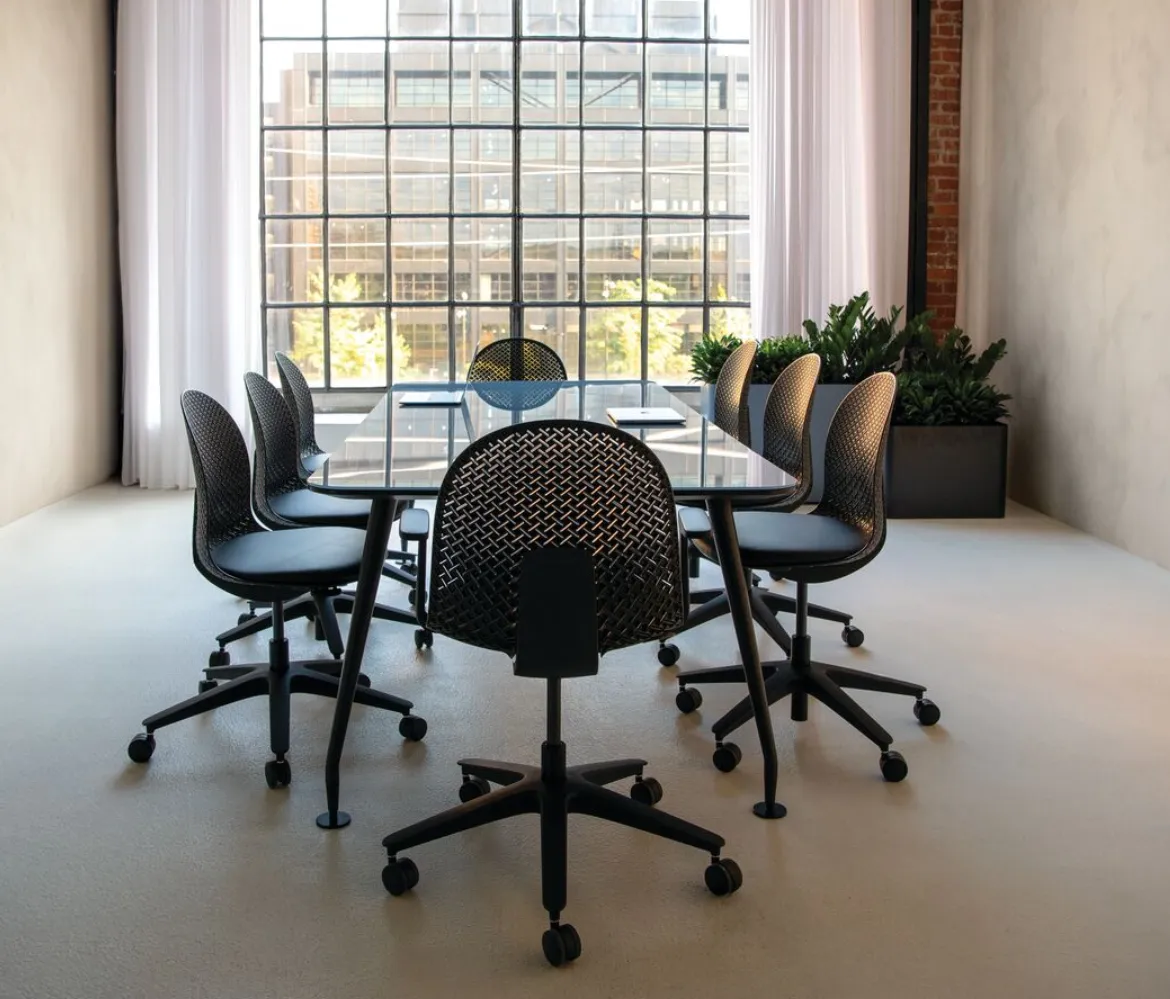
It is a multi-space, multi-activity, and multi-people solution. Whether you are leaning in to collaborate or reclining to reflect, Blink shifts seamlessly with your headspace. It doesn’t just sit in a room; it works with the room.

Made to Move, Naturally
Most ergonomic chairs require a manual and a few minutes of "knob-twiddling" to get the tension right. Blink does away with the levers. Its "hidden intelligence" focuses on active, natural motion rather than manual adjustments.
The chair features two pending patents that define its personalized experience:
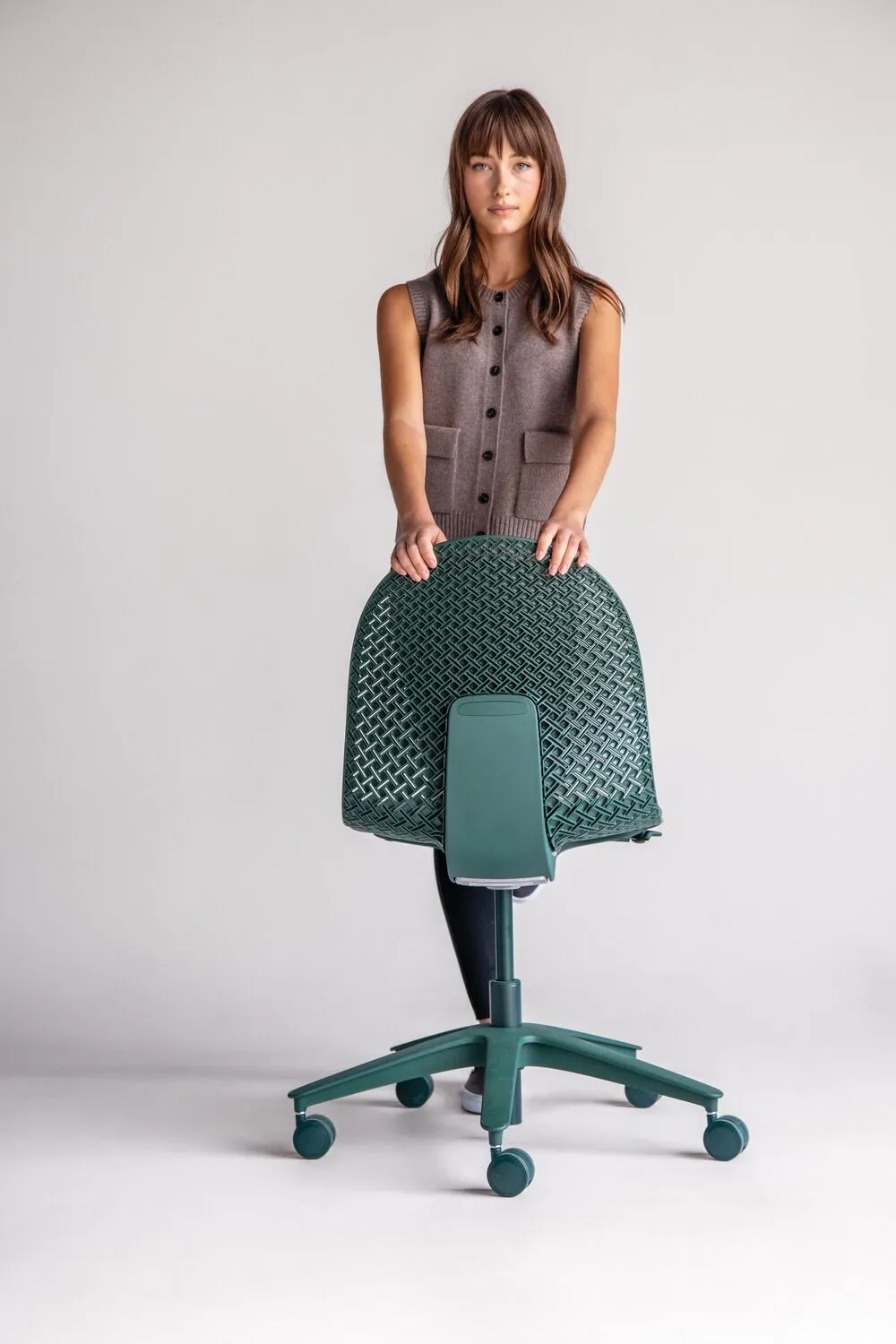
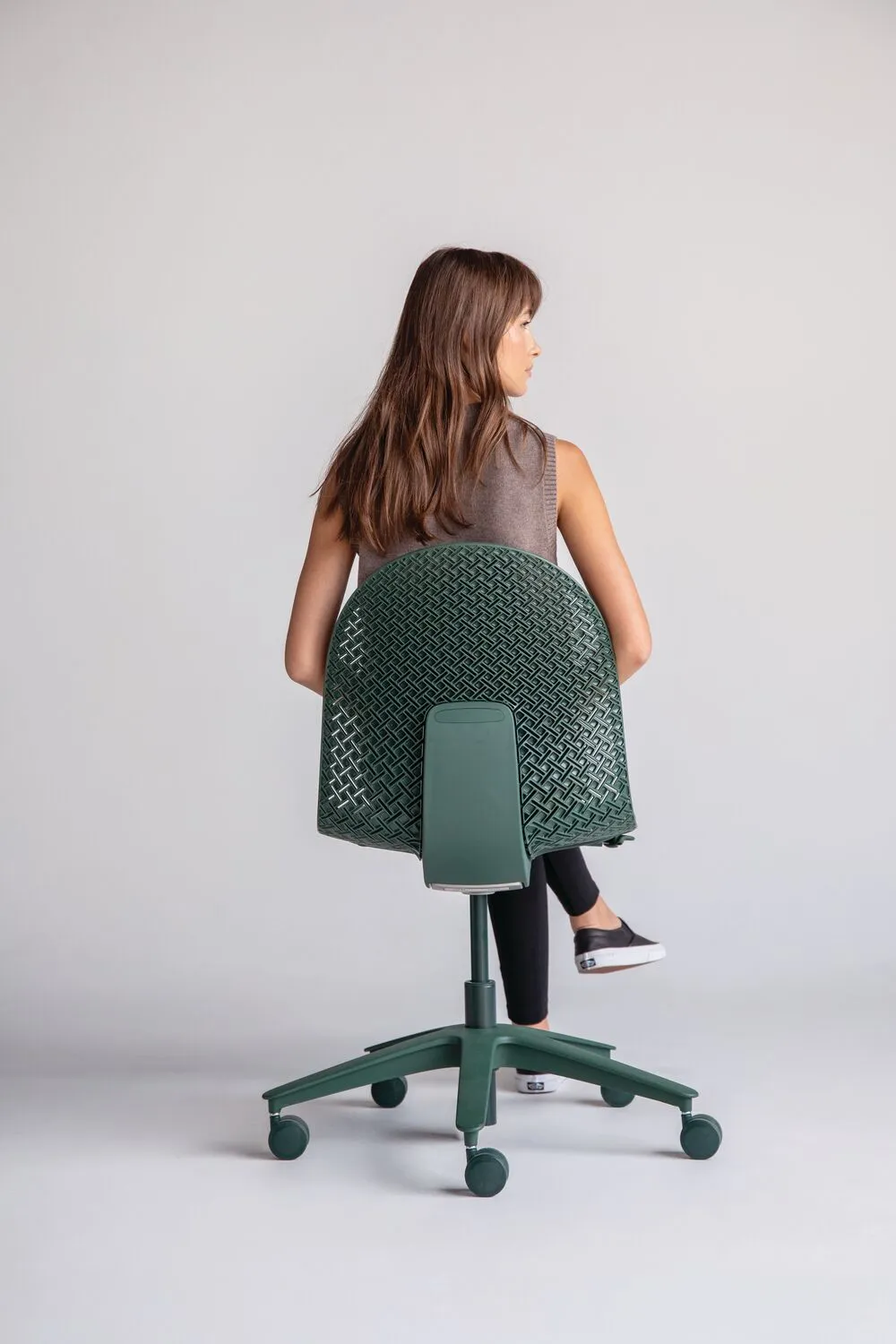
The Auxetic Shell: Inspired by auxetic structures, the shell is precision-moulded with a pattern of varying cuts and depths. This allows the back to stretch and contract, providing targeted flex that mirrors the human spine.
The Keel Mechanism: A proprietary gear-and-spring system that provides immediate responsiveness. As your weight shifts, the Keel automatically tilts—forward for focused tasks and reclined for moments of reset.

Colour-Dipped Aesthetics
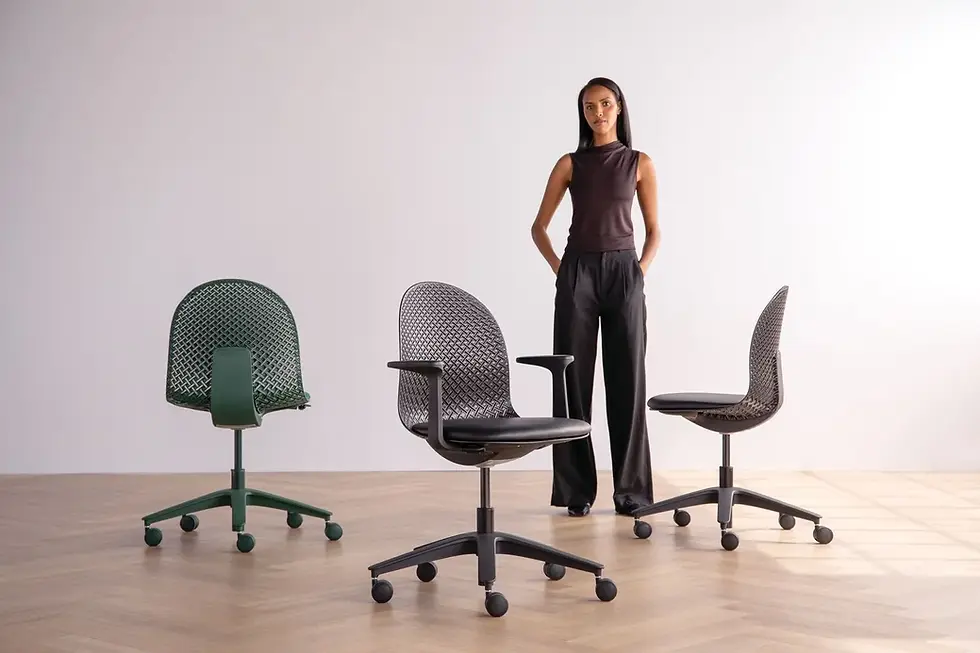
Blink challenges the "utilitarian" look of plastic seating with a bold, sophisticated aesthetic. The design team utilized a colour-dipped approach: each chair appears to have been submerged in a single, saturated hue from the casters up to the shell.
This cohesive, monochromatic look elevates the chair from a piece of furniture to a design statement. With a playful palette of eight colours—ranging from crisp White and bold Red to deep Navy and modern pastels like Pink and Blue—Blink can adapt to any interior, whether the vibe is corporate-chic or creative-casual.

A Reduction-First Philosophy
In an era where "sustainability" is often a buzzword, Blink proves it through radical engineering. Teknion employed a reduction-first philosophy, meaning the chair was designed to limit consumption before the first unit was ever manufactured.
Recycled Foundation: The chair is composed of 73.45% recycled content, utilizing regenerated nylon and recycled polypropylene.
Carbon Footprint: This material choice reduces the chair’s carbon footprint by 30%.
Material Efficiency: The geometric indents of the auxetic shell aren't just for comfort—they use one kilogram less material than a solid shell of the same size. That’s a 36% reduction in material volume without sacrificing an ounce of durability.