The Kitchen as Topography: CRA and Veneta Cucine Unveil ‘OLTRE’
- Apr 12
- 3 min read
Updated: Apr 12
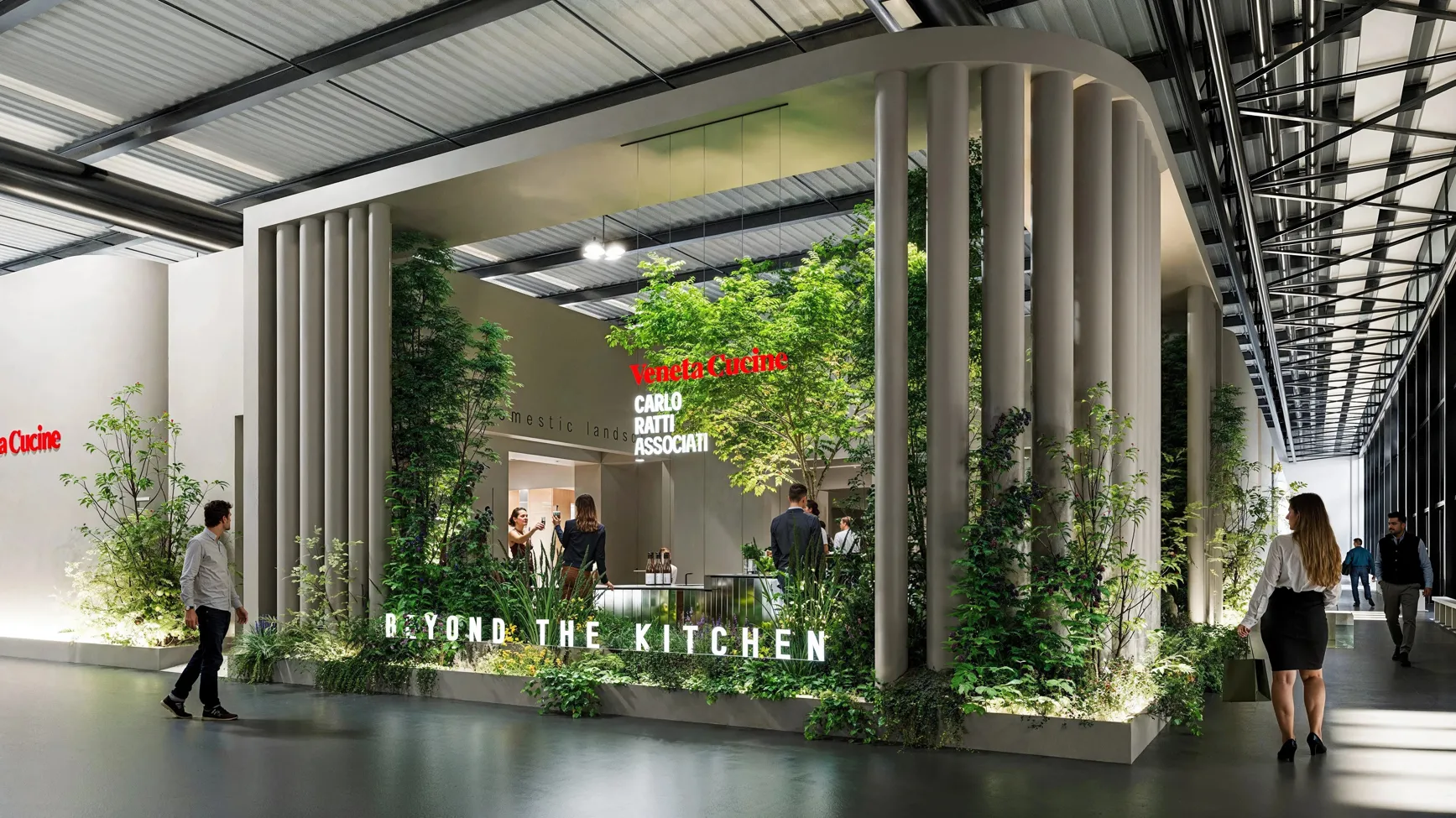
As the boundaries between conditioned interiors and the unfiltered exterior continue to blur, CRA-Carlo Ratti Associati and Veneta Cucine have introduced a provocative response. Debuting at Eurocucina during Milan Design Week 2026, OLTRE is less a piece of furniture and more a domestic infrastructure—a system designed to "flow" through the landscape like a river.

Beyond the Wall: A Spatial Shift
Traditionally, the kitchen is the ultimate anchor of a home—fixed by plumbing, heavy cabinetry, and the rigid geometry of the kitchen wall. OLTRE rejects this architectural constraint.
Developed from a dialogue initiated at the 19th International Architecture Exhibition of La Biennale di Venezia, the project explores the intersection of natural and artificial intelligence. By removing the wall entirely, OLTRE transforms the kitchen into a continuous space that follows the logic of the terrain rather than the rigid grid of a floor plan.

Technical Profile: The "All-Terrain" Logic
For the architect, the primary interest lies in the system's modular adaptability. OLTRE is designed to navigate complex topographies through a series of intelligent design choices:
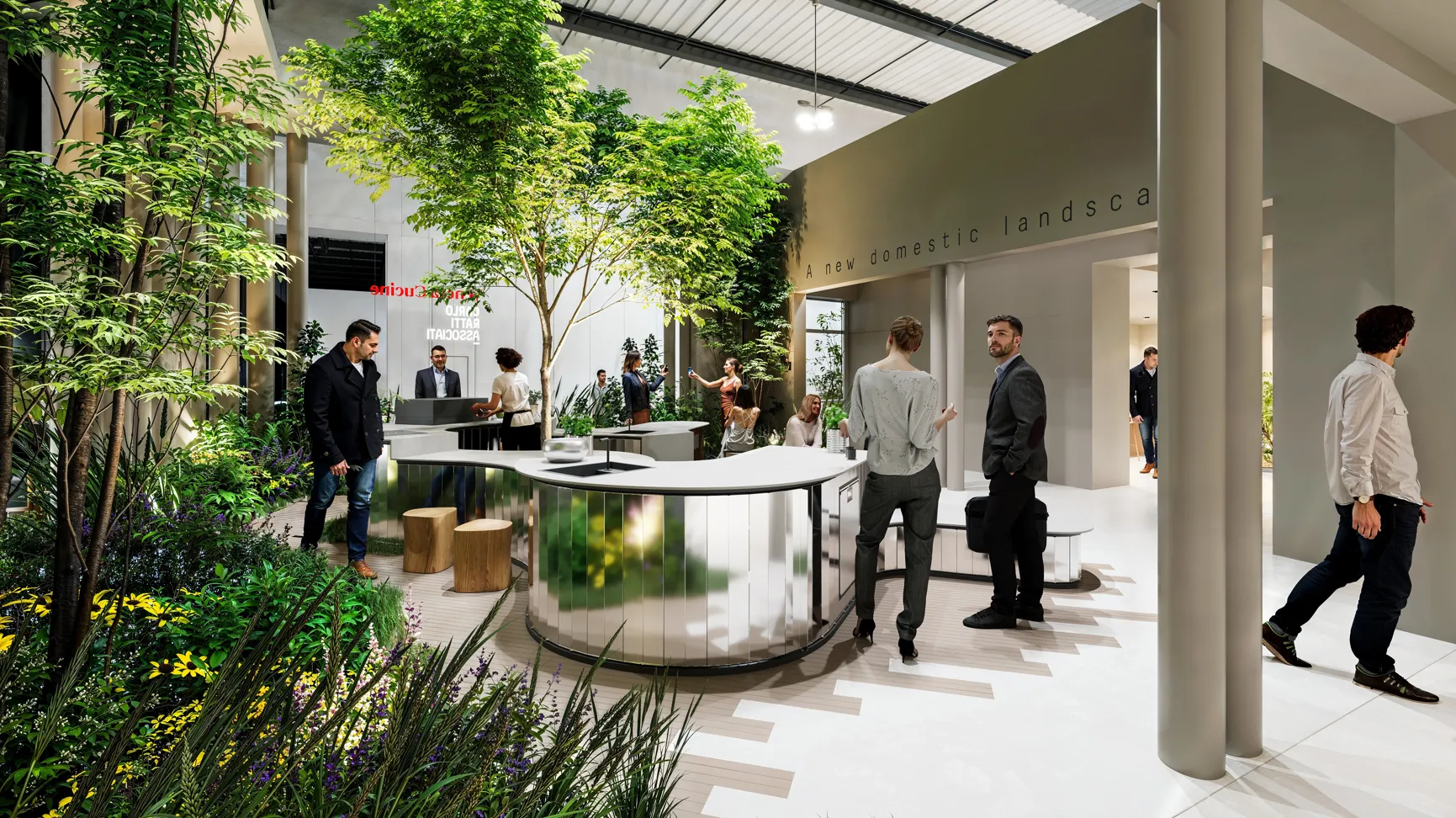
Horizontal and Vertical Flexibility: Unlike standard modular units, OLTRE’s structure uses continuous curves to wind around existing site features—such as trees, boulders, or architectural ruins—while flexing to accommodate shifting elevations and uneven ground.
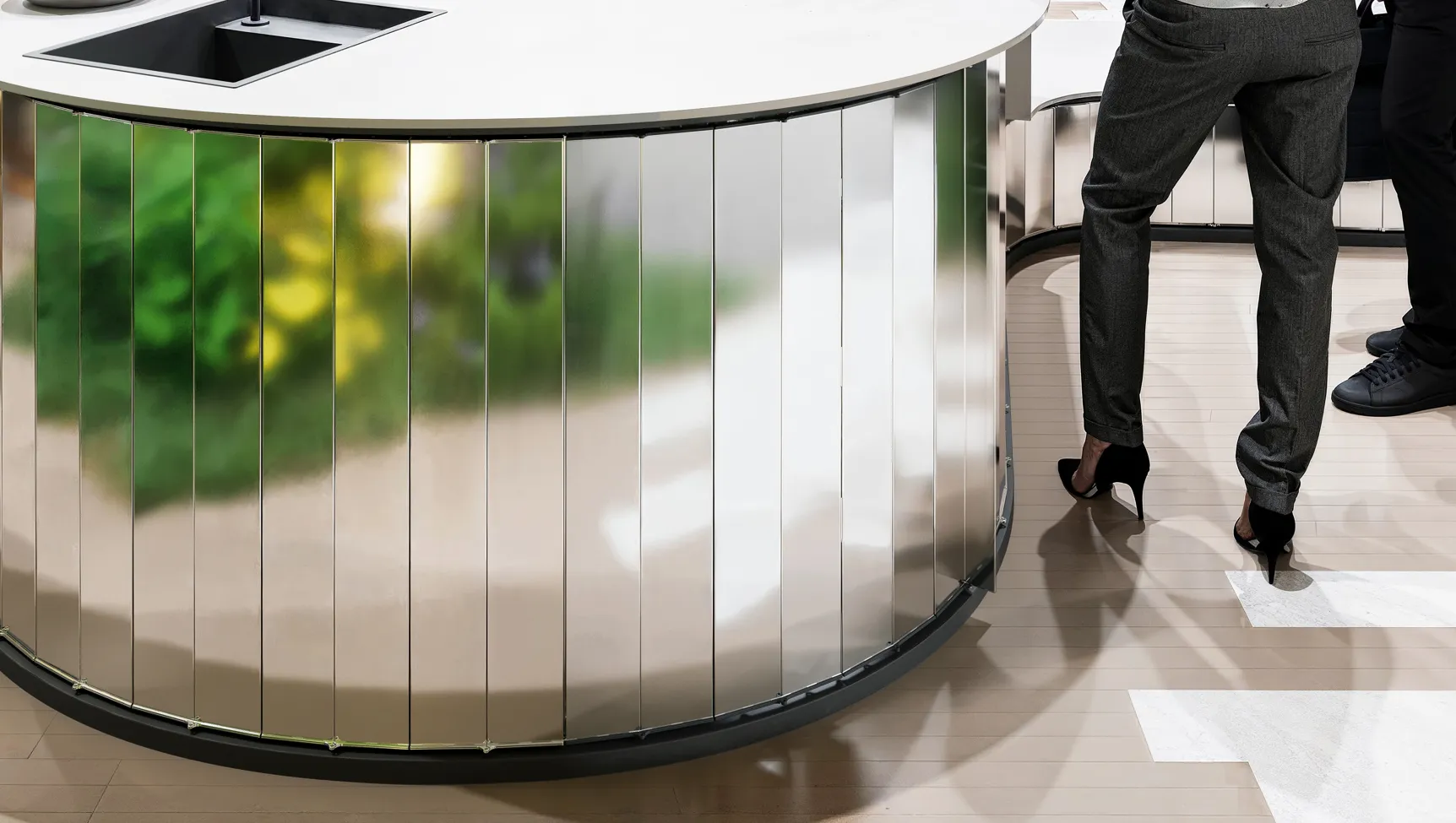
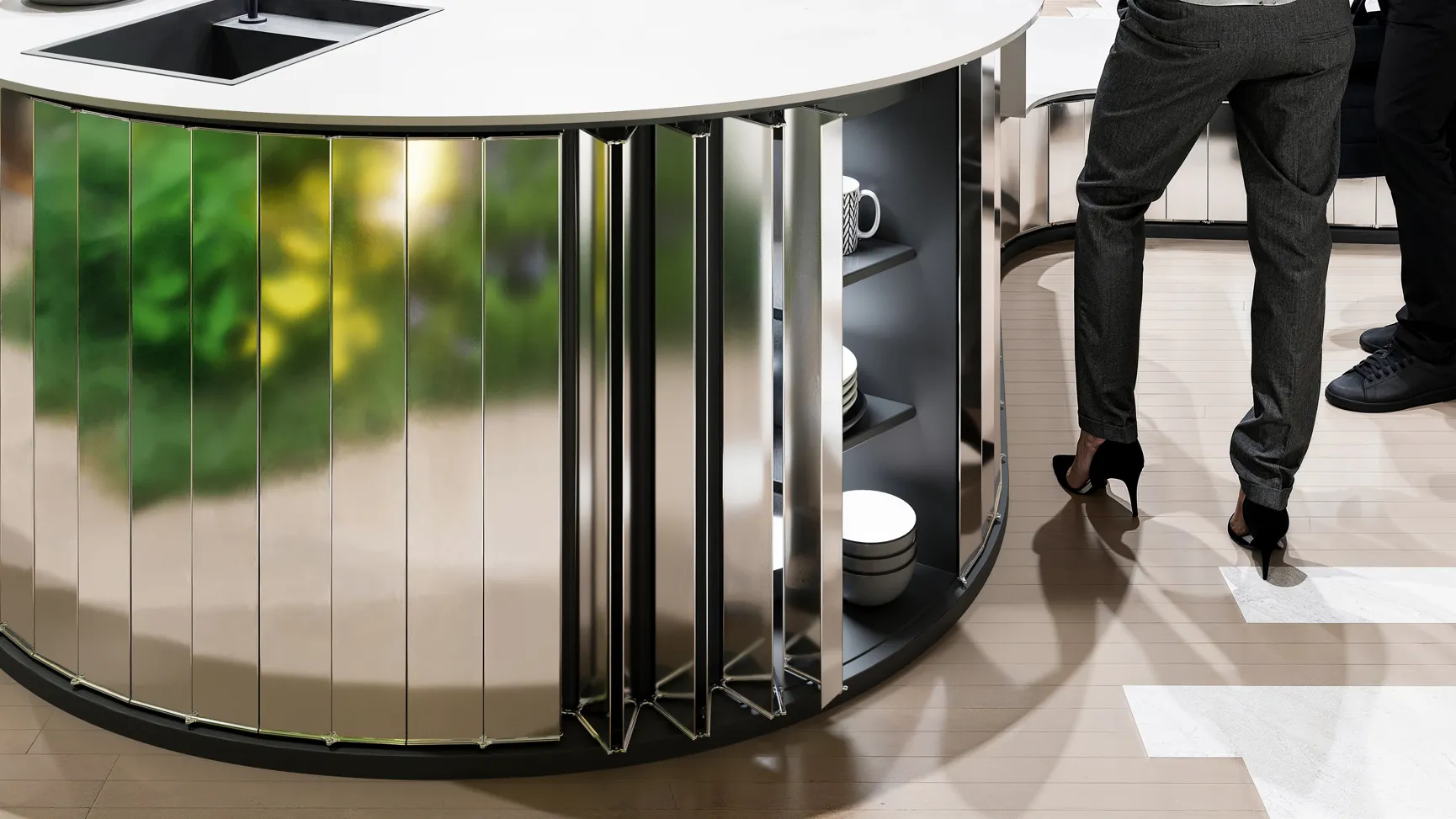
The Accordion Skin: The functional core is protected by a movable skin that peels back like bark, revealing the workspace only when needed. This allows the kitchen to remain a "silent" object in the landscape when not in use.
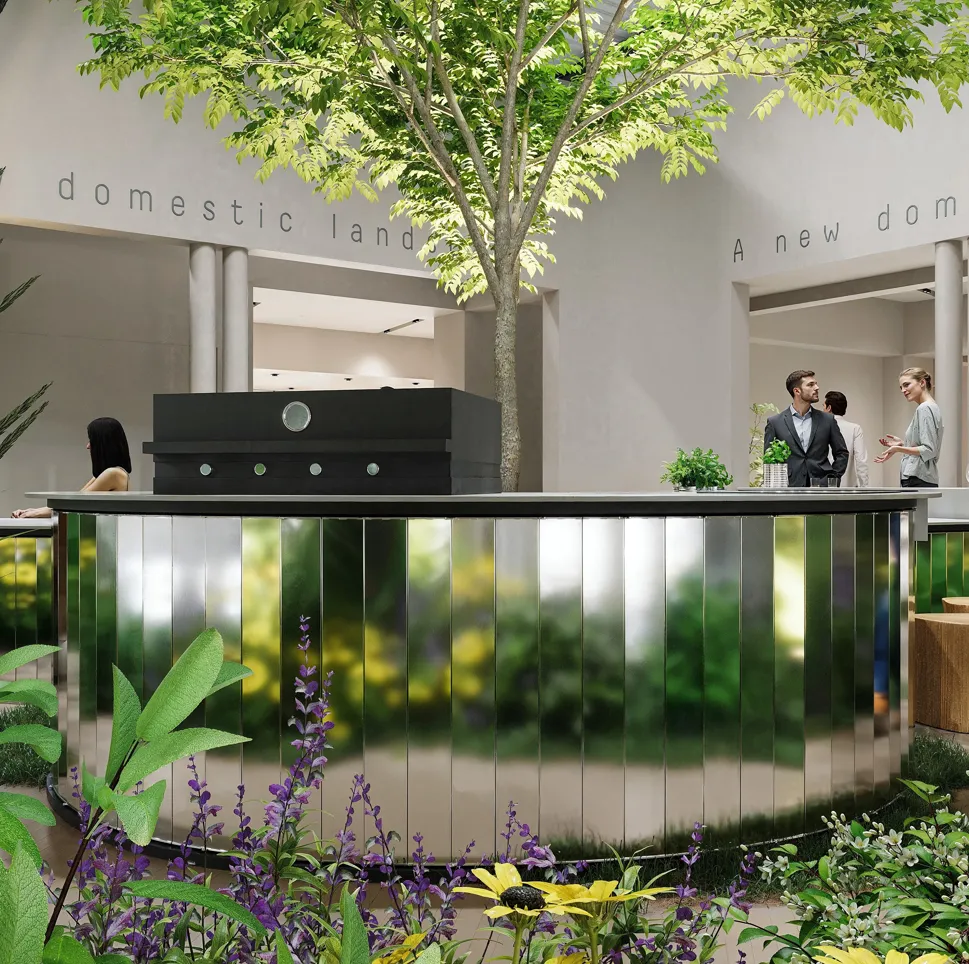
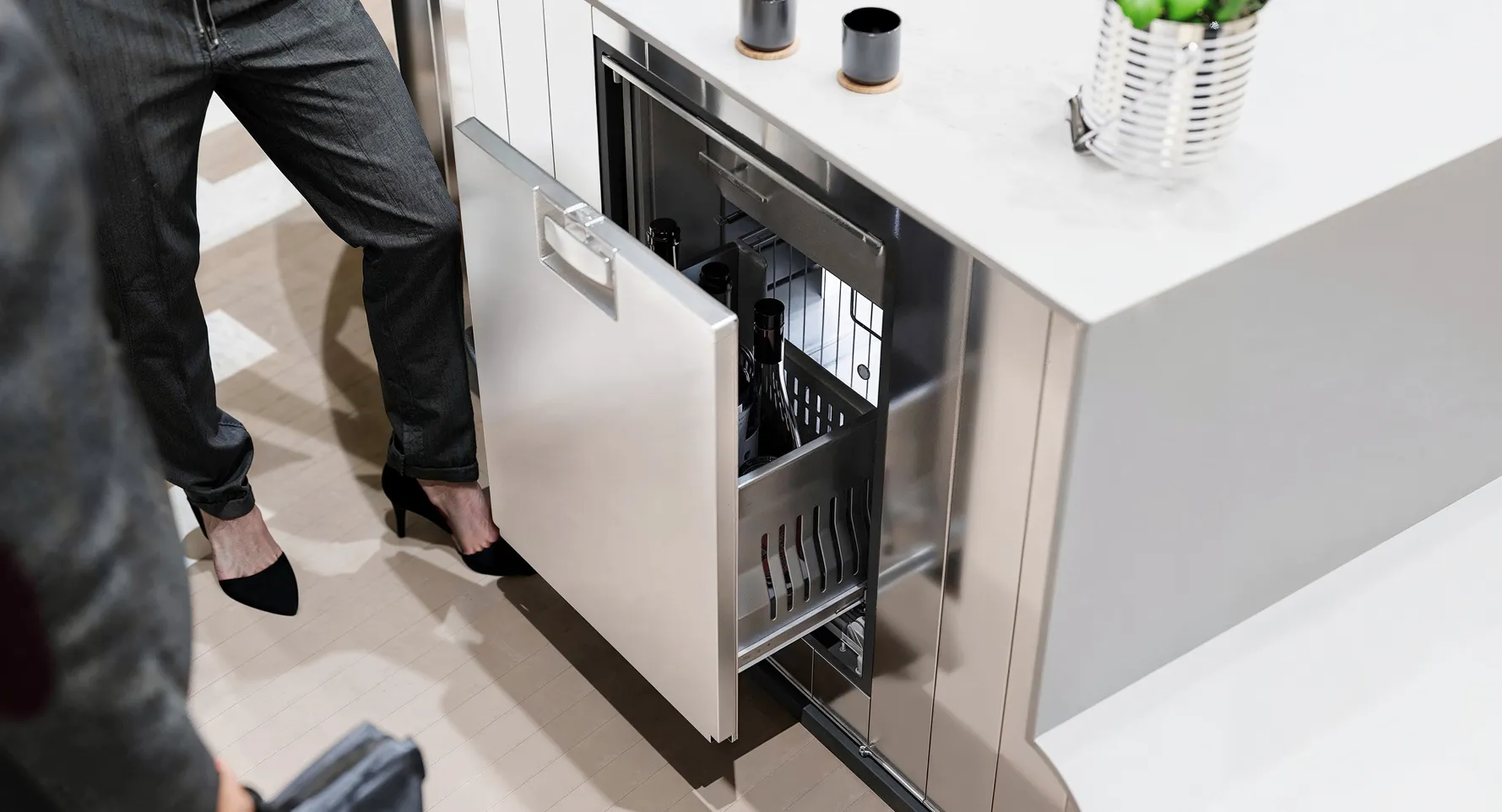
Integrated Infrastructure: A floating countertop serves as the primary workspace, seamlessly integrating high-performance cooking and washing appliances into the organic form.
Materiality and Visual Dissolution
The prototype showcased in Milan features a mirrored stainless steel finish. This choice is a deliberate play on visibility; the polished surface reflects the surrounding Italian garden, effectively dissolving the mass of the kitchen into its environment. It becomes a chameleon, mirroring everything from the scorched earth of an arid desert to the dense shadows of a forest floor.
“In traditional homes, nature enters through the kitchen,” explains Carlo Ratti. “With OLTRE, we are inverting that relationship, with a kitchen that enters into nature” Carlo Ratti, Founder of CRA and Professor at MIT.
The Convergence of Natural and Artificial
OLTRE represents the latest chapter in CRA’s ongoing investigation into biophilic infrastructure. It follows in the footsteps of the studio’s previous work, such as the 3D-scanned Alpine bivouacs and the floating AquaPraça platform at COP30.
For Daniela Archiutti, Art Director at Veneta Cucine, the project is an exercise in fluidity.
“OLTRE expresses an idea of continuous space, where the fluidity of the interior extends into the exterior and becomes part of it. Everything comes together, and in that continuity, everything acquires value and meaning” Daniela Archiutti, Art Director at Veneta Cucine.