




The Secret History Behind Upcycled Furniture
Sep 1
3 min read
Inside an Indian living room, you’ll be fascinated by furniture that has a past of its own. A coffee table built with part of a boat, while the iron legs of a stool could have been salvaged from an old cart. These choices are rarely accidental. People are drawn to objects that carry a sense of history and character rather than to those bought straight from a factory.

India’s furniture market was worth about USD 26 billion in 2025, with the sustainable, handcrafted segment growing faster than ever. The Indian Green Building Council says demand for green-certified products is rising by about 20% each year, with supply limited to a few boutique stores. This reflects a bigger change in what Indian families want for their homes.
Sustainable decor is about using real, lasting materials, not just making things look good in photos. Reclaimed teak and other solid woods remain favourites in Indian furniture because of their grain, strength, and how well they age. Hand-forged iron, hammered brass, sun-dried terracotta, and natural stone are also popular, and all of these use much less energy to make than laminate or plastic.
How long furniture lasts depends more on the quality of its joinery and finish than on whether the material is new or reclaimed. Reclaimed wood has already aged and settled, so it’s often more stable than new timber. Iron and brass develop a patina that improves with age, while painted MDF can chip and peel.
Many skilled hands shape each reclaimed-wood table or hand-forged accent before it reaches someone’s home. India’s handicrafts sector employs over seven million people, most of them women, working in craft clusters in states such as Uttar Pradesh, Rajasthan, West Bengal, and Odisha. In FY26, handicraft exports were about Rs. 33,000 crore, with woodware and metal crafts growing especially quickly.
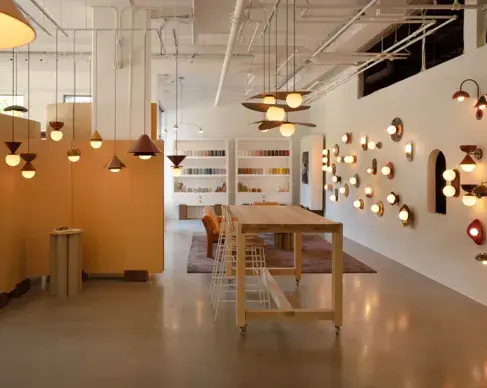
Sustainable Interior Design. Credit: Ekaurr
By choosing handcrafted, upcycled furniture, you support rural jobs instead of factory production. This choice matters more than you might think. If enough people buy these pieces, it can help craft clusters last for future generations instead of fading away.
Upcycled furniture looks best when you give it space. Small touches, like a terracotta planter, can bring warmth to your room without making the space feel crowded. Don’t fill every corner with furniture; observe and make it feel like home.
In an Indian living room, balcony, or entryway, balance often comes from identifying a piece of furniture as the main character and many other objects and furniture as secondary characters. Studios like Ekaurr use this approach, mixing reclaimed wood with brass, terracotta, and hand-embroidered textiles. This makes the space feel thoughtfully chosen, not just filled with matching items.
Decorating sustainably doesn’t mean giving up variety. Reclaimed wood, brass, terracotta, iron, stone, and ceramic all have unique textures, so you can create anything from a simple, minimal space to a rich, layered one.
Sustainable interior design is now much more than a niche trend. Real market growth is driven by strong artisan livelihoods and clear material benefits. This is driving the change, not just fashion. A reclaimed teak console or a hand-forged candle stand has a smaller environmental impact and a personal story, and that combination is hard to beat.
Sustainable Home Decor. Credit: Ekaurr


