




Adaptive Reuse: Stop Demolishing, Start Rebuilding
Aug 23
4 min read
Updated: Aug 24
Cities are changing as more places move away from tearing down old buildings.
Grain silos are now art galleries. Old naval yards have become new waterfront neighbourhoods. Some car dealerships from a hundred years ago are now the entrances to design studios. All over the world, existing buildings are quietly being transformed.

For a long time, progress in architecture meant building with new concrete and steel. But because buildings create a lot of carbon emissions, more people in the field are now asking: what if the most eco-friendly building is the one that already exists?
Traditional construction usually follows a simple cycle: take resources, build, use, tear down, and start over. This way of building consumes a lot of resources and generates significant waste, especially from construction and demolition.
Circular design works differently. Instead of seeing the end of a building as the finish, it treats it as a new beginning. Materials are listed, saved, and reused. Buildings are carefully taken apart so materials like steel beams, wood, bricks, and even light fixtures can be reused in new projects.
This new way of thinking starts before any walls come down. Experts now conduct careful assessments to determine what is worth saving inside a building, rather than just trying to demolish it quickly. Digital tools help track building parts, record where materials came from, what shape they are in, and where they might be used next.
The benefits go beyond helping the environment. Reusing old buildings instead of building new ones often saves money on materials, waste removal, and time. These projects also usually receive support from city planners and neighbours who prefer to preserve the city’s familiar look.

There are already great examples of this change. In Vienna, four large gas tanks from the 1800s now house apartments, offices, shops, and concert halls, all within the original brick walls. In Porto, old port wine warehouses dating back 200 years have turned into a lively area with museums, restaurants, and a wine school, while keeping the old stone and wood.
New York’s High Line turned an old train track into a public garden, keeping its history alive for more than 1 mile. In France’s Vosges region, an old glass factory from the 1700s is now a museum with changing art shows, using its concrete shell as a backdrop rather than a wall.
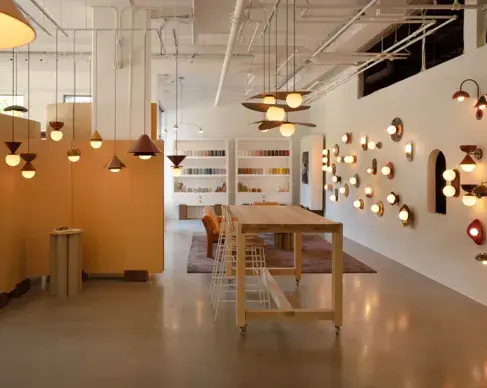
Even company headquarters are changing. In San Antonio, an architecture firm chose a hundred-year-old car dealership instead of building a new office. They kept the original brick and concrete beams and made the old garage into a courtyard. In London, a 1970s office building with a concrete style is now a boutique hotel, with a few floors and a rooftop bar added, but the overall look has been kept.
Not every project is easy from the start. In San Francisco, a World War II-era factory, now part of a new waterfront area, had to be raised several feet to stay above rising sea levels. This costly step shows that circular design can be tricky. Still, more developers think these challenges are worth it, especially as more people ask about a building’s carbon footprint.
The next step is to design new buildings so their materials can be taken apart and reused many times in the future, not just to reuse old buildings.
This means using bolts instead of permanent welds, choosing movable walls rather than fixed ones, and making service areas easy to reach and upgrade without breaking ceilings. It means choosing materials that can be used again, like a housing project in Copenhagen that used salvaged walls for its façades, or a pavilion in Amsterdam that used recycled denim for insulation.
Digital tools are now key to this way of building. Building information modelling, which once helped avoid construction mistakes, now also tracks what materials are in a building and where they might go next. Some researchers are even developing planning tools that let architects, city leaders, and communities explore different options for a site before deciding what to do with it.
In Munich, a research team says we should think about circularity not just in terms of materials, but also in how buildings are used. This could mean buildings are always in use, change their purpose completely, are used more often, or serve different roles in a single day. Sometimes, the best circular approach is just to keep a building useful.
This doesn’t mean we will stop building new things. Some buildings are too damaged or unsafe to save. But the trend is clearly moving toward keeping and reusing what we can.
Malin Orebäck, a senior design expert at McKinsey Design, says the circular economy is about seeing systems as "start-to-finish-to-start," not a straight line but a loop that keeps going. In architecture, you can already see this loop in gas tanks turned into homes, glass factories turned into galleries, and rail lines turned into gardens. The next landmark could already be around us.


