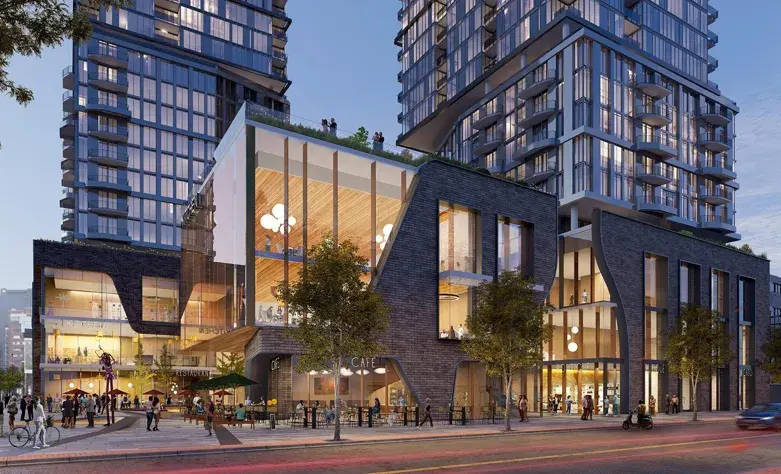
The biggest changes in architecture today are not happening on city skylines or in glossy images. They are taking place in the software architects use every day and behind the cabinets in our homes. Two quiet revolutions, one in how architects work and one in how homes are built, are coming together around a surprising idea: the best technology is often invisible.
In the past, progress in architecture meant bolder shapes, striking visuals, and obvious new technology. Now, this is changing. The future of design is about making digital and physical systems blend in so well that they fade into the background, letting people focus on how the space feels.
In the past, making a building respond to its climate required extensive, detailed computer modelling. Architects set up rules in Building Information Modelling (BIM) software and adjusted settings to make sure the design worked with sunlight, wind, and the site. This careful process felt more like engineering than art and often took time away from bigger design ideas.
Now, things are changing. Generative AI tools built into BIM software can quickly analyze factors such as sunlight, shade, and airflow to suggest the best building shapes. Instead of building designs step by step, architects share their goals, and the software creates several good options.
This does not mean architects are losing control; their role is shifting. As software handles the technical details, architects can spend more time on things that require human judgment, such as how a building fits with its surroundings, the climate, and the people who will use it. AI can produce many good solutions, but choosing the right one is still up to people.
Being able to judge what works best is now considered the primary skill for architects. As generative tools improve, the best architects will not just be those who use software well, but those who can tell when a design that looks perfect on paper does not actually meet the community's needs.
The idea of 'disappearing technology' is also changing people’s experiences. Smart devices like thermostats and speakers are now often seen as design flaws rather than selling points.
Today, climate and lighting controls are built right into custom woodwork. Sensors hide behind wooden panels, and vents are part of the cabinets. These features stay out of sight until they are needed. The technology is still there, but it is intentionally hidden from the start.
1This way of designing is about more than just minimalism. It quietly shows that smart features do not have to look like technology. A room that changes its temperature or lighting on its own, without visible controls, feels less like a machine and more in tune with the people in it, creating a calm and peaceful space.
The roles of craftspeople have changed too. Wiring, sensors, and climate control equipment have to be planned alongside the woodwork from the start. The woodwork does not just hide the technology; it is made to fit it exactly, like a custom-made suit.
Both of these trends are part of a bigger change. Design is moving away from focusing on single objects, like renderings or switches, and toward the systems that connect everything. In digital design, old measures of success, such as clicks and visible actions, are being replaced by new ones: how well a space meets real needs and how easy it is to use.
Architecture is moving in the same direction. Both computer-designed facades that respond to the climate and hidden lighting systems help smart features work quietly in the background. This lets the building do its job while people enjoy being there.
This change does not make architects less important; it actually makes them more valuable. As algorithms handle technical work and skilled hands hide the technology, there is a greater need for expert judgment and good taste. Even though the tools are less visible, the choices architects make matter more than ever.
In our opinion, the future of architecture will be about subtlety. Buildings and interiors will work better and require less attention, shaped by architects but not built by hand alone. In this new era, the most advanced spaces might be the ones you hardly notice.